Dublin
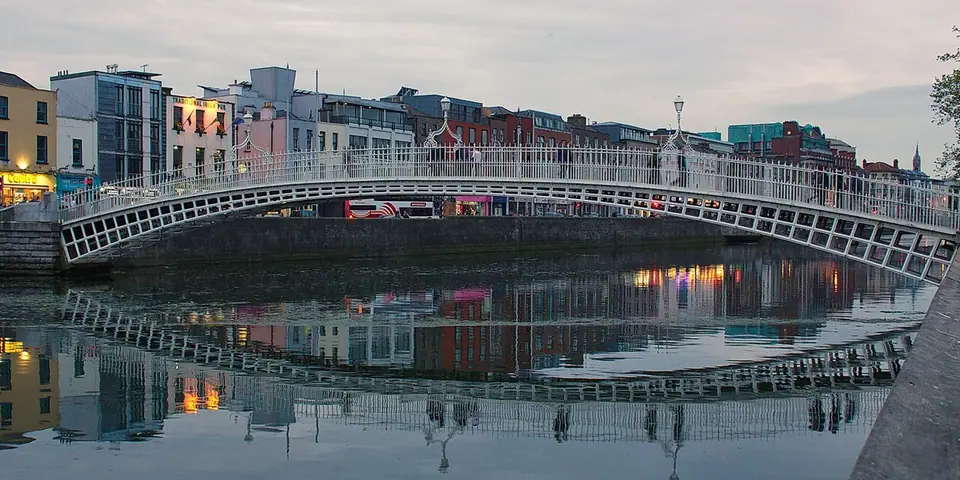
Georgian brick squares, medieval cathedrals, River Liffey bridges and DART coastal villages along Dublin Bay.
Quick decisions
How many days?
3 days: Trinity College and Dublin Castle on Day 1, Kilmainham Gaol and The Liberties on Day 2, and the Howth Cliff Walk on Day 3.
Where should I stay?
St Stephen's Green or Merrion Square: tranquil Georgian streets near the national museums. The Liberties: brick distilling quarter. Smithfield: northside Luas access.
Do I need a car?
No. Central Dublin is compact and walkable, while DART electric trains, Luas trams, and TFI buses reach Kilmainham, Phoenix Park, Howth, and Dún Laoghaire.
Best for
History: Book of Kells and Kilmainham Gaol. Walks: Howth Head. Food: Irish stew and soda bread.
Before you go
Ireland uses the Euro (EUR) and British Type G three-pin plugs, and tickets for Kilmainham Gaol and the Book of Kells Experience must be reserved online in advance.
Getting around
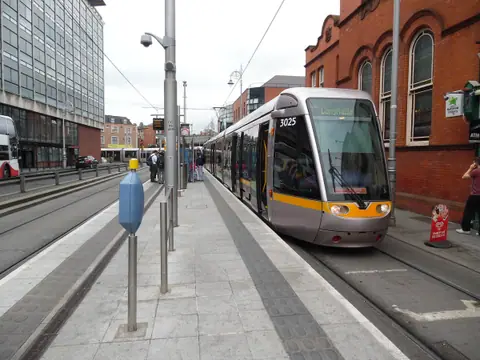
Use a rechargeable TFI Leap Card across Dublin Bus, Luas Red and Green trams, and DART suburban rail on the Dublin transport network.
Continue your trip
Board an Irish Rail intercity train from Dublin Heuston to Galway, Cork, or Killarney, or ride the Enterprise service from Dublin Connolly north to Belfast.
Overview
Dublin sits where the River Liffey meets the sheltered curve of Dublin Bay on Ireland's east coast. Founded in the ninth century as a Viking longphort at Dubh Linn (the Black Pool) beside the River Poddle, the capital evolved through Anglo-Norman cathedrals, eighteenth-century Georgian brick squares, and the revolutionary landmarks of the 1916 Easter Rising. Unlike larger European capitals that require long underground commutes between sights, central Dublin fits neatly between the Royal Canal to the north and the Grand Canal to the south.
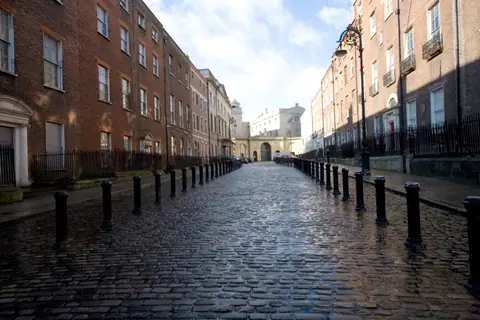
The River Liffey divides the city into two halves with distinct textures. South of the river, the cobbled quadrangles of Trinity College Dublin lead east toward the red-brick townhouses and free national museums around St Stephen's Green and Merrion Square, and west past Dublin Castle and Christ Church Cathedral into the historic brewing streets of The Liberties. North of the river, James Gandon's neoclassical Custom House and the General Post Office on O'Connell Street anchor neighbourhoods stretching out to Smithfield and the walled grasslands of Phoenix Park.
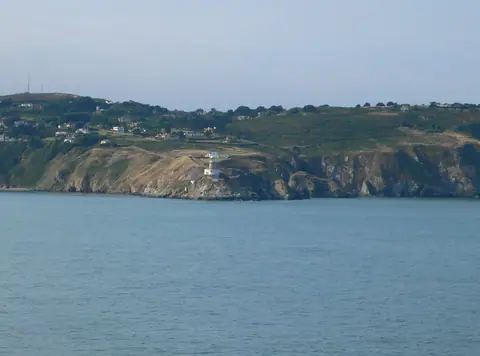
Beyond the city centre, the electrified DART railway hugs the shoreline of Dublin Bay. Within half an hour of boarding at Connolly, Tara Street, or Pearse Station, walkers can follow heather-lined sea cliffs above the Irish Sea on the Howth Peninsula or stroll the Victorian granite piers of Dún Laoghaire.
Getting there
Dublin Airport (DUB) lies ten kilometres north of the city centre near Collinstown in Fingal and has no direct rail or tram link; passengers reach the centre via Dublin Express and Aircoach motorway coaches through the Dublin Port Tunnel or TFI city buses 16 and 41. Passenger ferries from Holyhead in Wales dock at Dublin Port, while intercity trains arrive at Heuston and Connolly stations. Read our how to get to Dublin guide for full arrival routes.
Where to stay
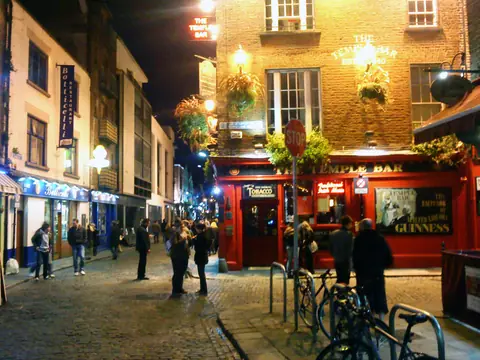
Choosing between the southside Georgian squares (postcode D02), the historic warehouse streets of The Liberties (D08), and the northside tram corridor around Smithfield (D07) shapes your daily walks. Read our where to stay in Dublin guide to compare neighbourhoods, noise levels around Temple Bar, and DART coastal bases.
Things to do
Begin in the medieval and collegiate core at Trinity College and the Book of Kells, Dublin Castle, and the free galleries around Merrion Square. Dedicate a second day to Kilmainham Gaol and the Guinness Storehouse, and a third to the Howth Cliff Walk. See our things to do in Dublin guide and 3-day itinerary.
Food and drink
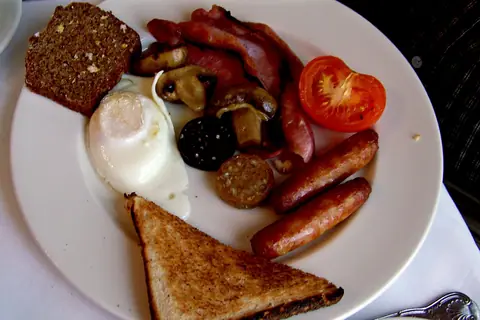
Dublin's kitchens rely on pasture-raised Irish lamb and beef, salted dairy butter, coarse wholemeal flour, and cold-water Irish Sea catch. Warm up with a bowl of traditional Irish lamb stew or beef and Guinness stew, try pan-seared potato boxty and brown soda bread, and start a coastal walking day with a full Irish breakfast.
Culture
Literature, traditional music, and political memory run through every quarter of the city. The parish streets and quays of Dublin shaped Jonathan Swift, Oscar Wilde, W. B. Yeats, Samuel Beckett, and James Joyce, whose 1922 novel Ulysses maps a single day across the city on 16 June 1904, still celebrated annually as Bloomsday.
Weather by month
Dublin is warmest in July, with average highs around 20°C, and coldest in February, when nights drop to about 3°C. October is the wettest month, with rain on about 13 days. For mild weather with fewer rainy days, aim for June and September.
| Month | Low | Range | High | Rain | Rainy days |
|---|---|---|---|---|---|
| Jan | 3°C | 8°C | 63 mm | 13 d | |
| Feb | 3°C | 9°C | 51 mm | 11 d | |
| Mar | 3°C | 11°C | 52 mm | 11 d | |
| Apr | 5°C | 13°C | 55 mm | 11 d | |
| May | 7°C | 15°C | 59 mm | 11 d | |
| Jun | 10°C | 18°C | 67 mm | 11 d | |
| Jul | 12°C | 20°C | 65 mm | 12 d | |
| Aug | 12°C | 20°C | 75 mm | 12 d | |
| Sep | 10°C | 17°C | 62 mm | 11 d | |
| Oct | 7°C | 14°C | 82 mm | 13 d | |
| Nov | 5°C | 11°C | 77 mm | 13 d | |
| Dec | 3°C | 9°C | 73 mm | 13 d |
Averages of daily values from 2015 to 2024. Rainy days are days with at least 1 mm of rain. Source: Open-Meteo · Compare destinations by month.
Dublin on the map
Every place we cover in Dublin. Tap a category or pin to explore.
In-depth Dublin guides
Browse the guides grouped by topic: sights, neighbourhoods, food, transport, day trips and trip planning.
Sights, Landmarks & Parks
Key monuments, viewpoints, museums and nature trails.
- Things to Do in Dublin: Libraries, Historic Gaols, Georgian Squares and Coastal TrailsHow to prioritise Dublin's illuminated manuscripts, state museums, 1916 Rising landmarks, literary walks, and Dublin Bay coastal excursions.
- Best Time to Visit Dublin: Month-by-Month Weather, Daylight Hours and FestivalsHow Dublin's mild maritime climate shapes daylight hours, rainfall patterns, St Patrick's Festival, Bloomsday, and coastal walking seasons.
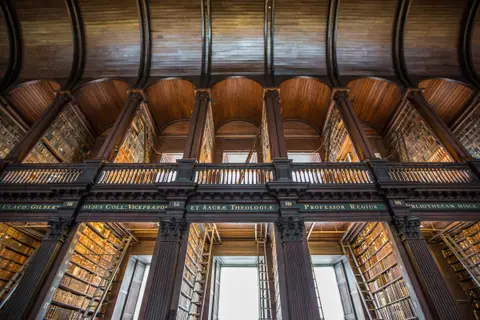
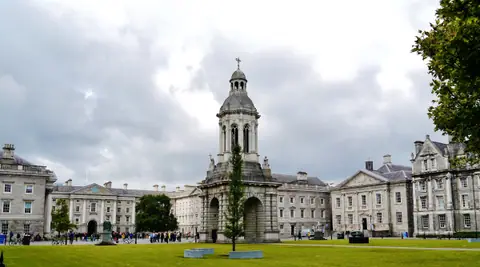
- Trinity College Dublin and the Book of Kells: Old Library Long Room and Campus SquaresHow to visit Ireland's oldest university, the ninth-century Book of Kells, the 65-metre Long Room, the Brian Boru harp, and the campus quadrangles.
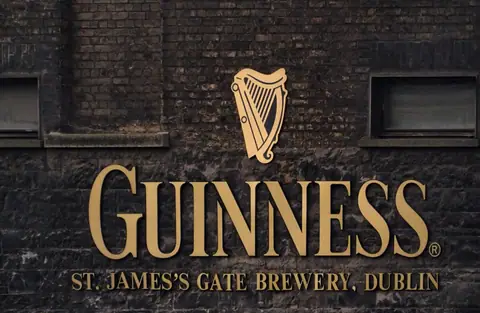
- Guinness Storehouse and The Liberties: St James's Gate, Gravity Bar and DistilleriesExploring Arthur Guinness's 1759 brewery at St James's Gate, the seven-floor Storehouse, the Gravity Bar view, and the whiskey distilleries of The Liberties.
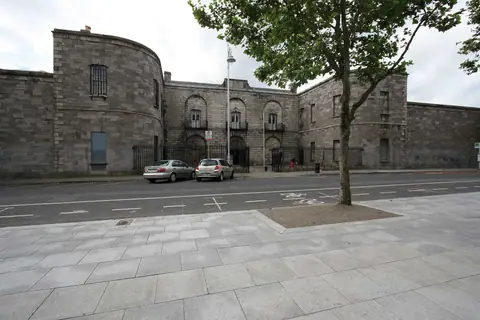
- Kilmainham Gaol and Phoenix Park: 1916 Rising History, IMMA and Fallow Deer HerdsHow to book and visit Kilmainham Gaol, explore the Royal Hospital Kilmainham (IMMA), and walk the 707-hectare walled grounds of Phoenix Park.
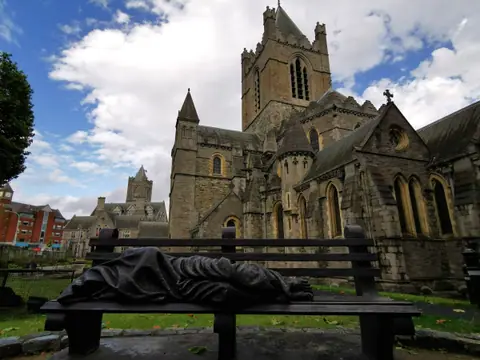
- Dublin Castle, Chester Beatty and Christ Church Cathedral: Viking and Medieval CoreA historical walking route along Dublin's medieval ridge covering Dublin Castle, the Dubh Linn Garden, Chester Beatty, Christ Church, and St Patrick's.
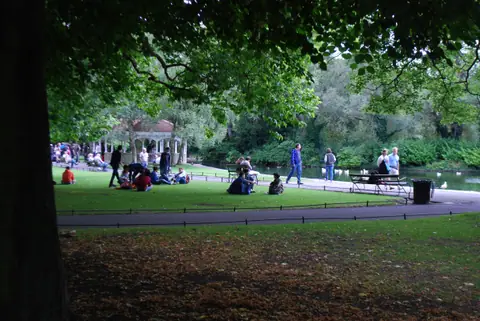
- St Stephen's Green, Merrion Square and the Free National Museums of Georgian DublinA southside walking route through St Stephen's Green, Kildare Street, Merrion Square, and Fitzwilliam Square with Dublin's free national museums.
Neighbourhoods & Where to Stay
Districts, historic quarters and the best bases for your stay.
- Dublin: River Liffey Layout, Postcodes, Leap Transit and First-Time PlanningHow Dublin divides across the River Liffey between the canals, plus Eircode postcodes, passport rules, currency, and advance booking essentials.
- Where to Stay in Dublin: St Stephen's Green, Merrion Square, Liberties and SmithfieldHow to choose the right Dublin postcode and neighbourhood between quiet Georgian squares, historic distilling lanes, and Luas or DART rail corridors.
- 3 Days in Dublin: Medieval Core, Kilmainham, Georgian Museums and Howth PeninsulaA step-by-step three-day Dublin itinerary pairing Trinity College and Dublin Castle with Kilmainham Gaol, The Liberties, Georgian squares, and Howth.
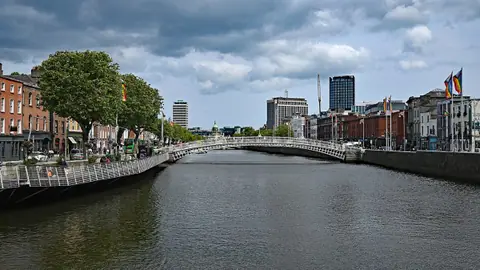
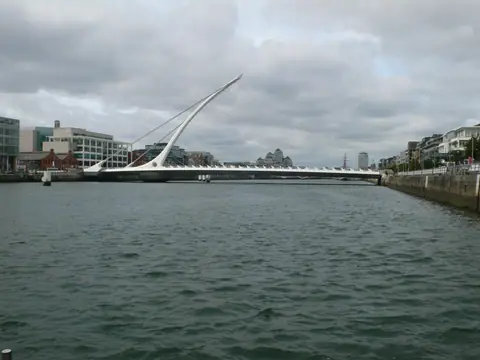
- Temple Bar and the River Liffey Bridges: Ha'penny Bridge, Cultural Quarter and QuaysHow to experience Temple Bar's daytime arts institutions and Saturday markets alongside the historic and modern bridges spanning the River Liffey.
Food & Drink
Local dishes, markets, cafés and dining districts.
Getting Around & Arrival
Airport transfers, public transit, passes and driving rules.
- How to Get to Dublin: Airport Buses, Holyhead Ferries and Intercity Rail StationsEvery arrival route into Dublin via Dublin Airport express coaches, TFI city buses, US Preclearance, Irish Sea ferries, and Heuston or Connolly rail stations.
- Getting Around Dublin: DART Coastal Trains, Luas Trams, Buses and TFI Leap CardHow to navigate Dublin on foot and using the TFI Leap Card across Luas Green and Red trams, DART coastal trains, and Dublin Bus routes.
Day Trips & Excursions
Easy half-day and full-day trips from the city.
Need your embassy or consulate in Ireland? See embassies and consulates in Ireland.
Reviews
Log in to write a review.
No reviews yet.