Photo: PatrikPaprika · CC BY-SA 4.0
Fifty Thousand Burials and the Capuchin Crypt
Inside Brno’s two historic bone sanctuaries: St James’s Ossuary (rediscovered 2001, second-largest in Europe) and the ventilated Capuchin Crypt.
Beneath Brno’s sunny coffee terraces and lively student plazas runs a silent architectural counter-world carved out of brick vaults and porous stone. Restricted by medieval city walls until the 1860s, central parishes stacked generations underground whenever cramped graveyards ran out of earth. Pairing Kostnice u sv. Jakuba (St James’s Ossuary) with the Capuchin Crypt inside a gentle 10-minute walk reveals two contrasting eighteenth-century approaches to mortality, hygiene, and Baroque faith.
Fifty Thousand Burials Beneath St James Square
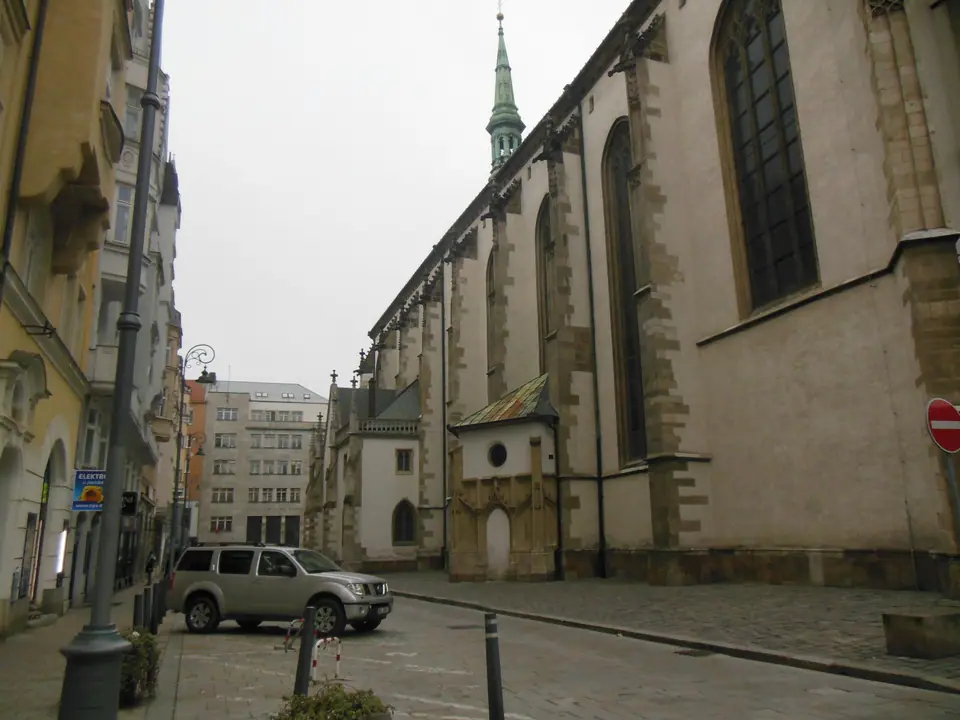
Directly underneath the cobblestone edge of Jakubské náměstí (St James Square) lies an extraordinary subterranean discovery of recent decades. In 2001, archaeological test drilling ahead of square repaving broke into three brick-vaulted underground chambers beside the late-Gothic Church of St James. Emperor Joseph II banned burials inside walled towns in 1784, and civic memory soon forgot the crypt below. Behind bricked walls waited densely stacked human remains belonging to an estimated 50,000+ individuals.
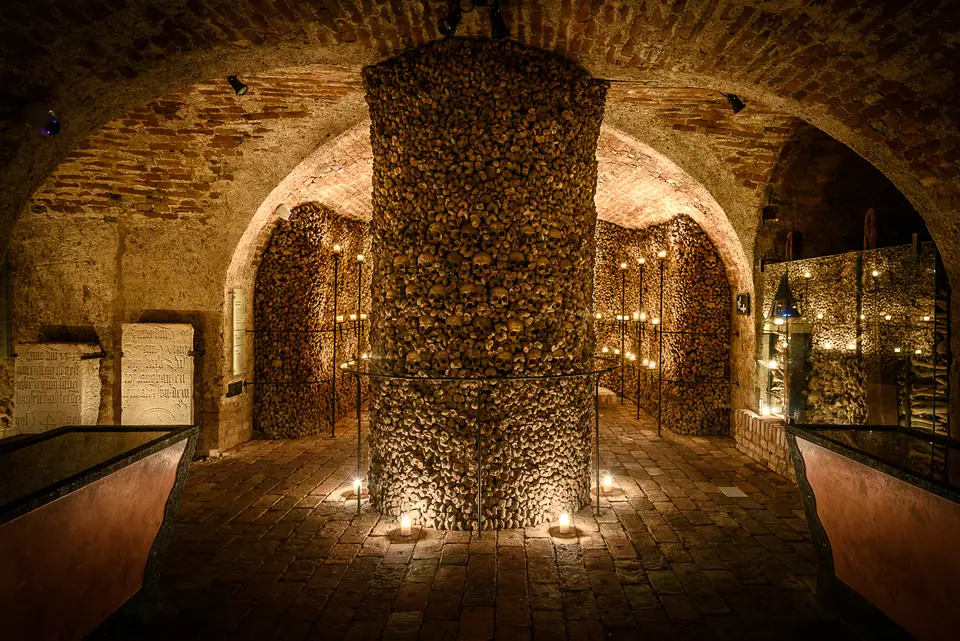
That staggering tally ranks Brno’s Kostnice (KOST-nit-seh) as the second-largest ossuary in Europe, surpassed only by the Paris Catacombs. Skeletal layers built up from the seventeenth through late eighteenth centuries. Plague outbreaks, cholera waves, and casualties from the Thirty Years’ War and 1645 Swedish siege quickly overwhelmed the small parish graveyard overhead. Rather than leaving bones scattered during successive grave clearings, gravediggers stacked skulls, femurs, and tibiae neatly along arched brick walls. Stepping back onto sunny paving afterward places you directly beside the towering buttresses of the Gothic parish nave above.
Rediscovered in 2001 beneath ordinary tram-edge cobbles, St James’s Ossuary transformed an overlooked parish vault into Europe’s second-largest bone sanctuary.
Opened carefully to visitors in June 2012 after eleven years of anthropological conservation, the chambers avoid theatrical horror props entirely. Low golden spotlights wash gently across stacked bone columns while quiet cellar acoustics absorb hushed footsteps. Original contemplative music composed for the chambers by Brno composer Miloš Štědroň underscores the slow pace. Respectful silence, zero flash photography, and small group timing preserve quiet dignity inside. Ticket desks at street level manage timed cellar entry cleanly above the paved church square. Check Brnopas inclusions if bundling entries across the historic core, and leave large packs above ground because narrow brick passages squeeze tightly between walls. Climbing back up the stone staircase creates a striking contrast as student pub tables and lively terraces fill Jakubské náměstí directly overhead.
Natural Ventilation and Baron Trenck in the Capuchin Crypt
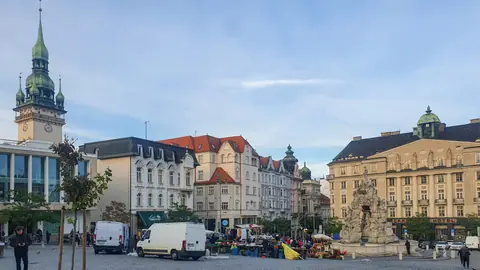
Walk ten minutes south past Zelný trh down quiet Muzejní steps onto Kapucínské náměstí. Beneath the Baroque Church of the Finding of the Holy Cross waits an entirely different funerary story. The Capuchin friars first settled outside Brno’s city gates in 1604. In 1645, city commander Jean-Louis Raduit de Souches razed their suburban priory so advancing Swedish troops could not turn outer buildings into gun nests. Granted safer land inside city limits on the old Coal Market, the order consecrated its new church and basement crypt in 1656. Quiet baroque stone terraces facing the square still anchor that calm monastic corner above passing trams, just two minutes uphill from Brno hlavní nádraží.
Between February 1656 and the 1784 imperial cemetery ban, roughly 150 Capuchin friars and 50 noble benefactors were interred here without embalming chemicals or sealed sarcophagi. After a brief wooden coffin ceremony, bodies were laid directly onto gravel beds inside simple robes with bricks tucked behind their heads. Ingenious builder monks carved dry air-circulation vents straight through the masonry walls above geological soil channels, pulling constant dry drafts across the vaults. Combined with lime-rich floor chemistry, steady airflow naturally dehydrated soft tissue into preserved mummies. No aromatic spices or chemical wraps were used anywhere inside those brick bays. Visitors stepping inside quiet burial chambers sense dry, cool stone air drifting gently through wall apertures still doing their job centuries later.
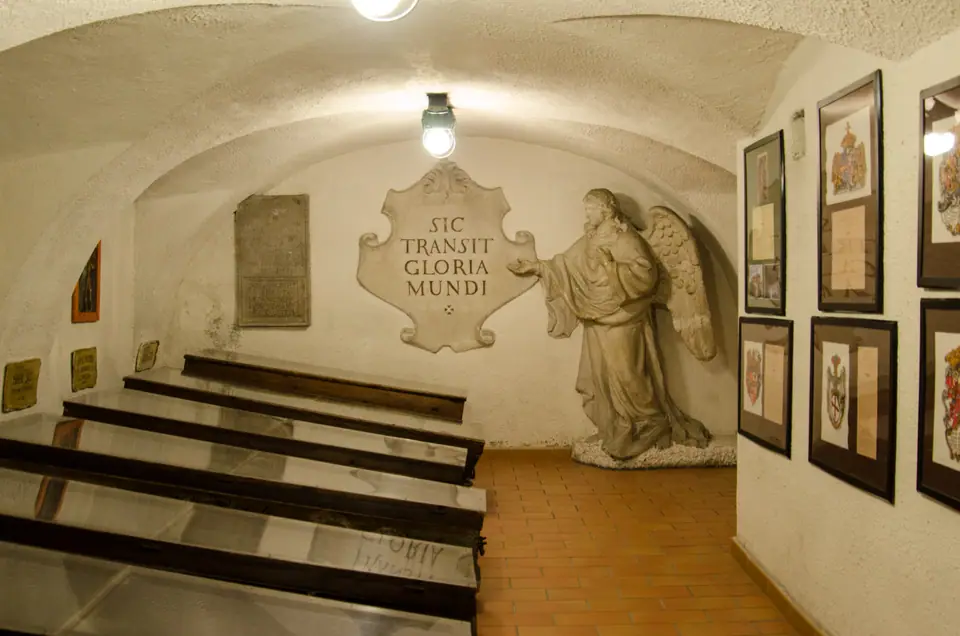
Today, visitors pass through sober whitewashed corridors marked with the Latin warning Sic transit gloria mundi toward the central crypt chapel. Inside a glass-topped tin casket rests the crypt’s most famous secular patron, notorious Pandur cavalry commander Baron František (Franz) Trenck (1711 to 1749). Pardoned from execution to life imprisonment uphill at Špilberk Castle, the volatile soldier experienced a late religious conversion. He donated generous estates to the friars in exchange for humble burial beside them. Nearby sleep members of Brno’s civic elite, including Baroque architect Mořic Grimm whose stone facades shaped eighteenth-century churches and noble houses overhead.
Pairing the Bone Sanctuaries With Medieval Market Cellars
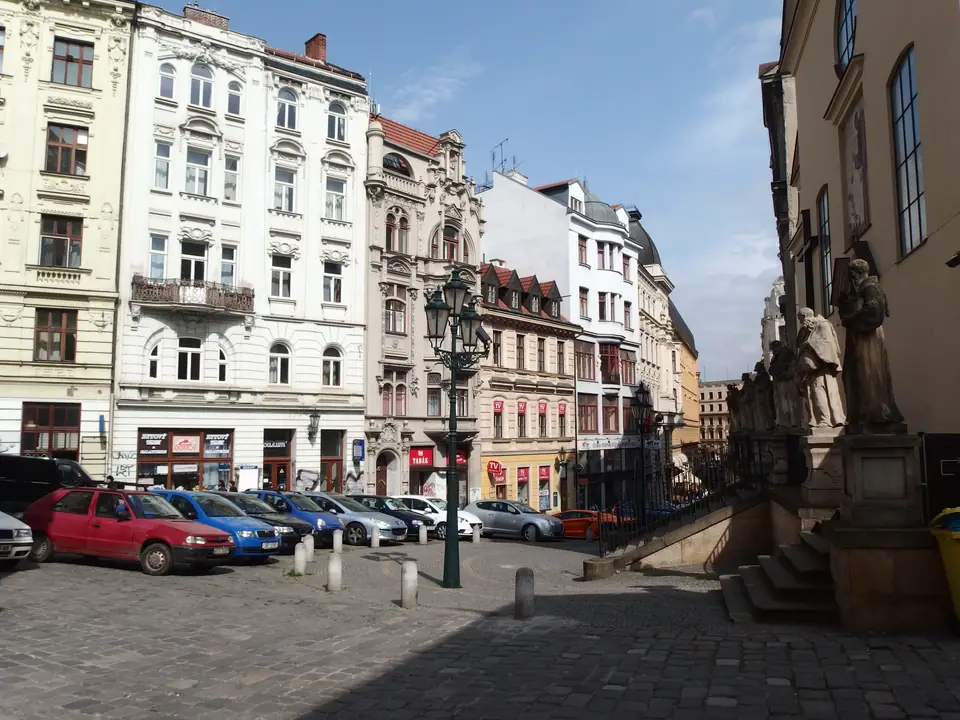
Together, both sanctuaries fill half an afternoon and sit steps from warm bakeries and espresso rooms when chilly rain sweeps Moravia. Both vaults hold cool cellar temperatures year-round and require descending worn stone stairs without lifts. Bring a light sweater even on sunny July afternoons so chilled air stays comfortable. Note that afternoon guided flows move calmly through narrow doorways, making weekday mornings noticeably quieter. If damp weather lingers, descend directly underneath neighbouring Zelný trh into the medieval Labyrint pod Zelným trhem. Nearly a kilometre of cool vaulted storehouses displays historical tavern wine barrels, alchemist benches, and market storage pits. For grand nineteenth-century scale rather than graves, ride a tram west afterward to the brick vaults of Žlutý kopec Water Reservoirs. Then resurface on Náměstí Svobody, or pause at coffee counters on Kapucínské náměstí.
Where it is
- 1Fifty Thousand Burials and the Capuchin Crypt
- Vienna International Airport (VIE) · about 120 km from here in a straight line
- Directions in Google Maps
Stations and taxi ranks: OpenStreetMap. Airports: OurAirports. Distances are in a straight line.
Traveller tips
Real advice from people who have been to Brno. Every tip is read by our team before it goes live.
No tips yet. Been here? Yours could be the first.
Thank you! Your tip will appear here after a quick review.
More in Brno
Continue exploring Brno with related neighbourhood, food, and planning guides