


























El Barranco, Río Tomebamba, Puente Roto (Broken Bridge) & Calle Larga Guide
Walk Cuenca's most scenic riverfront corridor: descend from Calle Larga down the brick staircases of El Barranco to the grassy banks of the Río Tomebamba, the 1840s Puente Roto, and CIDAP.
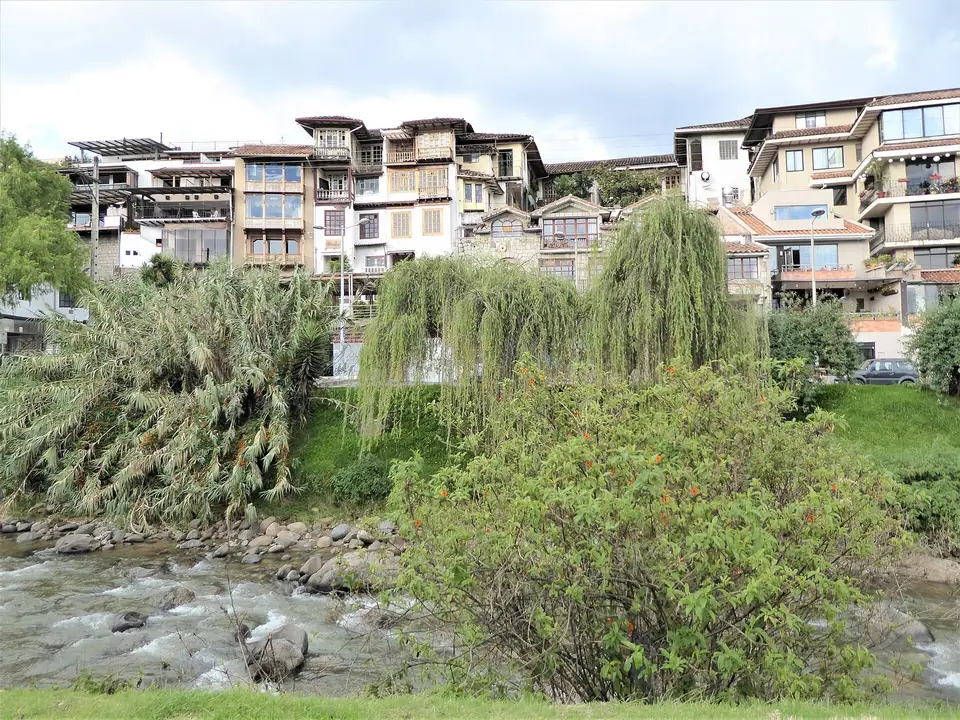
What gives Cuenca its unmistakable character among Andean colonial cities is the sudden topographical drop along its southern border. Where the 16th-century grid reaches Calle Larga, the ground plunges fifteen metres down a natural glacial terrace (El Barranco) into the boulder-strewn bed of the Río Tomebamba, creating a two-level promenade of hanging balconies, stone staircases, and riverside lawns.
1. Walking the Hanging Houses of El Barranco & the Brick Staircases (Escalinatas)
- Where Colonial Grid Meets Andean River: Between the late nineteenth and early twentieth centuries, Cuencano families built over 120 brick, adobe, and timber-framed houses along the rim of Calle Larga and Bajada de Todos Santos. Viewed from the street door on Calle Larga, these homes appear to be modest one- or two-storey town houses; viewed from the riverbank below, they reveal three to four lower levels of verandas, arcades, and gardens clinging directly to the stone cliff.
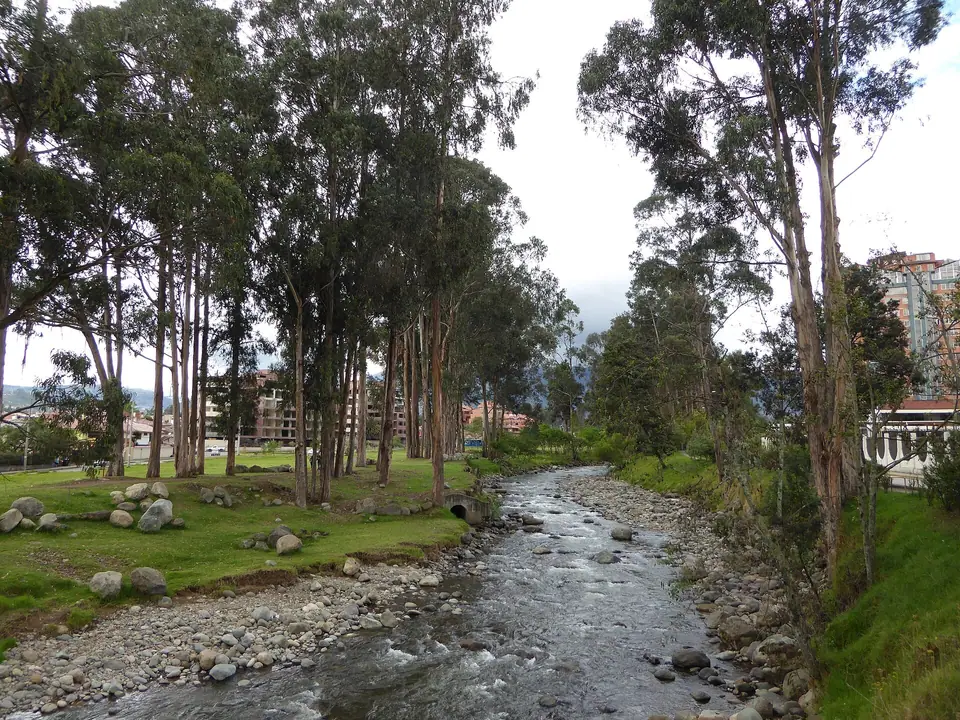
- Descending the Escalinatas to Paseo 3 de Noviembre: Four historic stone-and-brick staircases, the Escalinata Juana de Arco, the Escalinata Francisco Sojos Jaramillo (El Centenario), the Bajada del Padrón, and the Bajada de Todos Santos, zigzag down the cliff through craft shops and cafés to the tree-lined river path of Paseo 3 de Noviembre, where locals jog, sketch, and picnic on the grass beside the clear waters flowing down from Cajas National Park.
2. The Puente Roto (Broken Bridge, 1840s / 1950) & CIDAP Folk Art Museum
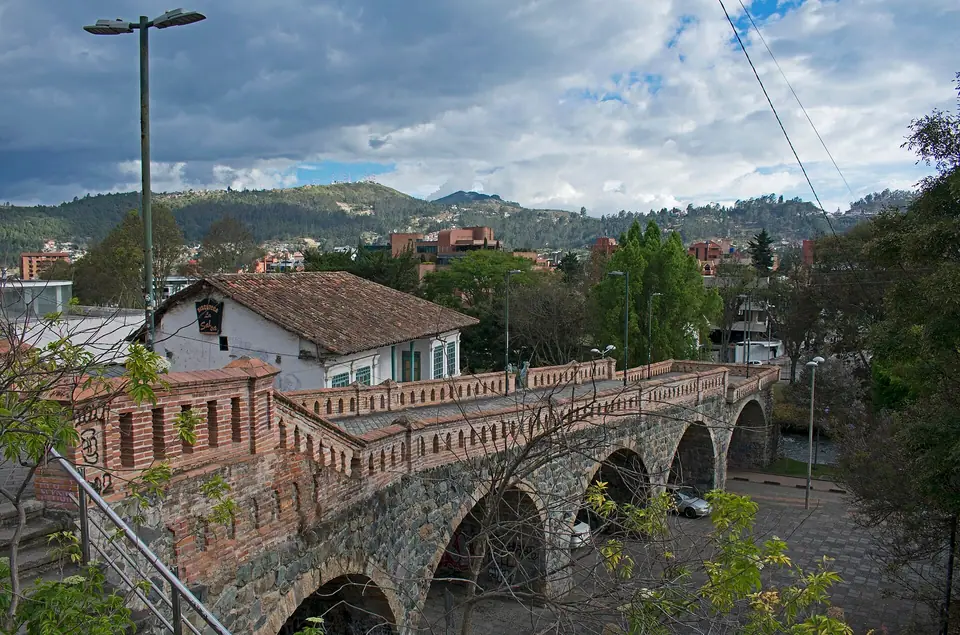
- How the 1950 Tomebamba Flood Created Cuenca's Iconic Balcony: Below the twin towers of the historic Iglesia de Todos Santos (where the first Spanish flour mill and Catholic mass in Cuenca stood in the 1550s) juts the red-brick span of the Puente Roto. Constructed in the 1840s by builder Juan María Ormaza to carry travellers south across the Tomebamba, the bridge stood intact for a century until the night of 3 April 1950, when a violent mountain storm swelled the river and tore away the southern half of the masonry arches. Preserved today as a pedestrian lookout and open-air gallery, its remaining arches offer the best upstream view of El Barranco.
- CIDAP (Inter-American Centre of Crafts and Popular Arts): Just west of the Puente Roto on Paseo 3 de Noviembre (near the Juana de Arco stairs) sits the free museum and artisan shop of CIDAP, showcasing masterworks of textile weaving, ceramics, and metalwork from across the Americas alongside Museo Remigio Crespo Toral and Museo Pumapungo along Calle Larga.
Traveller tips
Real advice from people who have been to El Barranco, Río Tomebamba, Puente Roto (Broken Bridge) & Calle Larga. Every tip is read by our team before it goes live.
No tips yet. Been here? Yours could be the first.
Thank you! Your tip will appear here after a quick review.
More in Cuenca
Continue exploring Cuenca with related neighbourhood, food, and planning guides
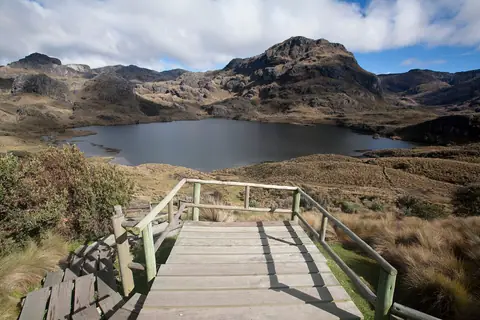
Parque Nacional Cajas Day Trip from Cuenca: Laguna Toreadora & Polylepis Forests
Cuenca, Ecuador
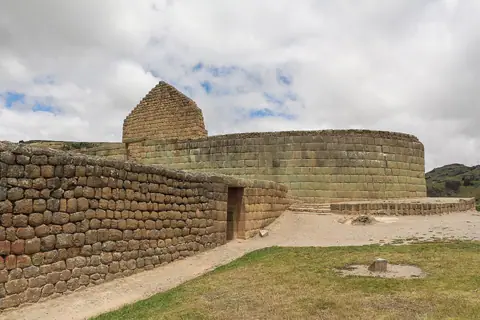
Ingapirca Inca Ruins Day Trip from Cuenca: Elliptical Temple of the Sun & Cañari Site
Cuenca, Ecuador
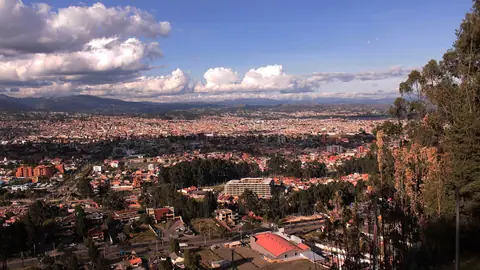
Gualaceo, Chordeleg Silver Filigree, San Bartolomé & Mirador de Turi Guide, Cuenca
Cuenca, Ecuador
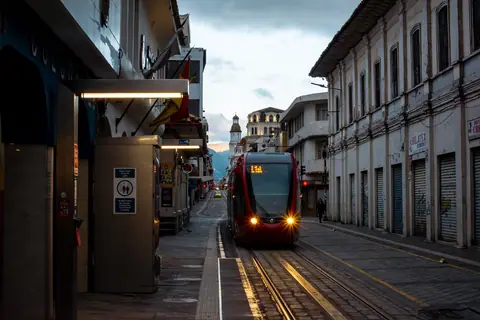
Cuenca Museums, Traditional Markets (Mercado 10 de Agosto) & Tranvía Guide
Cuenca, Ecuador
