Cuenca
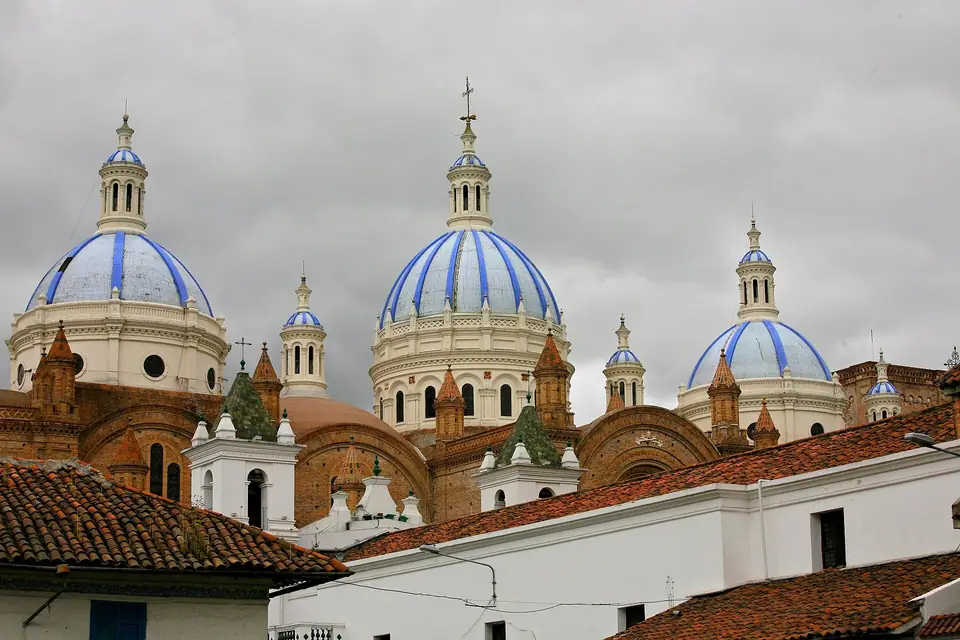
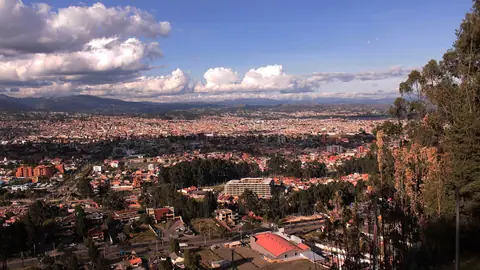
Cradled at 2,560 metres in the southern Ecuadorian Andes where four rivers carve through a fertile valley, UNESCO-listed Santa Ana de los Ríos de Cuenca pairs the sky-blue domes of its New Cathedral, the hanging mansions of El Barranco, and the Inca ruins of Pumapungo with Toquilla straw hat workshops and the 270 glacial lakes of Cajas National Park.
Quick decisions
- How many days? Spend 3 to 4 days to walk the UNESCO historic grid, climb the New Cathedral rooftop, explore Pumapungo and the Toquilla hat workshops, and take full-day trips to Parque Nacional Cajas and the Inca Temple of the Sun at Ingapirca.
- Where should I stay? Base yourself in a restored Republican courtyard mansion within three blocks of Parque Calderón, along the cliffside balcony of Calle Larga above El Barranco, or across the Río Tomebamba in leafy El Ejido.
- Do I need a car? You do not need a car inside Cuenca; the historic grid and riverbanks are completely walkable, the electric Tranvía light rail links the airport with downtown, and daily buses or guided vans run to Cajas, Ingapirca, Gualaceo, and Chordeleg.
- Best for: Spanish colonial and French Republican architecture, Inca and Cañari archaeological sites, UNESCO-recognised Toquilla straw hats, high-altitude páramo hiking, and southern Andean gastronomy.
- Before you go: At 2,560 metres above sea level (rising above 4,100 metres in Cajas National Park), pack layers for warm Andean sunshine by day and crisp mountain air after sunset, plus a waterproof windbreaker.
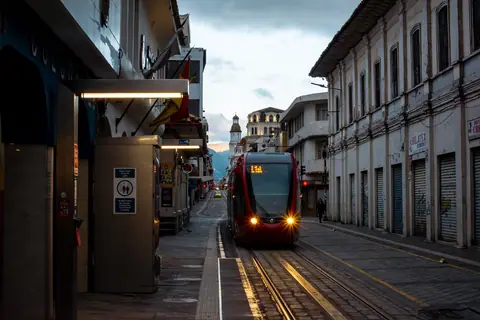
- Getting around: Walk everywhere between Calle Gran Colombia and the Río Tomebamba, ride the red Tranvía de Cuenca along the east-west heritage axis, and use yellow metered taxis at night.
- Continue your trip: Travel west across the Cajas pass to Guayaquil (3.5 to 4 hours) for Galápagos flights, or fly north in 45 minutes to Quito.
Overview
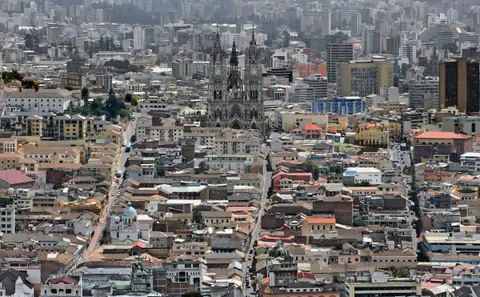
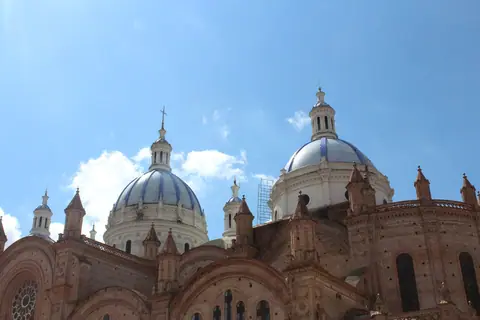
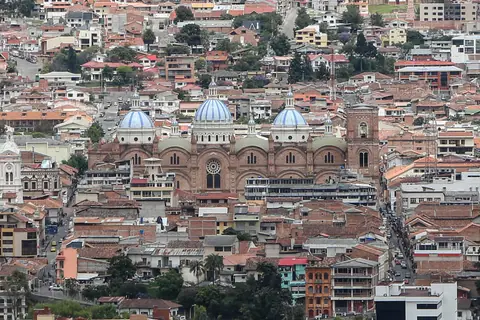
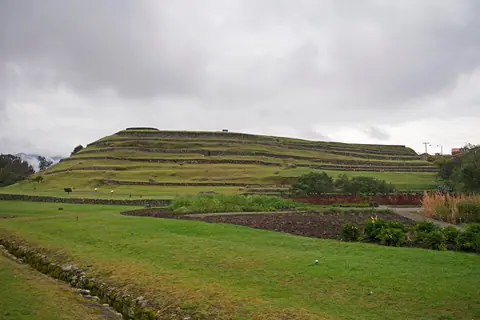
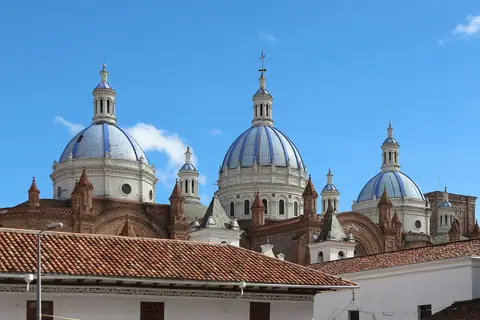
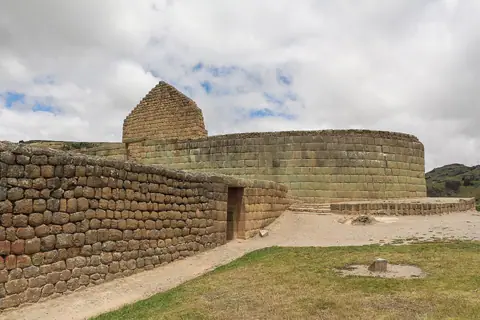
Resting at 2,560 metres (8,400 feet) in an inter-Andean basin watered by four clear mountain rivers, the Río Tomebamba, Río Yanuncay, Río Tarqui, and Río Machángara, Santa Ana de los Ríos de Cuenca is Ecuador's third-largest city and its cultural heartland. Long before Spanish explorer Gil Ramírez Dávalos laid out the orthogonal colonial grid on 12 April 1557, this broad valley was the indigenous Cañari settlement of Guapondélig ("plain as wide as the sky") and later the northern imperial capital of Tomebamba (Tumipampa) built by Inca emperors Túpac Yupanqui and Huayna Cápac. Inscribed as a UNESCO World Heritage Site in 1999, Cuenca enchants visitors with the three sky-blue Czechoslovakian tile domes of its New Cathedral overlooking Parque Calderón, the flower stalls of the Plaza de las Flores, the 19th-century hanging houses of El Barranco above the rushing Tomebamba, the terraced Inca ruins of Pumapungo, the centuries-old craft of weaving Toquilla straw hats ("Panama hats"), and easy day trips to the glacial lakes of Parque Nacional Cajas and the elliptical Inca Temple of the Sun at Ingapirca.
Getting there
Where to stay
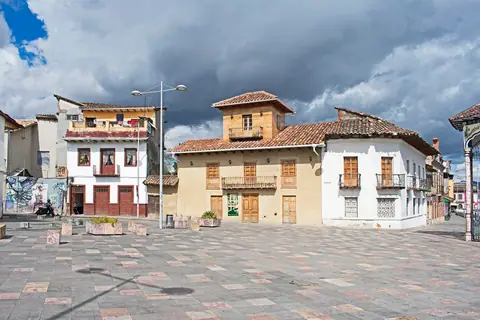
Stay in a 19th-century courtyard mansion around Parque Calderón and Plaza de las Flores, on the river cliff along Calle Larga and El Barranco, or in the green university district of El Ejido south of the Río Tomebamba.
Things to do
Climb the rooftop of the New Cathedral and visit the 1557 Old Cathedral, walk the riverbank along El Barranco and Puente Roto, tour the Inca terraces of Museo Pumapungo, see how Toquilla straw hats are finished, and hike in Parque Nacional Cajas or Ingapirca.
Food and drink
Savour hominy corn mote pillo, mote sucio, slow-roasted chancho hornado at Mercado 10 de Agosto, creamy potato locro, and herbal agua de pitimas prepared by the Carmelite nuns at the Plaza de las Flores.
Culture
Celebrate Cuenca's Independence every 3 November during the four-day artisan fairs along the Río Tomebamba, or witness the colourful 24 December Pase del Niño Viajero procession along Calle Simón Bolívar.
Weather by month
Cuenca is warmest in October, with average highs around 22°C, and coldest in July, when nights drop to about 8°C. April is the wettest month, with rain on about 16 days. For mild weather with fewer rainy days, aim for June, July, August and September.
| Month | Low | Range | High | Rain | Rainy days |
|---|---|---|---|---|---|
| Jan | 11°C | 21°C | 84 mm | 12 d | |
| Feb | 11°C | 21°C | 91 mm | 13 d | |
| Mar | 11°C | 21°C | 105 mm | 15 d | |
| Apr | 11°C | 21°C | 112 mm | 16 d | |
| May | 10°C | 20°C | 84 mm | 12 d | |
| Jun | 9°C | 19°C | 56 mm | 8 d | |
| Jul | 8°C | 19°C | 49 mm | 7 d | |
| Aug | 8°C | 20°C | 42 mm | 6 d | |
| Sep | 9°C | 21°C | 63 mm | 9 d | |
| Oct | 10°C | 22°C | 91 mm | 13 d | |
| Nov | 10°C | 22°C | 84 mm | 12 d | |
| Dec | 11°C | 22°C | 84 mm | 12 d |
Averages of daily values from 2015 to 2024. Rainy days are days with at least 1 mm of rain. Source: Open-Meteo · Compare destinations by month.
Cuenca on the map
Every place we cover in Cuenca. Tap a category or pin to explore.
In-depth Cuenca guides
Browse the guides grouped by topic: sights, neighbourhoods, food, transport, day trips and trip planning.
Sights, Landmarks & Parks
Key monuments, viewpoints, museums and nature trails.
- 12 Best Things to Do in Cuenca: Blue Domes, El Barranco, Pumapungo & CajasDiscover the 12 best things to do in Cuenca, Ecuador: climb to the blue domes of the New Cathedral, stroll the Plaza de las Flores and El Barranco, explore Pumapungo Inca ruins, and hike in Cajas National Park.
- Best Time to Visit Cuenca: Eternal Andean Spring, Cajas Hiking & November FiestasMonth-by-month weather guide to Cuenca using official 1991-2020 INAMHI/WMO climate normals: plan around year-round 20°C spring temperatures, the dry June-September hiking window, and the November fiestas.
- 3 Days in Cuenca Itinerary: Blue Domes, Pumapungo, Panama Hats, Cajas & IngapircaPlan the perfect 3 days in Cuenca, Ecuador: explore Parque Calderón, the New and Old Cathedrals, El Barranco, and Pumapungo on Day 1, Toquilla hat workshops and Chordeleg on Day 2, and Cajas or Ingapirca on Day 3.
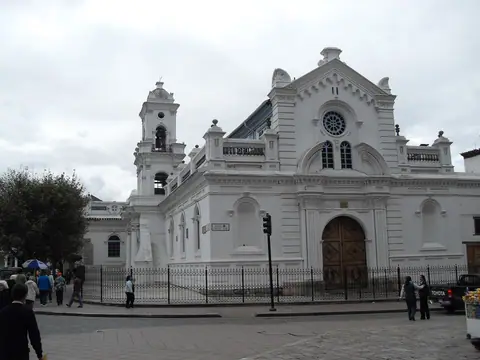
- Parque Calderón, New Cathedral Blue Domes, Old Cathedral & Plaza de las Flores GuideExplore the monumental heart of Cuenca: climb the 155 steps to the blue domes of the Catedral de la Inmaculada Concepción, tour the 1557 Old Cathedral across Parque Calderón, and visit the Plaza de las Flores.
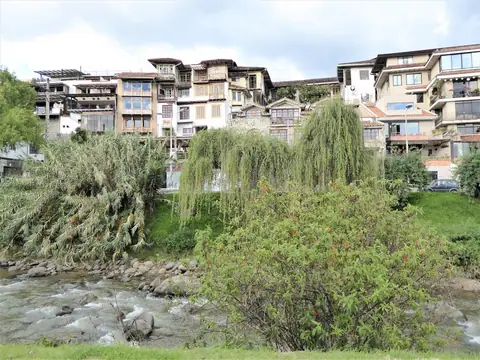
- El Barranco, Río Tomebamba, Puente Roto (Broken Bridge) & Calle Larga GuideWalk Cuenca's most scenic riverfront corridor: descend from Calle Larga down the brick staircases of El Barranco to the grassy banks of the Río Tomebamba, the 1840s Puente Roto, and CIDAP.
- Museo Pumapungo (Inca Tomebamba Ruins) & Museo de las Conceptas Guide, CuencaExplore Cuenca's Inca and colonial heritage: walk the stone agricultural terraces, ritual baths, and ethnobotanical gardens of Inca Tomebamba at Museo Pumapungo, and tour the 1599 Museo de las Conceptas.
- Toquilla Straw Hats ('Panama Hats') in Cuenca: UNESCO Craft, Workshops & MuseumsDiscover the true Ecuadorian origin of the world-famous 'Panama hat': learn how UNESCO-listed Toquilla straw hats (sombreros de paja toquilla) are woven in Azuay and finished at Cuenca's historic workshops.
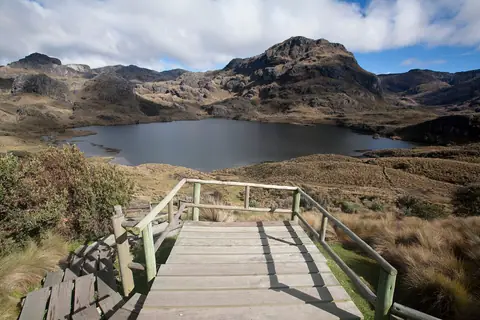
- Parque Nacional Cajas Day Trip from Cuenca: Laguna Toreadora & Polylepis ForestsPlan a day trip from Cuenca to Parque Nacional Cajas: hike at 3,920m around Laguna Toreadora, wander through twisted paper-bark Polylepis forests, cross the 4,167m Tres Cruces pass, and visit Llaviucu.
- Cuenca Museums, Traditional Markets (Mercado 10 de Agosto) & Tranvía GuideExplore Cuenca's everyday cultural life: ride the red electric Tranvía across the UNESCO grid, visit the Modern Art Museum and Remigio Crespo Toral mansion, and experience Mercado 10 de Agosto.

Neighbourhoods & Where to Stay
Districts, historic quarters and the best bases for your stay.
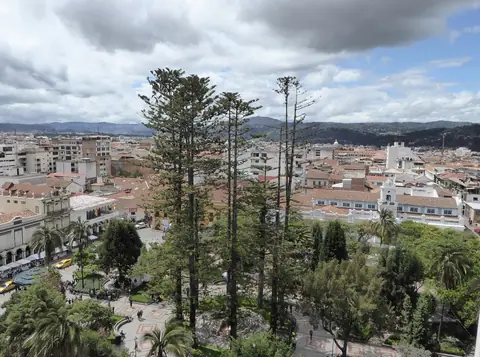
- Cuenca: Four Rivers, UNESCO Colonial Grid & El Barranco LayoutPlan your visit to Cuenca, Ecuador: understand how the UNESCO colonial damero grid around Parque Calderón, the hanging houses of El Barranco on the Río Tomebamba, and El Ejido fit together.
- Where to Stay in Cuenca: Parque Calderón, Calle Larga (El Barranco) & El EjidoCompare the best areas to stay in Cuenca, Ecuador: 19th-century courtyard mansions around Parque Calderón, river-view boutique hotels along Calle Larga and El Barranco, or leafy El Ejido.
Food & Drink
Local dishes, markets, cafés and dining districts.

Getting Around & Arrival
Airport transfers, public transit, passes and driving rules.

Day Trips & Excursions
Easy half-day and full-day trips from the city.
- Ingapirca Inca Ruins Day Trip from Cuenca: Elliptical Temple of the Sun & Cañari SiteVisit Ecuador's largest pre-Columbian archaeological complex on a day trip from Cuenca: explore the mortarless elliptical Inca Temple of the Sun, Cañari tombs, and the Qhapaq Ñan trail at Ingapirca.
- Gualaceo, Chordeleg Silver Filigree, San Bartolomé & Mirador de Turi Guide, CuencaExplore Cuenca's surrounding artisan valleys and viewpoints: see silver filigree in UNESCO-listed Chordeleg, ikat macana shawls in Gualaceo, handmade guitars in San Bartolomé, and sunset at Mirador de Turi.
Reviews
Log in to write a review.
No reviews yet.