


























Parque Nacional Cajas Day Trip from Cuenca: Laguna Toreadora & Polylepis Forests
Plan a day trip from Cuenca to Parque Nacional Cajas: hike at 3,920m around Laguna Toreadora, wander through twisted paper-bark Polylepis forests, cross the 4,167m Tres Cruces pass, and visit Llaviucu.
Just thirty kilometres (thirty-five minutes by bus or car) west of Parque Calderón along Highway E582, the red clay roofs of Cuenca give way to an otherworldly Ice Age landscape of U-shaped glacial valleys, jagged volcanic ridges, and mist-draped moorlands. Covering 28,544 hectares between 3,160 and 4,445 metres above sea level, Parque Nacional Cajas (a Ramsar Wetland of International Importance and core of the UNESCO Macizo del Cajas Biosphere Reserve) protects more than 270 high-altitude glacial lakes and lagoons.
1. Laguna Toreadora (3,920m), Polylepis Paper-Bark Forests & Tres Cruces (4,167m)
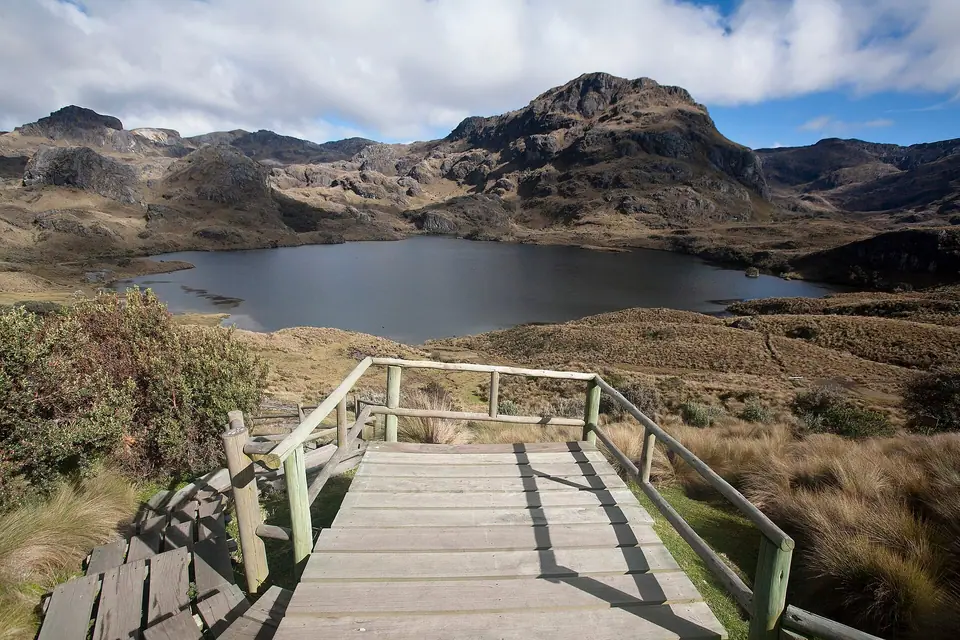
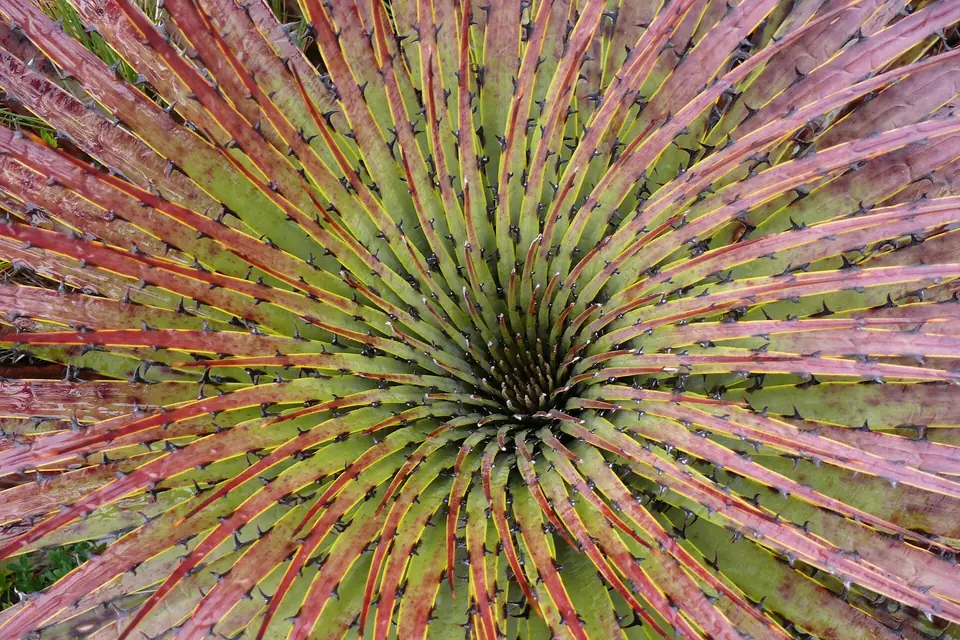
- Starting at the Laguna Toreadora Visitor Centre (Sector Toreadora): Every hiker signs in at the park ranger station and refuge beside Laguna Toreadora (3,920m) right off the main Cuenca-Molleturo highway (registration is free). Even if you only have an hour, the well-marked Route 1 shoreline trail offers immediate close-up views of cushion plants, orange Chuquiraga ("flower of the Andes") shrubs, giant Puya bromeliads, and teal ducks swimming across the cold mirror-like water.
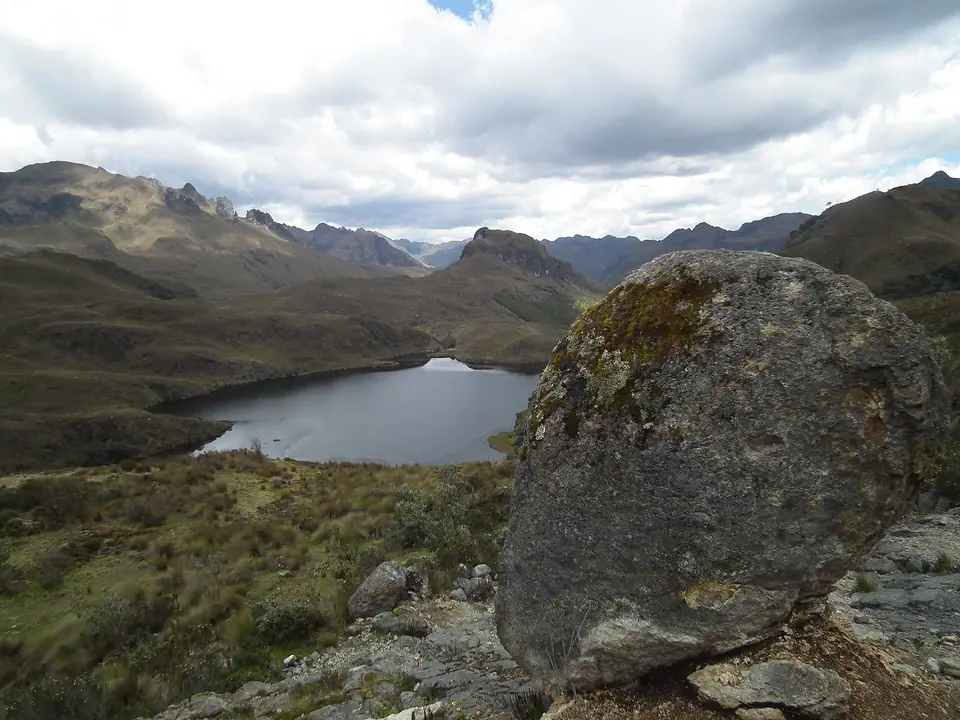
- Hiking Through the Enchanted Paper-Bark Polylepis Forests: The park's classic half-day hike (3 to 4 hours, linking Laguna Toreadora with Laguna Unidas, Laguna Tinguishcocha, and Laguna Mamamag along an Inca-era stone path) threads through sheltered ravines filled with Polylepis (árbol de papel or quinua). Capable of growing above 4,000 metres, making them the highest-altitude native woodland on Earth, these ancient, gnarled trees shed dozens of layers of translucent cinnamon-coloured papery bark to insulate their trunks against night frosts.
- Crossing the Continental Divide at Tres Cruces (4,167m): Five minutes west of Toreadora along the highway rises the viewpoint of Tres Cruces, marking the continental watershed: streams on the western slope plunge toward the Pacific Ocean at Guayaquil, while streams on the eastern slope feed the Río Tomebamba and Río Yanuncay, flowing through Cuenca all the way to the Amazon River and the Atlantic Ocean.
2. Lower Valley Option: Laguna Llaviucu (3,160m) & How to Go
- Laguna Llaviucu (Zorrogucho, 16 km from Cuenca): If you prefer a gentler altitude (3,160 metres) and warmer montane forest scenery, turn off the highway fifteen minutes outside Cuenca into the glacial valley of Laguna Llaviucu. A flat, easy two-hour loop circles the reed-lined lake, a premier birdwatching habitat for Andean hummingbirds (including the endemic Violet-throated Metaltail).
- Getting There & Packing Essentials: Catch any westbound Occidental or Guayaquil-bound bus from Cuenca's Terminal Terrestre (or Feria Libre) and ask the driver to drop you at Laguna Toreadora; wear waterproof hiking boots (the spongy páramo soil holds water year-round), warm gloves, a windproof rain jacket, and sun protection.
Traveller tips
Real advice from people who have been to Parque Nacional Cajas Day Trip from Cuenca: Laguna Toreadora & Polylepis Forests. Every tip is read by our team before it goes live.
No tips yet. Been here? Yours could be the first.
Thank you! Your tip will appear here after a quick review.
More in Cuenca
Continue exploring Cuenca with related neighbourhood, food, and planning guides
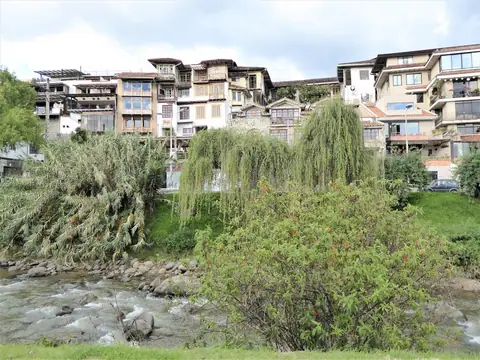
El Barranco, Río Tomebamba, Puente Roto (Broken Bridge) & Calle Larga Guide
Cuenca, Ecuador
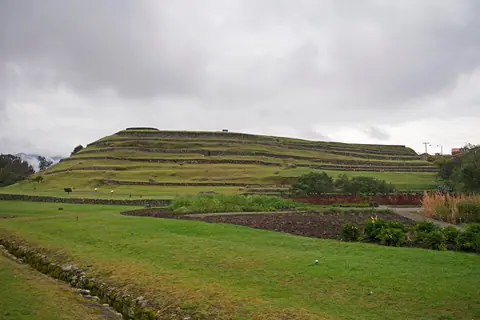
Museo Pumapungo (Inca Tomebamba Ruins) & Museo de las Conceptas Guide, Cuenca
Cuenca, Ecuador

Toquilla Straw Hats ('Panama Hats') in Cuenca: UNESCO Craft, Workshops & Museums
Cuenca, Ecuador
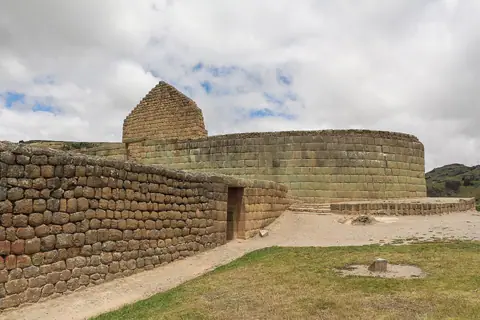
Ingapirca Inca Ruins Day Trip from Cuenca: Elliptical Temple of the Sun & Cañari Site
Cuenca, Ecuador
