


























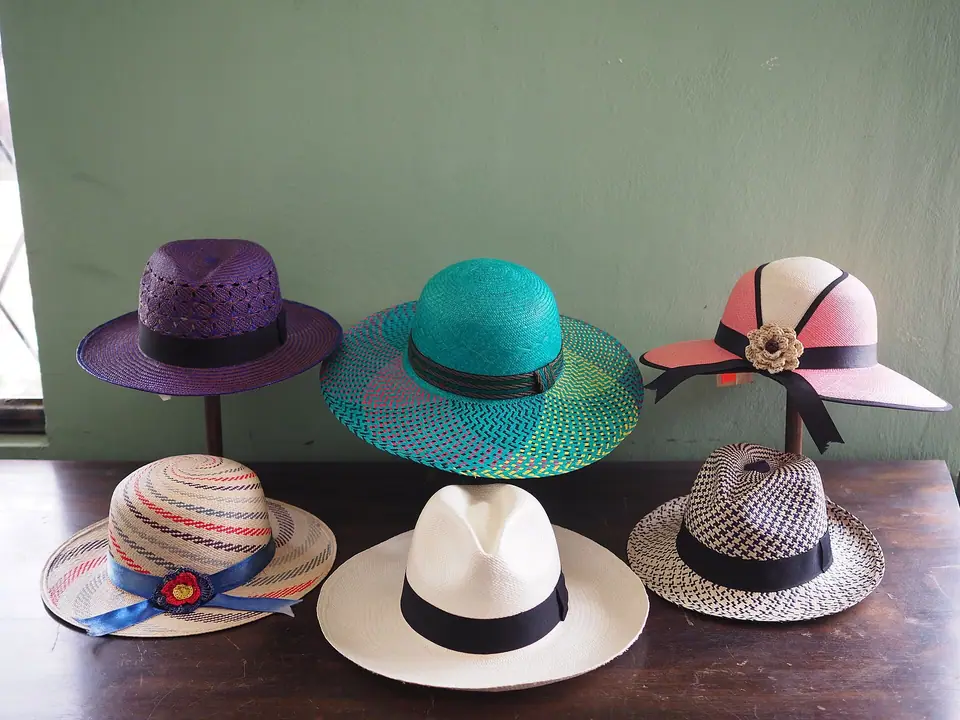
Toquilla Straw Hats ('Panama Hats') in Cuenca: UNESCO Craft, Workshops & Museums
Discover the true Ecuadorian origin of the world-famous 'Panama hat': learn how UNESCO-listed Toquilla straw hats (sombreros de paja toquilla) are woven in Azuay and finished at Cuenca's historic workshops.
One of travel's most famous geographical myths is that the classic white, black-banded "Panama hat" comes from Panama. In reality, every authentic sombrero de paja toquilla has been handwoven in Ecuador for centuries; the name stuck only because 19th-century California gold-rush prospectors and early-20th-century Panama Canal engineers (most famously US President Theodore Roosevelt in 1906) bought hats shipped north from Ecuadorian ports through the Isthmus of Panama. In December 2012, UNESCO inscribed the Traditional Weaving of the Ecuadorian Toquilla Straw Hat as Intangible Cultural Heritage of Humanity, and Cuenca is the historic centre of the craft's finishing and export.
1. How a Toquilla Straw Hat Travels from Coastal Palm to Cuenca Workshop
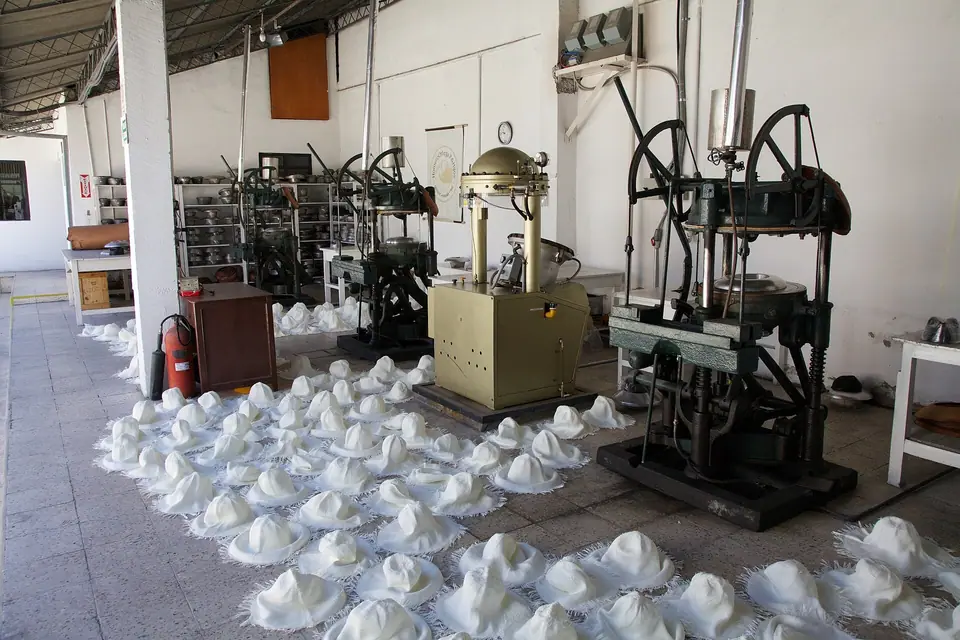
- From Carludovica palmata Fibre to Rural Azuay Weavers: The raw material grows in the humid coastal hills of Manabí and Santa Elena provinces: the young, unopened green shoots of a palm-like plant called Carludovica palmata (paja toquilla). Harvested, split into thin threads, boiled in water, and sun-dried to an ivory colour, bundles of straw are brought up into the southern Andean villages surrounding Cuenca, especially Sígsig, Chordeleg, Gualaceo, and Biblián (while ultra-fine llano weaves are produced on the coast in Montecristi). Working by hand without looms for anywhere from two days to several months, rural women and men braid the crown and brim into an unfinished bell-shaped hood called a campana, leaving long loose straw fringes around the edge.
- The Six Finishing Steps in Cuenca (El Azocamiento, Blanqueo y Hormado): Once the woven campanas arrive in Cuenca's family workshops, master finishers (rematadores) tighten the brim weave (azocar), trim the excess straw, wash and bleach (or naturally dye) the hat, pound the fibres smooth with a heavy wooden mallet (maceteado), press it with hot irons over carved wooden hat blocks (hormas) to create Fedora, Borsalino, Gambler, or Plantation silhouettes, and sew in the sweatband and ribbon.
2. Where to Visit Hat Workshops & Museums in Cuenca
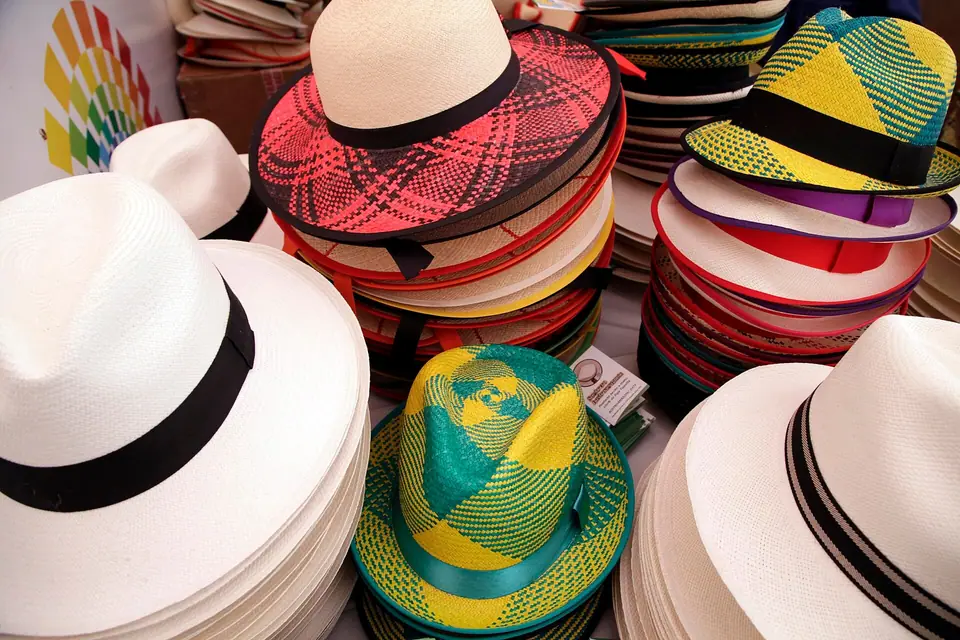
- Museo del Sombrero de Paja Toquilla Paredes Roldán (Calle Larga 10-41, El Barranco): Housed in a restored century-old family building overlooking the Río Tomebamba right on Calle Larga, this free workshop-museum lets you walk past antique cast-iron hydraulic presses and wooden blocks, watch artisans shaping hats step by step, try on different grades and brims, and enjoy a coffee on the rear balcony above the river.
- Museo del Sombrero Homero Ortega (Av. Gil Ramírez Dávalos 3-86, near the Terminal Terrestre): Founded by one of Cuenca's oldest five-generation hat-exporting dynasties, the Homero Ortega museum offers guided walkthroughs of its working production floor and historical exhibition gallery.
Traveller tips
Real advice from people who have been to Toquilla Straw Hats ('Panama Hats') in Cuenca: UNESCO Craft, Workshops & Museums. Every tip is read by our team before it goes live.
No tips yet. Been here? Yours could be the first.
Thank you! Your tip will appear here after a quick review.
More in Cuenca
Continue exploring Cuenca with related neighbourhood, food, and planning guides
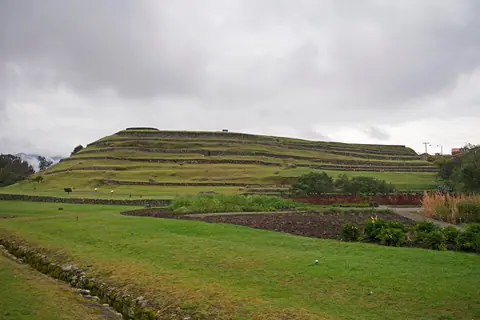
Museo Pumapungo (Inca Tomebamba Ruins) & Museo de las Conceptas Guide, Cuenca
Cuenca, Ecuador
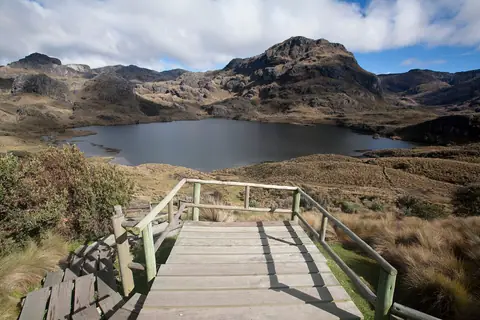
Parque Nacional Cajas Day Trip from Cuenca: Laguna Toreadora & Polylepis Forests
Cuenca, Ecuador
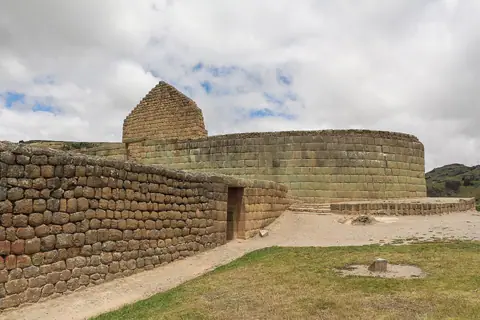
Ingapirca Inca Ruins Day Trip from Cuenca: Elliptical Temple of the Sun & Cañari Site
Cuenca, Ecuador
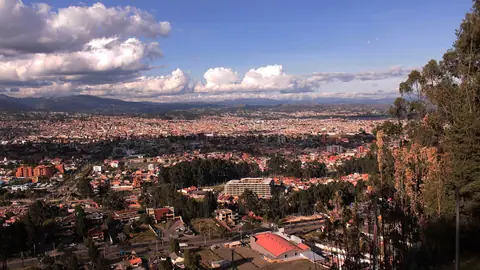
Gualaceo, Chordeleg Silver Filigree, San Bartolomé & Mirador de Turi Guide, Cuenca
Cuenca, Ecuador
