


























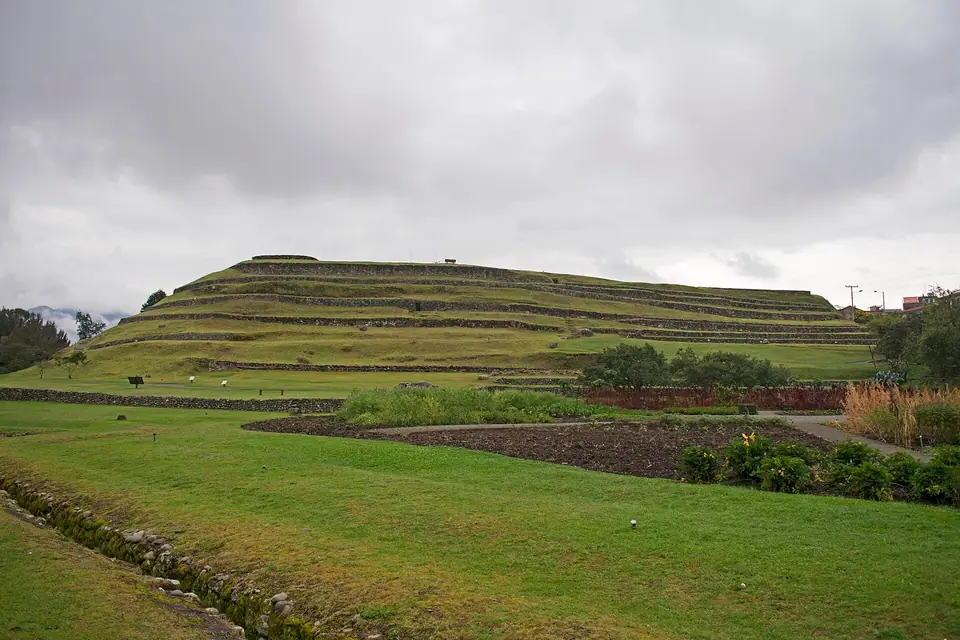
Museo Pumapungo (Inca Tomebamba Ruins) & Museo de las Conceptas Guide, Cuenca
Explore Cuenca's Inca and colonial heritage: walk the stone agricultural terraces, ritual baths, and ethnobotanical gardens of Inca Tomebamba at Museo Pumapungo, and tour the 1599 Museo de las Conceptas.
Before Spanish conquistadors founded Cuenca in 1557, this valley was home to Tomebamba (Tumipampa), the dazzling northern imperial capital of the Inca Empire where emperor Huayna Cápac was born and which chronicler Pedro Cieza de León compared in splendour to Cusco itself. Although much of Tomebamba's dressed stone was dismantled during the Inca civil war between Huáscar and Atahualpa and reused in colonial churches, its sacred administrative core survives intact at the eastern end of Calle Larga inside the Museo y Parque Arqueológico Pumapungo.
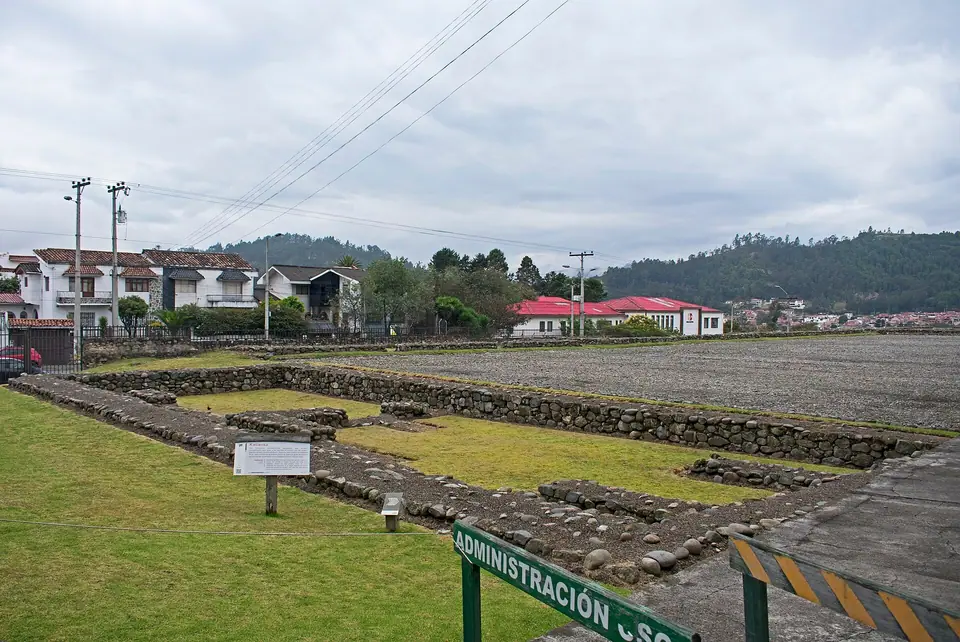
1. The Inca Terraces, Ritual Baths, Tunnel & Acllahuasi
Stepping out onto the rear terrace of the Central Bank museum building (Calle Larga and Avenida Huayna Cápac) reveals the four-hectare archaeological park of Pumapungo. Paved paths wind down the hillside past the foundations of the Coricancha (Temple of the Sun), the walled compounds of the Acllahuasi (Convent of the Chosen Women of the Sun), a 30-metre stone-lined subterranean mausoleum tunnel, and stepped agricultural terraces fed by an original Inca stone irrigation canal and ceremonial bathing pools.
2. Ethnobotanical Garden & Rescued Andean Birds
At the base of the Inca terraces, an ethnobotanical living park cultivates over 300 native Andean plant species (including heritage maize, quinoa, medicinal herbs, and fruit trees) beside a wildlife rescue aviary caring for rehabilitated Andean condors, harpy eagles, toucans, and scarlet macaws.
3. The National Ethnographic Galleries
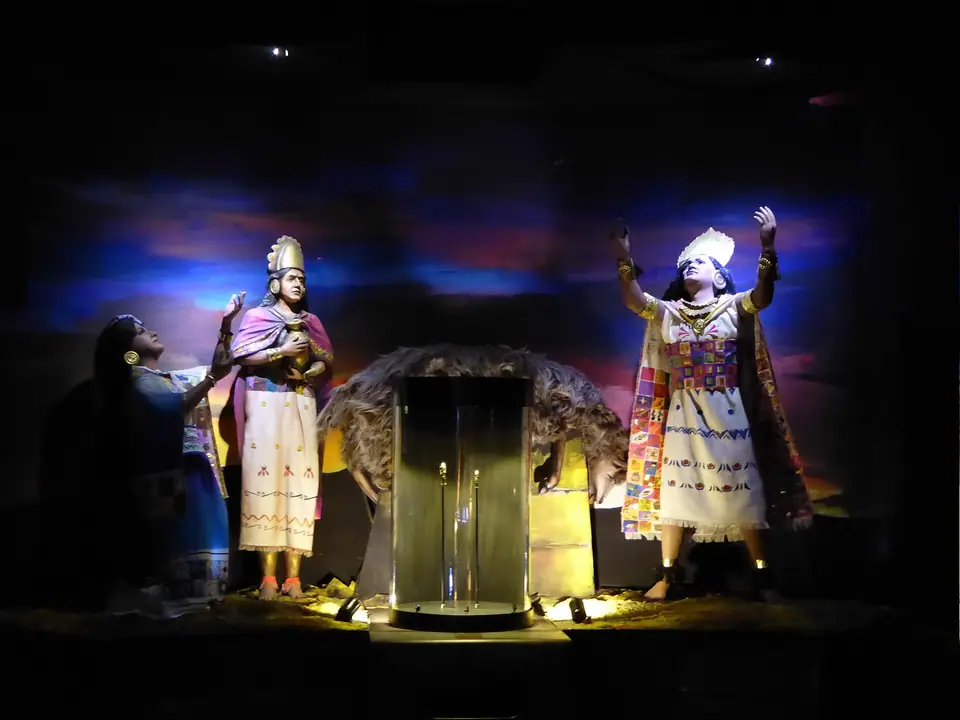
Inside the museum building itself, the second-floor National Ethnographic Exhibition presents the homes, textiles, musical instruments, and spiritual traditions of Ecuador's coastal, Andean (Cañari, Otavalo, and Saraguro), and Amazonian (Shuar and Waorani) peoples; check the official Pumapungo portal for current Tuesday-to-Sunday visiting schedules.
4. Museo de las Conceptas (1599 Royal Monastery of the Immaculate Conception)
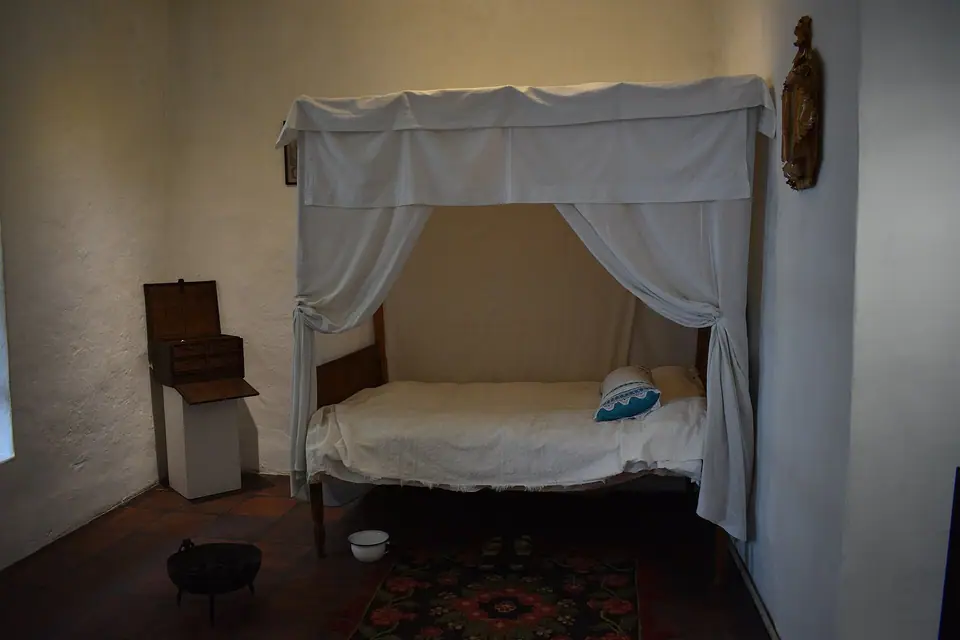
Four blocks north-west of Pumapungo in the historic centre stands the Monasterio Real de la Inmaculada Concepción, founded in 1599. Its former two-storey convent infirmary around a tranquil herb courtyard now houses the Museo de las Conceptas, displaying 17th- and 18th-century Quito and Cuenca School religious paintings and polychrome wood sculptures by Gaspar Sangurima.
5. The Cloister Novices' Dowry Toys (Los Juguetes)
Do not miss the poignant upper-floor collection of handmade porcelain dolls, wooden dogs, and miniature furniture (juguetes) that young novices brought with them as dowry keepsakes when entering the lifelong cloister.
Traveller tips
Real advice from people who have been to Museo Pumapungo (Inca Tomebamba Ruins) & Museo de las Conceptas Guide, Cuenca. Every tip is read by our team before it goes live.
No tips yet. Been here? Yours could be the first.
Thank you! Your tip will appear here after a quick review.
More in Cuenca
Continue exploring Cuenca with related neighbourhood, food, and planning guides
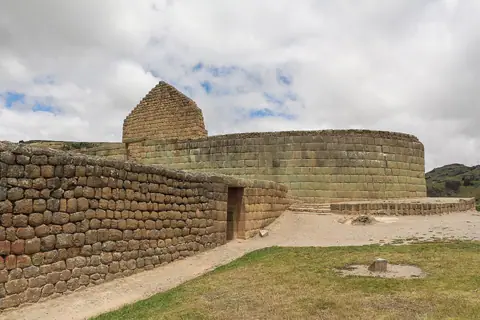
Ingapirca Inca Ruins Day Trip from Cuenca: Elliptical Temple of the Sun & Cañari Site
Cuenca, Ecuador
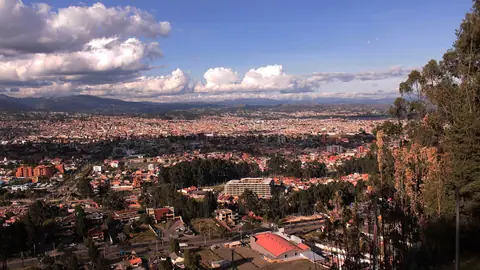
Gualaceo, Chordeleg Silver Filigree, San Bartolomé & Mirador de Turi Guide, Cuenca
Cuenca, Ecuador
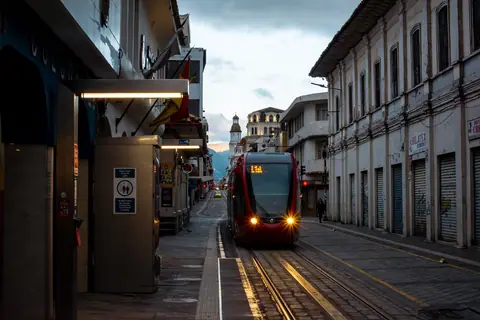
Cuenca Museums, Traditional Markets (Mercado 10 de Agosto) & Tranvía Guide
Cuenca, Ecuador
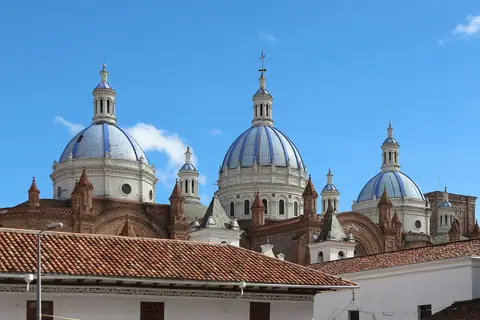
Cuenca: Four Rivers, UNESCO Colonial Grid & El Barranco Layout
Cuenca, Ecuador
