Kaklık Cave (Underground Pamukkale), Colossae and Mount Honaz
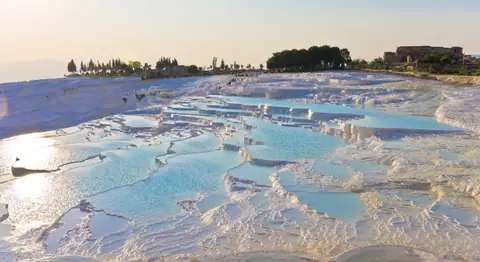
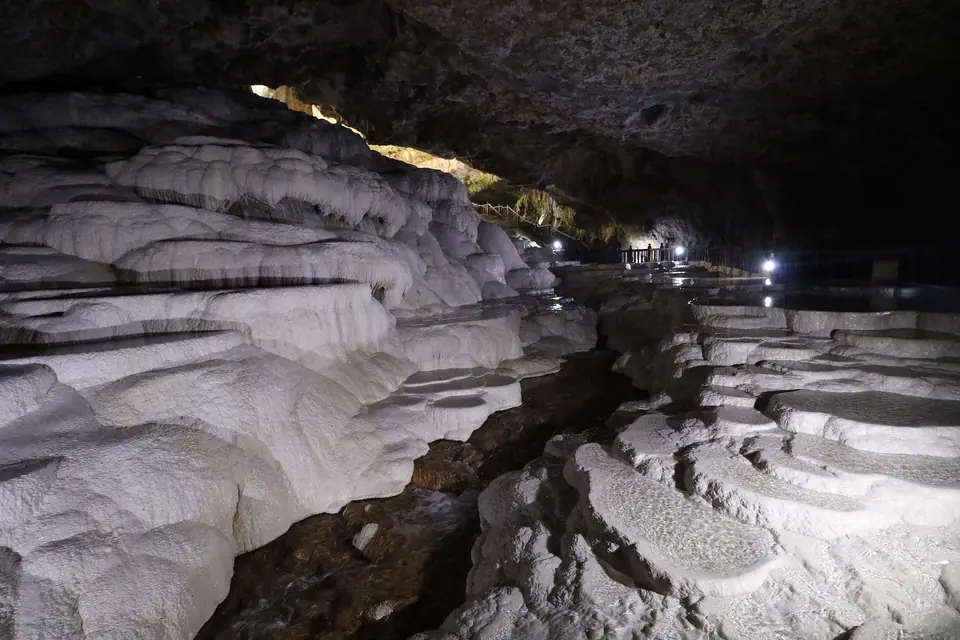
Subterranean white travertine terraces in Kaklık Cave, the biblical site of Colossae and the Aegean's highest peak.
Follow the D320 highway 30 km east of central Denizli toward Çardak Airport and the landscape shifts from the flat valley floor to the dramatic northern foothills of Mount Honaz (Honaz Dağı, 2,528 metres), the tallest peak in the entire Aegean region. Clustered along this eastern corridor are three contrasting stops that fit neatly into a half-day excursion: a collapsed karst cavern holding its own miniature "underground Pamukkale", the unexcavated theatre mound of biblical Colossae, and the cool cherry orchards and waterfalls of Honaz.
Kaklık Cave (Kaklık Mağarası): Pamukkale beneath the earth
Located just off the Ankara and Denizli highway near the town of Kaklık (in Honaz district), Kaklık Cave formed when the limestone roof of a subterranean thermal river chamber collapsed centuries ago, creating a wide circular sinkhole open to the sky. As you descend the wooden staircase into the sunlit abyss, you discover tiered snow-white and turquoise travertine pools stacked down the underground rock face, formed by the exact same calcium-bicarbonate chemical process as Pamukkale, where sunlight pours through the ceiling opening onto the cascading water.
- What to expect on site: you will smell the cave before you see it, as the thermal stream is rich in hydrogen sulphide (giving off a distinct rotten-egg sulphur aroma that locals prize for skin conditions). Walkways and bridges loop right around the subterranean travertine cascades in about 30 to 40 minutes. Above ground, the shady park around the cave mouth has an outdoor swimming pool, duck ponds, cafés and clean rest stops.
Ancient Colossae (Kolossai) and Honaz
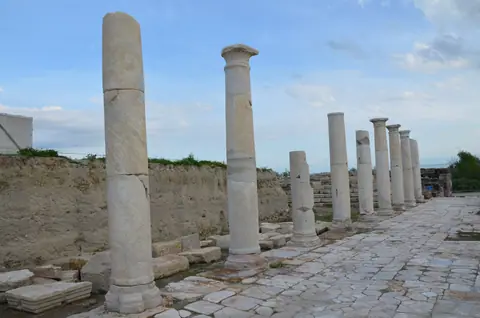
Driving ten minutes south-west from Kaklık toward the base of Mount Honaz brings you to the quiet agricultural fields around Colossae (Kolossai), 3 km north of Honaz town beside the Aksu (ancient Lycus) stream. Mentioned by Herodotus and Xenophon as a great Phrygian city and famous in Christian history as the recipient of St Paul's Epistle to the Colossians, Colossae was abandoned in the Byzantine era when residents moved up to the safer cliff fortress of Chonai (modern Honaz). Today, Colossae is a peaceful, unexcavated grass-covered höyük (acropolis mound) with the curved hollow of its theatre, rock-cut dorsal tombs along the riverbank and a plaque marking the site, meaningful mainly for biblical history travellers who want to complete the Lycus Valley triad alongside Laodicea and Hierapolis.
Mount Honaz National Park and Napoleon cherries
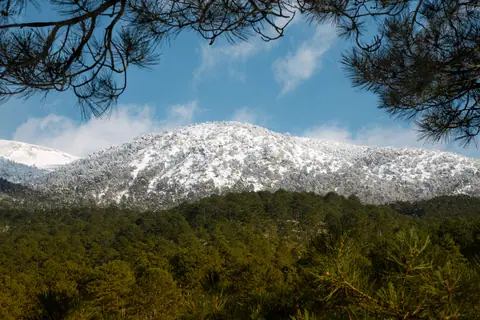
Towering directly above Honaz town, Honaz Dağı Milli Parkı protects endemic black pine, juniper forests and wild mountain goats, while the lower slopes produce Turkey's prized late-spring Honaz Napoleon cherries (celebrated in an early-June cherry festival). Combine Kaklık Cave and Honaz with nearby Akhan Caravanserai on your drive to or from Çardak Airport.
Traveller tips
Real advice from people who have been to Kaklık Cave (Underground Pamukkale), Colossae and Mount Honaz. Every tip is read by our team before it goes live.
No tips yet. Been here? Yours could be the first.
Thank you! Your tip will appear here after a quick review.
More in Denizli
Continue exploring Denizli with related neighbourhood, food, and planning guides