


























Tripolis on the Meander: The Uncrowded Roman City
An active Roman excavation with standing arches, vaulted markets and mosaics 40 km northwest of Denizli.
Roughly 40 km northwest of central Denizli (and 20 km northwest of Pamukkale), on a sunlit hillside above the winding Büyük Menderes River (the ancient Maeander) just outside the town of Yenicekent, lies Tripolis on the Meander. While tens of thousands of visitors walk Hierapolis every week, Tripolis receives only a trickle of independent travellers, yet its standing brick-and-stone vaults, colonnaded avenues and sheltered mosaic rooms make it one of the most rewarding archaeological stops in western Turkey. (We also feature our personal field photographs in our dedicated Tripolis guide.)
Why three ancient regions met at Tripolis
Founded in the Hellenistic era as Apollonia (and briefly called Antoniopolis after Mark Antony's visit in 41 BC before taking the name Tripolis under Emperor Augustus), the city owed its name and wealth to its borderland position where Phrygia, Lydia and Caria converged. Sitting at the western gateway of the Lycus and Maeander valleys along the trade road linking Sardis and Philadelphia (Alaşehir) with Laodicea and Hierapolis, Tripolis flourished in the 1st to 4th centuries AD and was later fortified with heavy Byzantine walls against Sasanians and Arab raids.
Highlights on the ground (1.5 to 2 hours)
Excavated continuously since 2012 by Prof. Bahadır Duman and a team from Pamukkale University, Tripolis lets you walk right alongside active archaeological trenches where new inscriptions, statues and shopfronts emerge every season:
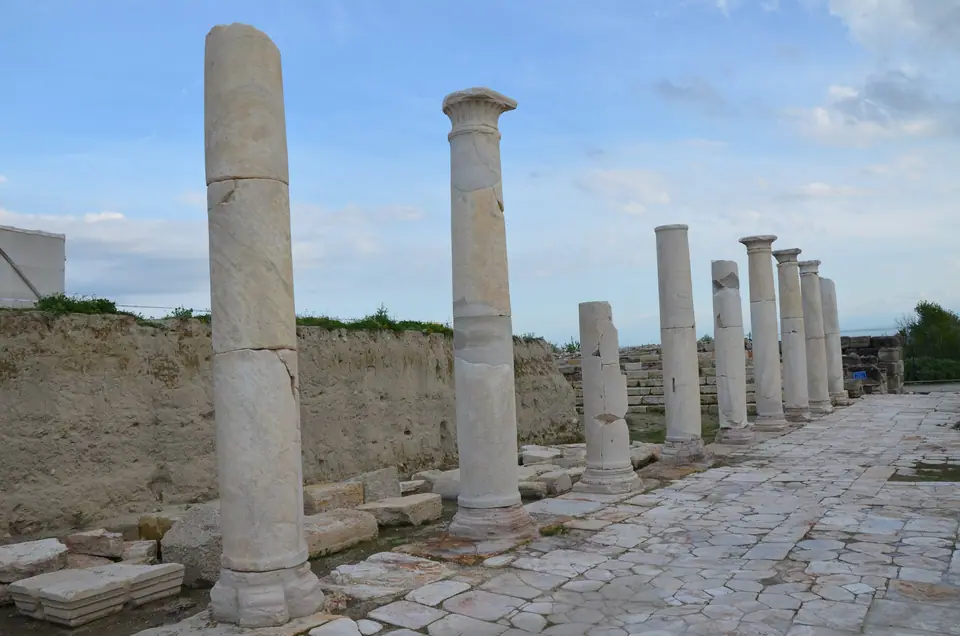
- The Colonnaded Avenue (Sütunlu Cadde) and Hierapolis Street: the east-to-west main avenue, lined with re-erected fluted marble columns, Corinthian capitals and an uncovered stone drainage channel still holding its original interlocking terracotta water pipes.
- The Vaulted Market Building (Kemerli Yapı / Arched Building): a remarkably intact Roman public market hall whose brick-and-ashlar barrel vaults and stone arches still stand to full roof height, once used to store grain and olive oil.
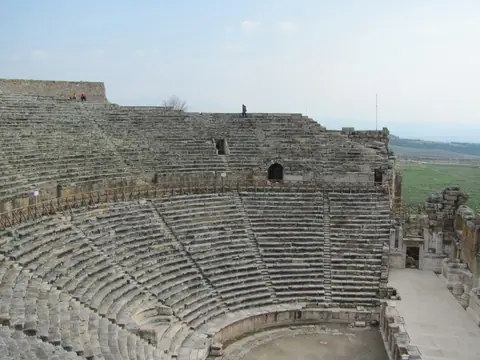
- The Covered Agora and Bouleuterion (Council Chamber): a rectangular plaza framed by porticoes right beside the civic council house and rock-cut hillside theatre.
- The Mosaic House (Mozaikli Ev) and Late Antique Residential Quarter: sheltered beneath a modern steel roof at the crossroads of the main streets, this 14-room aristocratic peristyle mansion preserves vivid geometric polychrome floor mosaics, frescoed plaster walls and stone stairways from four building phases.
How to reach Tripolis and pair it with Buldan
By car, Tripolis is a 35-minute drive from Denizli or 25 minutes from Pamukkale via the Yenicekent road; combine it in a half-day loop with the weaving streets of Buldan and a trout lunch at Güney Waterfall. Without a car, take a Yenicekent or Buldan minibus from the lower level of the Denizli Otogar. Check turkishmuseums.com for current visiting hours, and bring a sunhat and water as there is no café on site.
Traveller tips
Real advice from people who have been to Tripolis on the Meander: The Uncrowded Roman City. Every tip is read by our team before it goes live.
No tips yet. Been here? Yours could be the first.
Thank you! Your tip will appear here after a quick review.
More in Denizli
Continue exploring Denizli with related neighbourhood, food, and planning guides
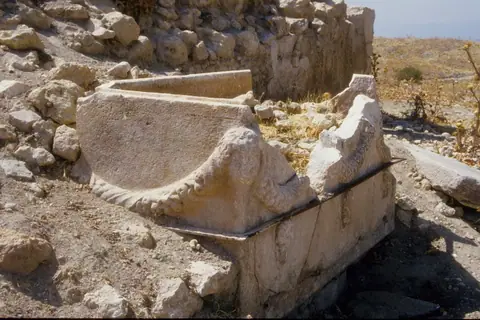
Southern Denizli: Tavas, Ancient Tabae, Acıpayam, Bozdağ and Çameli
Denizli, Turkey
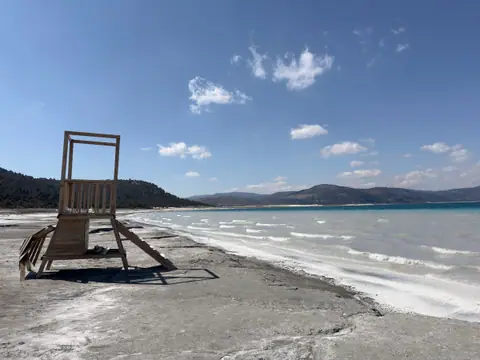
Day Trips from Denizli: Lake Salda and Aphrodisias
Denizli, Turkey
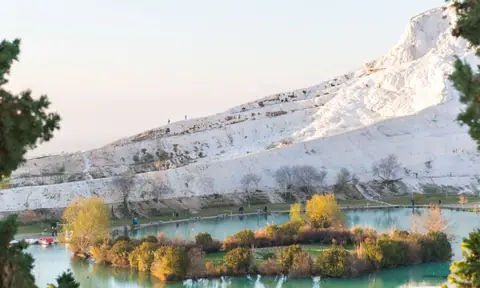
Where to Stay in Denizli: City, Karahayıt, Pamukkale and Yayla
Denizli, Turkey
Denizli 3-Day Itinerary: Lycus Valley Ruins, Thermal Waters and Crafts
Denizli, Turkey
