








Best Time to Visit Dubrovnik
Short answer: May, June, September and early October. The sea is warm enough to swim from June, the walls are bearable in the heat of the day, and the Old Town is busy rather than jammed.
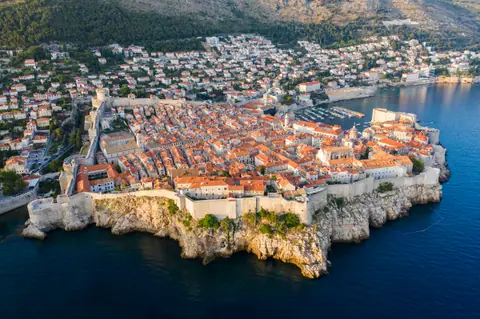
September is our pick. The Adriatic is at its warmest after the summer, the light turns golden earlier in the evening, and the families have gone home. The cruise ships haven't, though, so the middle of the day in the Old Town can still be crowded. Walk the walls early and spend the afternoon on Lokrum.
July and August are hot, often in the low 30s°C, with very little shade on the walls or Stradun. Hotels are at their fullest and prices at their highest. In return you get long evenings, swimming everywhere, and the Dubrovnik Summer Festival, which fills forts, squares and churches with theatre and classical music from early July to late August. A performance of Shakespeare inside Fort Lovrijenac is a very Dubrovnik experience.
April and late October are fine for walking and sightseeing, and noticeably quieter. The sea is cool, some island boats run reduced timetables, and the weather can turn.
Winter is a different city. Many hotels and restaurants close from November to March, and the cable car shuts for part of the season and in strong wind. The bura, a cold north-easterly, can blow hard for days, while the jugo from the south brings rain and a grey sea. On the other hand, you'll have Stradun almost to yourself, and the walls stay open most of the year.
Dates for the calendar
- 3 February: the Feast of St Blaise, the city's patron, with processions, relics carried through the streets and people in traditional dress from the surrounding villages.
- Early July to late August: the Dubrovnik Summer Festival.
- December: the Dubrovnik Winter Festival, with stalls and lights along Stradun.
In any month, check the port's cruise schedule before you fix your walls day. Our city walls guide explains why, and our packing guide covers the seasons.