












Dubrovnik Travel Guide: What to Know Before You Go
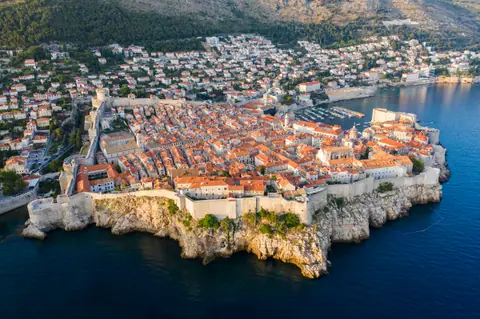
Dubrovnik is small. The walled Old Town measures about 500 metres end to end, and you can cross it on Stradun, the main street, in five minutes. What makes it feel bigger is the crowd, and the crowd follows a timetable. Learn the timetable and the city changes.
How the city is laid out
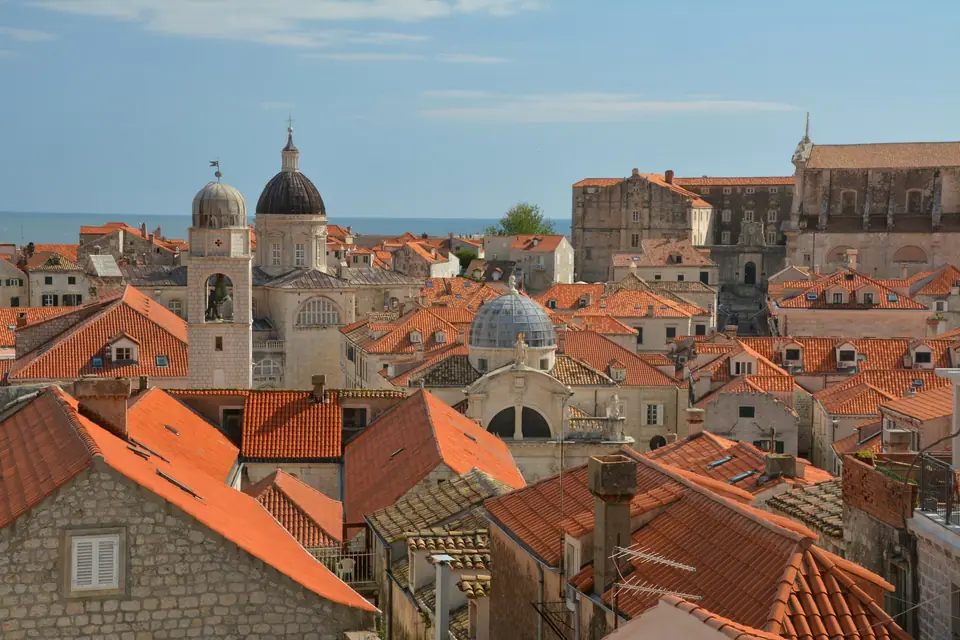
The Old Town (Grad) has two main gates: Pile on the west, where the buses stop, and Ploče on the east. Stradun runs flat between them, and everything else climbs steeply on either side in stepped lanes. East of Ploče Gate is the residential district of Ploče, with hotels on the cliffs. North-west, around a deep bay, is Gruž, with the ferry port and the bus station. Beyond that is the Lapad peninsula, where most of the beach hotels are. Above it all rises Mount Srđ, reached by cable car.
Cruise ships and crowds
The city now limits large cruise ships to two a day and caps the number of cruise passengers in town at any one time, which has taken the edge off the worst days. Still, the Old Town is at its fullest from mid-morning to mid-afternoon. The Port of Dubrovnik publishes its cruise schedule online, so check it when planning your wall walk. Early mornings and evenings belong to the people staying overnight.
The Old Town rules
Under the city's "Respect the City" campaign, walking around the Old Town in swimwear or without a shirt is an offence, and so is climbing or sitting on monuments and drinking in the street outside bars. People do get fined. You'll also be asked to carry, not roll, wheeled suitcases on the stone streets. That one is a request rather than a law, despite what you may have read, but the noise of cases on marble at 6am is exactly why locals asked for it.
Money and borders
Croatia adopted the euro and joined the Schengen area on 1 January 2023, so there are no passport checks from other Schengen countries. Visitors from outside the EU are registered in the new Entry/Exit System (fingerprints and a photo) on arrival. ETIAS, the EU's planned travel authorisation, isn't running yet. Cards work almost everywhere, though some small konobas (family taverns) prefer cash.
Tickets and passes
If you plan to walk the walls and visit a museum or two, compare the walls ticket with the Dubrovnik Pass, which bundles the walls, the city museums and local buses. Our city walls guide explains which one to buy.
Safety and small things
Dubrovnik is very safe. The real hazards are polished limestone, which is slippery when wet, and summer heat on the walls, where there's almost no shade. Tap water is safe and there are public fountains. Plugs are the European two-pin type. Pack accordingly with our what to wear guide.