Photo: Michiel Hendryckx · CC BY-SA 4.0
Ghent
Ghent pairs medieval guild houses and quiet canals with Flemish masterpieces across a compact, riverfront university city in Flanders.
Quick decisions
How many days?
Plan two full days for the core monuments, canals, and museums, or three days to explore tranquil beguinages and local art collections at an unhurried pace. Follow our curated 48-hour plan to pace your route.
Where should I stay?
Base yourself in the car-free Historic Core for immediate access to quays and sights. Choose Patershol or Prinsenhof for quieter lanes, or Stationsbuurt for direct rail transfers. Explore atmospheric quarters across the city through our neighbourhood lodging guide.
Do I need a car?
Skip the car entirely. The city centre is car-free, and driving between sectors requires the R40 ring road. Foreign vehicle registration is mandatory within 24 hours of entering the Low Emission Zone.
Best for
Travellers who value early Netherlandish painting, striking medieval civic architecture, canal walks, and a lived-in university atmosphere will love this city.
Before you go
Reserve your timed online slot for the Ghent Altarpiece and Augmented Reality crypt tour well in advance. Remember that most municipal museums close on Wednesdays, while fine arts museums close on Mondays.
Getting around
Walk across the pedestrian centre, where most key landmarks sit within easy strolling distance. Use De Lijn trams and buses for trips to outer districts or Gent-Sint-Pieters station. Our essential arrival instructions outline local transport rules.
Continue your trip
Take direct Intercity trains to Bruges in 25 to 30 minutes, Brussels-Midi in half an hour, or Antwerp in about an hour. Rail transit avoids parking restrictions across neighboring Flemish city centres.
Overview
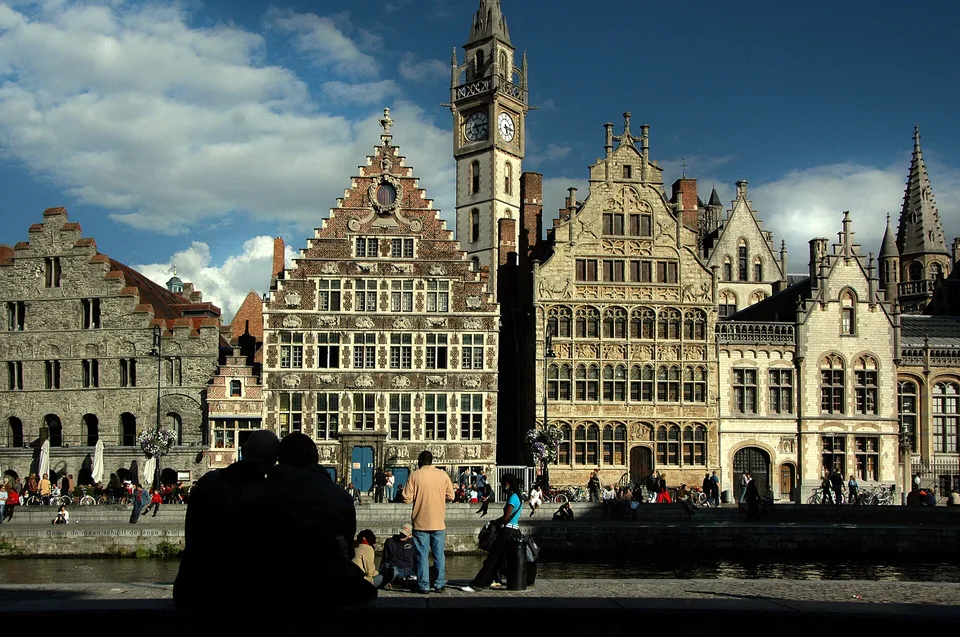
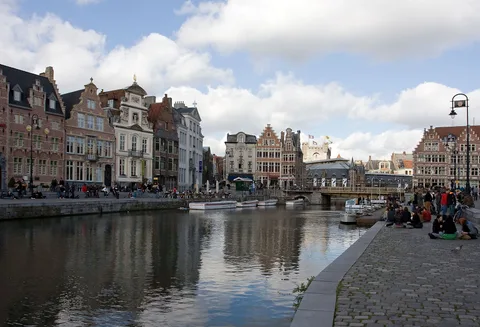
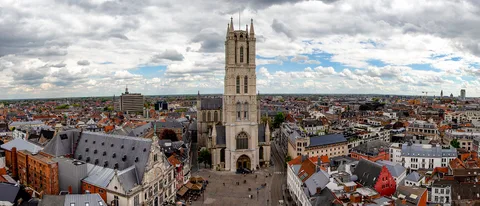
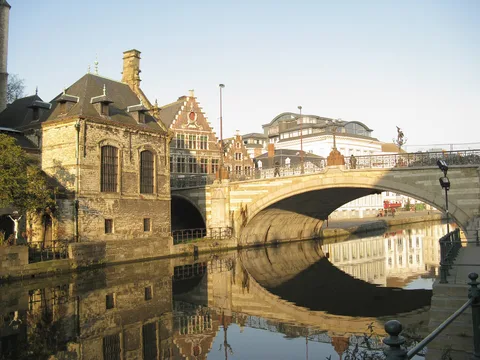
Ghent stands at the confluence of the Leie and Scheldt rivers in northern Belgium. Roughly 274,000 residents share the city with nearly 90,000 students, creating an energetic civic mood alongside exceptional historic preservation. The central riverfront along Graslei and Korenlei dates back to the 11th century. Stepped guild houses line the water, overlooked by St Michael's Bridge and the medieval skyline of three prominent towers. Unlike museum-piece towns, the centre remains an active urban landscape where daily life unfolds along paved canals.
Maritime temperate patterns define local travel seasons. Winters bring brisk, damp air that rewards museum afternoons, while spring brings clearer skies and lighter canal traffic. Midsummer brings long daylight hours along the quays, warm evenings on terrace tables, and open-air musical gatherings across town. A light rain jacket and comfortable walking shoes prepare you for cobblestones in every season.
Getting there
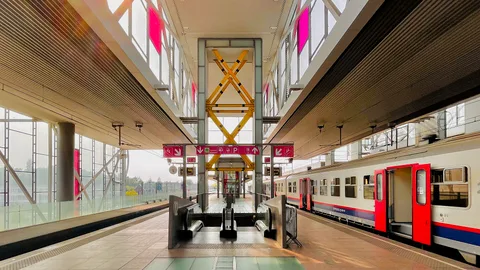
Direct Intercity trains run frequently from Brussels Airport-Zaventem to Gent-Sint-Pieters station in 45 to 60 minutes. Rail journeys from Brussels-Midi take 28 to 37 minutes, while direct lines reach Bruges in under half an hour and Antwerp in about an hour. Travellers arriving at Charleroi Airport can catch Flibco shuttle coaches directly to Gent-Sint-Pieters 12 times a day. Gent-Dampoort station sits closer to the centre, requiring a 15-minute walk or a brief bus ride to Korenmarkt.
De Lijn operates public transit networks throughout the urban core and outer suburbs. During 2026, planned track works divert Tram T1 via Kouter and Gent Zuid away from Korenmarkt, while Tram T3 services pause completely. Passengers tap contactless bank cards on boarding readers for a 60-minute journey window or select a 24-hour pass. Regional motorists must circumvent historic sectors via the R40 beltway and use park-and-ride facilities, as local rules penalise unauthorised non-Belgian plates lacking clean-air registry credentials.
Where to stay
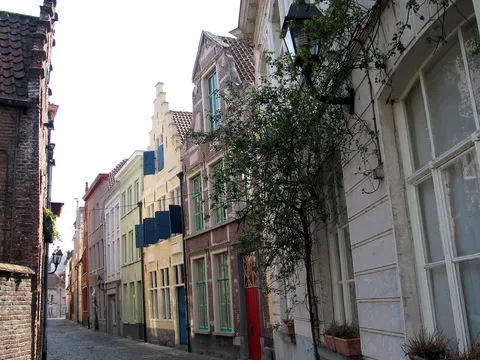
Selecting the right base depends on your arrival schedule and preference for quiet lanes versus immediate access to sights. The car-free Historic Core around Korenmarkt and Graslei places you steps from major monuments and evening dining along the river. Streets here stay active throughout the evening. Historic Patershol and Prinsenhof offer peaceful cobblestone alleys and characterful brick architecture just north of the centre. Both areas allow restful nights within a short walk of the castle.
The Arts Quarter near Citadelpark suits visitors focused on museums, offering quiet residential streets between MSK Gent and the S.M.A.K. Contemporary art venue. Stationsbuurt provides practical convenience for early rail departures at Gent-Sint-Pieters, located a 20 to 30-minute walk from the centre. Ghent levies a tiered municipal lodging tax per adult guest per night under city regulations.
Things to do
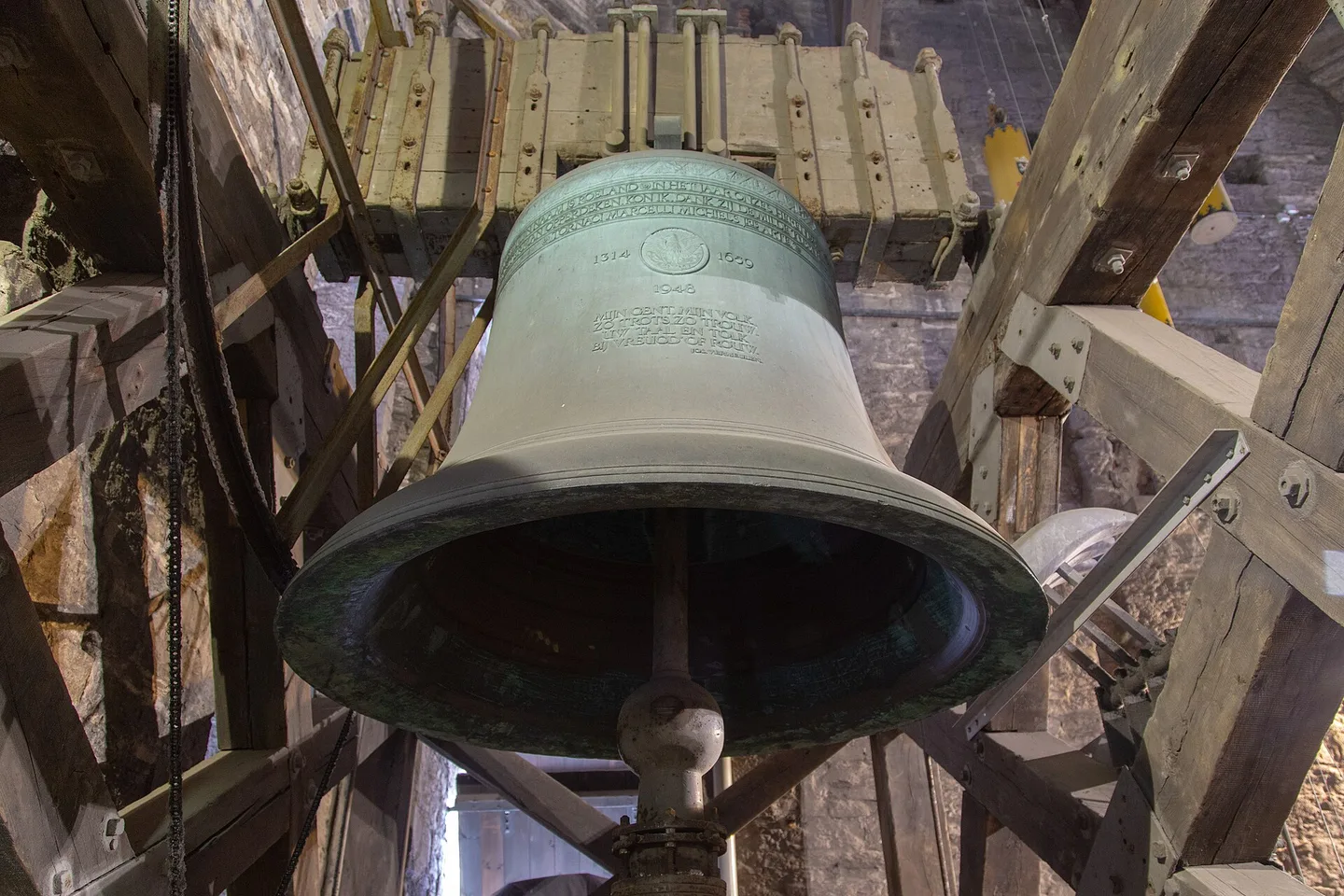
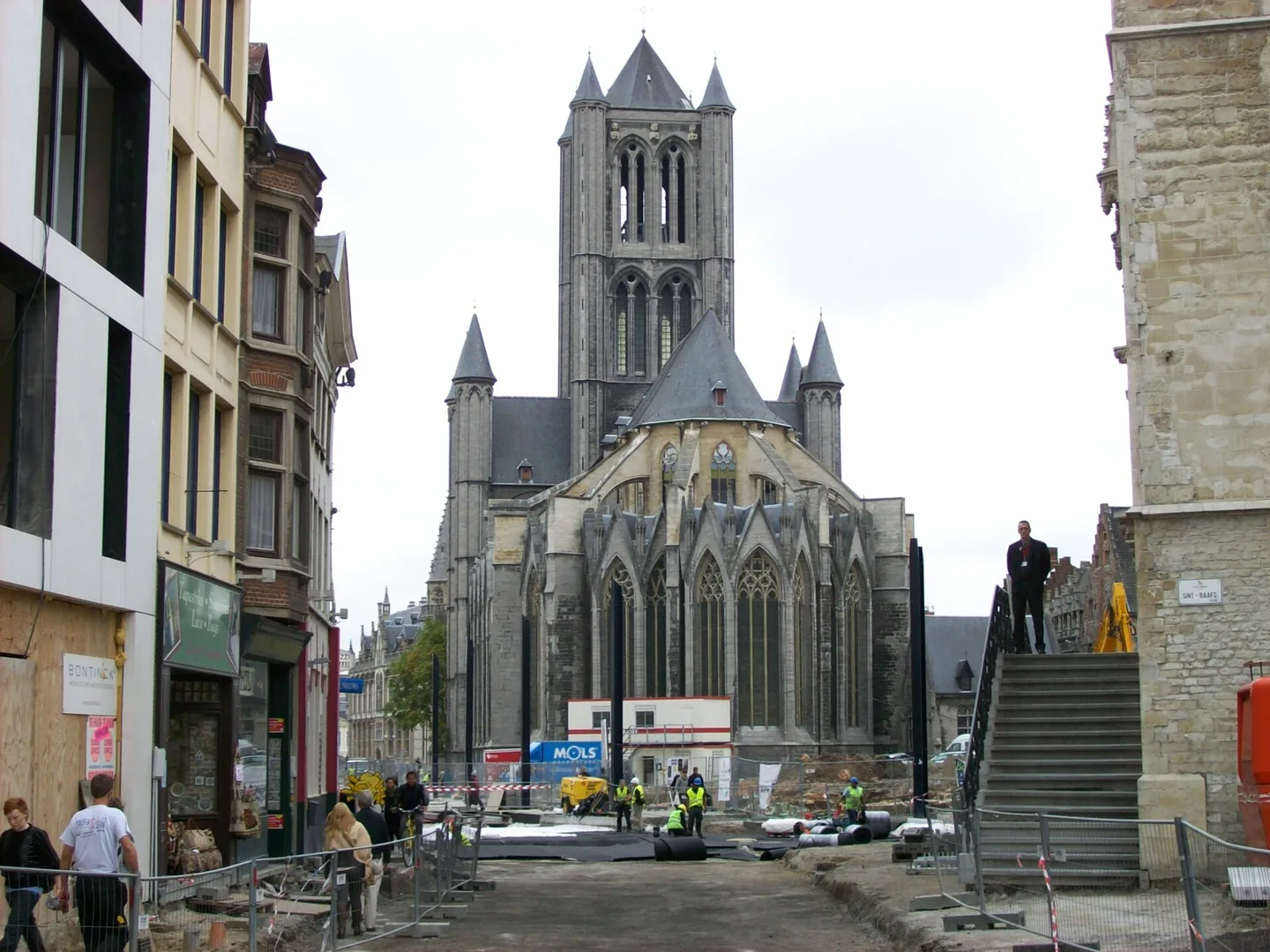
St Bavo's Cathedral preserves the Ghent Altarpiece, completed in 1432 by Hubert and Jan van Eyck. Visitors must reserve timed online tickets for the polyptych and its 60-minute Augmented Reality crypt tour, though nave admission remains free. Seven upper panels currently undergo conservation at MSK Gent until December 2026, replaced by high-resolution colour photographs in the cathedral. Nearby, the 91-metre Belfry of Ghent holds a 54-bell carillon and offers panoramic views after climbing 300 upper steps. Our primary sightseeing highlights and our St Bavo altarpiece overview explain touring routes.
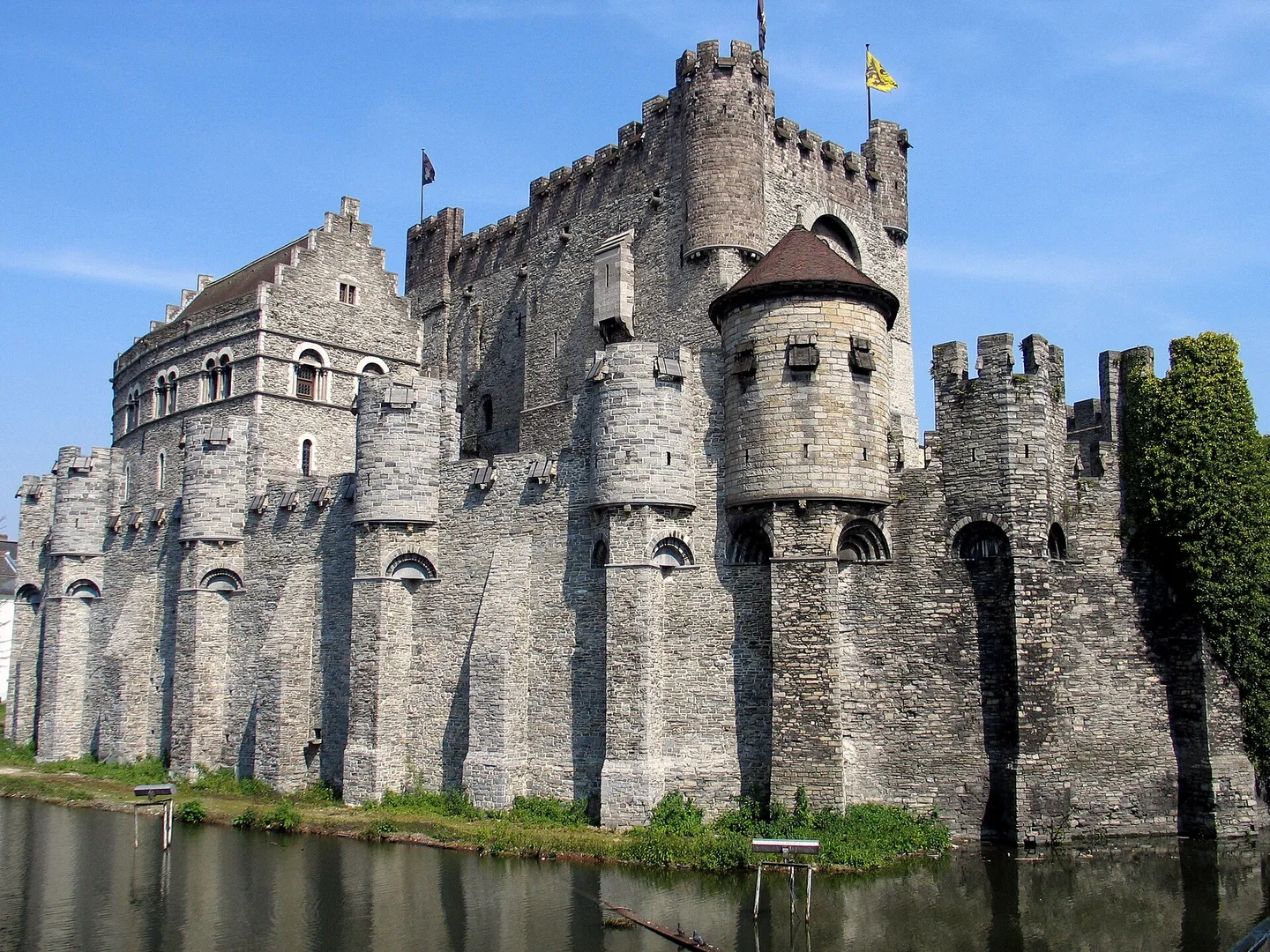
Across the river, Gravensteen castle dates from 1180 under Count Philip of Alsace, offering a self-guided 90-minute audio tour along stone battlements. The CityCard Gent covers castle entry, the Belfry, local transport, and city museums. Design Museum Gent reopened its doors with the 2,500-square-metre DING wing built using circular Ghent Waste Bricks, while Groot Vleeshuis remains closed for timber roof restoration. Most municipal museums close on Wednesdays, whereas MSK Gent and the S.M.A.K. Contemporary art gallery close on Mondays. St Bavo's Cathedral closes to sightseeing visitors on Sunday mornings.
Food and drink
Dining in Ghent reflects sturdy Flemish culinary traditions shaped by rich broths, local beer, and market produce. Classic waterzooi serves chicken or river fish poached in a velvety vegetable cream broth. Ghent-style stoverij simmers tender beef in dark abbey beer, served alongside crisp frites and spiced mustard. Along Groentenmarkt, confectionery stands sell cone-shaped raspberry cuberdons with soft liquid centres. Local shops also stock spicy Tierenteyn mustard scooped fresh from stone barrels.
Other heritage specialities include salty roasted kroakemandels and warm gestreken mastellen dusted with cinnamon sugar. Cured Ganda ham ages naturally for at least 10 months, providing savory cold plates across local taverns. Historic Patershol gathers many independent restaurants in narrow brick houses. Evenings in Ghent focus on leisurely dining, so consider reserving weekend dinner tables in advance.
Culture
Ghent balances its deep industrial past with rich artistic traditions. The city earned recognition as a UNESCO Creative City of Music in 2009, celebrating an active performance scene and extensive community ensembles. Every July, the 10-day open-air Gentse Feesten transforms historic squares into lively festival venues. St Bavo's Cathedral also houses Peter Paul Rubens' 1624 painting of Saint Bavo, alongside the enduring mystery of the stolen Just Judges panel.
Tranquil beguinages offer peaceful retreats from central streets. The Small Beguinage of Our Lady ter Hoyen and Great Beguinage of Sint-Amandsberg hold UNESCO World Heritage status. Visitors should respect resident privacy by walking quietly along their enclosed greens. Shaded lime trees and whitewashed brick cottages create exceptional calm just minutes from the busy urban core.
Official prices and opening hours
- The Ghent Altarpiece + AR Crypt Tour (St Bavo's Cathedral)Official site ↗
- Gravensteen (Castle of the Counts)Official site ↗
- Belfry of GhentOfficial site ↗
- CityCard Gent (48-Hour Sightseeing & Transit Pass)Official site ↗
- De Lijn City Tram & Bus Single TicketOfficial site ↗
Weather by month
Ghent is warmest in August, with average highs around 23°C, and coldest in January, when nights drop to about 2°C. January is the wettest month by rainfall (78 mm), with rain on about 14 days. For mild weather with fewer rainy days, aim for June, July, August and September.
| Month | Low | Range | High | Rain | Rainy days |
|---|---|---|---|---|---|
| Jan | 2°C | 7°C | 78 mm | 14 d | |
| Feb | 2°C | 9°C | 62 mm | 12 d | |
| Mar | 3°C | 11°C | 68 mm | 14 d | |
| Apr | 5°C | 14°C | 49 mm | 12 d | |
| May | 9°C | 18°C | 65 mm | 12 d | |
| Jun | 13°C | 22°C | 67 mm | 10 d | |
| Jul | 14°C | 23°C | 61 mm | 11 d | |
| Aug | 15°C | 23°C | 70 mm | 12 d | |
| Sep | 12°C | 20°C | 60 mm | 11 d | |
| Oct | 9°C | 16°C | 69 mm | 13 d | |
| Nov | 5°C | 11°C | 75 mm | 13 d | |
| Dec | 4°C | 8°C | 75 mm | 14 d |
Averages of daily values from 2015 to 2024. Rainy days are days with at least 1 mm of rain. Source: Open-Meteo · Compare destinations by month.
Ghent on the map
Every place we cover in Ghent. Tap a category or pin to explore.
In-depth Ghent guides
Browse the guides grouped by topic: sights, neighbourhoods, food, transport, day trips and trip planning.
Sights, Landmarks & Parks
Key monuments, viewpoints, museums and nature trails.
- Sights, Museums, and Canals Across GhentWe navigate through Ghent to discover historic stone fortresses, canal quays, medieval civic towers, and tranquil arts quarter galleries across Flanders.
- Inside St Bavo's Cathedral and the Ghent AltarpieceWe step inside St Bavo's Cathedral to admire the Adoration of the Mystic Lamb, completed by Jan van Eyck on 6 May 1432.
Neighbourhoods & Where to Stay
Districts, historic quarters and the best bases for your stay.
Getting Around & Arrival
Airport transfers, public transit, passes and driving rules.
Trip Planning & Itineraries
When to visit, what to pack and day-by-day routes.
Reviews
Log in to write a review.
No reviews yet.