Photo: Jules Grandgagnage · CC BY-SA 3.0
Antwerp
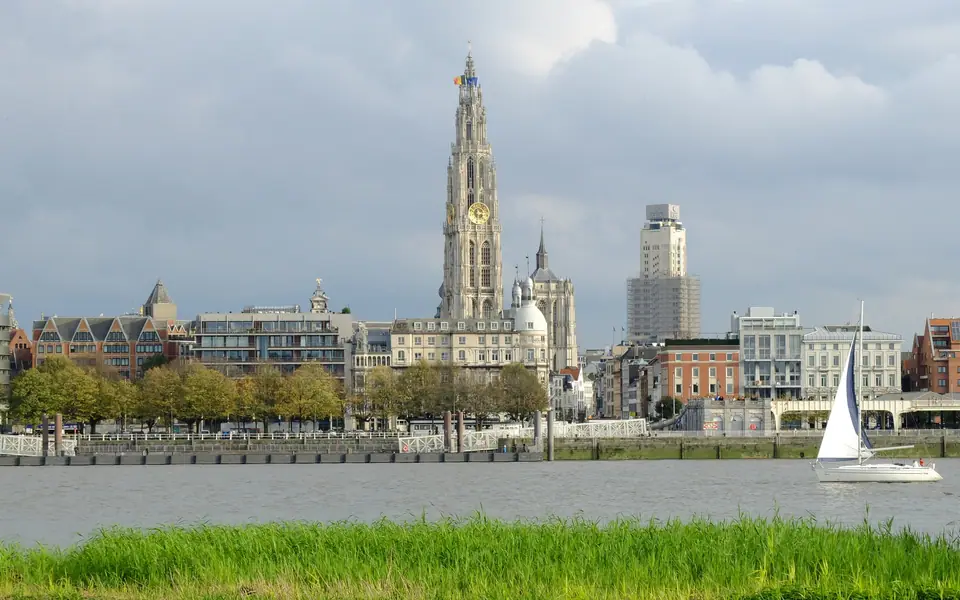
A Scheldt trading metropolis that continuously reinvents itself: early print, Rubens canvases, rough diamonds, deepwater shipping containers and visionary fashion.
Quick decisions
How many days?
Two days cover the historic core, the docks and major galleries. Add a third day for railway excursions to Mechelen, Ghent or Rotterdam.
Where should we stay?
Choose Koningin Astridplein for fast rail links, the historic centre for walking access to guildhalls, or Het Eilandje for dockside views.
Do we need a car?
No. The city centre operates a mandatory Low Emission Zone with scarce street parking. High-speed rail, trams and bike-share lanes handle all travel.
Best for
Gothic church architecture, Baroque art collections, UNESCO Renaissance printing workshops, rough diamond trade history, craft brewing and cutting-edge fashion design.
Before you go
Reserve admission slots in advance for KMSKA and MAS. Note that the Rubenshuis main residence remains under restoration until 2030, though the garden is open.
Getting around
Walk the flat inner core, tap contactless payment on De Lijn trams and premetro lines, or unlock municipal Velo bike share docks along the boulevards.
Continue your trip
Direct domestic and international trains connect Antwerpen-Centraal to Brussels, Ghent, Bruges, Rotterdam and Amsterdam in under ninety minutes.
Overview
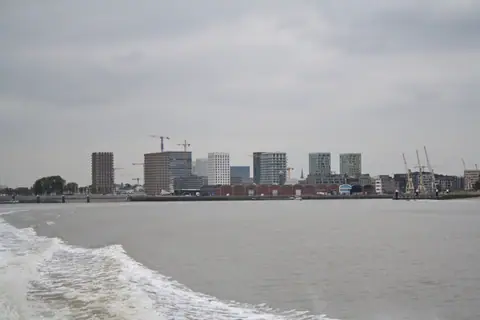
Antwerp sits along a major bend of the River Scheldt in northern Belgium, roughly forty kilometres north of Brussels. It ranks as Europe's second-largest freight port behind Rotterdam. The compact urban core spreads between the river quays and the monumental rail terminal. Spring and summer deliver the most comfortable conditions for exploring on foot. Open-Meteo climate records show July and August reaching average daytime peaks of 24°C, though each month records around eleven wet days. April offers milder 15°C days with the lowest annual rainfall at 43 millimetres across nine wet days. Review our best time to visit Antwerp guide to time your journey.
Getting there
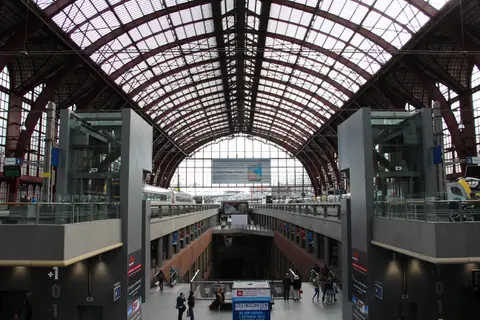
Brussels Airport (BRU) is the primary aviation hub for Antwerp, situated 36 kilometres south with direct trains reaching Antwerpen-Centraal in roughly thirty minutes. Eurostar, Eurocity Direct and NMBS domestic InterCity services arrive directly at Antwerpen-Centraal station across four multi-level track tiers. The entire urban territory inside the inner ring road falls within a permanent 24/7 Low Emission Zone (LEZ). Drivers arriving from abroad must pre-register foreign vehicle number plates online before crossing the perimeter. Commuters avoid hefty fines and congestion by leaving vehicles at peripheral Park and Ride facilities linked to De Lijn tram corridors. Check transit lines in how to get to Antwerp.
Where to stay
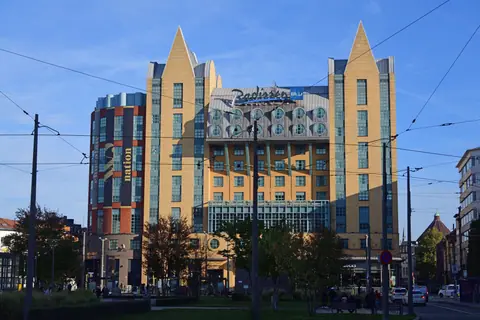
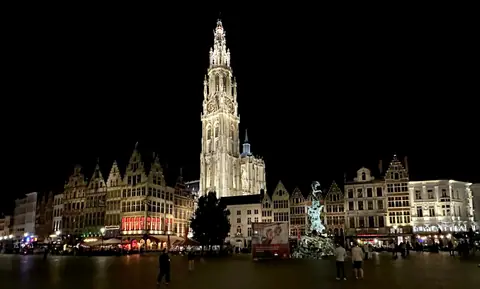
Accommodations divide neatly across distinct urban postal zones. Koningin Astridplein beside Antwerpen-Centraal offers maximum convenience for rail passengers arriving with heavy luggage. The historic core around Grote Markt places you within walking distance of cobbled alleys, the Cathedral of Our Lady and ancient guildhouses. Het Eilandje to the north provides converted warehouse hotels surrounded by dock basins and waterfront dining. Het Zuid attracts gallery visitors with broad boulevards and contemporary bistros near the fine arts museum. Zurenborg offers residential tranquility beside preserved Art Nouveau architecture. Compare neighbourhood topographies and transit connections inside our complete guide on where to stay in Antwerp.
Things to do
Start in the old town at the Cathedral of Our Lady, home to immense Peter Paul Rubens altarpieces. From there, stroll through the Grote Markt, as detailed in our guide to the Cathedral, the Grote Markt and the Old Town. Discover the UNESCO-listed printing presses of the Museum Plantin-Moretus and the newly restored Baroque garden at the Rubenshuis. Walk east through the historic diamond trading streets bordering Central Station before taking tram lines north to the red-stone MAS museum in Het Eilandje. Explore regional rail excursions in Mechelen, Lier, Rotterdam and Ghent and comprehensive sightseeing routes in things to do in Antwerp.
Food and drink
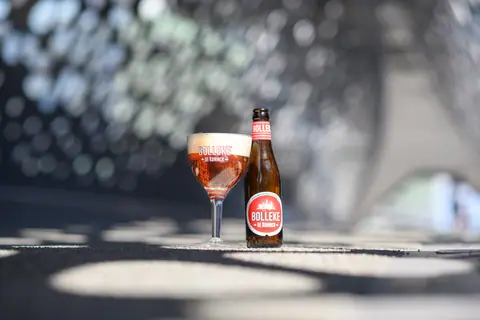
Antwerp dining combines classic Flemish tavern comfort with North Sea seafood traditions. Order a bolleke of De Koninck pale ale, poured into signature round-stemmed glasses across traditional brown cafes. Crisp double-fried chips from local frituurs come smothered in mayonnaise, beef stew sauce or Flemish stoofvlees. Autumn menus feature steaming pots of Zeeland mussels served with frites, while bakeries sell hand-shaped shortcrust biscuits called Antwerpse handjes. Weekend mornings bring crowds to the exotic food markets around Theaterplein for Moroccan pancakes, local cheeses and fresh oysters. To explore standout dining rooms, craft taprooms and historic taverns, consult our curated overview of what to eat in Antwerp.
Culture
Antwerp functions primarily in Dutch, though hospitality staff move seamlessly into English and French. The city maintains distinct community rhythms, particularly within the Diamond Quarter where Jewish businesses close Friday afternoons through Saturdays for Shabbat. Museums generally close on Mondays, so plan gallery visits across other weekdays. When visiting working places of worship like the Cathedral of Our Lady, dress respectfully by covering shoulders and knees. Cyclists command dedicated right of way across all painted road lanes and dockside paths, so pedestrians must avoid standing in marked bike paths. Tipping remains discretionary across Belgian establishments, as service fees come standard on restaurant bills.
Weather by month
Antwerp is warmest in July, with average highs around 24°C, and coldest in January, when nights drop to about 1°C. December is the wettest month by rainfall (91 mm), with rain on about 14 days. For mild weather with fewer rainy days, aim for May, June and September.
| Month | Low | Range | High | Rain | Rainy days |
|---|---|---|---|---|---|
| Jan | 1°C | 7°C | 70 mm | 13 d | |
| Feb | 1°C | 8°C | 63 mm | 12 d | |
| Mar | 3°C | 11°C | 54 mm | 11 d | |
| Apr | 5°C | 15°C | 43 mm | 9 d | |
| May | 9°C | 19°C | 60 mm | 10 d | |
| Jun | 12°C | 22°C | 77 mm | 10 d | |
| Jul | 14°C | 24°C | 82 mm | 11 d | |
| Aug | 14°C | 24°C | 84 mm | 11 d | |
| Sep | 11°C | 20°C | 76 mm | 10 d | |
| Oct | 8°C | 15°C | 73 mm | 11 d | |
| Nov | 4°C | 11°C | 81 mm | 13 d | |
| Dec | 2°C | 7°C | 91 mm | 14 d |
Averages of daily values from 2015 to 2024. Rainy days are days with at least 1 mm of rain. Source: Open-Meteo · Compare destinations by month.
Antwerp on the map
Every place we cover in Antwerp. Tap a category or pin to explore.
In-depth Antwerp guides
Browse the guides grouped by topic: sights, neighbourhoods, food, transport, day trips and trip planning.
Sights, Landmarks & Parks
Key monuments, viewpoints, museums and nature trails.
- Things to Do in AntwerpA three-day sequence across Antwerpen-Centraal, Rubenshuis gardens, KMSKA, Old Town monuments, Theaterplein markets and Het Eilandje docks.
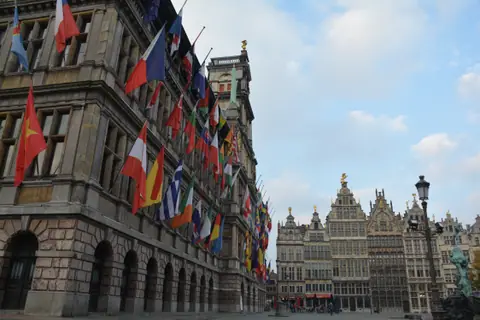
- The Cathedral, the Grote Markt and the Old TownBelgium's largest Gothic church, four Rubens altarpieces, restored Renaissance City Hall, 1591 Vlaeykensgang and medieval Het Steen.
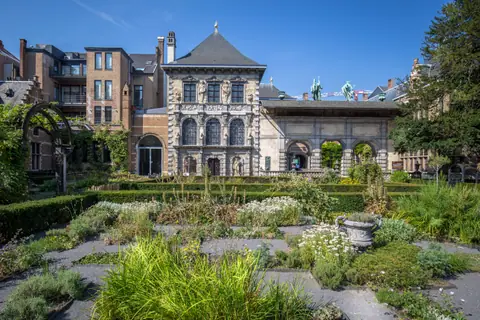
- Rubenshuis, Plantin-Moretus and the Golden AgeAntwerp Golden Age workshops: Rubenshuis Hopland pavilion and 2030 residence works, UNESCO Plantin-Moretus presses and Mayer van den Bergh at Maagdenhuis.
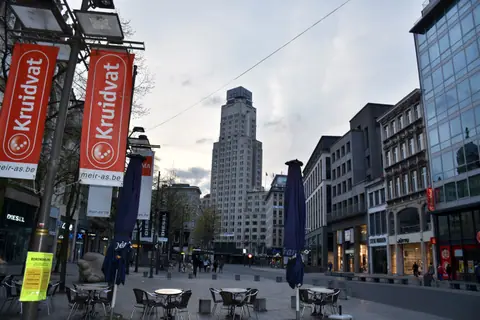
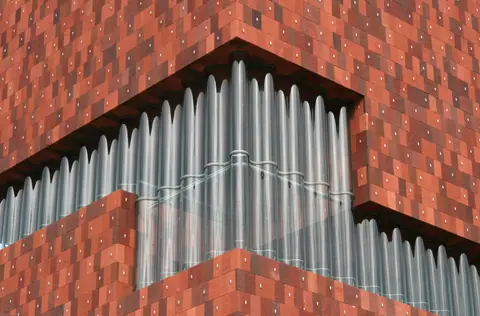
- Central Station, the Diamond Quarter and the EilandjeAntwerp's railway hub, the Square Mile diamond streets, 1843 Zoo, Berchem rail fringe, red-sandstone MAS and Red Star Line piers.
Neighbourhoods & Where to Stay
Districts, historic quarters and the best bases for your stay.
Food & Drink
Local dishes, markets, cafés and dining districts.
Getting Around & Arrival
Airport transfers, public transit, passes and driving rules.
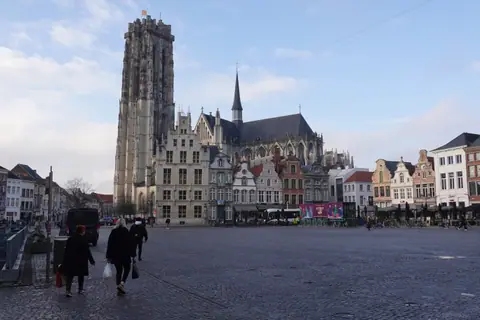
Day Trips & Excursions
Easy half-day and full-day trips from the city.
Trip Planning & Itineraries
When to visit, what to pack and day-by-day routes.
- Antwerp Orientation: Scheldt Quay, Diamond Quarter & Rail HubHow a Scheldt port reinvented its trade from sixteenth-century spices to diamonds, containers and contemporary fashion.
- Best Time to Visit AntwerpOfficial 1991 to 2020 climate normals from Belgium's Royal Meteorological Institute, rainfall seasons and monthly crowds.
Reviews
Log in to write a review.
No reviews yet.