Photo: Michielverbeek · CC BY-SA 4.0
Rotterdam
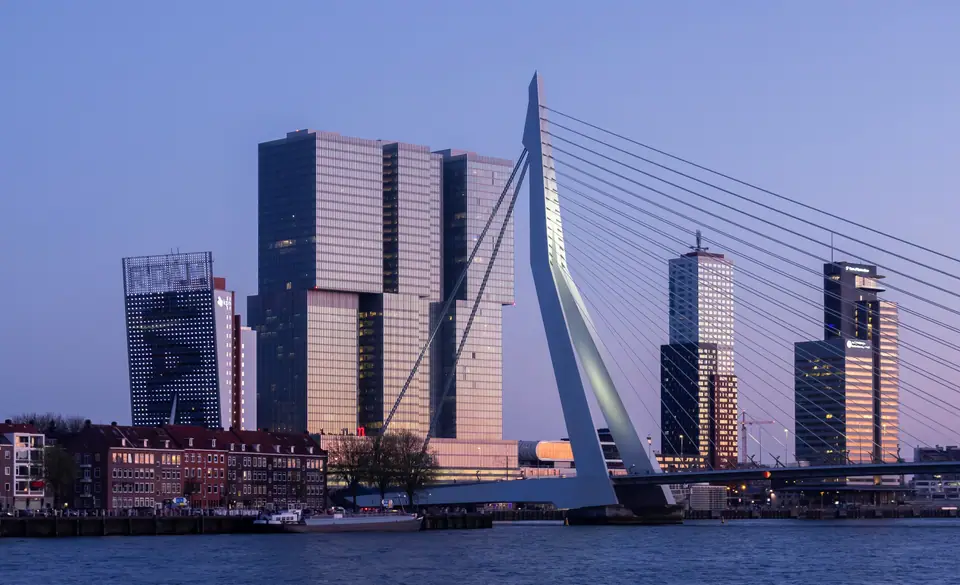
A reconstructed Dutch maritime hub on the Nieuwe Maas, Rotterdam pairs avant-garde skyscrapers and Europe's largest seaport with historic brick docks and UNESCO polder windmills.
Quick decisions
How many days?
Three days cover downtown architecture, Museumpark, Kop van Zuid, and the windmills at Kinderdijk. A fourth day allows an unhurried excursion downriver to Hoek van Holland beach or Maasvlakte.
Where should we stay?
Base near Weena for rapid rail transfers, Cool for museum access, Scheepvaartkwartier for leafy nineteenth-century streets, or Kop van Zuid for river panoramas. A uniform citywide lodging tax applies across all districts.
Do we need a car?
No. Driving is discouraged due to strict environmental low-emission zones, expensive street meters, and abundant pedestrian lanes. Park at suburban perimeter Park-and-Ride facilities if arriving by motor vehicle.
Best for
Modern architectural landmarks, deep-water port heritage, world-class design institutions, Surinamese culinary traditions, and direct cycling paths across low-lying polder landscapes.
Before you go
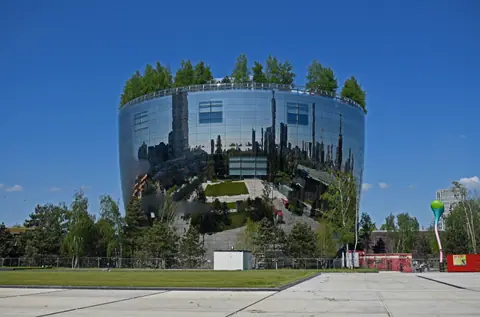
Depot Boijmans Van Beuningen welcomes visitors, but the historic main museum building remains shut for complete structural refurbishment until late 2030. Pre-book observation deck slots during peak summer travel periods.
Getting around
Tap debit cards or smartphones via OVpay across RET metros, trams, and city buses. Waterbus ferries accept contactless payments, while speedy Watertaxi vessels connect fifty dedicated river piers.
Continue your trip
Frequent international Eurostar and Eurocity Direct trains connect directly to Antwerp, Brussels, Paris, and London. Domestic Intercity Direct services reach Amsterdam and Schiphol within half an hour.
Overview
Chartered in 1340 and largely rebuilt following the devastating air raid of 14 May 1940, Rotterdam differs markedly from historic Dutch towns. Broad boulevards, deep shipping canals, and adventurous high-rise towers frame the Nieuwe Maas river. Low-lying polders extend across the municipal basin, with eastern suburbs dropping over six metres below sea level.
Weather shapes outdoor plans here. Open-Meteo figures show mild summers, peaking at 22°C in July and 23°C in August. Winters remain cool, with January averaging highs of 7°C and lows of 2°C. April provides the driest conditions with 55 millimetres of rainfall. Review our comprehensive Rotterdam seasonal climate guide and our foundational Rotterdam travel overview before mapping your daily routes.
Getting there
Amsterdam Airport Schiphol sits 47 kilometres northeast, functioning as the primary international aviation gateway. Domestic Intercity Direct trains link Schiphol to Rotterdam Centraal in roughly twenty-six minutes, though using this high-speed line requires a small electronic supplement. Rotterdam The Hague Airport handles regional European flights five kilometres northwest, connected to Centraal via RET Bus 33.
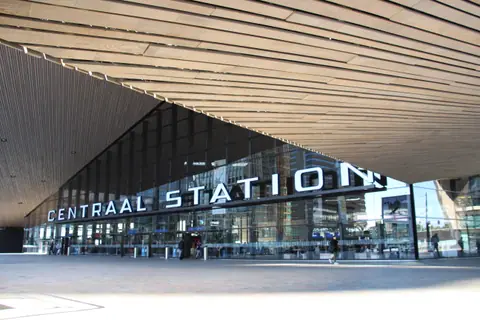
Rotterdam Centraal serves international Eurostar and Eurocity Direct trains from Brussels, Paris, and London. Motorists face municipal low-emission rules barring older diesel commercial vehicles from central sectors. Avoid driving into downtown; instead, leave cars at peripheral Park-and-Ride stations like Kralingse Zoom and use public transit. Read our detailed Rotterdam arrival transit guide for route directions.
Where to stay
Choosing where to stay depends on transport priorities and street atmosphere. Postcode 3013 around Weena and Centraal Station suits travellers planning early regional train departures. Postcode 3012 encompasses Cool and the pedestrianised Lijnbaan, placing galleries and dining within easy walking distance. For quieter surroundings, consider historic Scheepvaartkwartier near Het Park.
South across the water, Kop van Zuid occupies former Holland America Line wharves, offering river views and swift access to Katendrecht. Every commercial booking incurs the uniform 6.5 percent municipal accommodation tax regardless of neighbourhood. RET metro lines D and E connect both riverbanks seamlessly. Compare districts, boutique hotels, and tram links in our Rotterdam neighbourhood guide.
Things to do
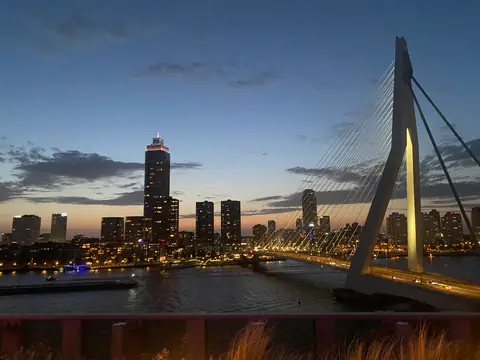
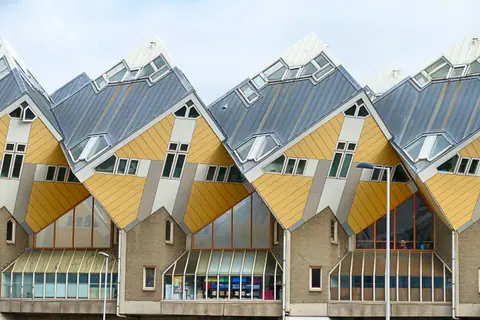
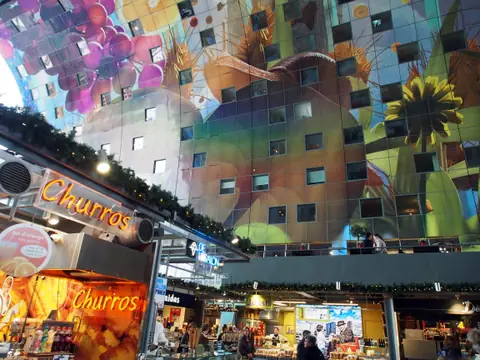
Begin around Blaak square, where tilted yellow apartments stand opposite a vast culinary arch. Explore this striking architectural pair through our dedicated guide to the Cube Houses and Markthal. Walk south toward the water to cross the white cable-stayed pylon examined in our feature on the Erasmus Bridge.
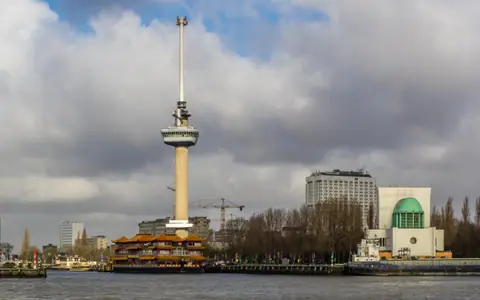
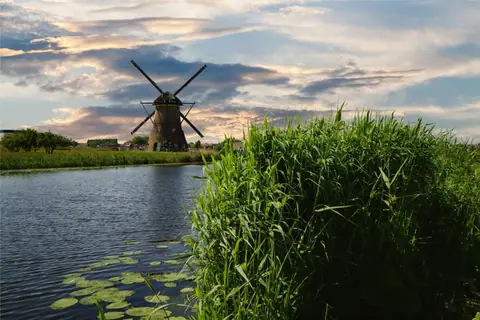
Het Park hosts the concrete observation needle detailed in our review of the Euromast and the port, offering wide vistas over operating maritime basins. Waterbus Line 20 sails east toward nineteen historic drainage mills, covered fully in our Kinderdijk day excursion guide. Plan gallery stops using our curated list of Rotterdam sights and activities.
Food and drink
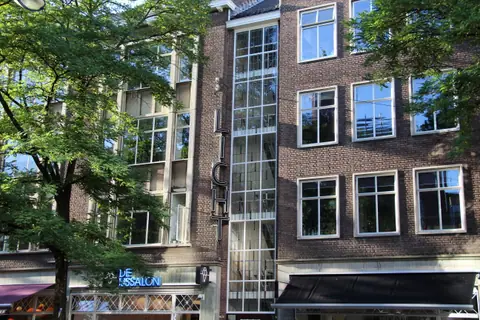
Centuries of global maritime commerce have enriched Rotterdam's dining landscape. The city's signature modern comfort dish is the kapsalon, invented in 2003 at a Delfshaven takeaway. It layers hot French fries, spiced shawarma meat, and melted Gouda cheese beneath crisp shredded iceberg lettuce, garlic cream sauce, and fiery sambal paste.
Traditional raw herring stands serve cured fish with diced raw onions and pickles across city squares. Surinamese roti shops, Indonesian warungs, and maritime food halls in Katendrecht showcase multicultural flavours. Tipping remains modest; rounding up the bill or leaving five to ten percent for attentive service is customary. Explore local specialities in our complete guide to Rotterdam culinary traditions.
Culture
Rotterdam maintains a pragmatic, direct cultural ethos forged by working harbour origins. Residents communicate concisely and value punctuality for all social and professional appointments. Cycle tracks are serious transit arteries; pedestrians must never wander into dedicated red-asphalt bike lanes or obstruct ringing cyclists.
Card payments dominate retail transactions across town, with many cafes operating entirely cashless. The mirror-clad Depot Boijmans Van Beuningen requires advance timed tickets purchased online, while the historic main Boijmans museum remains closed through late 2030. Dress in windproof layers year-round, as stiff North Sea breezes blow funnelled gusts across the Nieuwe Maas bridges and open harbour quays.
Weather by month
Rotterdam is warmest in August, with average highs around 23°C, and coldest in January, when nights drop to about 2°C. October is the wettest month by rainfall (82 mm), with rain on about 13 days. For mild weather with fewer rainy days, aim for May, June and September.
| Month | Low | Range | High | Rain | Rainy days |
|---|---|---|---|---|---|
| Jan | 2°C | 7°C | 78 mm | 15 d | |
| Feb | 2°C | 8°C | 69 mm | 12 d | |
| Mar | 3°C | 10°C | 68 mm | 14 d | |
| Apr | 5°C | 13°C | 55 mm | 11 d | |
| May | 9°C | 18°C | 63 mm | 12 d | |
| Jun | 13°C | 21°C | 69 mm | 11 d | |
| Jul | 14°C | 22°C | 74 mm | 14 d | |
| Aug | 15°C | 23°C | 75 mm | 14 d | |
| Sep | 12°C | 20°C | 79 mm | 12 d | |
| Oct | 9°C | 15°C | 82 mm | 13 d | |
| Nov | 5°C | 10°C | 82 mm | 15 d | |
| Dec | 4°C | 8°C | 79 mm | 15 d |
Averages of daily values from 2015 to 2024. Rainy days are days with at least 1 mm of rain. Source: Open-Meteo · Compare destinations by month.
Rotterdam on the map
Every place we cover in Rotterdam. Tap a category or pin to explore.
In-depth Rotterdam guides
Browse the guides grouped by topic: sights, neighbourhoods, food, transport, day trips and trip planning.
Sights, Landmarks & Parks
Key monuments, viewpoints, museums and nature trails.
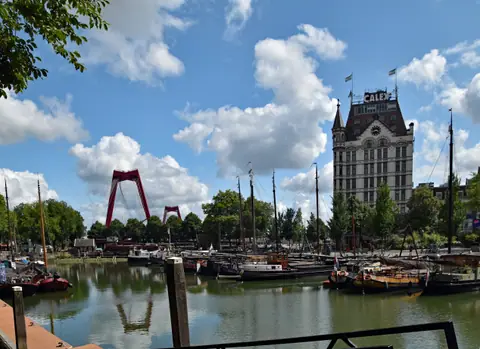
- Museumpark to Wilhelminapier: Exploring RotterdamWalking from Depot Boijmans Van Beuningen and Museumpark across Witte de Withstraat, Leuvehaven, Oude Haven, and the Erasmus Bridge to Katendrecht.
- Crossing the Swan: Inside Rotterdam's Erasmus BridgeArchitecture and engineering of Ben van Berkel's 1996 Erasmus Bridge across the Nieuwe Maas: the 139-metre bent pylon, 89-metre bascule span, and river walk.
- Tilted Cubes and Painted Arches Around Blaak SquareExploring Piet Blom's 54.7-degree tilted Cube Houses (Kijk-Kubus and Super-Cubes) beside MVRDV's 2014 Markthal arch and Horn of Plenty ceiling.
- Euromast Panorama and Europe's Largest SeaportClimbing Huig Maaskant's 185-metre Euromast and Euroscoop above Europe's largest seaport, with 2024 to 2025 cargo figures, Maeslantkering gates, Spido, and Portlantis.
Neighbourhoods & Where to Stay
Districts, historic quarters and the best bases for your stay.
Food & Drink
Local dishes, markets, cafés and dining districts.
Getting Around & Arrival
Airport transfers, public transit, passes and driving rules.
Day Trips & Excursions
Easy half-day and full-day trips from the city.
Trip Planning & Itineraries
When to visit, what to pack and day-by-day routes.
- Rotterdam on the Nieuwe Maas: A Rebuilt Port CityHow the 14 May 1940 bombing cleared Rotterdam's core for modern skylines, surviving harbour corners, sub-sea-level polders, and Europe's largest port.
- North Sea Winds, Dry Aprils and Rotterdam's CalendarMatching Rotterdam's oceanic weather normals from KNMI Station 344 and Open-Meteo ERA5 with April marathons, July jazz and carnival, and September port days.
Need your embassy or consulate in Netherlands? See embassies and consulates in Netherlands.
Reviews
Log in to write a review.
No reviews yet.