


























Photo: Renardo la vulpo · CC BY-SA 4.0
Germany's Oldest University: Alte Aula, Karzer and Palatina
Following Ruprecht-Karls-Universität from its 1386 papal charter through the Alte Aula, graffiti-covered Studentenkarzer, and Universitätsbibliothek.
Founded in 1386, Ruprecht-Karls-Universität Heidelberg stands as Germany's oldest university and the thread linking every historic quarter across town. Rather than gathering behind closed quadrangles, campus rooms weave straight through Altstadt 69117 cobbles from Grabengasse to the riverside Marstall before crossing the Neckar to modern research wings. Touring its historic core works effortlessly on rainy afternoons when mountain ridges vanish under cloud.
1386 Charter: Urban VI, Rupert I and Germany's Oldest University
Heidelberg owes Germany's oldest university foundation to fourteenth-century European church politics. After Pope Urban VI issued papal permission for a studium generale on 23 October 1385, Elector Palatine Rupert I signed the founding decree on 26 June 1386. Celebrations began with a Pontifical High Mass on 18 October 1386, followed by the inaugural lecture on 19 October 1386. Prague (1347) and Vienna (1365) predated it within the Holy Roman Empire, while Heidelberg counted 185 students by March 1390. Early seminars convened inside converted monastic wings and plain merchant houses clustered quietly around present-day Grabengasse.
Alte Universität and Ceremonial Access to the Alte Aula
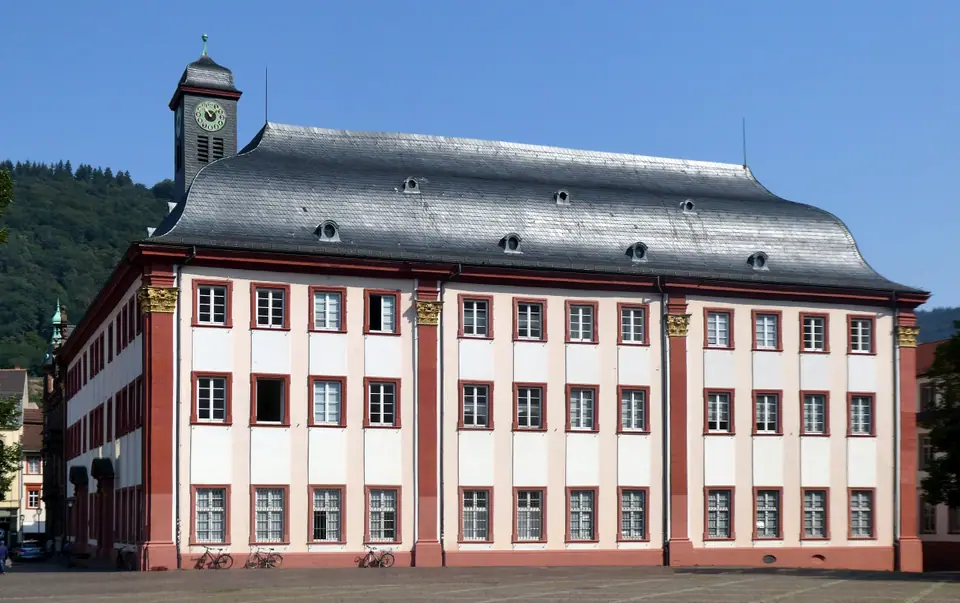
Facing paved Universitätsplatz rises the crisp Baroque Alte Universität, built between 1712 and 1728 as Domus Wilhelmina during post-1693 civic recovery. Its ground floor has housed the Universitätsmuseum since 1996, displaying academic gowns, historical instruments, and twentieth-century archives. Upstairs opens the timber-panelled Neo-Renaissance Alte Aula, lavishly remodelled for the university's 500th anniversary in 1886 with ceiling murals and carved oak galleries.
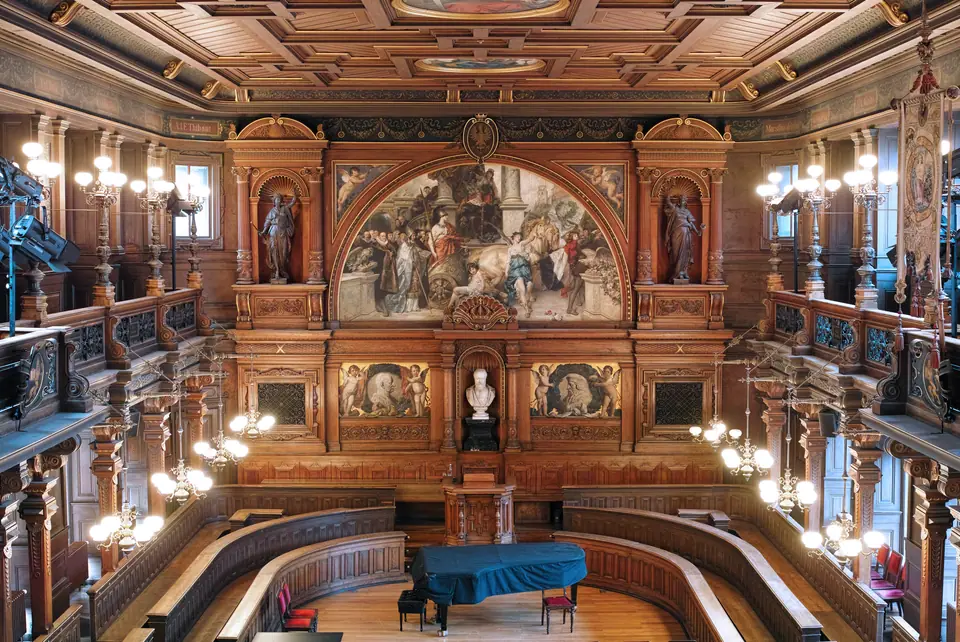
That ceremonial hall stays in active civic use rather than standing idle as a static gallery. Because the Alte Aula still hosts graduations, formal speeches, and chamber concerts, staff lock upper doors at short notice even while ground-floor exhibits stay open.
Inside the Studentenkarzer: Graffiti, Sentences and Rules
Slip behind the Alte Universität onto Augustinergasse 2 to climb worn timber stairs into Heidelberg's famous Studentenkarzer (shtoo-DEN-tuhn-KAR-tser, Student Prison). Exercising independent legal jurisdiction until 1914, university authorities detained undergraduates here from roughly 1778 onward for nocturnal singing, tavern brawls, extinguishing streetlamps, or illegal fencing duels. Sentences stretched from several days up to four weeks while detainees still attended daytime lectures before returning nightly to locked cells.
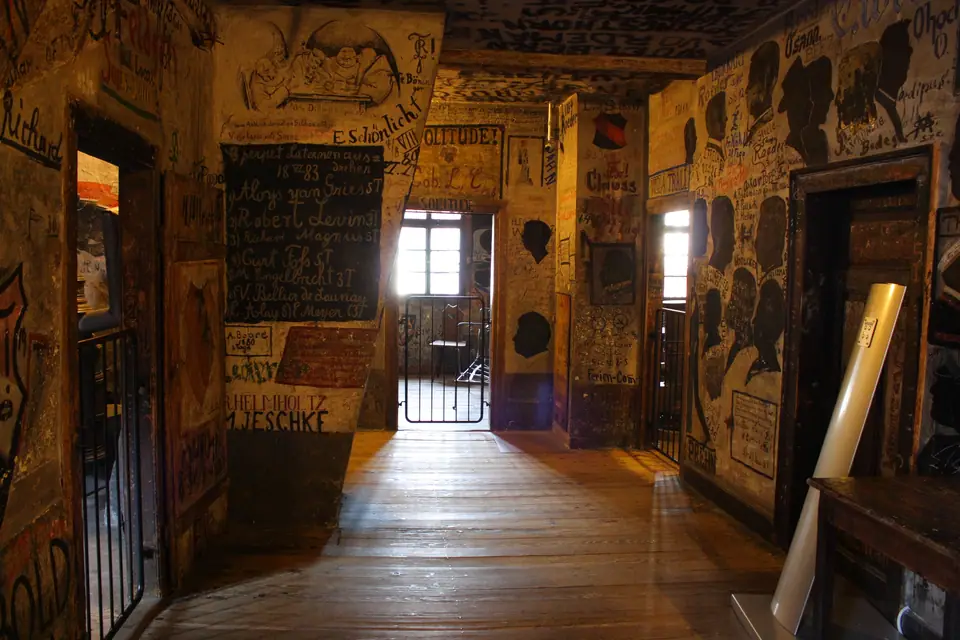
Idle evenings turned plain plaster into dark bohemian folk galleries. Detainees blackened ceilings with candle soot, painted fraternity crests, traced friend silhouettes, and left cheeky verses treating prison sentences as badges of pride. Rooms carried satirical nicknames like "Sanssouci" and "Grand Hotel" painted directly above iron-barred windows. Tight wooden shutters and bare bunk frames hint how dull forced evenings felt before playful detainees painted their shared folklore across every brick wall. Conservation teams continue multi-million-euro preservation on those fragile murals while keeping prison cells, museum rooms, and Alte Aula open together on one combined ticket.
Universitätsbibliothek and the Scattered Bibliotheca Palatina
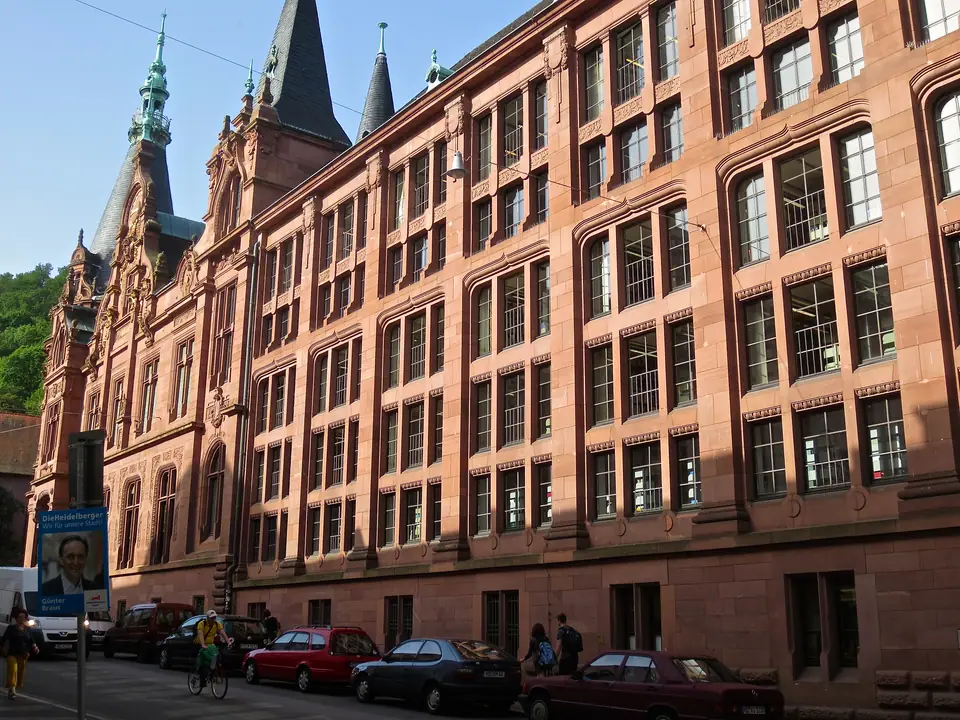
One block south stands the ornate red-sandstone Universitätsbibliothek, erected between 1901 and 1905 to Historicist and Art Nouveau designs by architect Josef Durm. Originating with the university's initial books in 1386 and formally established in 1421, library holdings crossed one million volumes in 1934. Today the collection exceeds 6.2 million items split between 3.2 million downtown and roughly 3.0 million across 38 branch libraries. Downstairs reading galleries glow warmly beneath arched reading windows busy daily with note-taking students across all disciplines.
Its upstairs exhibition gallery recalls a dramatic Thirty Years' War book seizure. Catholic League troops captured Heidelberg in 1622 and packed the Electoral Bibliotheca Palatina onto alpine wagons. Shipped to the Vatican Library in 1623, its German-language manuscripts (Codices Palatini germanici) returned home in 1816. Stored inside climate-controlled vaults lies its crown treasure: the early fourteenth-century Codex Manesse, illuminating Middle High German poets across 137 full-page miniatures. Because daylight fades delicate pigments rapidly, genuine parchment leaves storage solely for rare landmark exhibitions.
Neue Universität, Marstall Mensa and Student Numbers
Across Universitätsplatz stands the bright 1931 Neue Universität, funded substantially through donations raised by American alumnus Jacob Gould Schurman. Over its portal shines the humanist motto Dem lebendigen Geist ("To the Living Spirit"), briefly altered during Nazi rule before post-war restoration after 1945. Two minutes north near the river sits the sixteenth-century Marstall, once Electoral armoury and stables and today a lively student canteen (Zeughaus-Mensa) beside Neckar piers. Total university enrolments stood near 28,959 to 29,000 students in summer 2024, anchoring roughly 37,000 students citywide.
Walk past lecture entrances around midday to watch students crossing cobbled quads between seminars, cafés, and river benches. Quiet inner courtyards hide carved memorial plaques honouring faculty members dismissed during twentieth-century political purges. Wooden noticeboards inside entrance halls still flutter with shared-flat adverts, concert posters, and society flyers just as campus corridors have worked for generations.
Fifty-Seven City Nobel Links and Neuenheimer Feld Labs
Modern research traffic reaches far past Old Town cobbles. Twelve to thirteen faculties (reflecting 2003 organisational reforms) divide historic humanities downtown from sprawling natural-science and medical laboratories across the river in Neuenheimer Feld. University records count 33 Nobel laureates affiliated directly with Heidelberg University, nine winning while teaching here, beside 57 laureates linked broadly with Heidelberg as of 2021. Landscaped botanical glasshouses out in Neuenheimer Feld add quiet leafy refuge beside hospital towers.
Timing Academic Closures Without Missing Key Rooms
Slot the combined museum, Alte Aula, and Studentenkarzer visit neatly into our central walking sequence between Tuesday and Sunday rather than hitting quiet Monday closures. Confirm ceremonial notices ahead on uni-heidelberg.de before strolling the library exhibition gallery, saving sunny mornings for Philosophenweg panoramas back across town roofs. Evening strolls back across Universitätsplatz bring calm yellow lantern light onto Baroque cornices without tour-group bottlenecks. Pairing indoor archive halls with a brisk coffee beside library stairs makes damp valley afternoons pass warmly.
Where it is
- 1Germany's Oldest University
- Frankfurt Main Airport (FRA) · about 69 km from here in a straight line
- Directions in Google Maps
Stations and taxi ranks: OpenStreetMap. Airports: OurAirports. Distances are in a straight line.
Traveller tips
Real advice from people who have been to Heidelberg. Every tip is read by our team before it goes live.
No tips yet. Been here? Yours could be the first.
Thank you! Your tip will appear here after a quick review.
More in Heidelberg
Continue exploring Heidelberg with related neighbourhood, food, and planning guides
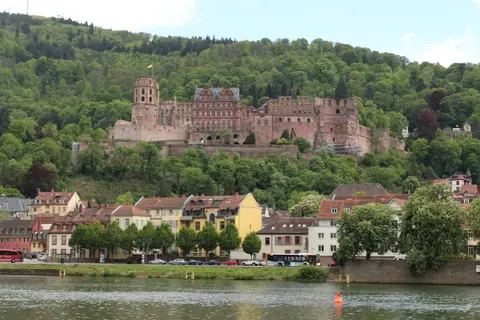
Heidelberg Castle Across War, Lightning and Romanticism
Heidelberg, Germany
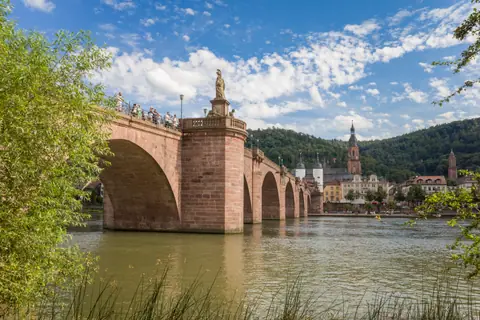
Alte Brücke, Schlangenweg and the Sunlit Heiligenberg
Heidelberg, Germany
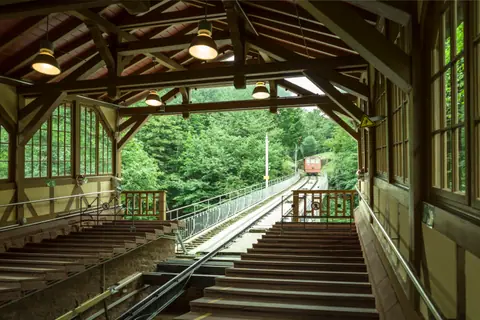
Riding the 1907 Wooden Mountain Railway up the Königstuhl
Heidelberg, Germany
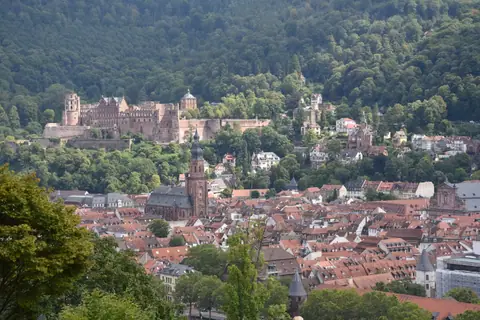
Heidelberg on the Neckar: Baroque Lanes Below Sandstone Ruins
Heidelberg, Germany
