


























Izmir: What to Know Before You Go
Navigating the Gulf of Izmir by ferry and tram, local Izmir food dialect and practical tips.
Short answer: use the white İzdeniz passenger ferries and the seafront Konak Tram rather than sitting in road traffic around the bay, tap any contactless Visa or Mastercard at transit turnstiles, time your market walks for the morning before midday summer heat, and wait for the afternoon İmbat sea breeze to cool the Kordon lawns.
How the Horseshoe Bay of Izmir Works
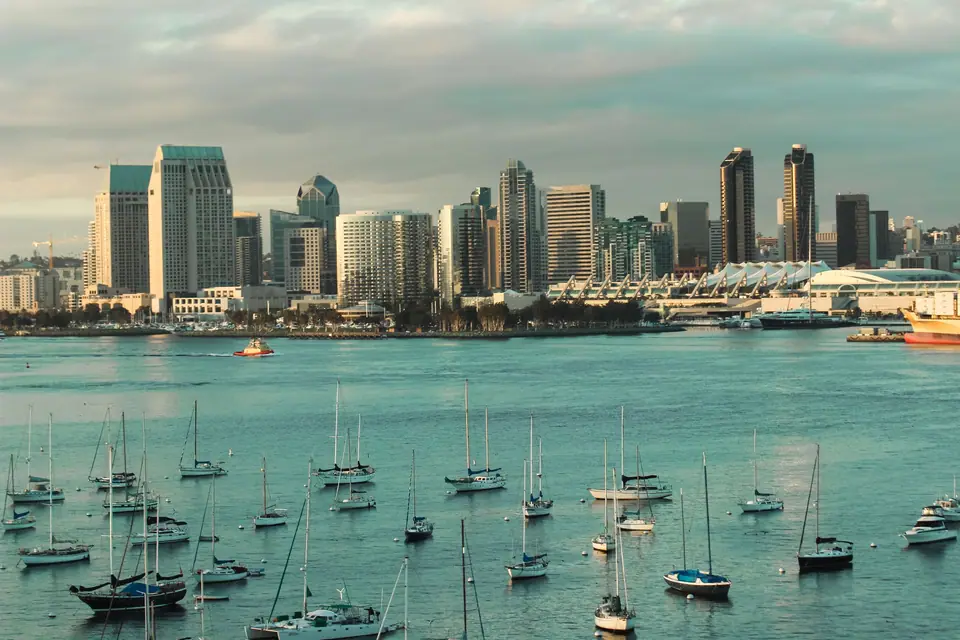
Izmir wraps around the eastern end of a deep U-shaped gulf. On the southern/eastern curve sit the historic and commercial quarters: Konak and Kemeraltı Bazaar in the south, historic hillside Karataş, Agora and Kadifekale behind them, and lively Pasaport and Alsancak stretching north to the port. Directly across the water on the northern shore lie the leafy waterfront boulevards of Karşıyaka and Bostanlı. Rather than driving twenty kilometres around the industrial head of the bay at Bayraklı, locals cross straight over the water in fifteen minutes on public ferries. Extending eighty kilometres west of the city is the vast Çeşme and Karaburun Peninsula, holding Urla, Seferihisar and Alaçatı.
Speaking "Izmirli": Five Local Words to Know
Residents of Izmir are famously proud of their own coastal vocabulary at bakery counters and street stalls:
- Gevrek (not Simit): in Izmir, the sesame-crusted bread ring dipped in boiling grape molasses (pekmez) before baking is always called gevrek ("crisp").
- Boyoz: the city's signature flaky, spiral unleavened pastry introduced by Sephardic Jewish bakers after 1492, eaten warm at breakfast with a baked egg and black tea.
- Çiğdem (not Çekirdek): roasted sunflower seeds shared on the grass along the Kordon at sunset.
- Kumru ("Turtledove"): a sesame-seeded chickpea-leavened roll tapered at both ends like a bird, stuffed with grilled sucuk, salam, melted kaşar or aged Izmir tulum cheese.
Cards, Cash and the Afternoon "İmbat" Breeze
Contactless bank cards work in almost all restaurants, museums and on public transport, though carrying 300 to 500 Turkish lira in small notes is useful for historic street-food ovens in Kemeraltı. Even on a 34°C July afternoon, a reliable westerly thermal sea breeze called the İmbat rises in the afternoon, cooling the waterfront cafes along the Kordon and Karşıyaka.
Traveller tips
Real advice from people who have been to Izmir: What to Know Before You Go. Every tip is read by our team before it goes live.
No tips yet. Been here? Yours could be the first.
Thank you! Your tip will appear here after a quick review.
More in Izmir
Continue exploring Izmir with related neighbourhood, food, and planning guides
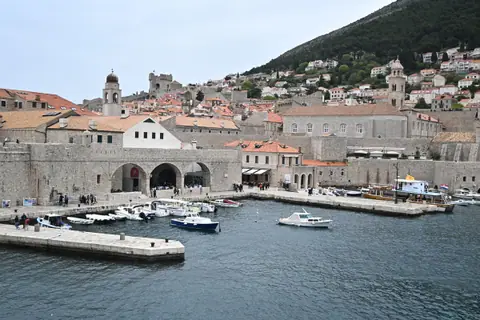
Foça (Phokaia) and Seferihisar (Sığacık): Slow Coastal Towns Near Izmir
Izmir, Turkey
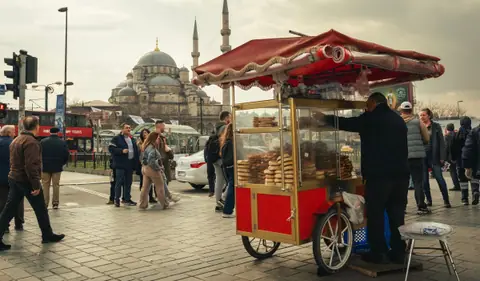
Izmir Street Food Guide: Boyoz, Kumru, Gevrek, Söğüş and Bomba
Izmir, Turkey
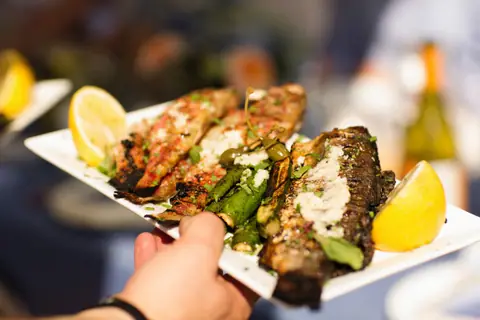
Aegean Meze, Wild Greens (Otlar) and Seafood Dining in Izmir
Izmir, Turkey
Getting to Izmir: Adnan Menderes Airport (ADB) İZBAN Train, Havaş and Coaches
Izmir, Turkey
