


























Kul Sharif Mosque in Kazan: History, Architecture and Visitor Guide
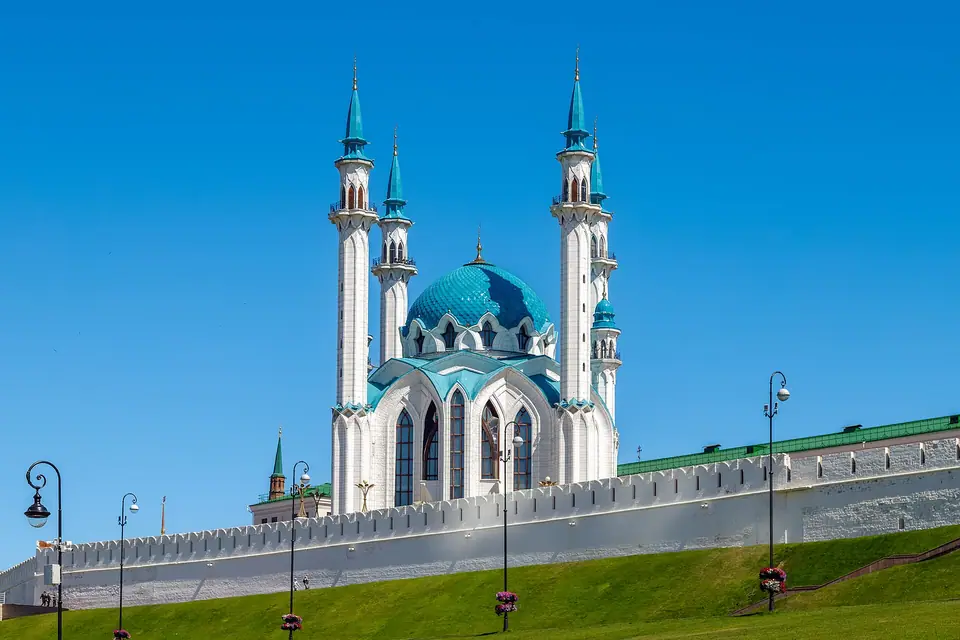
Visit the Kul Sharif Mosque inside the Kazan Kremlin, opened in 2005 on the site of the sixteenth-century Khanate mosque destroyed in 1552.
Crowning the western courtyard of the Kazan Kremlin in white marble, granite, and turquoise-blue roofing, the Kul Sharif Mosque (Qol Şərif məçete) is the spiritual emblem of modern Tatarstan and one of the largest mosques in Russia and Europe outside Istanbul. Built between 1996 and 2005 to commemorate the thousandth anniversary of Kazan, the mosque stands on the ground of the sixteenth-century congregational mosque of the Khanate of Kazan, which was destroyed when Tsar Ivan the Terrible's troops stormed the citadel on 2 October 1552.
Sayyid Qolşärif and the 1552 Siege of Kazan
The mosque honours Sayyid Qolşärif (Kul Sharif), a sixteenth-century poet, diplomat, and religious scholar who served as the leading imam in the capital of the Khanate of Kazan. When a Muscovite army, traditionally put at 150,000 men, laid siege to Kazan in August 1552 and Russian sappers blew up the fortress walls near the Nogai and Atalıq gates on 2 October, Qolşärif and his madrasa students mounted a final defence on the steps and rooftop of the multi-minaret citadel mosque, where they were killed in hand-to-hand fighting and the building burned. For more than four hundred years the western half of the Kremlin housed military barracks and the Junkers' Cadet School until Tatarstan President Mintimer Shaimiev signed a foundational decree in November 1995 ordering both the reconstruction of the Kul Sharif Mosque and the simultaneous restoration of the Orthodox Annunciation Cathedral inside the Kremlin.
Exterior Architecture, the Tulip Dome and Interior Craftsmanship
Designed by a team of Tatarstan architects led by Shamil Latypov, Iskander Sayfullin, Airat Sattarov, and Mikhail Safronov and funded largely through public donations, the new mosque was inaugurated on 24 June 2005 before a crowd of 17,000 people and delegations from 40 countries. Because the original sixteenth-century structure left no architectural drawings, the designers combined medieval Volga Bulgar and Kazan Tatar decorative traditions with contemporary engineering:
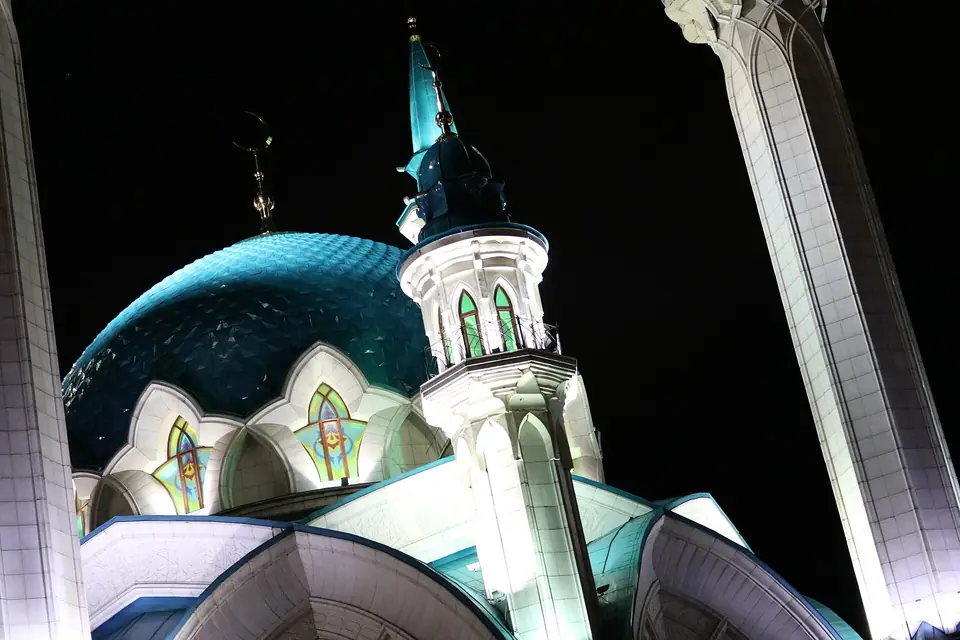
- Four Major Minarets and Cupola Tents: Four slender main minarets faced in white Ural marble rise from the corners of the central square pavilion, with tent-shaped cupolas that recall the eight-minaret Khanate mosque as reconstructed by modern historians.
- The Kazan Cap and Tulip Windows: The central turquoise dome is shaped after the historic Kazan Cap (the sixteenth-century crown of the Kazan khans now preserved in the Moscow Kremlin Armoury), pierced by tall lancet stained-glass windows curved like blossoming tulips, the traditional Bulgar symbol of rebirth.
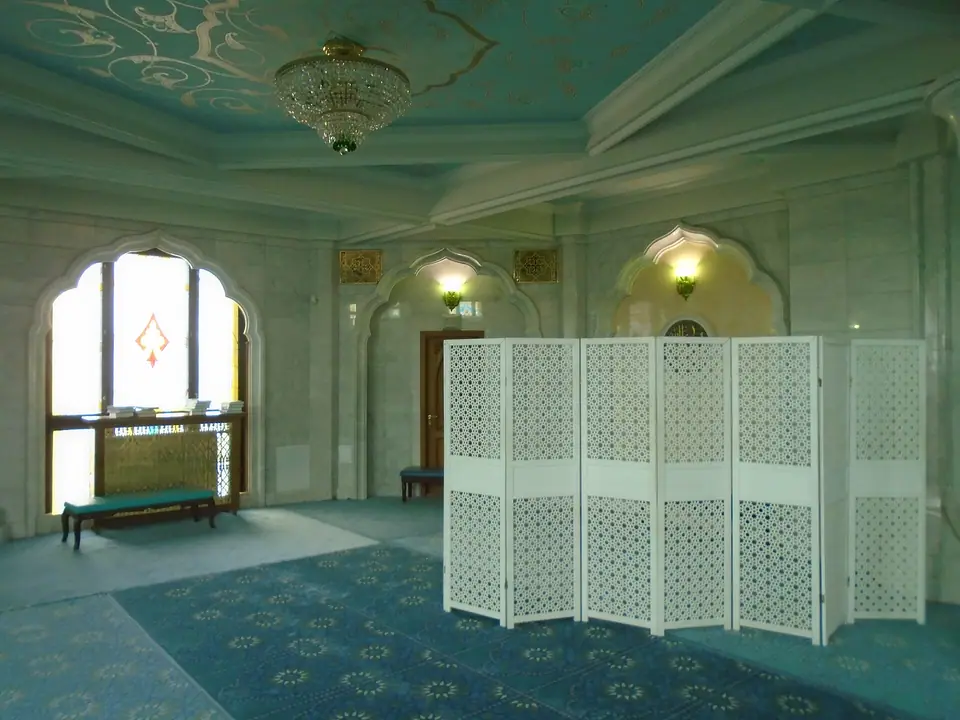
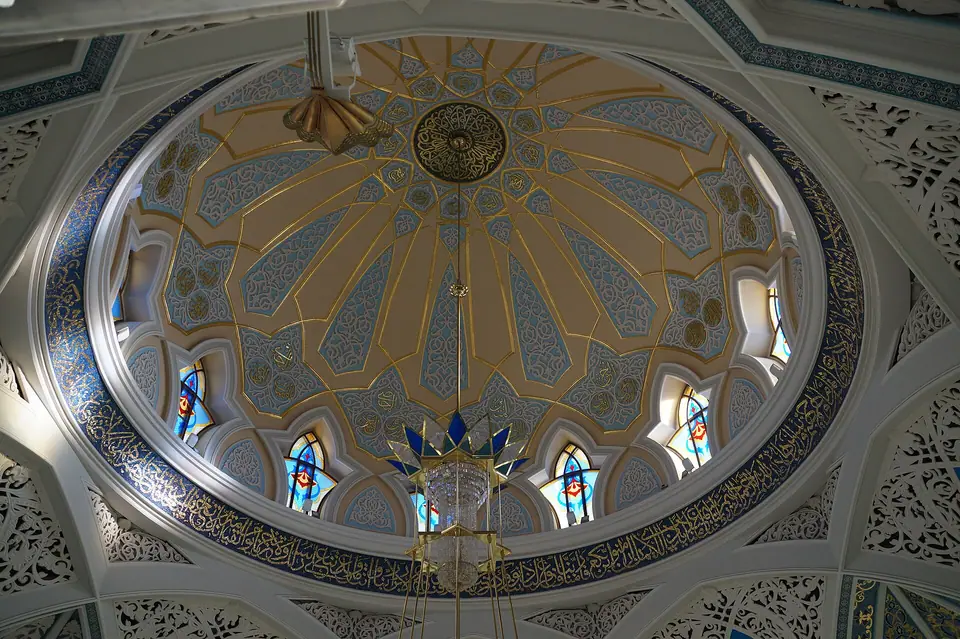
- Prayer Hall and Decorative Arts: Inside, the vaulted dome is inscribed with golden Arabic calligraphy from the Quran and illuminated by a Czech crystal chandelier weighing about two tonnes, while hand-woven Persian carpets donated by the government of Iran cover the main prayer floor and carved white marble and jade panels frame the mihrab.
Visiting Practicalities, Viewing Balconies and the Museum of Islam
While the ground-level prayer hall is reserved for worshippers, tourists of all faiths are welcomed daily free of charge via the main entrance into the vestibule and up two separate spiral staircases to elevated glass-fronted viewing balconies on the upper level, which provide an unobstructed view across the chandelier, the mihrab, and the calligraphic ceiling without disturbing prayers. Modest attire is required: shoulders and knees must be covered, and women should cover their hair (headscarves and wrap-around skirts are provided at the entrance desk). On the lower basement level of the complex, the Museum of Islamic Culture (ticketed separately) traces the spread of Islam along the middle Volga from the tenth-century conversion of Volga Bulgaria in 922 AD through the 1803 printing of the first Kazan Quran and the nineteenth-century Jadid educational reform movement in the Old Tatar Quarter.
Traveller tips
Real advice from people who have been to Kul Sharif Mosque in Kazan: History, Architecture and Visitor. Every tip is read by our team before it goes live.
No tips yet. Been here? Yours could be the first.
Thank you! Your tip will appear here after a quick review.
More in Kazan
Continue exploring Kazan with related neighbourhood, food, and planning guides
Bauman Street, Epiphany Bell Tower and Saints Peter and Paul Cathedral
Kazan, Russia
Old Tatar Quarter (İske Tatar Bistäse) and Märcani Mosque Guide
Kazan, Russia
Lake Kaban, Kamal Tatar Theatre and Ekiyat Puppet Theatre Guide
Kazan, Russia
Palace of Farmers, Kazanka Embankment and Kazan Family Center
Kazan, Russia
