


























What to Eat in Kazan: Öçpoçmaq, Qıstıbí, Göbädiä and Chak-Chak
Taste authentic Volga Tatar cuisine in Kazan: triangular öçpoçmaq meat pastries, potato-stuffed qıstıbí flatbreads, layered göbädiä pie, and chak-chak.
Shaped over fifteen centuries at the crossroads of the northern forest zone and the southern steppe along the Volga and Kama rivers, the cuisine of the Volga Tatars blends the pastoral meat-and-dairy heritage of the medieval Volga Bulgars with settled grain farming, forest beekeeping, and Silk Road trade in rice, tea, walnuts, and dried fruits from Central Asia. In the late 1960s, Kazan master chef Yunus Akhmetzyanov (1927 to 1984) codified hundreds of traditional village recipes and brought Tatar national dishes into public restaurants across the city, making Kazan one of Russia's most distinctive culinary destinations.
Savoury Baked Dough Classics: Öçpoçmaq, Qıstıbí, Pärämäç and Bäleş
No meal in Kazan begins without golden oven-baked or pan-roasted dough specialities served alongside a steaming bowl of clear meat or chicken broth (şulpa) thickened with hand-cut egg noodles (toqmaç):
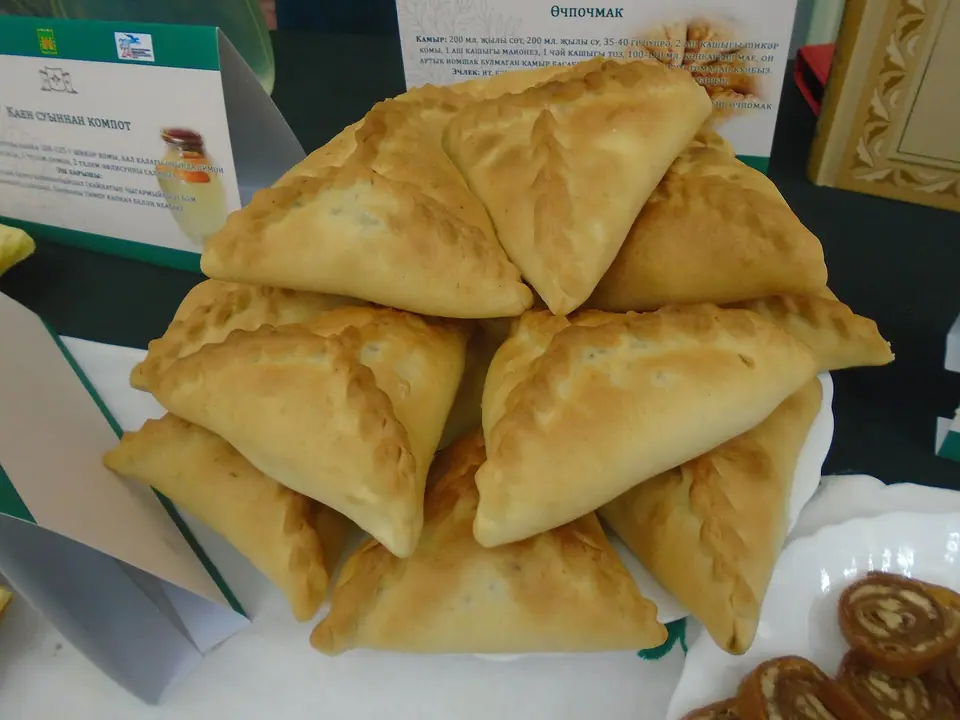
- Öçpoçmaq (Echpochmak): Literally meaning triangle in Tatar, öçpoçmaq is the iconic three-cornered turnover stuffed with finely diced (never minced) fatty beef, lamb, or goose mixed raw with chopped onion and cubed potato so the juices steam inside the pastry crust during baking. Traditionally a small circular opening was left in the top so hot meat bouillon could be poured inside immediately before eating.
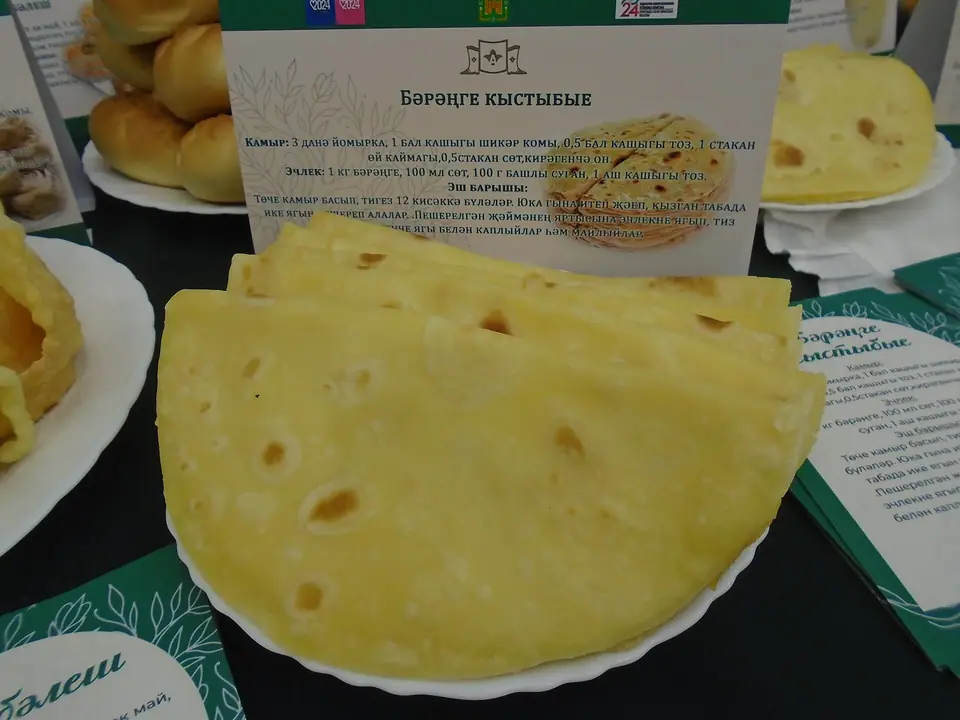
- Qıstıbí (Kystybyi): One of the oldest and simplest Volga Tatar dishes (also called küzikmäk), qıstıbí is a thin unleavened flatbread dry-roasted in a hot skillet, folded in half around a generous filling of warm mashed potatoes with sautéed onions (or cooked millet porridge, the pre-nineteenth-century classic), and brushed on both sides with melted clarified butter.
- Pärämäç (Peremech) and Bäleş (Belesh): Pärämäç is a flattened round fried pastry with a pleated circular window in the top crust exposing a spiced minced beef and onion filling, traditionally eaten hot with sour milk (qatıq) or diluted äyrän. For family gatherings, Tatars bake zur bäleş, a large deep-dish pie in a cast-iron pan filled with diced mutton, beef, or duck and potatoes, topped with a dough plug that is lifted at the table to ladle in rich broth.
Festive Main Dishes, Göbädiä Pie and Horse-Meat Delicacies
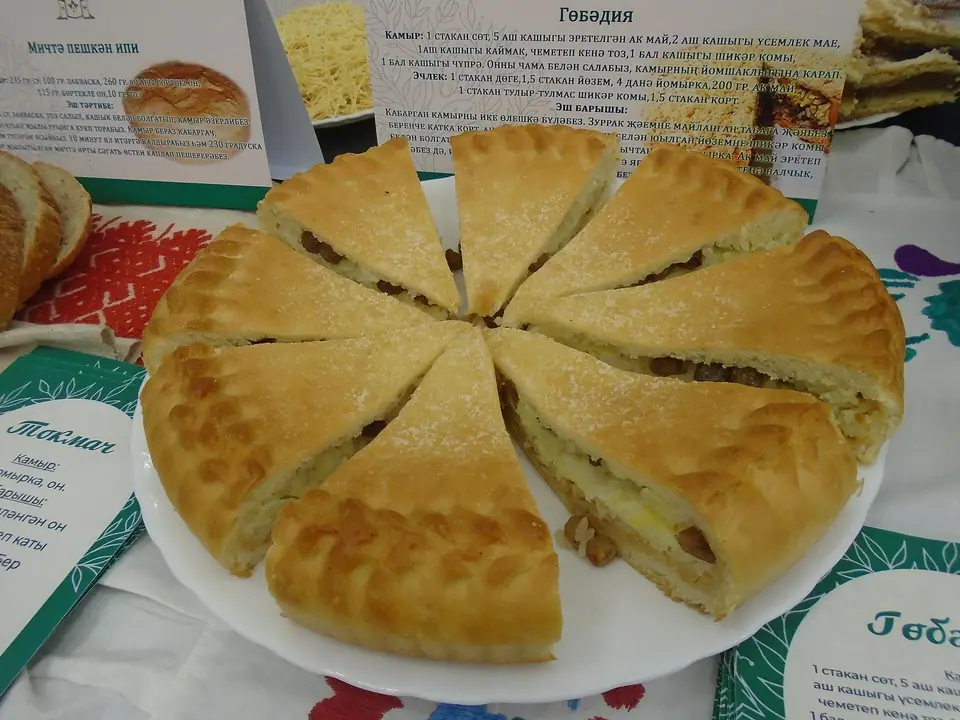
Beyond individual pastries, urban Kazan Tatar banquets showcase slow-cooked meats and ceremonial pies. Kazan pilaw is steamed with boiled beef or mutton and dried fruits, while cured horse-meat sausage (qazılıq) and salted air-dried goose are sliced thin as prized cold starters. Unique to urban Kazan Tatars is göbädiä (gubadiya), a tall, round multilayered celebratory pie served at weddings and holidays: inside a crisp pastry shell, bakers layer boiled rice, chopped hard-boiled eggs, plump raisins, dried apricots and prunes, and a signature deep-caramel layer of qort, red cottage cheese slowly simmered with sour milk and sugar until dry and crumbly, before drizzling melted butter over the top crust.
Chak-Chak, Baursak and Tatar Tea Hospitality
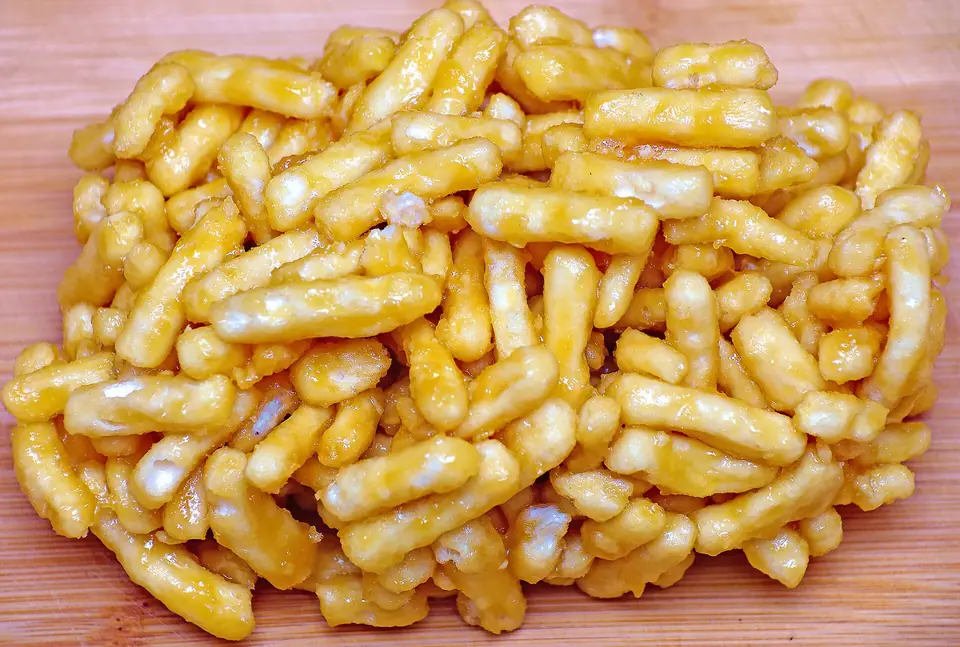
Hospitality in Kazan revolves around long tea ceremonies poured from a samovar into small, low rounded cups accompanied by milk, aromatic forest herbs (oregano and mint), and honey-drenched sweets. The undisputed emblem of Tatar confectionery is çäkçäk (chak-chak): unleavened egg-dough rolled into hazelnut-sized beads or thin short noodles, deep-fried in oil until airy, and bound together in a glistening mound with hot boiled floral honey. Historically presented by the bride at wedding receptions (and celebrated on 14 June 2018 during the FIFA World Cup in Kazan with a world-record 4,026.4-kilogram chak-chak), it is joined at the tea table by pillowy fried dough balls (bawırsaq), paper-thin fried pastry ribbons dusted with icing sugar called qoş tele (bird's tongues), and rolled sweet pies (qatlama). Visitors can sample freshly made varieties at the Chak-Chak Museum on Paris Commune Street in the Old Tatar Quarter, at the legendary DomChay tea house on Bauman Street, or at the Central Market (Kolkhozny Rynok).
Traveller tips
Real advice from people who have been to What to Eat in Kazan: Öçpoçmaq, Qıstıbí, Göbädiä and Chak-Chak. Every tip is read by our team before it goes live.
No tips yet. Been here? Yours could be the first.
Thank you! Your tip will appear here after a quick review.
More in Kazan
Continue exploring Kazan with related neighbourhood, food, and planning guides
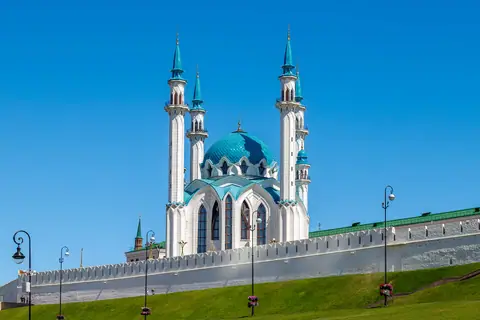
Kul Sharif Mosque in Kazan: History, Architecture and Visitor Guide
Kazan, Russia
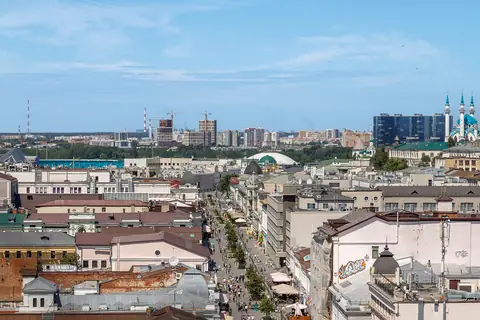
Bauman Street, Epiphany Bell Tower and Saints Peter and Paul Cathedral
Kazan, Russia
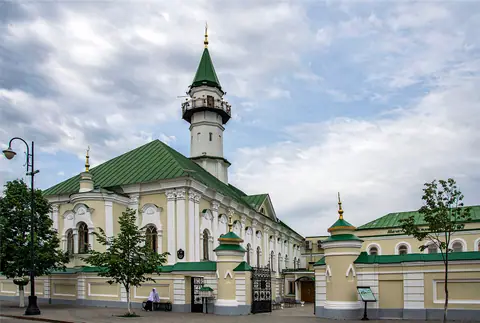
Old Tatar Quarter (İske Tatar Bistäse) and Märcani Mosque Guide
Kazan, Russia
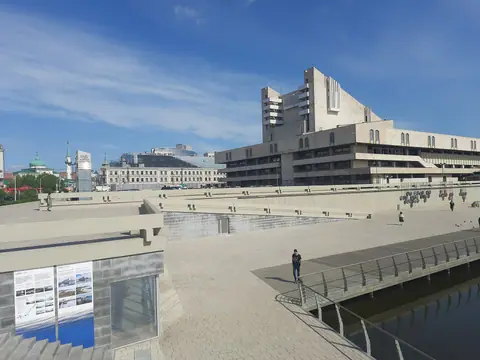
Lake Kaban, Kamal Tatar Theatre and Ekiyat Puppet Theatre Guide
Kazan, Russia
