


























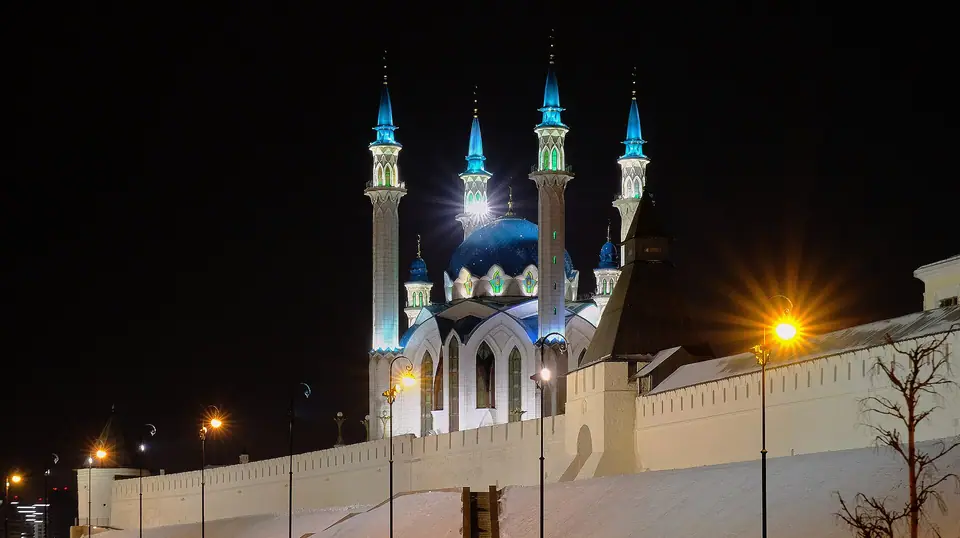
Best Time to Visit Kazan: Weather, Sabantuy Festival and Seasons
Compare Kazan's seasons using 1991-2020 climate normals: warm Volga summers, the June Sabantuy festival, August Republic Day, and snowy winters.
Situated far inland on the East European Plain at latitude 55 degrees 47 minutes north, Kazan experiences a humid continental climate (Köppen classification Dfb) with more pronounced seasonal contrasts than Moscow or Saint Petersburg: summers are noticeably warmer and sunnier for its latitude, while winters are crisp, snow-covered, and colder than western Russia. According to 1991 to 2020 official meteorological records from WMO Station 27595, the city averages 566 millimetres of annual precipitation and 5.1 degrees Celsius across the year.
May to August: Sunny Volga Summers and River Navigation
Late spring and summer are the most popular months to visit Kazan. In May, average afternoon highs climb to 19.7 degrees Celsius (with overnight lows of 9.0 degrees Celsius and 290.1 hours of sunshine), rising to 23.6 degrees Celsius in June, 25.8 degrees Celsius in July (the warmest and sunniest month, with 316.1 sunshine hours and overnight lows of 15.8 degrees Celsius), and 23.5 degrees Celsius in August. All passenger hydrofoils and river boats operate from the Kazan River Port to Sviyazhsk and Bolgar, while pedal boats and open-air terraces fill Lower Kaban Lake and the Kremlin Embankment.
Sabantuy (June) and Republic Day (30 August)
Two signature celebrations headline the summer cultural calendar:
- Sabantuy (Plough Festival, June): Celebrated across Tatarstan in June after the completion of spring sowing, this centuries-old Volga Tatar festival gathers crowds in Kazan's birch groves (such as around Lake Lebyazhye and Mirny) for traditional köräş belt-wrestling, horse racing, sack and egg-and-spoon races, vertical pole climbing, accordion music, and outdoor cauldrons of pilaw and chak-chak.
- Republic of Tatarstan and City Day (30 August): Every 30 August Kazan celebrates both Republic Day and the anniversary of the city with street concerts along Bauman Street, equestrian events, the open-air Kazan Autumn opera gala on Palace Square before the Palace of Farmers, and fireworks over the Kazanka River.
September and April: Mild Shoulder Months and Autumn Parks
September brings comfortable early-autumn walking weather with average daytime highs of 16.8 degrees Celsius and lows of 8.7 degrees Celsius across 156.3 hours of sunshine, turning the linden and maple avenues of Gorky Park, Chernoye Ozero, and Lyadskoy Garden golden before Volga passenger navigation winds down in October (when average highs cool to 8.5 degrees Celsius). In spring, rapid snowmelt in April raises average daytime temperatures from 0.3 degrees Celsius in March to 10.5 degrees Celsius in April, making late April an uncrowded window for exploring the Kremlin museums and theatrical performances.
November to March: Snowy Citadel Walls and Winter skating
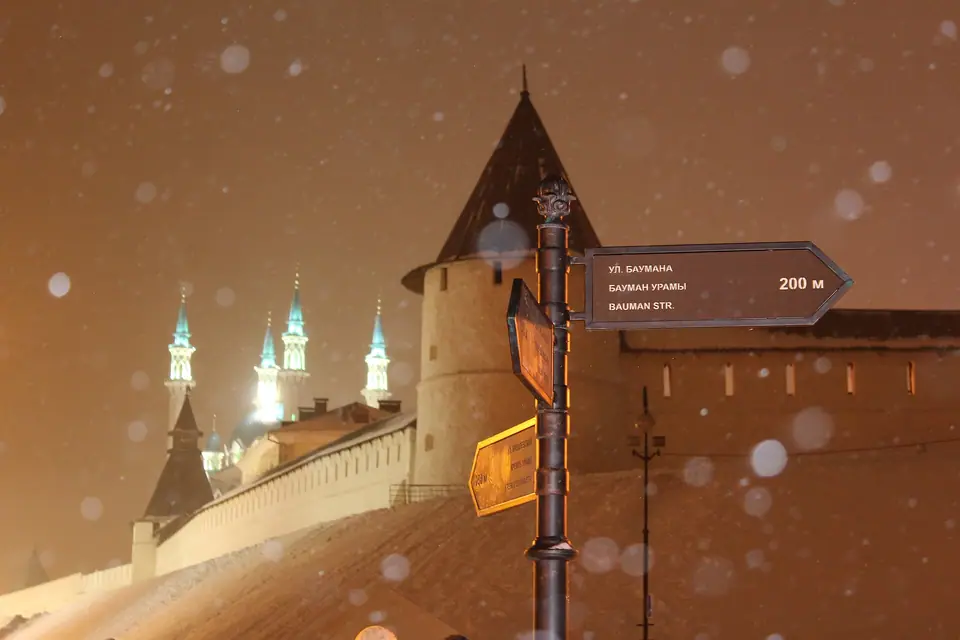
Snow cover typically settles in November (average high minus 0.3 degrees Celsius) and lasts through March, reaching an average depth of 30 centimetres in January, 42 centimetres in February, and 44 centimetres in March. January and February are the coldest months, with average daytime highs of minus 7.1 degrees Celsius and minus 6.3 degrees Celsius and average overnight lows of minus 12.8 degrees Celsius and minus 12.7 degrees Celsius. Clear winter nights showcase the illuminated white towers of the Kazan Kremlin and the turquoise dome of the Kul Sharif Mosque against deep snow, while the Kremlin Embankment opens its riverside skating rink and hovercraft (pneumocushion boats) cross the frozen Volga.
What to Pack for Volga Sun, Showers and Winter Frost
Summer visitors should pack breathable cotton clothing, sunglasses, a light rain jacket for brief July showers (62 millimetres across 16 rain days), and a headscarf for visiting mosques and Orthodox churches; winter travellers need an insulated down coat, thermal base layers, wool hat and gloves, and waterproof non-slip boots for snowy cobbles.
Traveller tips
Real advice from people who have been to Best Time to Visit Kazan: Weather, Sabantuy Festival and Seasons. Every tip is read by our team before it goes live.
No tips yet. Been here? Yours could be the first.
Thank you! Your tip will appear here after a quick review.
More in Kazan
Continue exploring Kazan with related neighbourhood, food, and planning guides
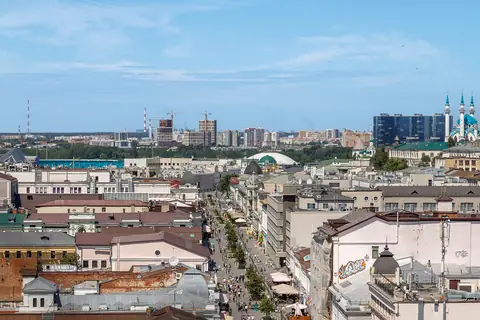
Bauman Street, Epiphany Bell Tower and Saints Peter and Paul Cathedral
Kazan, Russia
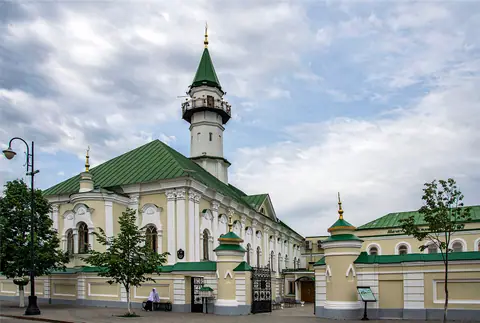
Old Tatar Quarter (İske Tatar Bistäse) and Märcani Mosque Guide
Kazan, Russia
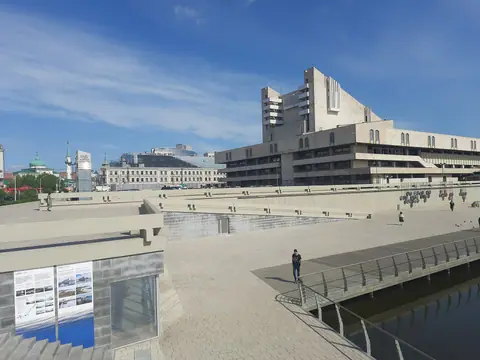
Lake Kaban, Kamal Tatar Theatre and Ekiyat Puppet Theatre Guide
Kazan, Russia
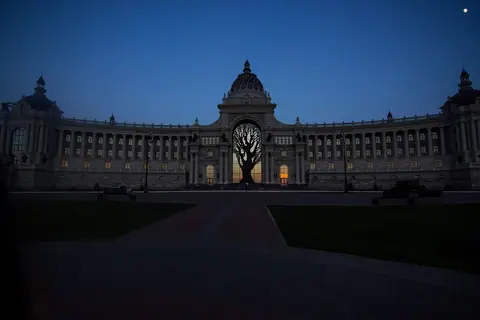
Palace of Farmers, Kazanka Embankment and Kazan Family Center
Kazan, Russia
