


























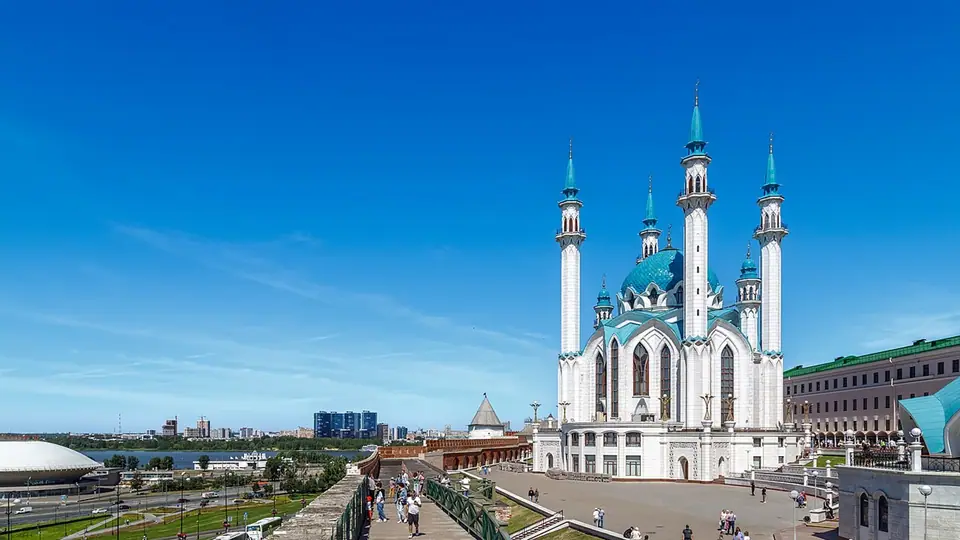
Kazan: Layout, Districts and Essential Planning
Understand how Kazan is organised around the Volga and Kazanka rivers, the Bolaq Canal, the Kremlin ridge, and the historic Old Tatar Quarter.
Spread across 425.3 square kilometres where the Kazanka River flows into the broad Volga Reservoir, Kazan is the capital of the Republic of Tatarstan and home to 1,308,660 residents according to the 2021 census (with roughly 1.8 million people across the metropolitan area). Celebrated for its millennium in 2005 after archaeologists dated finds inside the citadel, including a tenth-century Czech coin of Saint Wenceslaus, to around 1005 AD, the city takes its name from the Tatar word qazan, meaning cauldron or boiler. For more than four centuries after the 1552 Russian conquest of the Khanate of Kazan, urban development unfolded along two distinct cultural axes that still make the city centre remarkably intuitive to navigate on foot.
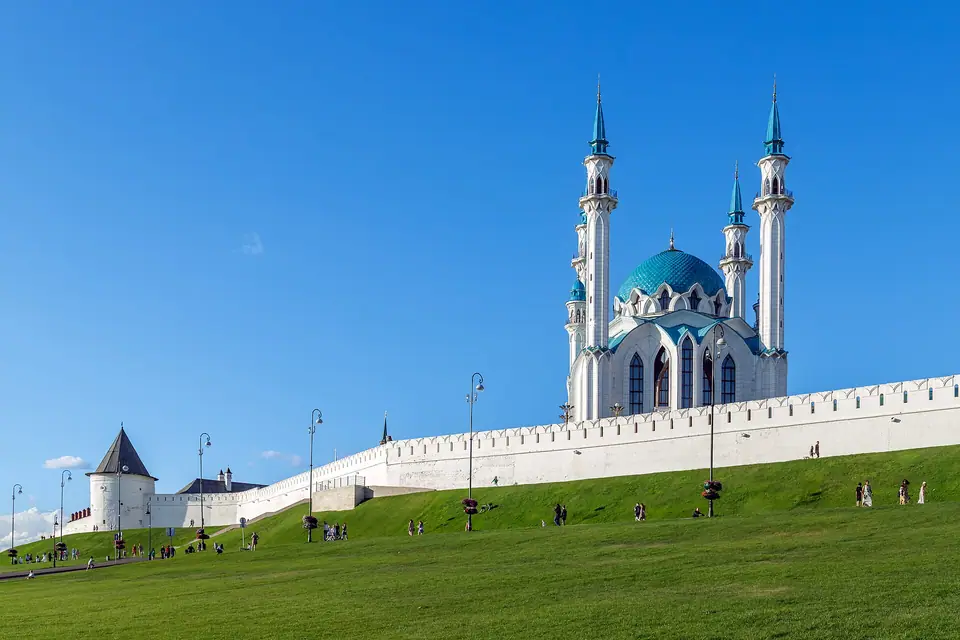
The Upper City and the Bolaq-Kaban Divide
Historically, central Kazan within the Vakhitovsky District was divided by the two-kilometre Bolaq (Bulak) channel and the chain of the Kaban Lakes into two contrasting halves:
- The Upper City (Qazan Bistäse or Kazanskiy Posad): Occupying the elevated ridge south and east of the Kazan Kremlin, the upper town developed after 1552 as the administrative, academic, and merchant quarter. Two parallel arteries run southeast from the foot of the Kremlin toward Tukay Square: pedestrian Bauman Street in the lower depression and tree-lined Kremlyovskaya Street along the crest of the hill, leading to the neoclassical campus of Kazan Federal University.
- The Old Tatar Quarter (İske Tatar Bistäse): Situated on the flat plain southwest of the Bolaq channel and along the western shore of Lower Kaban Lake, this neighbourhood was settled in the sixteenth century by Tatars relocated outside the fortress walls. Following Empress Catherine the Great's 1767 visit to Kazan and her 1773 edict on religious tolerance, wealthy Tatar industrialists, scholars, and merchants built colourful timber and brick mansions and stone mosques along Kayum Nasyri and Tukay streets, anchored by the 1770 Märcani Mosque.
- The Right Bank of the Kazanka (Novo-Savinovsky and Moskovsky Districts): Linked to the historic core by five road and metro bridges including the 835-metre cable-stayed Millennium Bridge and the Leninskaya Dam, the northern bank of the Kazanka River holds the cauldron-shaped Kazan Family Center, modern hotels, and the 45,379-seat Ak Bars Arena built for the 2013 Summer Universiade and 2018 FIFA World Cup.
Getting Around and Trilingual Wayfinding
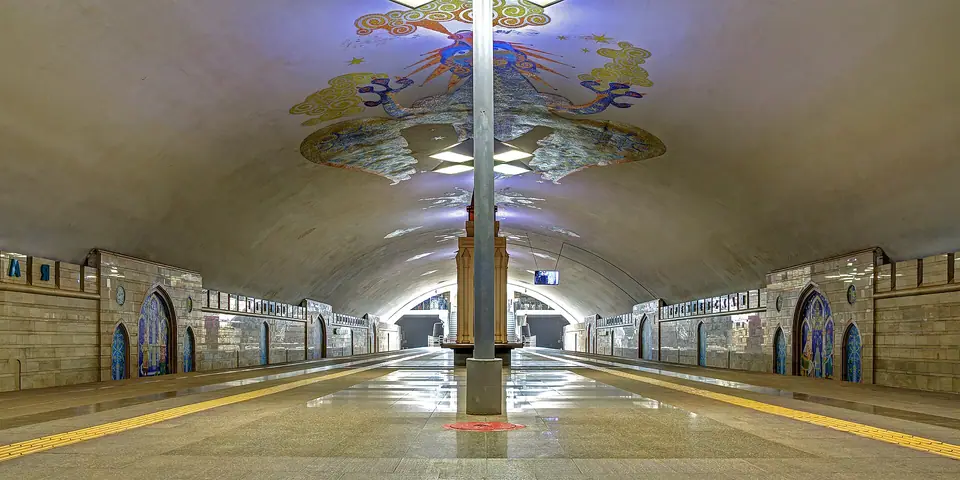
Prior to hosting the 2013 Summer Universiade and six matches of the 2018 FIFA World Cup, Kazan introduced trilingual signage and automated audio announcements in Russian, Tatar, and English across its public transit network and major pedestrian streets. Opened on 27 August 2005 for the city's millennium, the single-line Kazan Metro spans nearly 16 kilometres across 11 stations, linking Kremlyovskaya (at the foot of the Kremlin) with Ploshchad Tukaya (at the southern end of Bauman Street), Sukonnaya Sloboda (near the Ekiyat Puppet Theatre), and Kozya Sloboda on the north bank of the Kazanka. On the surface, distinctively painted red municipal buses and green trolleybuses accept Russian-issued contactless bank cards and rechargeable electronic transport cards; foreign Visa and Mastercard cards do not work in Russia, so visitors use a transport card bought with cash.
When to Visit and How Long to Stay
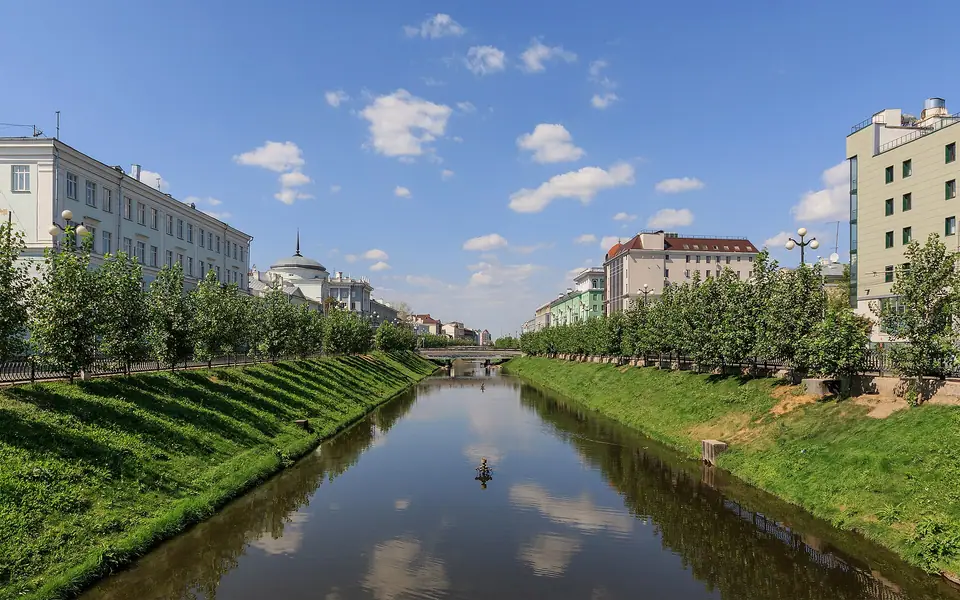
Three full days allow travellers to cover the Kremlin museums, Bauman Street, the Old Tatar Quarter, the Kazanka embankment, and the Temple of All Religions in Staroye Arakchino, while a fourth day opens up a Volga excursion to the 1551 island fortress of Sviyazhsk or the medieval Bulgar capital of Bolgar. Warm, sunny summers from May through September bring average July highs of 25.8 degrees Celsius and active river navigation, whereas snowy winter months showcase illuminated fortress walls and hot Tatar pastries inside historic tea houses.
Traveller tips
Real advice from people who have been to Kazan: Layout, Districts and Essential Planning. Every tip is read by our team before it goes live.
No tips yet. Been here? Yours could be the first.
Thank you! Your tip will appear here after a quick review.
More in Kazan
Continue exploring Kazan with related neighbourhood, food, and planning guides
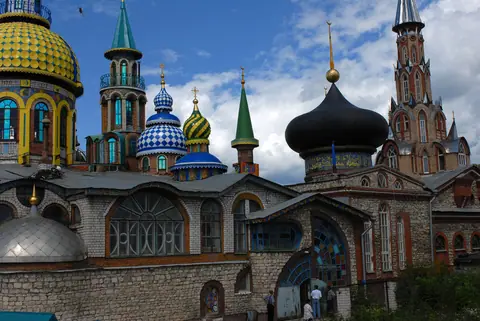
Temple of All Religions and Kazan Federal University: Cultural Landmarks
Kazan, Russia
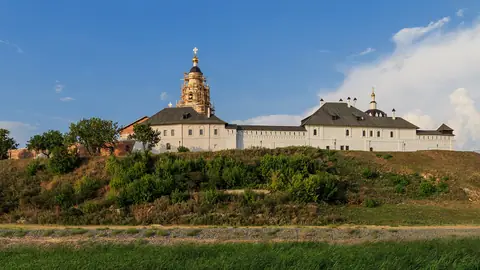
Day Trips from Kazan: Sviyazhsk Island, Ancient Bolgar and Raifa Monastery
Kazan, Russia
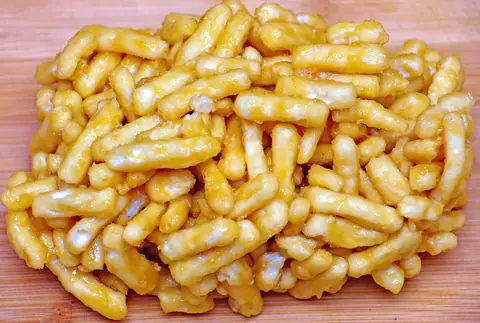
What to Eat in Kazan: Öçpoçmaq, Qıstıbí, Göbädiä and Chak-Chak
Kazan, Russia
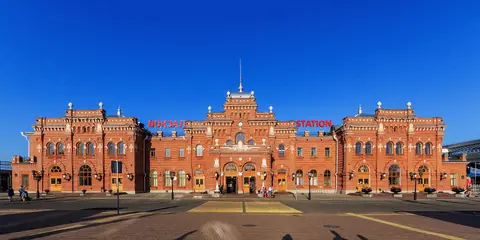
How to Get to Kazan and Get Around: Airport, Trains, Metro and Boats
Kazan, Russia
