


























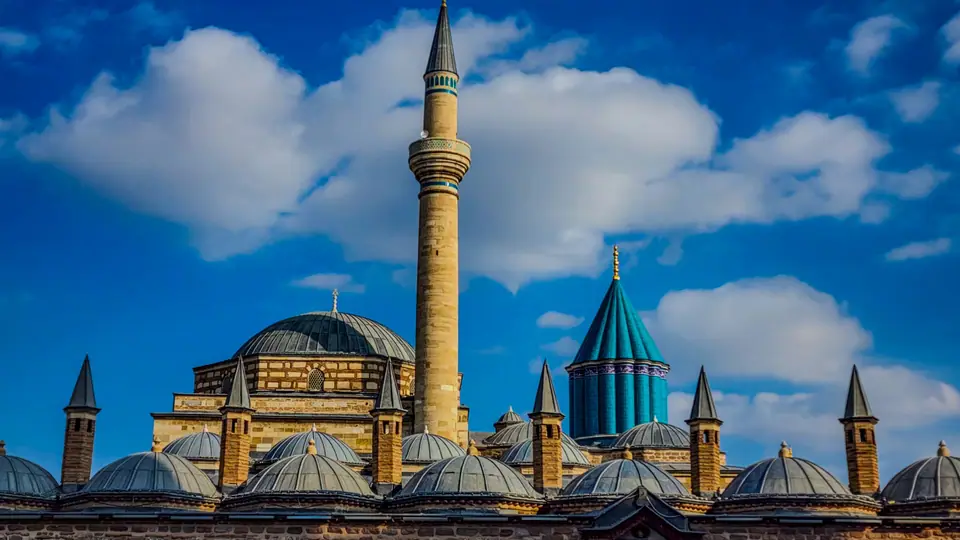
The Mevlana Museum and the Green Dome (Kubbe-i Hadra): Complete Guide
Stepping inside the Rose Garden of the Seljuk Sultans to visit the turquoise-tiled mausoleum of Mevlana Rumi.
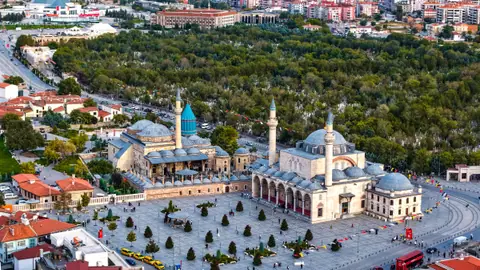
Originally a rose garden gifted to Mevlana's father, the scholar Bahaeddin Veled, by Seljuk Sultan Alaeddin Keykubad I in 1228, the Mevlana Museum (Mevlana Müzesi) served for over six centuries as the central lodge (Asitane / Dergah) of the Mevlevi Sufi Order before opening as one of Turkey's first museums in 1926. When Mevlana Jalal al-Din Rumi passed away on 17 December 1273, a night he called Şeb-i Arus, architect Tebrizli Bedreddin erected a four-pillared mausoleum over his grave, crowned in 1396 by its landmark sixteen-faceted cylindrical drum sheathed in gleaming turquoise glazed tiles (Kubbe-i Hadra, "The Green Dome").
What to See Inside the Courtyard and Mausoleum
Admission to the Mevlana Museum is completely free. Enter through the western Dervişan Kapısı into a peaceful marble-paved courtyard planted with roses:
- The Şadırvan & Şeb-i Arus Pool: in the centre of the courtyard stands the 1512 ablution fountain built under Sultan Selim I, beside an octagonal stone basin where dervishes once whirled outdoors.
- The Tilavet Odası (Chanting Room) & Sarcophagus of Mevlana: slip disposable blue covers over your shoes and enter through the 1599 silver-plated door into the calligraphy gallery. Beneath the soaring Turquoise Dome rests Mevlana's sarcophagus alongside his son Sultan Veled, draped in a magnificent gold-thread-embroidered velvet cover gifted by Sultan Abdülhamid II in 1894, while Rumi's father Bahaeddin Veled's carved 13th-century walnut wood cenotaph stands upright at the rear.
- The Semahane (Ritual Hall) & Mosque: built under Sultan Suleiman the Magnificent, displaying the world's oldest surviving handwritten 1278 manuscript of the Masnavi, antique ney flutes, Rumi's own wool robes and silk prayer rugs.
The Dervish Cells (Hücreler) and the Matbah-ı Şerif (Sacred Kitchen)
Lining the northern and western sides of the courtyard are the seventeen domed Dervish Cells built in 1584 by Sultan Murad III, each recreating the disciplined daily study and weaving life of the dedegan (dervish masters). In the south-west corner, do not miss the Matbah-ı Şerif (Dervish Kitchen): in Mevlevi tradition, the kitchen was not merely for cooking food, but the primary spiritual school where a novice (can) underwent a 1,001-day apprenticeship of humility (çile), indicated by wax figures showing how novices stood on their left big toe placed over their right big toe in the posture of prayer and silence before receiving their tall camel-hair hat (sikke). Right next door to the exit stands monumental 16th-century Ottoman Selimiye Mosque.
Traveller tips
Real advice from people who have been to The Mevlana Museum and the Green Dome (Kubbe-i Hadra): Complete. Every tip is read by our team before it goes live.
No tips yet. Been here? Yours could be the first.
Thank you! Your tip will appear here after a quick review.
More in Konya
Continue exploring Konya with related neighbourhood, food, and planning guides
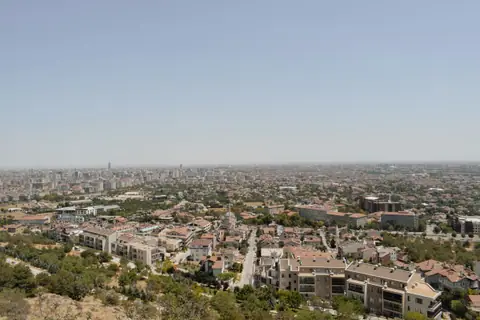
Where to Stay in Konya: Mevlana Quarter (Karatay), Selçuklu and Meram Compared
Konya, Turkey
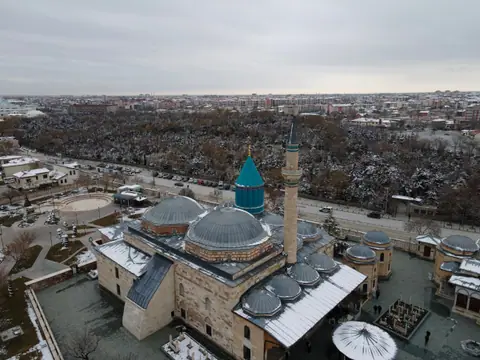
Best Time to Visit Konya: Spring Steppe, Autumn Light and December Şeb-i Arus
Konya, Turkey
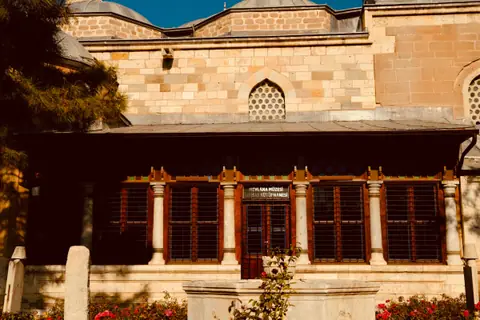
What to Wear in Konya: Modest Mosque Attire, Steppe Layers and Flat Walking Shoes
Konya, Turkey
3 Days in Konya: Mevlana Museum, Seljuk Madrasas, Çatalhöyük, Sille and Sema
Konya, Turkey
