





















What to Eat in Kotor: Black Risotto, Buzara, Pršut & Krempita
Essential guide to Kotor and Boka Kotorska cuisine: cuttlefish black risotto, buzara mussels from Orahovac, Njeguši prosciutto, Vranac wine and Kotorska.
The culinary identity of Kotor is a delicious meeting of two worlds separated by a 900-metre vertical cliff: the Venetian-Mediterranean seafood table of Boka Kotorska (Bokeljska kuhinja) along the bay. The wood-smoked, hearty shepherd's fare of Old Montenegro up on the karst plateau of Mount Lovćen and Njeguši. Because four centuries of Venetian rule (1420 to 1797) introduced olive oil, garlic, parsley, white wine reductions, polenta and layered almond pastries to the coastal towns. Eating in Kotor therefore feels far closer to Dalmatia and the Veneto than to the grilled-meat (ćevapi) traditions of the inland Balkans. Even better, the inner Bay of Kotor is watered by dozens of cold, mineral-rich underground karst springs (vrulje) that lower the salinity of the fjord. These springs nourish famous shellfish farms in Orahovac, Dražin Vrt and Ljuta, allowing you to feast on mussels and oysters harvested less than 100 metres from your table.
| Signature Dish / Drink | Local Name | Where to Try It Best | Typical Price (as of November 2026) |
|---|---|---|---|
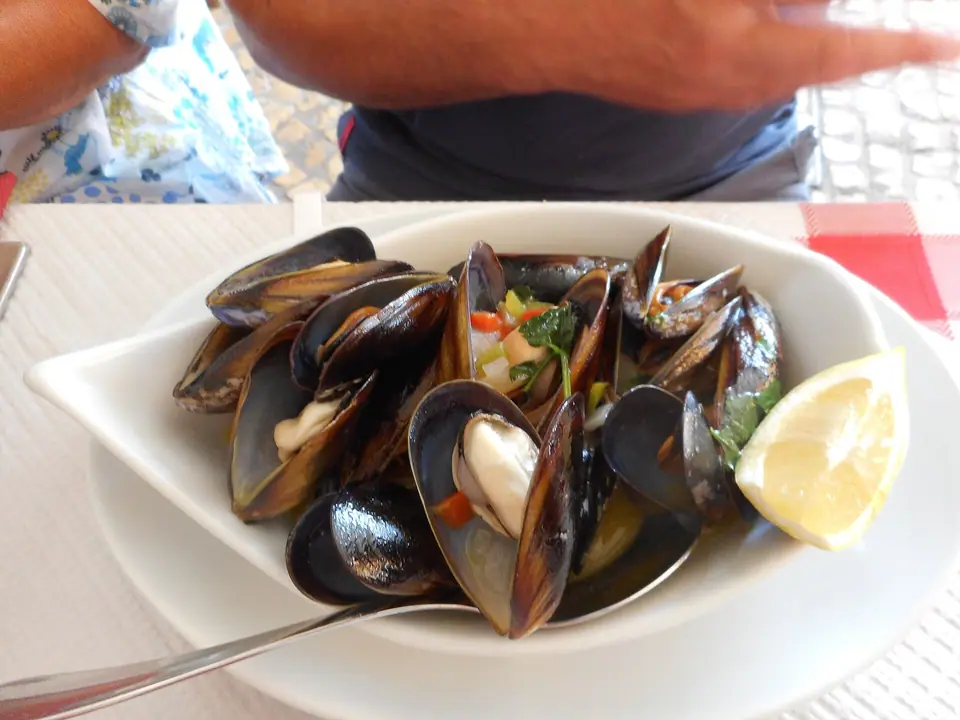
| Mussels in Red or White Wine Sauce. | Mušulje na buzaru. | Orahovac / Ljuta farm stands or Konoba Scala Santa. | €11 to €15 per 1 kg pot with bread. |
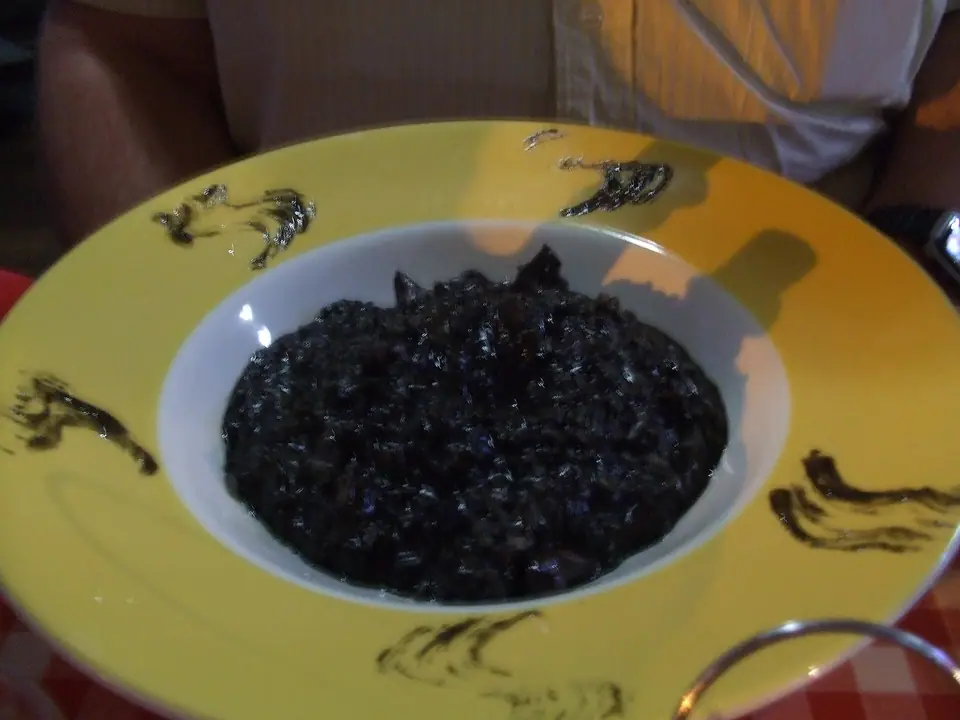
| Adriatic Cuttlefish Black Risotto. | Crni rižot od sipe. | Galion, Cesarica (Stari Grad) or Konoba Portun (Dobrota). | €14 to €19 per main plate. |
| Beechwood-Smoked Mountain Ham & Cheese. | Njeguški pršut i sir. | Valier Bastion Morning Market or Njeguši smokehouses. | €10 to €15 tasting board. |
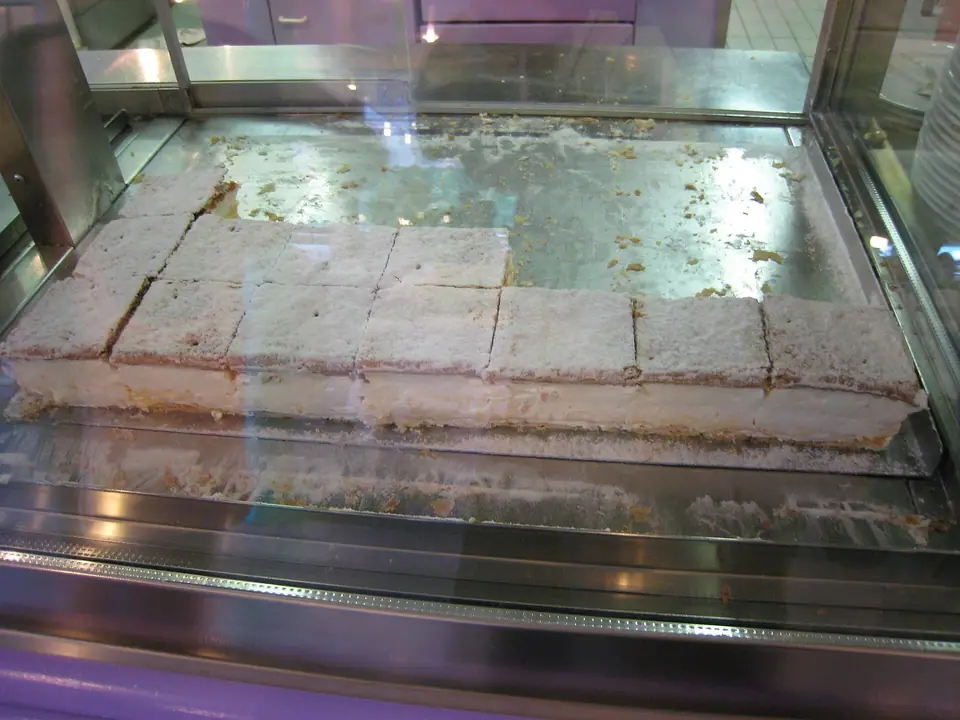
| Kotor Three-Layer Custard Pie. | Kotorska krempita (pašta). | Forza Café (Square of the Arms) or Konoba Trpeza. | €4.50 to €6.00 per generous slice. |
| Montenegrin Vranac & Krstač Wines. | Vranac Pro Corde / Krstač. | Old Winery (Stari Grad) or waterside konobas. | €4.50 to €7.00 per glass; €22 to €38 bottle. |
Boka Bay Seafood Classics: Mušulje na Buzaru, Black Risotto & Gradele
When sitting down at a traditional stone tavern (konoba) inside Kotor Old Town or along the Dobrota waterfront, look for four coastal staples:
- Mušulje na Buzaru (Bay Mussels in Buzara Sauce). Plump black mussels grown on suspended ropes in the spring-fed waters around Orahovac and Ljuta. They are flash-steamed in a wide pan with local olive oil, crushed garlic, fresh flat-leaf parsley, dry white Krstač wine and breadcrumbs (bijela buzara). Alternatively, they come enriched with sweet sun-ripened tomatoes (crvena buzara). A steaming 1-kilogram pot served with grilled country bread for mopping up the broth costs only €11 to €15 as of November 2026.
- Crni Rižot (Cuttlefish Black Risotto). Slow-simmered Arborio or Carnaroli rice stained jet-black with fresh Adriatic cuttlefish ink (sipa), diced tender cuttlefish rings, garlic, white wine, a dash of prosecco or nutmeg and aged sheep's cheese.
- Riba na Gradele & Hobotnica pod Sačem. Whole wild gilthead sea bream (orada), European sea bass (brancin) or John Dory (kovač) grilled over grapevine embers. Waiters dress the fish with garlic olive oil and Swiss chard with potatoes (blitva s krumpirom). Another favourite is Adriatic octopus slow-baked for two hours with potatoes beneath an iron bell covered in hot coals (ispod sača).
- Brodet sa Palentom. A rich fisherman's stew of scorpionfish, conger eel and shellfish simmered with wine vinegar, tomato and bay leaf, served over creamy yellow cornmeal polenta.
Mountain Delicacies: Njeguški Pršut, Cheese in Oil & Saturday Market
Every morning from 07:00 to 14:00 (with the largest variety on Saturday mornings), farmers and fishermen set up wooden stalls along the base of the Venetian ramparts outside the Sea Gate at the Kotor Open-Air Market (Pjaca / Markat pod Murvom). This is the single best place in town to sample mountain specialities before buying vacuum-sealed packs to take home:
- Njeguški Pršut (Smoked Mountain Prosciutto). Cured in the 900-metre village of Njeguši using sea salt and four months of cold beechwood smoke followed by mountain-wind drying, it has a deeper, woodier aroma than Italian Prosciutto di Parma.
- Sir iz Ulja (Sheep's Cheese Marinated in Olive Oil). Cubes of firm, tangy sheep-and-cow cheese preserved inside glass jars of golden Montenegrin Barsko Zlato olive oil infused with wild rosemary, peppercorns and dried figs.
- Priganice with Honey & Cheese. Hot, airy fried dough fritters served for breakfast or as a tavern starter together with dark mountain forest honey and salted white skorup / kajmak (clotted cream cheese).
Sweet Heritage: Kotorska Krempita, Peraška Torta & Dobrotska Torta
Unlike standard Balkan bakeries dominated by syrup-soaked baklava, Kotor's pastry tradition descends from Venetian patisseries and Austro-Hungarian coffeehouses:
- Kotorska Krempita (Kotorska Pašta). Kotor's beloved culinary emblem , which even has its own annual summer festival on the waterfront , differs from Zagreb or Bled cream cakes. Bakers craft it with three crisp layers of hand-rolled puff pastry sandwiching two thick tiers of warm, lemon-scented vanilla egg custard. Each slice is finished with powdered sugar (€4.50 to €6.00 per slice at Forza Café on Square of the Arms as of November 2026).
- Peraška Torta & Dobrotska Torta. Two centuries-old almond cakes baked by sailors' households because ground almonds, eggs, lemon zest and maraschino liqueur stayed fresh for weeks without refrigeration.
Best Konobas, Oyster Farms & Montenegrin Wines (Vranac vs Krstač)
For an authentic meal away from generic pizza-and-pasta tourist traps inside Stari Grad, book a table at family-run Cesarica near Square of the Blessed Ozana for homemade fish soup and stuffed squid. Equally authentic are Konoba Scala Santa (operating since 1931 on Square of Salad) or Galion (perched on stilts over the water just south of the Gurdic Bastion). Along the bay road through Orahovac and Dražin Vrt (8 to 10 km north), roadside wooden piers directly over the shellfish beds welcome visitors. Here you can shuck raw Adriatic flat oysters (kamenice, €2.50 to €3.50 per oyster as of November 2026) and eat steamed mussels two metres above the water.
Pair your meal with Montenegro's two indigenous grape varieties grown in the sun-baked karst basin around Lake Skadar and Crmnica. Krstač is a crisp, mineral dry white wine planted exclusively in a cross-shaped vineyard near Podgorica that cuts cleanly through garlic buzara and fried calamari. By contrast, Vranac ("Black Steed") is a bold, ruby-purple red bursting with wild blackberry and dark cherry notes that pairs effortlessly with smoked Njeguški pršut and grilled octopus.
Practical Dining Etiquette, Tipping & How to Avoid Tourist Traps
Dining out in Kotor and around Boka Kotorska is relaxed and welcoming, but knowing a few local customs helps you eat better and avoid overpriced menus. Inside Stari Grad, restaurants directly facing the main cruise-ship thoroughfares occasionally list whole wild fish (riba prve klase) by weight (€6.00 to €8.50 per 100 grams) rather than per portion. Before ordering a whole grilled fish from the display tray, always ask your waiter to weigh the specific fish and confirm the total price in Euros. That way there is no surprise when a 600-gram sea bream arrives on the bill.
Bread baskets (often warm homemade focaccia or corn bread brushed with garlic oil) and cover charges (kuver) of €1.50 to €2.50 per person are standard at sit-down white-tablecloth restaurants. Tipping is appreciated across Montenegro: rounding up the bill by €1.00 to €2.00 at cafés and bakeries, or leaving 10% in cash for attentive table service at a traditional konoba, is the local norm. Even when paying your main bill by card, waiters prefer tips in euro coins or small notes.
Where it is
- 1Kotor
- Tivat Airport (TIV) · about 4 km from Kotor in a straight line
- Directions in Google Maps
Traveller tips
Real advice from people who have been to Kotor. Every tip is read by our team before it goes live.
No tips yet. Been here? Yours could be the first.
Thank you! Your tip will appear here after a quick review.
More in Kotor
Continue exploring Kotor with related neighbourhood, food, and planning guides