




















Gyeongju
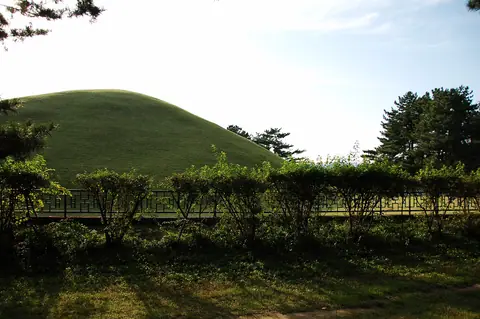
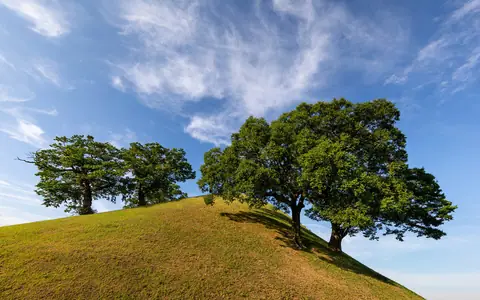
For nearly a thousand years (57 BCE to 935 CE), Gyeongju reigned as Seorabeol, the golden royal capital of the Silla Kingdom. Today it is South Korea's premier open-air museum, boasting four distinct UNESCO World Heritage inscriptions across emerald burial mounds, mountain Buddha carvings, and 8th-century temple architecture.
Quick decisions
How many days?
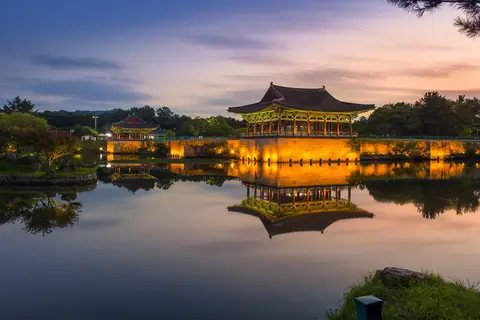
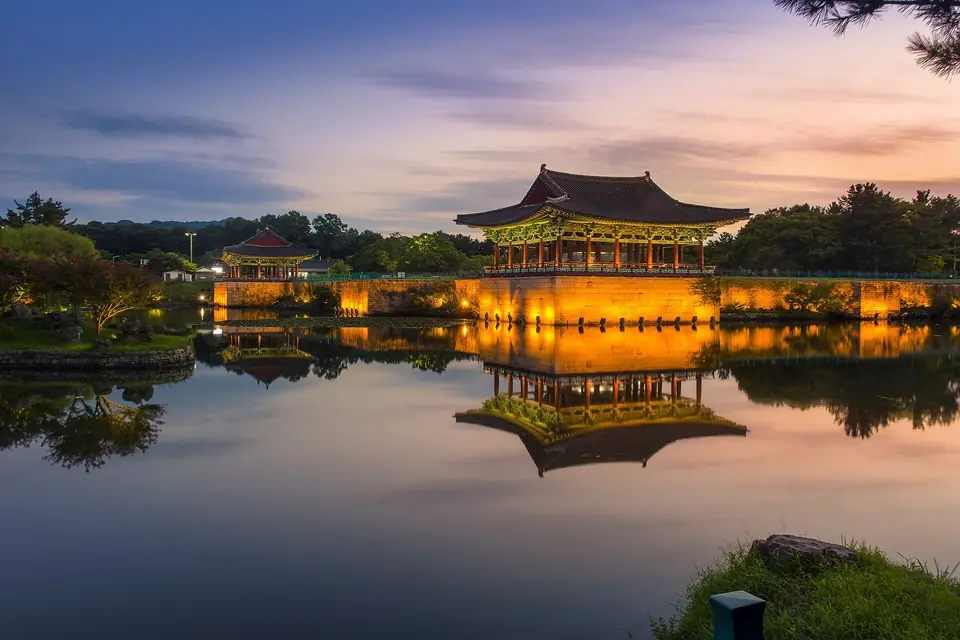
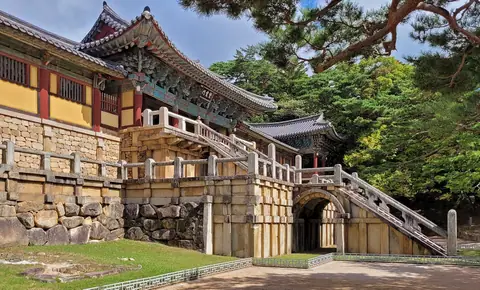
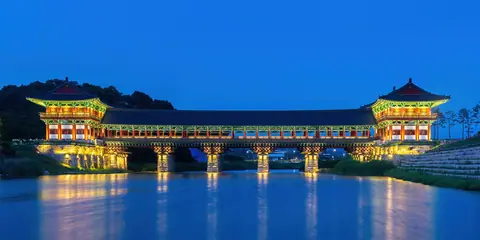
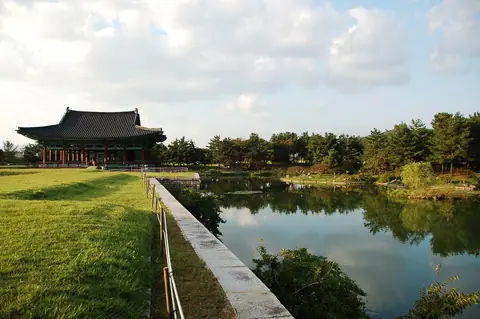
Plan 2 to 3 full days: Day 1 for the central Daereungwon Royal Tombs and Hwangnidan-gil plus Donggung Palace and Wolji Pond at night, Day 2 for Bulguksa Temple and Seokguram Grotto plus the Gyeongju National Museum, and Day 3 for Mount Namsan or Yangdong Folk Village.
Where should I stay?
Book a traditional curved-roof hanok guesthouse in Hwangnam-dong (Hwangnidan-gil) to walk directly to the royal tombs and night-lit Woljeonggyo Bridge, or stay at a resort around Bomun Lake for spa facilities and cherry-blossom boardwalks.
Do I need a car?
No car is required for the central historic zones and Bulguksa Temple, which are connected by frequent city buses (700, 10, and 11) using a T-money card. Renting a car or hiring a private taxi for 4 hours is only helpful for the East Sea coast and King Munmu's Underwater Tomb.
Best for
Ancient Silla gold crowns, grass-covered royal tumuli, 8th-century Buddhist granite architecture, open-air mountain trekking, night-illuminated palace reflections, and traditional hanok café streets.
Before you go
Since May 2023, admission to both Bulguksa Temple and Seokguram Grotto is completely free (0 KRW as of November 2026) under South Korea's national Cultural Heritage entry reform, while the Gyeongju National Museum is also free.
Getting around
Load 20,000 KRW onto a nationwide T-money or Cashbee transit card before boarding city buses from Gyeongju KTX Station (1,450 KRW per ride as of November 2026), and download Naver Map or KakaoMap (Google Maps walking and bus directions do not work reliably in South Korea).
Continue your trip
Gyeongju sits directly on the high-speed KTX rail corridor, just 33 minutes north of Busan Station and 2 hours 10 minutes southeast of Seoul Station.
Overview
Unlike Seoul or Busan, where glass skyscrapers tower over pockets of Joseon-era palaces, the entire basin of Gyeongju feels like a living open-air sanctuary where giant emerald-green burial mounds rise directly beside tiled roofs and persimmon orchards. Founded in 57 BCE as Seorabeol, the capital of the Silla Kingdom, Gyeongju unified the Korean Peninsula in 668 CE and flourished during the Unified Silla golden age into one of the four great metropolitan capitals of the 8th-century Silk Road world, trading via Tang China with Persia and the Roman Near East. Because the capital shifted north to Gaeseong in 935 CE when the Goryeo Dynasty succeeded Silla, Gyeongju escaped the developmental erasure of later centuries. Today, the city holds four separate UNESCO World Heritage inscriptions: Seokguram Grotto and Bulguksa Temple (inscribed 1995, Ref, 736), the Gyeongju Historic Areas across five royal and sacred belts (inscribed 2000, Ref, 976), Yangdong Historic Village (inscribed 2010, Ref, 1324), and Oksanseowon Confucian Academy (inscribed 2019, Ref, 1498).
Getting there
Ride the high-speed KTX or SRT bullet train to Gyeongju Station (formerly Singyeongju Station): 2 hours 10 minutes from Seoul (49,300 KRW as of November 2026) or 33 minutes from Busan (11,000 KRW), then take express city bus 50, 61, or 700 into the historic centre.
Where to stay
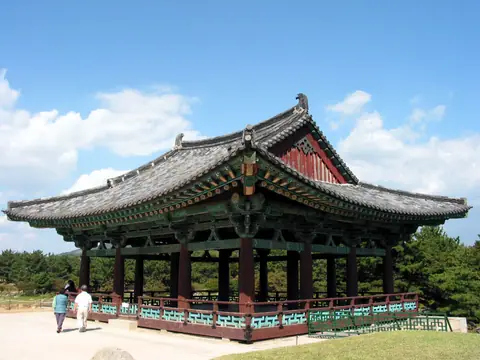
Stay inside a timber-and-clay traditional house in Hwangnam-dong / Hwangnidan-gil to walk everywhere in the Wolseong and Daereungwon tomb belt, or choose an international lakeside hotel in the Bomun Tourist Complex halfway to Bulguksa Temple.
Things to do
Step inside the excavated Cheonmachong Tomb in Daereungwon and walk to the 7th-century Cheomseongdae Observatory, photograph the golden night reflections at Donggung Palace, Wolji Pond, and Woljeonggyo Bridge, climb to Bulguksa Temple and Seokguram Grotto on Mount Toham, marvel at the 5th-century gold crowns inside the Gyeongju National Museum, and hike Mount Namsan.
Food and drink
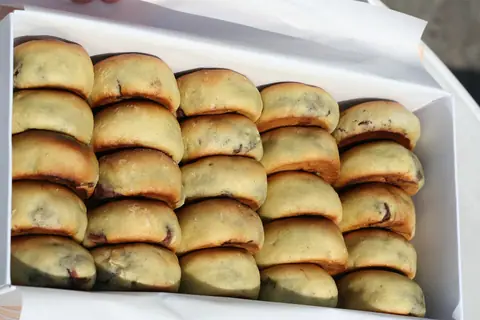
Dine on a 20-dish royal Ssambap (leaf-wrap rice feast) near Daereungwon, order sizzling Hanwoo Galbisal (Korean premium beef short-rib fingers), and snack on warm, red-bean-filled Hwangnam Bread (Hwangnam-ppang), baked at the original family shop since 1939, together with flaky barley pancakes (Chalbori-ppang).
Culture
Gyeongju is the cradle of Korean Buddhist art, astronomical science, and goldsmithing. Its excavated royal tumuli have yielded solid gold crowns adorned with comma-shaped jade gogok and cobalt-blue Roman glass vessels that prove Silla's maritime and overland links across Eurasia.
Weather by month
Gyeongju is warmest in July, with average highs around 31°C, and coldest in January, when nights drop to about -4°C. July is the wettest month, with rain on about 13 days. For mild weather with fewer rainy days, aim for October.
| Month | Low | Range | High | Rain | Rainy days |
|---|---|---|---|---|---|
| Jan | -4°C | 6°C | 35 mm | 5 d | |
| Feb | -2°C | 9°C | 35 mm | 5 d | |
| Mar | 2°C | 14°C | 49 mm | 7 d | |
| Apr | 8°C | 21°C | 56 mm | 8 d | |
| May | 13°C | 26°C | 56 mm | 8 d | |
| Jun | 18°C | 28°C | 63 mm | 9 d | |
| Jul | 22°C | 31°C | 91 mm | 13 d | |
| Aug | 22°C | 31°C | 84 mm | 12 d | |
| Sep | 17°C | 26°C | 63 mm | 9 d | |
| Oct | 10°C | 22°C | 35 mm | 5 d | |
| Nov | 3°C | 15°C | 35 mm | 5 d | |
| Dec | -2°C | 8°C | 28 mm | 4 d |
Averages of daily values from 2015 to 2024. Rainy days are days with at least 1 mm of rain. Source: Open-Meteo · Compare destinations by month.
Gyeongju on the map
Every place we cover in Gyeongju. Tap a category or pin to explore.
In-depth Gyeongju guides
Browse the guides grouped by topic: sights, neighbourhoods, food, transport, day trips and trip planning.
Sights, Landmarks & Parks
Key monuments, viewpoints, museums and nature trails.
- 15 Best Things to Do in Gyeongju: Royal Tombs, Temples & Night PondsFrom stepping inside a 5th-century Silla royal burial mound and admiring solid gold crowns to watching Wolji Pond light up after dark, here are the 15 best experiences in Gyeongju.
- What to Wear in Gyeongju: Temple Etiquette, Hanbok Rental & Hiking GearPractical 2026 packing and dress guide for Gyeongju: slip-on shoes for hanok floors and temple halls, Mount Namsan trail footwear, Silla hanbok rentals, and seasonal layers.
- Gyeongju 3-Day Itinerary: Silla Royal Tombs, Bulguksa & Namsan (2026)Step-by-step 2- and 3-day Gyeongju itinerary for 2026: sequencing Daereungwon, Wolji Pond at night, Bulguksa Temple, Seokguram Grotto, Mount Namsan, and the East Sea coast.
- Daereungwon Royal Tombs, Cheomseongdae & Hwangnidan-gil Walking GuideComplete 2026 walking guide to Gyeongju's central Tumuli Belt: stepping inside Cheonmachong Tomb, Hwangnamdaechong, Cheomseongdae Observatory, and Hwangnidan-gil.
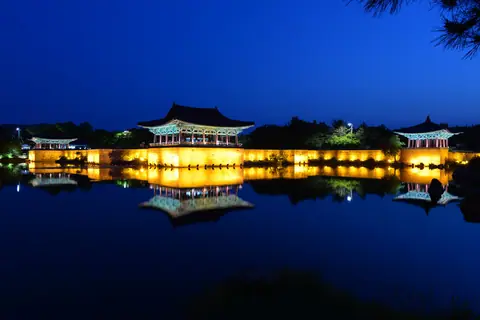
- Donggung Palace, Wolji Pond & Woljeonggyo Bridge Night Walking GuideHow to plan the ultimate evening walk in Gyeongju for 2026: sunset at Cheomseongdae, crossing illuminated Woljeonggyo Bridge, and photographing Donggung Palace and Wolji Pond after dark.
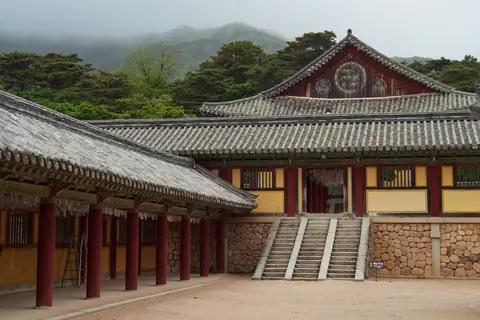
- Bulguksa Temple & Seokguram Grotto Guide: Buses, Pagodas & Free EntryComplete 2026 visitor guide to UNESCO-listed Bulguksa Temple and Seokguram Grotto in Gyeongju: free admission rules, Bus 10/11 and Bus 12 shuttle timetables, and architecture.
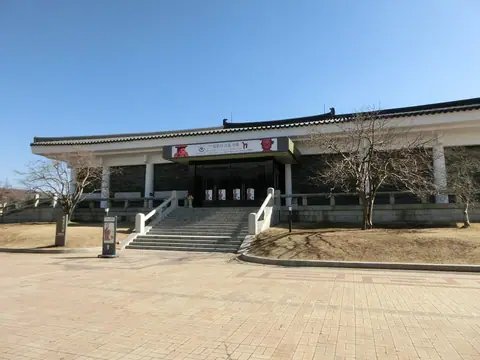
- Gyeongju National Museum Guide: Silla Gold Crowns, Emille Bell & Wolji HallComplete 2026 visitor guide to the Gyeongju National Museum: how to book free entry, where to find the 5th-century Silla Gold Crowns, the 18.9-tonne Emille Bell, and Wolji Hall.
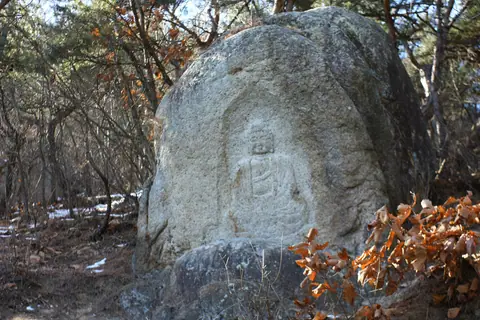
- Mount Namsan Hiking Guide: Samneung Trail, Rock Buddhas & Silla PagodasHow to hike UNESCO-listed Mount Namsan in Gyeongju for 2026: the classic Samneung to Geumobong route, Chilbulam Seven Buddhas trail, Bus 500 access, and trail maps.
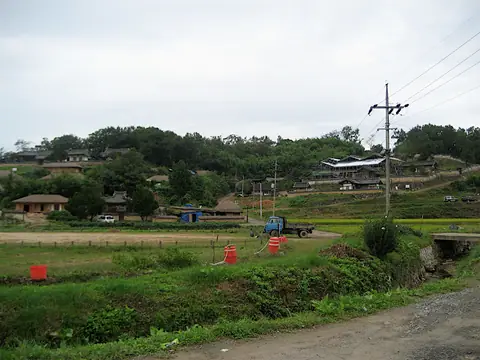
- Yangdong UNESCO Folk Village & Gyochon Traditional Village GuideComplete 2026 guide to Gyeongju's two living traditional villages: UNESCO-listed Yangdong Folk Village (500-year Joseon clan mansions) and central Gyochon Village (House of the Choi Clan).
Neighbourhoods & Where to Stay
Districts, historic quarters and the best bases for your stay.
- Gyeongju: 5 UNESCO Belts, Free Temple Rules & NavigationEssential 2026 travel guide to Gyeongju, South Korea: how the 5 UNESCO Historic Area belts fit together, updated 2026 admission fees, Naver Map navigation, and transit tips.
- Best Time to Visit Gyeongju: Cherry Blossoms, Pink Muhly & SeasonsMonth-by-month weather and seasonal guide to Gyeongju: early April cherry blossoms around Bomun Lake, October pink muhly grass and autumn ginkgoes, and winter quiet.
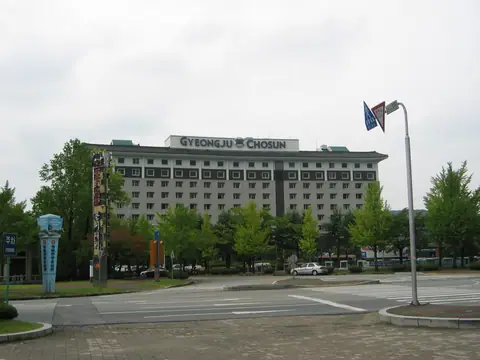
- Where to Stay in Gyeongju: Hwangnidan-gil Hanoks vs Bomun Lake ResortsArea-by-area accommodation guide to Gyeongju for 2026: traditional wooden hanok stays on Hwangnidan-gil, Bomun Lake 5-star resorts, and Terminal budget hotels.
Food & Drink
Local dishes, markets, cafés and dining districts.
Getting Around & Arrival
Airport transfers, public transit, passes and driving rules.

Day Trips & Excursions
Easy half-day and full-day trips from the city.
Need your embassy or consulate in South Korea? See embassies and consulates in South Korea.
Reviews
Log in to write a review.
No reviews yet.