Photo: JYB Devot · CC BY-SA 4.0
Postojna, Škocjan and Predjama
Karst caves, a castle in a cliff, Lipica horses, Idrija and Piran compared as excursions.
South-west of Ljubljana the land turns to limestone, and the Karst hides some of Europe's great caves. This guide covers Postojna Cave and Predjama Castle, the UNESCO-listed Škocjan Caves, the Lipica stud farm, the mining town of Idrija and the coastal town of Piran. They are best treated as separate day trips or as stages on a drive to the Adriatic.
Plan the transport using our getting there guide.
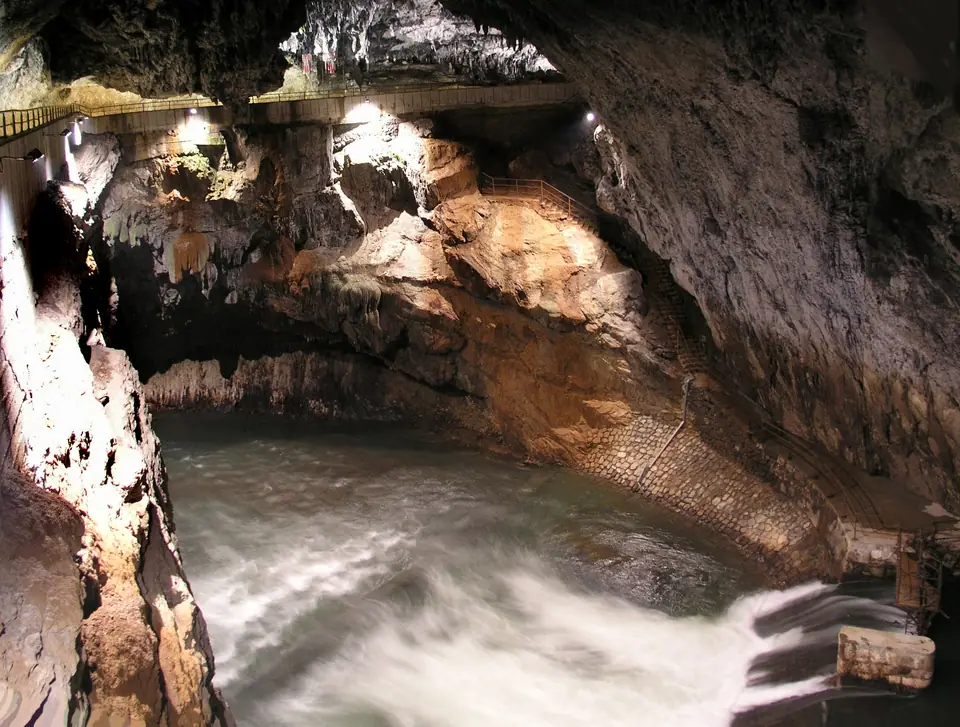
Electric cave train and stalactite halls at Postojna
The cave system is 24.34 kilometres long, the second longest in Slovenia, and about 5 kilometres of it is open to visitors. A train carries visitors along 3.5 kilometres, and the last 1.5 kilometres are walked with a guide, for a tour of about 1.5 hours. In 1818 a local man, Luka Čeč, found a new section while lighting the cave for a visit by Francis I, and the cave became an official tourist destination in 1819, with Čeč as its first guide. The tour includes an aquarium with olms, the cave's endemic amphibian, and a Concert Hall with acoustics that suit orchestras and a capacity of up to 10,000. At the end of the 1990s the cave received nearly 1 million visitors a year.
Seeing the pale Karst olm inside Postojna's vivarium
Written records reach back to the 13th century, while nearby Betal Rock Shelter holds Paleolithic traces across this porous limestone plateau. The cave's signature resident is the olm, in Slovene človeška ribica, the human fish, named for its pale, fleshy skin. It is usually 20 to 30 centimetres long, its eyes are covered by skin so that it is effectively blind, and a study estimated a maximum lifespan of more than 100 years. Controlled experiments showed it can survive up to ten years without eating. Johann Weikhard von Valvasor gave the first written mention in 1689, describing it as a baby dragon, and the cave has a vivarium where visitors can see olms.
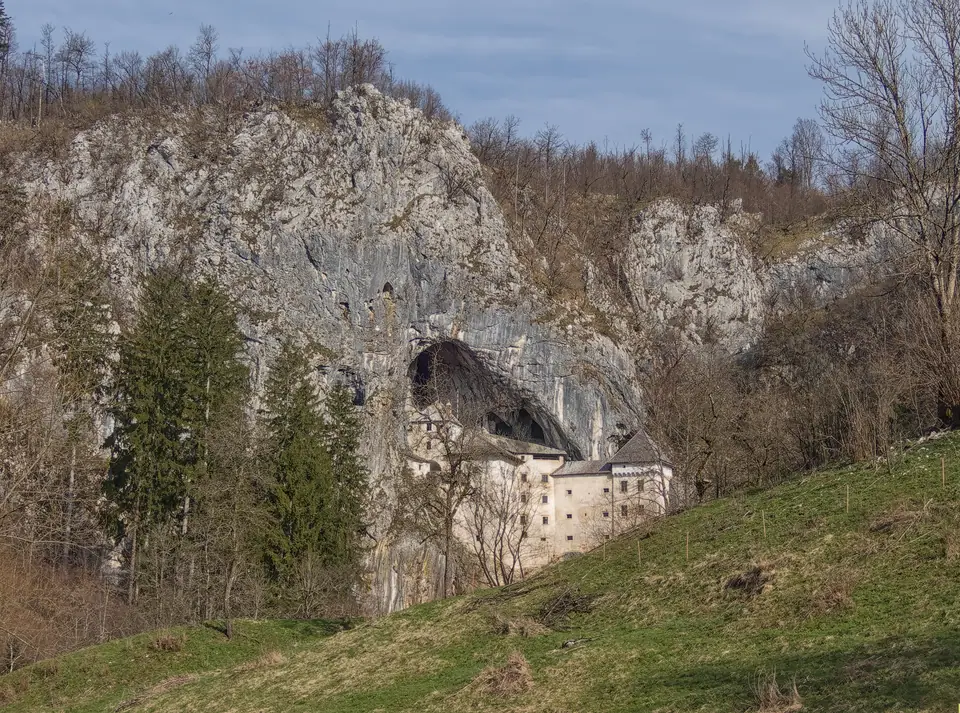
Cliff-face Predjama Castle nine kilometres from Postojna
Predjama Castle is built into a cave mouth in the village of Predjama, about 9 kilometres from Postojna Cave. It was first mentioned in 1274 as Luegg, when the Patriarch of Aquileia built it in Gothic style, and the current Renaissance castle dates from 1570. The legend of Erasmus of Lueg, a 15th-century robber baron who raided Habsburg estates and was killed after a long siege, features in the castle story.
| Place | Key fact | Good for |
|---|---|---|
| Postojna Cave | 24.34 km, train and guided walk | First cave visit |
| Predjama Castle | Built into a cave mouth, Renaissance form of 1570 | History and photos |
| Škocjan Caves | UNESCO since 1986, Reka canyon | Dramatic scale |
| Lipica Stud Farm | Founded 1580 | Horse lovers |
| Piran | Venetian rule 1283 to 1797 | A coastal stop |
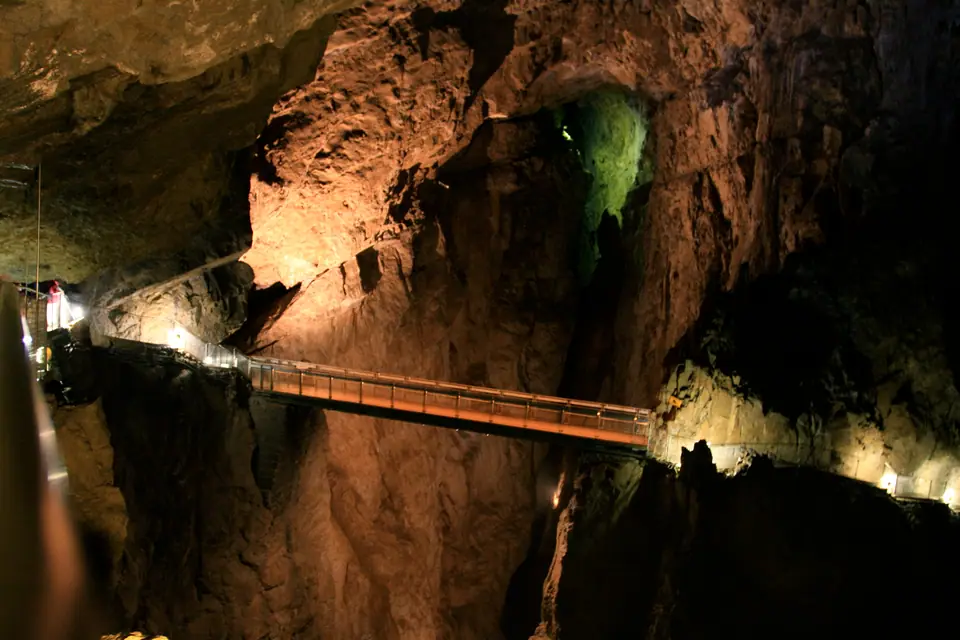
Crossing the underground Reka canyon bridge at Škocjan
UNESCO added the caves to its World Heritage list in 1986. The Reka river sinks into the Big Collapse Doline and runs underground for about 34 kilometres, and its final underground stretch, Hanke's Channel, is roughly 3.5 kilometres long, 10 to 60 metres wide and over 140 metres high. Walkers cross an illuminated high footbridge directly above the roaring subterranean river canyon, linking dark echoing walkways into Martel's Chamber. With a volume of 2.2 million cubic metres inside a 6,200-metre explored system, it ranks as the largest discovered underground chamber in Europe, feeling far wilder than a standard show cave.
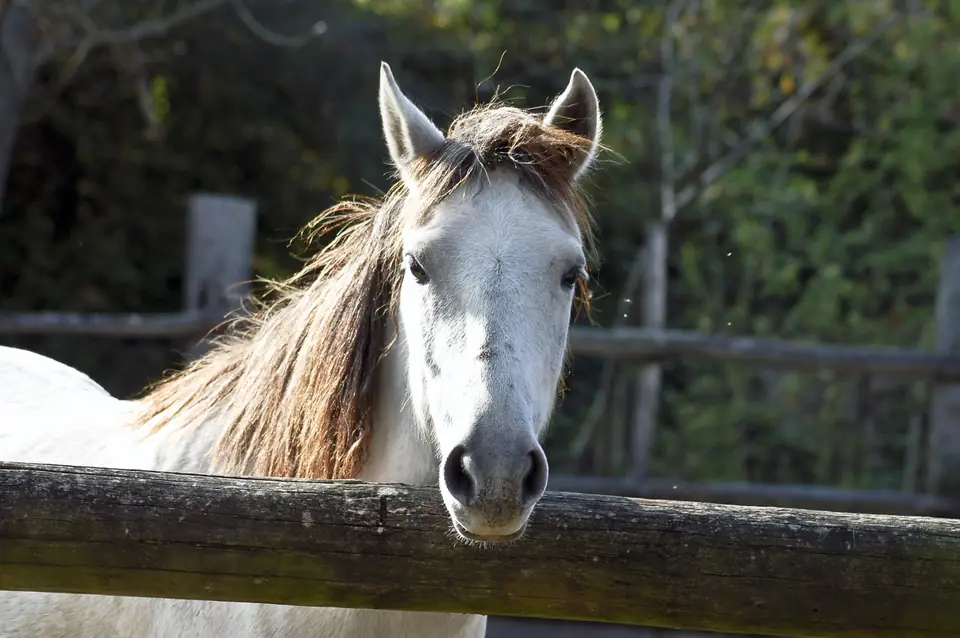
Sixteenth-century Lipica Stud Farm near the Italian border
Archduke Charles II of Inner Austria established the stud farm in 1580 and chose Lipica because its soil and climate resemble Spain's. The first horses were bought from Spain in 1581, 24 broodmares and six stallions, and the Lipizzan breed was fully developed in the time of Maria Theresa. The farm lies in the village of Lipica in the municipality of Sežana, near the Italian border, and it has been open to tourists since the 1960s. The Lipikum Museum covers the stud and the breed and offers guided tours.
Mercury mines and bobbin lace traditions in Idrija
Idrija, in western Slovenia, is on the UNESCO list as Heritage of Mercury, jointly with Almadén in Spain, since 2012. It is one of the few places where mercury occurs both in native form and as cinnabar ore, and Anthony's Shaft is used today for tours of the upper levels of the mine. Idrija lace, a bobbin tape lace, received protected geographical indication in 2000, and the Idrija Lace School opened in 1876.
Venetian Gothic Tartini Square in coastal Piran
Piran is a Venetian Gothic town on the Adriatic coast. From 1283 to 1797 it belonged to the Republic of Venice and was governed semi-autonomously by local noblemen with a Venetian delegate. Tartini Square, named after the composer and violinist Giuseppe Tartini, is the town's main square, with a bronze statue of him. St George's Church, the town's largest, stands on the hill above, and parts of the town walls built against Ottoman raids remain. Slovenia has only about 46.6 kilometres of coastline, so the sea is never far.
Picking caves, horses or the Adriatic from Ljubljana
- First cave: Postojna with Predjama on the same day.
- Dramatic scale: Škocjan, which needs more walking.
- Horses and a short drive: Lipica, close to the Italian border.
- History of mining: Idrija, in the west.
- The sea: Piran, best with an overnight stay.
Limestone caves stay cool and damp year-round, so pack a warm jacket and grippy walking shoes even in hot summer months. Avoid cramming both Postojna and coastal walks into one short winter afternoon, allowing breathing room between hillside drives. For a mountain alternative, see our Bled and Bohinj guide.
Where it is
- 1Postojna, Škocjan and Predjama
- Ljubljana Jože Pučnik Airport (LJU) · about 53 km from here in a straight line
- Zagreb Franjo Tuđman International Airport (ZAG) · about 145 km from here in a straight line
- Directions in Google Maps
Stations and taxi ranks: OpenStreetMap. Airports: OurAirports. Distances are in a straight line.
Traveller tips
Real advice from people who have been to Ljubljana. Every tip is read by our team before it goes live.
No tips yet. Been here? Yours could be the first.
Thank you! Your tip will appear here after a quick review.
More in Ljubljana
Continue exploring Ljubljana with related neighbourhood, food, and planning guides