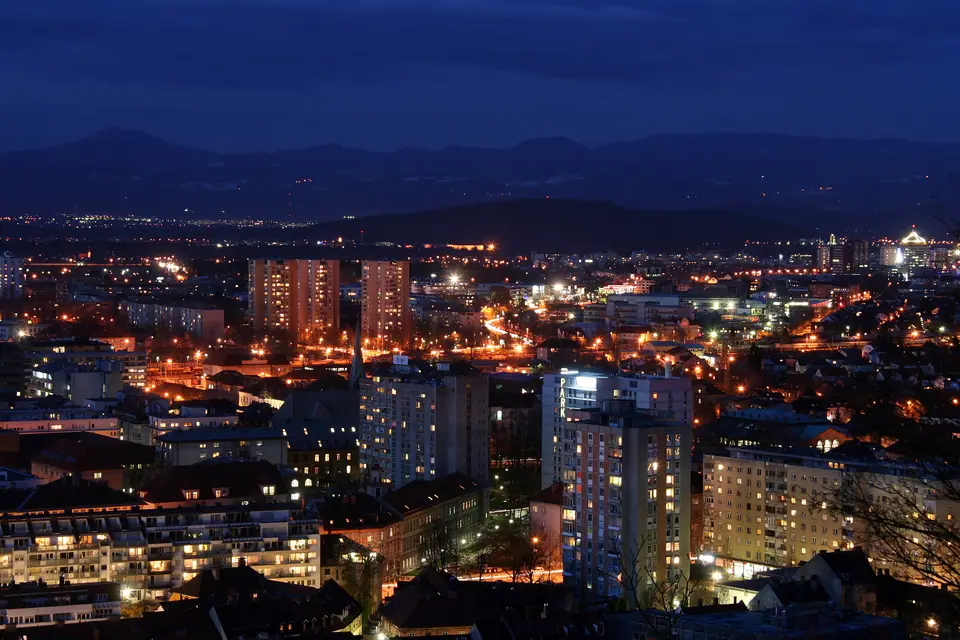
Photo: MelkiaD · CC BY 2.0
Ljubljana
A compact, traffic-free capital on the emerald Ljubljanica river, defined by Castle Hill, Roman Emona ruins, and the enduring civic masterworks of architect Jože Plečnik.
Quick decisions
How many days?
Two full days cover the historic core, Castle Hill, and the riverside architecture. Add one or two days for excursions to Lake Bled and Bohinj or regional cave systems.
Where should we stay?
Choose the pedestrian Old Town for riverside atmosphere, the railway station district for early train departures, or leafy Krakovo and Tivoli for quiet residential streets. Inspect our Where to Stay in Ljubljana guide.
Do we need a car?
No. The historic centre has been entirely pedestrianised since 2007. Motor vehicles are prohibited, and you can walk across the core in fifteen minutes.
Best for
Pedestrian riverside strolls, early modernist and Secession architecture, outdoor cafe culture, and effortless public transit connections into the Julian Alps.
Before you go
Review our Best Time to Visit Ljubljana guide. Summer peaks at 28°C in July, while May and September bring over 140mm of rainfall, requiring waterproof jackets.
Getting around
Explore entirely on foot, rent BicikeLJ public bicycles, or catch the Castle Funicular at Krekov trg. Free electric Kavalir shuttles assist pedestrians with mobility needs inside the barrier zone.
Continue your trip
Board direct regional buses or trains to Karst landmarks like Postojna, Škocjan and Predjama, or continue across international rail corridors toward Zagreb, Vienna, and Venice.
Overview
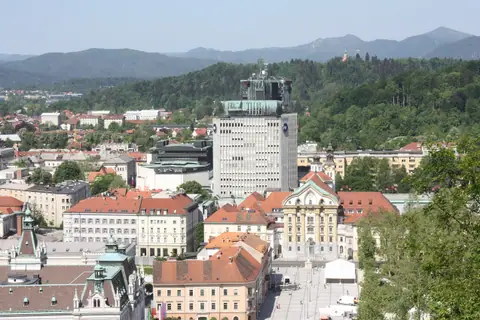
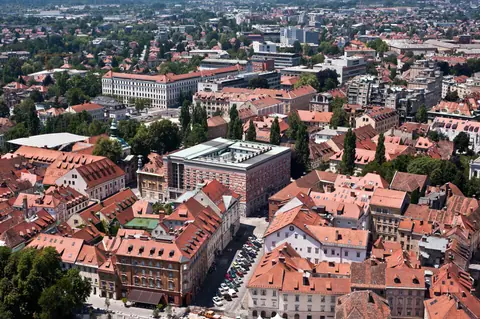
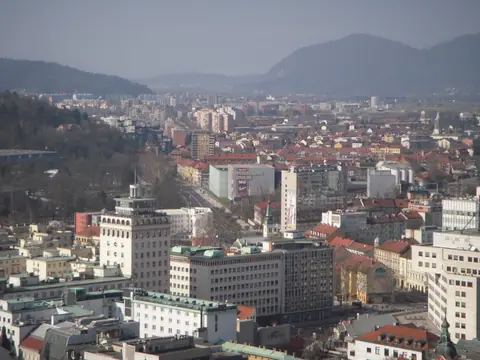
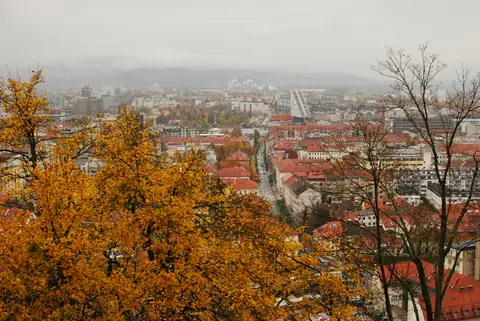
Ljubljana functions as Slovenia's geographic and administrative heart, home to roughly 293,000 residents. The emerald Ljubljanica river splits the city between its medieval castle ridge and its neoclassical western quarters. Castle Hill ascends to 366 metres, anchoring the urban skyline above a dense cluster of red-tiled Baroque rooftops.
The urban fabric owes its distinctive humanist character to master architect Jože Plečnik, whose mid-twentieth-century colonnades, bridges, and public squares earned UNESCO World Heritage recognition in 2021. Summer brings warm outdoor terrace life, averaging daily highs of 28°C in July and 27°C in August. Winters remain cold, with January averages dipping to -4°C at night. Consult our Ljubljana Travel Guide for complete spatial orientation.
Getting there
Ljubljana Jože Pučnik Airport sits roughly 19 kilometres north of the city centre. Scheduled shuttle buses run between the passenger terminal and Ljubljana Central Station. For broader intercontinental routes, Zagreb Franjo Tuđman Airport in Croatia provides a major gateway about 126 kilometres away by road.
Ljubljana Central Station accommodates domestic and international trains connecting Venice, Vienna, and Budapest. Motorists must purchase an electronic toll vignette before using Slovenian motorways. Since the historical core has been closed to private traffic since September 2007, drivers must leave cars at perimeter garages like Kongresni trg or park-and-ride facilities along the ring road. Plan your route with our How to Get to Ljubljana guide.
Where to stay
Selecting accommodation depends on your transit priorities and walking preferences. The medieval Old Town, squeezed between Castle Hill and the river, offers immediate access to morning markets, pedestrian lanes, and riverside dining, though guests must roll luggage across historic cobblestones from vehicle perimeter drop-off points.
The district surrounding Ljubljana Central Station sits a flat ten-minute walk north of Prešeren Square. It works exceptionally well for day trips to Alpine lakes and southern caves. To the west, the residential blocks bordering Tivoli Park provide quiet leafy quarters, while southern Krakovo delivers village-like lanes and garden plots. Compare detailed district advantages in our guide on Where to Stay in Ljubljana.
Things to do
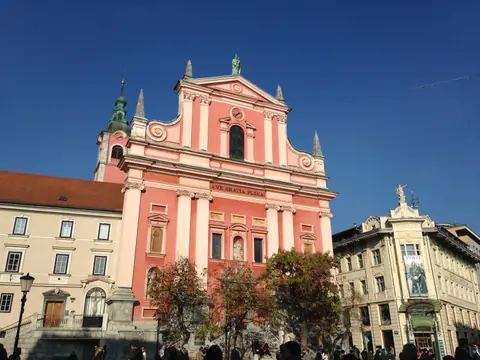
Begin your sightseeing at the Triple Bridge and Prešeren Square, where Plečnik converted a single road crossing into an elegant stone fan for pedestrians. Ride the glass funicular from Krekov trg up to Ljubljana Castle for panoramic vistas across the Kamnik-Savinja Alps, detailed in our guide to the Old Town, Castle and the Ljubljanica.
Walk the sweeping colonnade of the Central Market, inspect the Dragon Bridge, and explore the National and University Library. Plečnik's canal embankments and lock gates reveal his classical civic vision. Follow our comprehensive The Plečnik Trail and build a balanced daily sightseeing circuit using our curated Things to Do in Ljubljana breakdown.
Food and drink
Ljubljana sits at the crossroads of Alpine, Mediterranean, and Pannonian culinary cultures. Carniolan sausage, protected under European law as kranjska klobasa, is traditionally served with coarse mustard and freshly grated horseradish. Sample rolled dumplings known as štruklji, stuffed with cottage cheese, tarragon, or walnuts, beside layered Prekmurska gibanica pastry.
Centuries-old establishments like Gostilna Šestica on Slovenska cesta have served regional stews since 1776. From spring through autumn, the Friday Odprta kuhna food market fills Pogačarjev trg with open-air cooking stalls. Pair meals with local white Rebula from Goriška Brda or robust red Teran from the Karst. Read our complete handbook on What to Eat in Ljubljana.
Culture
Ljubljana maintains a relaxed, civic-minded lifestyle where pedestrians and cyclists dominate public space. Standard shop greetings such as dober dan and a polite hvala for thanks go a long way with vendors. When dining out, table service remains unhurried, and staff rarely rush patrons to surrender their seats.
Recycling is taken seriously throughout Slovenia, with underground sorting chutes stationed across the centre. Modest attire covering shoulders and knees is expected inside churches, particularly St Nicholas's Cathedral. Major retail stores and grocery supermarkets close on Sundays by national statute, though riverside cafes, bakeries, and museums stay open. North of the station, the Metelkova cultural zone provides an alternative hub for independent galleries and evening live music.
Weather by month
Ljubljana is warmest in July, with average highs around 28°C, and coldest in January, when nights drop to about -4°C. September is the wettest month by rainfall (144 mm), with rain on about 12 days. For mild weather with fewer rainy days, aim for August.
| Month | Low | Range | High | Rain | Rainy days |
|---|---|---|---|---|---|
| Jan | -4°C | 5°C | 81 mm | 9 d | |
| Feb | -2°C | 8°C | 87 mm | 9 d | |
| Mar | 0°C | 12°C | 72 mm | 10 d | |
| Apr | 4°C | 16°C | 82 mm | 9 d | |
| May | 9°C | 19°C | 142 mm | 16 d | |
| Jun | 14°C | 25°C | 89 mm | 12 d | |
| Jul | 16°C | 28°C | 91 mm | 12 d | |
| Aug | 16°C | 27°C | 92 mm | 9 d | |
| Sep | 11°C | 21°C | 144 mm | 12 d | |
| Oct | 7°C | 17°C | 120 mm | 11 d | |
| Nov | 2°C | 10°C | 131 mm | 10 d | |
| Dec | -2°C | 6°C | 96 mm | 9 d |
Averages of daily values from 2015 to 2024. Rainy days are days with at least 1 mm of rain. Source: Open-Meteo · Compare destinations by month.
Ljubljana on the map
Every place we cover in Ljubljana. Tap a category or pin to explore.
In-depth Ljubljana guides
Browse the guides grouped by topic: sights, neighbourhoods, food, transport, day trips and trip planning.
Sights, Landmarks & Parks
Key monuments, viewpoints, museums and nature trails.
- Things to Do in LjubljanaBridges, castle, market, Tivoli, Metelkova and nearby medieval towns in a two-day order.
- Old Town, Castle and the LjubljanicaPrešeren Square, the bridges, cathedral, market and castle on a short river walk.
- The Plečnik TrailBridges, library, market and Tivoli promenade by the architect UNESCO listed in 2021.
Neighbourhoods & Where to Stay
Districts, historic quarters and the best bases for your stay.
Food & Drink
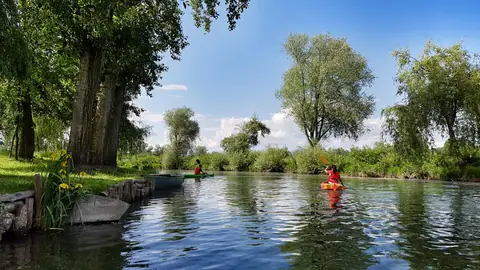
Local dishes, markets, cafés and dining districts.

Getting Around & Arrival
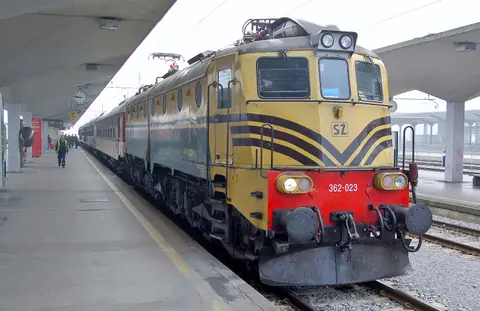
Airport transfers, public transit, passes and driving rules.
Day Trips & Excursions
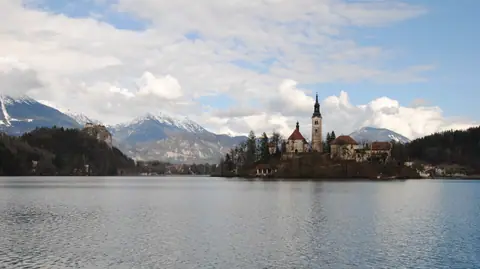
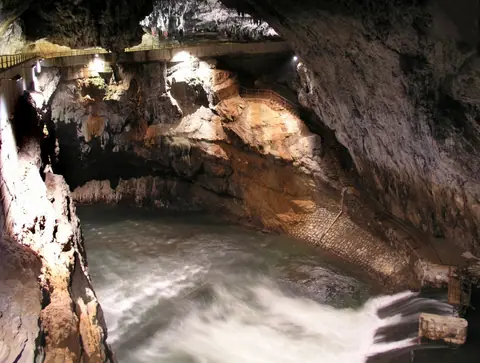
Easy half-day and full-day trips from the city.
Trip Planning & Itineraries
When to visit, what to pack and day-by-day routes.
Reviews
Log in to write a review.
No reviews yet.