Photo: Rowan Z · CC BY 2.0
Ljubljana Orientation: Pedestrian Core, Castle Hill & Axis
A traffic-free capital on a river, shaped by Roman Emona, Habsburg rule and architect Jože Plečnik.
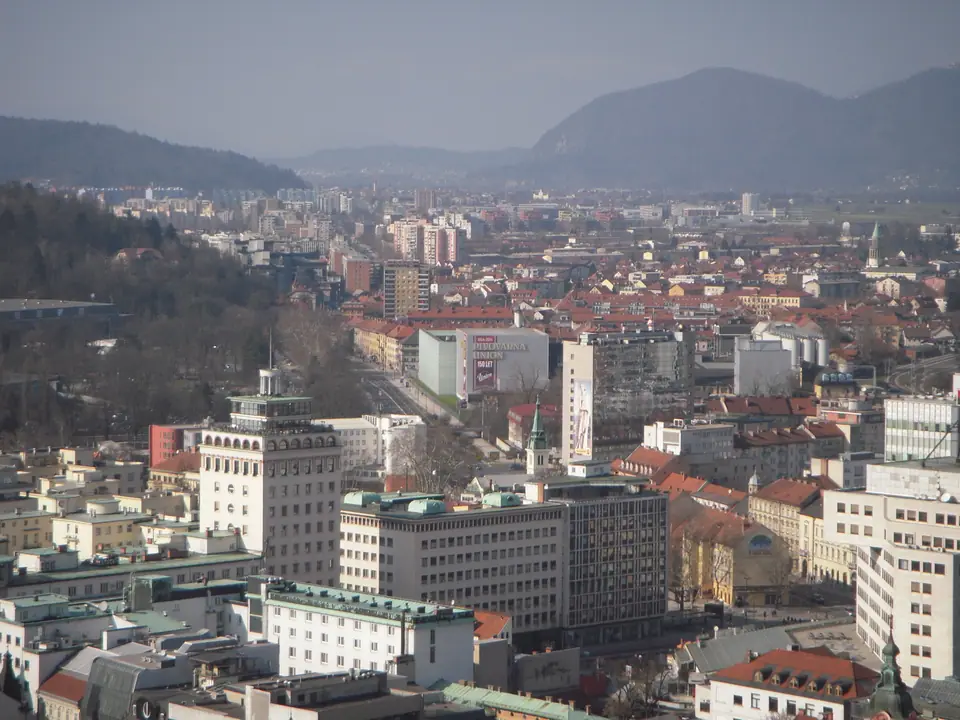
Ljubljana is a small capital that behaves like a large park. The city proper had about 293,000 residents at the 2022 census, sitting at roughly 298 metres in the Ljubljana Basin between the Alps and the Karst. Its compact centre has been closed to motor traffic since 1 September 2007. That mix of scale and calm explains why visitors stay longer than planned, and why it works smoothly as a base for Lake Bled, the caves and the coast.
This orientation guide explains how the districts fit together, what shaped them and how many days to plan. Detail pages cover the Old Town and castle, the Plečnik trail and the Bled and Bohinj excursion.
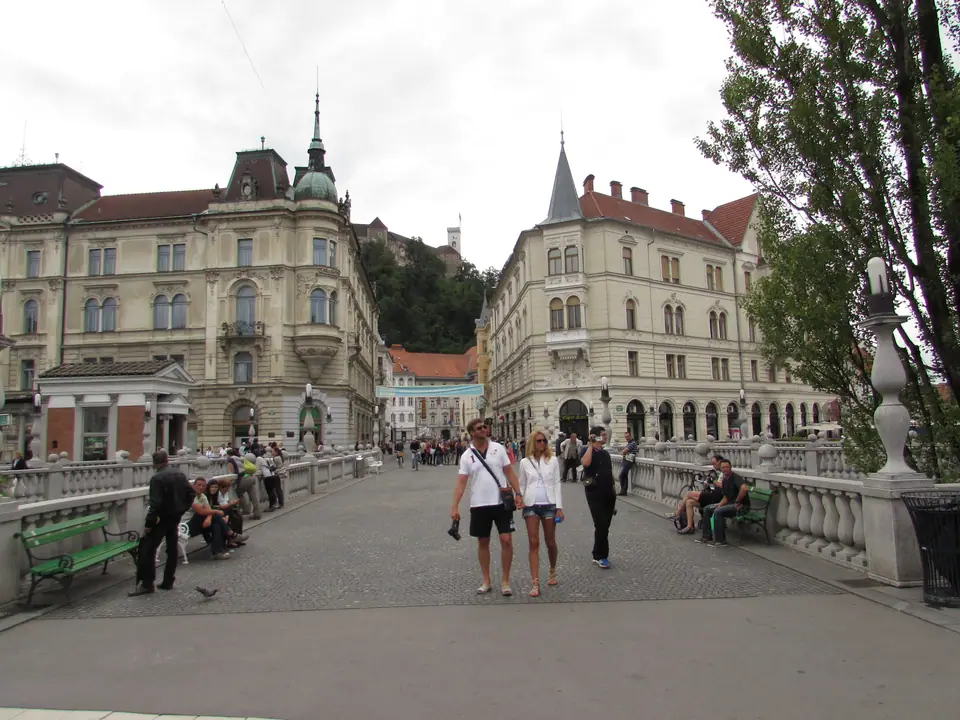
From Roman Emona to the pedestrian Ljubljanica core
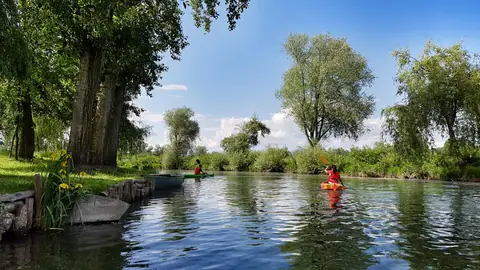
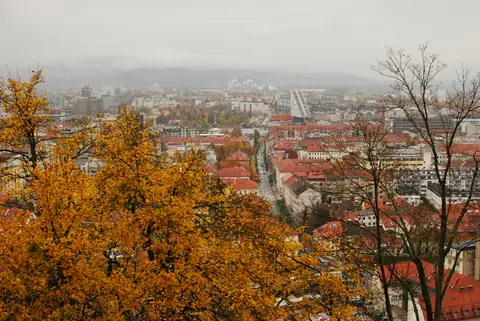
The Ljubljanica flows gently through the centre, and part of its course was canalised in the Gruber Canal between 1772 and 1780. Castle Hill rises to about 366 metres above the old quarter. The Roman settlement of Iulia Aemona, usually called Emona, was founded around 50 BC and destroyed by Attila's Huns in 452. The medieval town is first mentioned between 1112 and 1125, received town privileges between 1220 and 1243 and became the capital of Carniola in 1256.
Later events left clear urban marks. The Congress of Laibach met here in 1821, and the first train from Vienna arrived in 1849. A magnitude 6.1 earthquake in 1895 damaged much of the city, and rebuilding gave Ljubljana its pastel Secession buildings. Slovenia became independent in 1991, joined the European Union in 2004 and adopted the euro on 1 January 2007.
| Period | Event | What it left behind |
|---|---|---|
| c. 50 BC to 452 | Roman Emona | Foundations and finds in museums |
| 1278 | Castle becomes Habsburg property | The castle on the hill |
| 1895 | Earthquake of magnitude 6.1 | Rebuilt Secession and Baroque streets |
| 1921 to 1957 | Jože Plečnik shapes the city | Bridges, library, market, Tivoli paths |
| 2007 | Centre closed to traffic | A walkable Old Town |
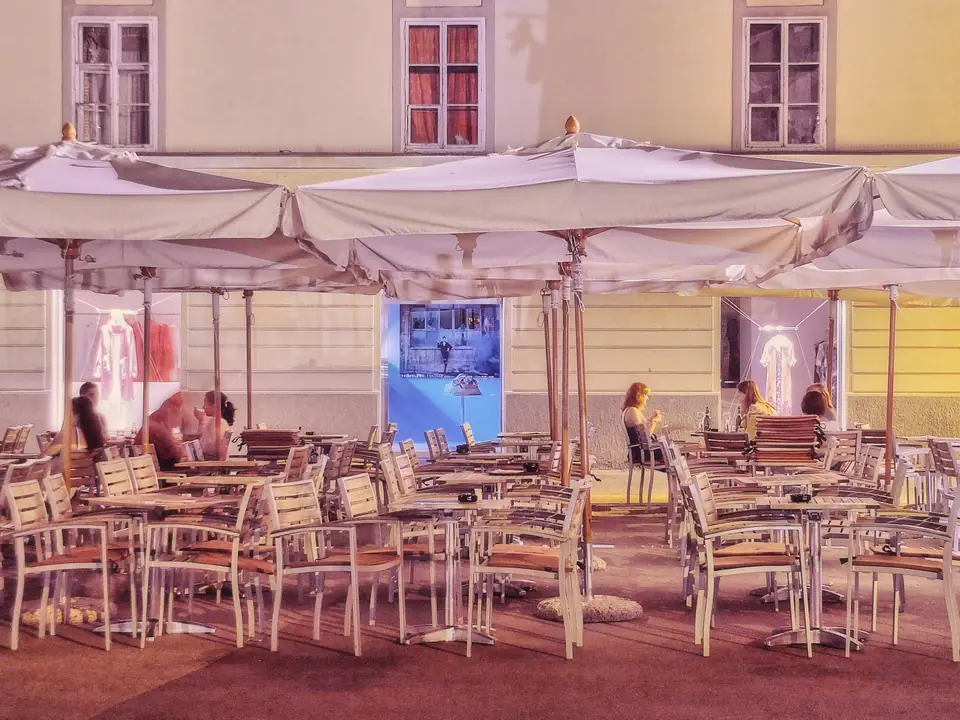
Castle Hill funicular, Tivoli green belt and pace
The centre is compact enough to cross in minutes, so the visit depends on unhurried pacing rather than rushing between sights. Allow quiet hours for riverbank espresso stops, the castle funicular and slow walks under the chestnuts of Tivoli Park, which covers about 5 square kilometres and was laid out in 1813. Ljubljana was European Green Capital in 2016, and the city hosts more than 10,000 cultural events each year, including the Ljubljana Festival founded in 1953.
Scoping one to four days from city to Julian Alps
- One day: Prešeren Square, the Triple Bridge, the market halls, the castle and an evening by the river.
- Two days: Add the Plečnik architectural trail, Metelkova courtyards and Tivoli Park.
- Three to four days: Add alpine Lake Bled or the Karst caves as relaxed day trips without changing hotels.
The things to do page sets out a two-day order, while the caves guide compares the underground options.
Jože Plečnik's promenade linking park and castle
Much of what visitors remember was unified by architect Jože Plečnik, whose tree-lined Jakopič Promenade draws an unbroken line from Tivoli Park straight across the Triple Bridge towards Castle Hill. Follow those bridges, columns and reading rooms using our Plečnik trail guide.
Bežigrad seasons and the Ljubljana Barje wetlands
The basin climate turns sharply continental between cold mist and warm outdoor evenings. At the Bežigrad station, the January mean daily maximum is 4.1 °C and the minimum is −1.7 °C, while July averages 27.9 °C by day and 16.0 °C at night. Annual precipitation reaches about 1,368 millimetres. South of the city lies the Ljubljana Marsh, known as Barje, which covers 163 square kilometres, about 0.8 per cent of Slovenia. Since 2008, 135 square kilometres have been protected as a landscape park, and since 2011 the prehistoric pile-dwelling area near Ig holds a UNESCO World Heritage listing; the wetlands also yielded the oldest wooden wheel in the world.
Euro, Schengen borders and basin weather checks
Slovenia uses the euro and joined the Schengen Area in December 2007. Border entry requirements for non-EU passport holders change periodically, so check official government pages before travel. Read our seasons guide to time clear mountain views, and see how to get there for airport shuttle, rail and bus details.
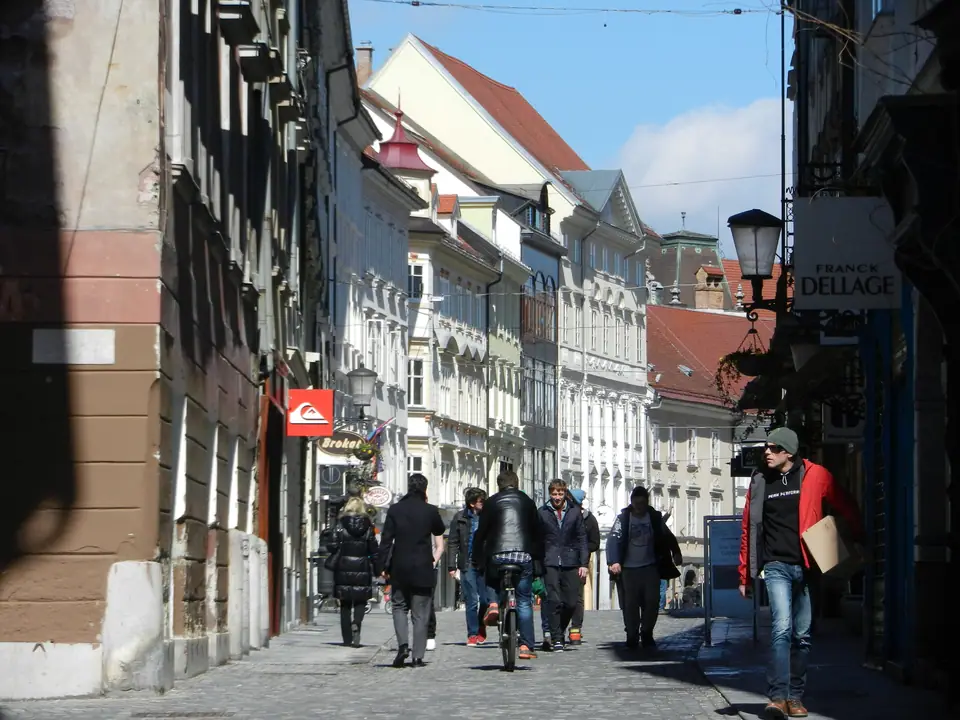
Using compact Slovenia as a Central European base
Sitting cleanly between the eastern limestone Alps and the northern Adriatic rim, Slovenia behaves more like an interconnected travel region than an oversized state. Both Julian Alps peaks and coastal Piran lie within day-trip reach, while international rail and motorway corridors continue west to Venice, north to Salzburg and Vienna, or east towards Budapest. Pick a central neighbourhood using the where to stay guide.
Where it is
- 1Ljubljana
- Ljubljana Jože Pučnik Airport (LJU) · about 19 km from Ljubljana in a straight line
- Zagreb Franjo Tuđman International Airport (ZAG) · about 126 km from Ljubljana in a straight line
- Directions in Google Maps
Stations and taxi ranks: OpenStreetMap. Airports: OurAirports. Distances are in a straight line.
Traveller tips
Real advice from people who have been to Ljubljana. Every tip is read by our team before it goes live.
No tips yet. Been here? Yours could be the first.
Thank you! Your tip will appear here after a quick review.
More in Ljubljana
Continue exploring Ljubljana with related neighbourhood, food, and planning guides