Lusaka
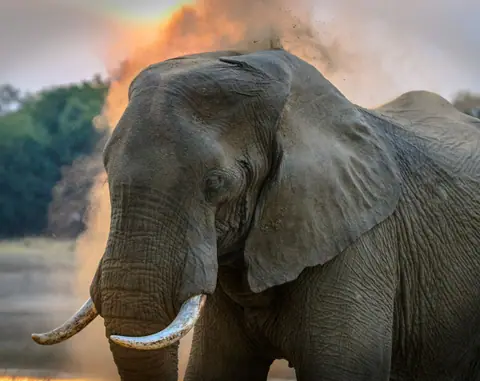
Orphaned elephant calves at Lilayi and white rhino in Lusaka National Park, thatched woodcarving rondavels at Kabwata Cultural Village, colourful chitenge markets and the highland gateway to the Lower Zambezi.
Quick decisions
How many days?
3 days: Lusaka National Museum, Kabwata Cultural Village and EastPark on day one, Lilayi Elephant Nursery and Lusaka National Park on day two, plus Chaminuka Game Reserve or a Lower Zambezi excursion on day three. Follow our three-day route.
Where should I stay?
Rhodes Park and Longacres: central, leafy and close to embassies and malls. Kabulonga: tranquil eastern garden hotels and cafes. Roma and Arcades / EastPark: convenient for the airport road. Compare areas in our neighbourhood breakdown.
Do I need a car?
A taxi app or driver is best. Lusaka stretches across wide arterial avenues (Cairo Road, Great East Road, Independence Avenue) where traffic builds quickly; local ride-hailing apps or a hired car with driver are the easiest ways around.
Best for
Wildlife conservation: watching rescued baby elephants feed at Lilayi and tracking white rhino in Lusaka National Park. Markets and crafts: thatched rondavel studios at Kabwata and Sunday crafts at Pakati.
Before you go
Pay in Zambian Kwacha (ZMW): Zambia enforces strict domestic rules requiring transactions to be settled in local Kwacha or by bank card rather than foreign notes. Read our practical briefing.
Getting around
From Kenneth Kaunda International Airport (LUN): the modern terminal sits 25 kilometres north-east of central Lusaka off the Great East Road; hotel shuttles and official taxis take 30 to 45 minutes into Kabulonga or Longacres. Details in arrival and transport.
Continue your trip
Domestic bush flights from Lusaka reach South Luangwa (Mfuwe), Kafue and Livingstone for Victoria Falls in an hour, while the escarpment road drops south-east in three hours to the canoe channels of the Lower Zambezi.
Overview
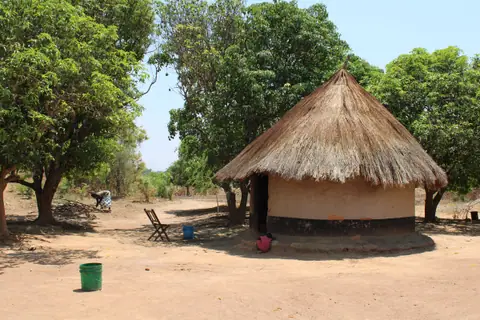
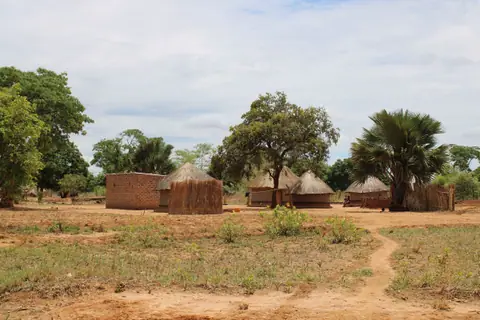
Spread across a 1,280-metre limestone plateau at the meeting point of Zambia's Great North, Great East, Great West and Kafue highways, Lusaka has grown from a sleepy 1930s garden capital into one of southern Africa's liveliest crossroads. Behind the busy trading arcades of Cairo Road and the contemporary café courtyards of Kabulonga and EastPark, the city puts wildlife and craft remarkably close at hand: within forty minutes of the centre you can watch orphaned calves at the Lilayi Elephant Nursery and Lusaka National Park or meet woodcarvers under the thatched roofs of Kabwata Cultural Village.
For safari travellers, Lusaka is also the launchpad for canoeing the Zambezi and walking in South Luangwa. Start with our first-timer briefing and Zambian nshima dining and Lower Zambezi trips.
Getting there
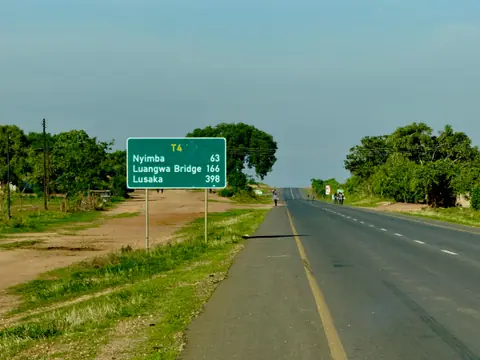
Kenneth Kaunda International Airport (LUN) lies 25 kilometres north-east of the centre with direct flights from Addis Ababa, Johannesburg, Nairobi, Dar es Salaam, Harare, Dubai and Kigali, plus domestic flights to Mfuwe (South Luangwa) and Livingstone. TAZARA trains and intercity coaches also link the capital with Tanzania, Malawi and Zimbabwe. See how to get to Lusaka.
Where to stay
Staying in the leafy eastern and central suburbs of Kabulonga, Longacres, Rhodes Park or Roma gives you shaded avenues, independent coffee roasters and quick links to the Great East Road malls without getting stuck in Cairo Road freight traffic. We compare the best bases in where to stay in Lusaka.
Things to do
Watch rescued elephant calves take their midday bottle at the Game Rangers International Elephant Nursery in Lilayi and spot white rhino in Lusaka National Park, browse drums and masks at Kabwata Cultural Village and the Sunday Pakati Market, tour the Lusaka National Museum, and spend a day at Chaminuka Game Reserve. See the full list in things to do in Lusaka.
Food and drink
Zambian cooking is built around steamed white maize-meal nshima served with smoky charcoal-grilled kapenta sardines, whole bream from the Kafue or Kariba waters, village chicken, pounded groundnut-leaf stew (ifisashi) and wild orchid tubers beat into savoury chikanda ("African polony"). Read where to eat in our food and safari gateway guide.
Culture
Named after Chief Lusaaka of the Lenje people, whose village stood near today's Manda Hill, Lusaka replaced Livingstone as the capital of Northern Rhodesia in 1935 for its central highland location and cooler climate, and became the proud seat of independent Zambia under Kenneth Kaunda in October 1964.
Weather by month
Lusaka is warmest in October, with average highs around 32°C, and coldest in July, when nights drop to about 9°C. January is the wettest month, with rain on about 16 days. For mild weather with fewer rainy days, aim for May, June, July and August.
| Month | Low | Range | High | Rain | Rainy days |
|---|---|---|---|---|---|
| Jan | 18°C | 27°C | 210 mm | 16 d | |
| Feb | 17°C | 27°C | 174 mm | 14 d | |
| Mar | 17°C | 27°C | 92 mm | 9 d | |
| Apr | 15°C | 26°C | 24 mm | 3 d | |
| May | 12°C | 25°C | 3 mm | 0 d | |
| Jun | 10°C | 23°C | 0 mm | 0 d | |
| Jul | 9°C | 23°C | 0 mm | 0 d | |
| Aug | 11°C | 26°C | 0 mm | 0 d | |
| Sep | 15°C | 29°C | 2 mm | 0 d | |
| Oct | 18°C | 32°C | 16 mm | 2 d | |
| Nov | 18°C | 30°C | 86 mm | 8 d | |
| Dec | 18°C | 28°C | 196 mm | 15 d |
Averages of daily values from 2015 to 2024. Rainy days are days with at least 1 mm of rain. Source: Open-Meteo · Compare destinations by month.
Lusaka on the map
Every place we cover in Lusaka. Tap a category or pin to explore.
In-depth Lusaka guides
Browse the guides grouped by topic: sights, neighbourhoods, food, transport, day trips and trip planning.
Sights, Landmarks & Parks
Key monuments, viewpoints, museums and nature trails.
- Best Things to Do in LusakaOrphaned elephant calves, white rhinos, thatched woodcarving rondavels, Sunday craft markets and nshima.
- Lilayi Elephant Nursery, Lusaka National Park and ChaminukaOrphaned baby elephants at Lilayi, white rhinos in Lusaka National Park and lakeside game drives at Chaminuka.
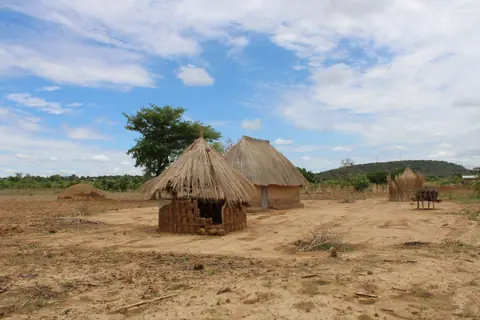
- Kabwata Cultural Village, National Museum and Craft MarketsWoodcarvers at Kabwata Cultural Village, independence history at the National Museum and Sunday craft stalls.
Neighbourhoods & Where to Stay
Districts, historic quarters and the best bases for your stay.
Food & Drink
Local dishes, markets, cafés and dining districts.
Getting Around & Arrival
Airport transfers, public transit, passes and driving rules.
Trip Planning & Itineraries
When to visit, what to pack and day-by-day routes.
- Lusaka: What to Know Before You GoUnderstanding Zambia's Kwacha-only payment rules, Lusaka's Great East Road axis and wildlife timings.
- Best Time to Visit LusakaMild highland winters, purple jacaranda blossom in spring and how Lusaka's seasons match Zambian safaris.
- What to Wear in LusakaNeutral bush layers, respectful attire for city markets and soft-sided luggage rules for domestic flights.
- Lusaka 3-Day Itinerary: Baby Elephants, Crafts and WildlifeThree unhurried days covering Lusaka's elephant nursery, white rhinos, Kabwata woodcarvers and Chaminuka.

Need your embassy or consulate in Zambia? See embassies and consulates in Zambia.
Reviews
Log in to write a review.
No reviews yet.