





Best Time to Visit Machu Picchu
Machu Picchu has two seasons, not four. From about May to September it's dry, with sunny days and cold nights. From about November to March it rains, often heavily, with January and February the wettest. April and October sit in between.
Our pick is late April, May or September. You get mostly dry weather and the valley is still green after the rains, and the crowds are lighter than in midsummer. May is a particular favourite. The skies clear, the terraces glow in the early light, and the Inca Trail is fully open.
June to August is peak season. It's also the main holiday period for many visitors from the northern hemisphere, and Cusco hosts Inti Raymi, the Inca sun festival, on 24 June. Entry tickets, Huayna Picchu slots and Inca Trail permits sell out months ahead. The daily cap on visitors is raised in this period, which helps with availability but not with the crowds on the terraces.
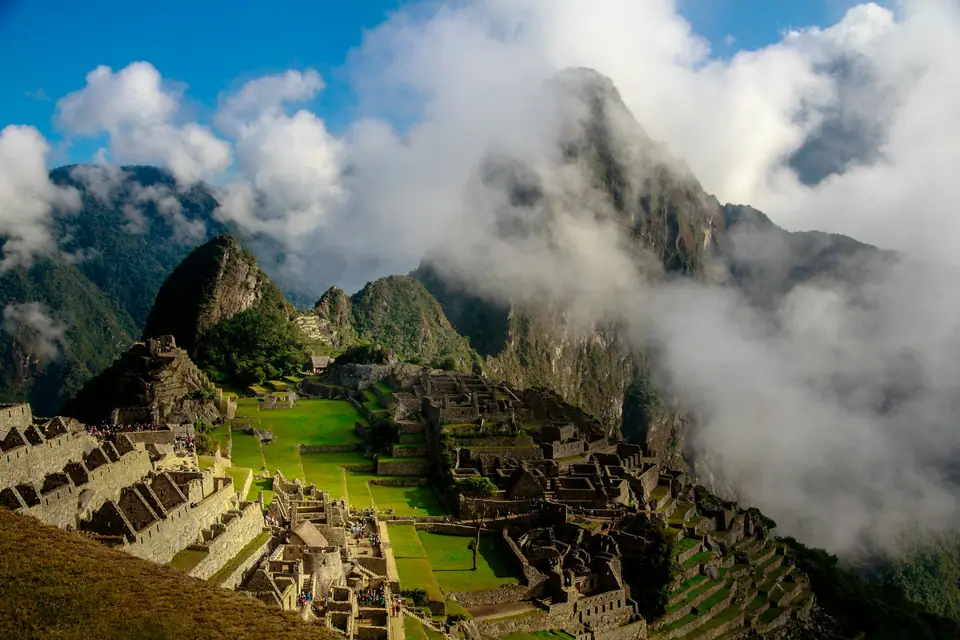
The rainy season has real advantages if you can live with wet clothes. Hotel rates drop, it's easier to get tickets, and the morning cloud lifting off the ruins can be spectacular. The downsides are real too. Afternoon downpours are common, the stone steps get slippery, and landslides occasionally disrupt the railway. In February the Inca Trail closes completely for maintenance, although the citadel stays open.
Month by month
- May to September: dry, sunny, cold at night, busiest in June to August.
- April and October: changeable, fewer people, our favourite gamble.
- November to March: rainy, green, quietest, with the heaviest rain in January and February.
- February: Inca Trail closed.
Time of day matters more than people expect. The first entry slots often start in cloud that burns off by mid-morning, while late morning is busiest. In the dry season, a mid-afternoon slot can be quieter and brings softer light. Plan what to bring with our what to wear guide, and book early for peak months using our tickets guide.