

Inca Trail Guide: Permits, Routes and What to Expect
The Classic Inca Trail is about 42 kilometres of original Inca paving and stairways through cloud forest, finishing at the Sun Gate above Machu Picchu. It's the most famous trek in South America, and it's run under strict rules. These are the questions we hear most.
Can I hike it on my own?
No. Every hiker must go with a licensed tour operator and a guide. The operator buys your permit, arranges the porters and cooks, and handles the camps. You pick the operator, not the dates, which depend on permit availability.
How do permits work?
The number of people starting the trail each day is capped, and the cap includes guides and porters, so the places for trekkers are far fewer. Permits are issued in your name and passport number and can't be transferred. If you renew your passport after booking, tell your operator straight away. For June to August, permits often sell out months ahead, sometimes more than half a year before.
When is it closed?
Every February, for maintenance and to let the path recover. It's also the wettest month, so there's little lost. January and March are open but muddy.
How hard is it?
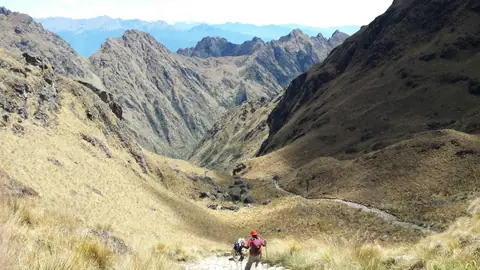
The second day is the tough one. You climb to Warmiwañusca, known in English as Dead Woman's Pass, at about 4,200 metres. It's a long ascent up high stone steps with little oxygen. After that the days are easier, though the descents are steep and hard on the knees. Anyone of reasonable fitness who has acclimatised can do it. Spend at least two or three days in Cusco or the Sacred Valley first.
What will I see?
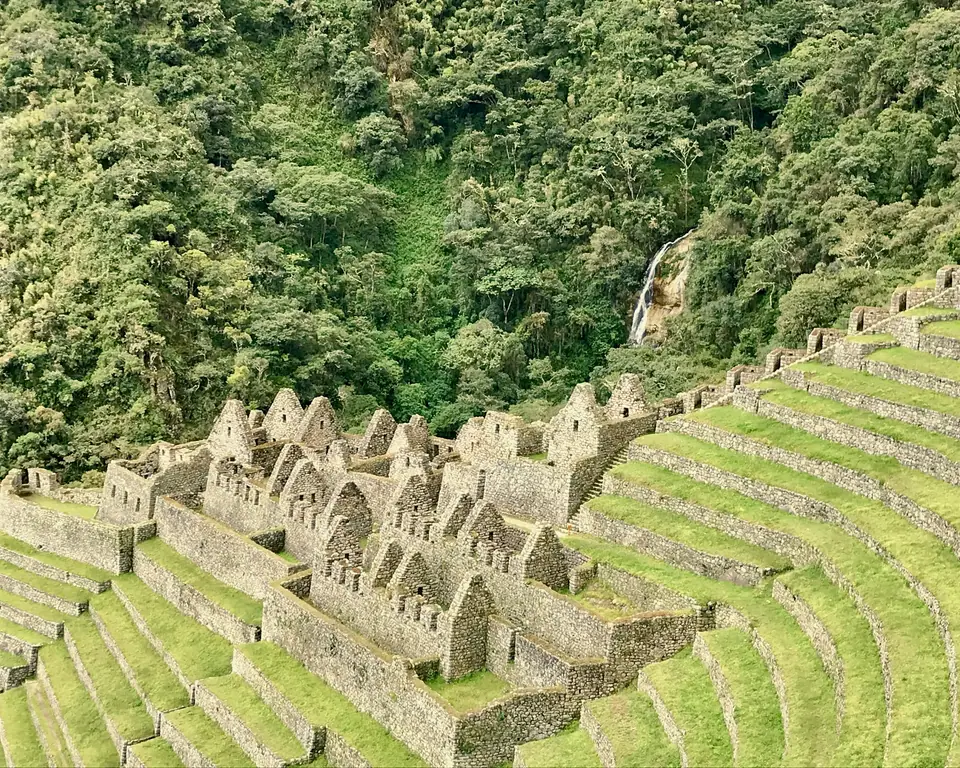
More than most people expect. Runkurakay, a round ruin on the second pass. Sayacmarca, built on a rocky spur. Phuyupatamarca, with ritual baths and a view down the valley. Then Wiñay Wayna, a sweep of terraces on a steep slope, which many hikers rate as the best ruin on the trail. The route ends at Inti Punku, the Sun Gate, with Machu Picchu below you.
Is there a shorter version?
Yes. The one-day Inca Trail starts at kilometre 104 of the railway, climbs past Wiñay Wayna and reaches the Sun Gate in the afternoon. It needs a permit too, but it's a strong option if you're short on time or your dates are sold out for the classic. Most people then sleep in Aguas Calientes and visit the citadel properly the next day.
What if I can't get a permit?
Look at the Salkantay trek or the Lares trek. Neither follows an Inca road into the site, but both are beautiful, need no trail permit, and end with a train to Aguas Calientes. You still need a separate entry ticket, so see our tickets guide, and pack for cold nights using our what to wear guide.