Maputo
Mint-green domes of the 1910 CFM Central Railway Station, Eiffel-prefabricated Casa de Ferro, art deco avenues shaded by scarlet flame trees in Polana, and tiger prawns grilled with piri-piri along the Indian Ocean.
Quick decisions
How many days?
3 days: the Baixa, CFM Railway Station, Maputo Fortress and Casa de Ferro on day one, FEIMA craft market, Polana and Mercado do Peixe prawns on day two, plus Inhaca Island or Maputo National Park on day three. Follow our three-day route.
Where should I stay?
Polana Cimento: leafy clifftop avenues, cafes and historic hotels. Sommerschield: quiet embassy streets near FEIMA. Avenida Marginal / Costa do Sol: oceanfront breezes. Compare areas in our neighbourhood breakdown.
Do I need a car?
Not inside the city. Polana and the Baixa are easy to explore on foot or with short rides in three-wheeled txopela tuk-tuks and taxis, while ferries and guided 4x4s handle Inhaca Island and Maputo National Park.
Best for
Seafood lovers: choosing fresh Indian Ocean tiger prawns and rock lobster at Mercado do Peixe to be grilled over charcoal with lemon and piri-piri. Architecture: early-1900s wrought iron and tropical art deco.
Before you go
Always carry identification and Metical cash: keep your passport (or a certified copy with entry stamp) on you as police occasionally check documents on foot, and carry Mozambican Meticais (MZN). Read our practical briefing.
Getting around
From Maputo International Airport (MPM): the terminal sits just 6 kilometres north-west of Polana and the Baixa; hotel transfers and official taxis reach central avenues in 15 to 25 minutes. Details in arrival and transport.
Continue your trip
Cross the suspended Maputo-KaTembe Bridge south into Maputo National Park and Ponta do Ouro, fly north to Vilankulo for the Bazaruto Archipelago, or drive west along the N4 highway into South Africa's Kruger National Park and Eswatini.
Overview
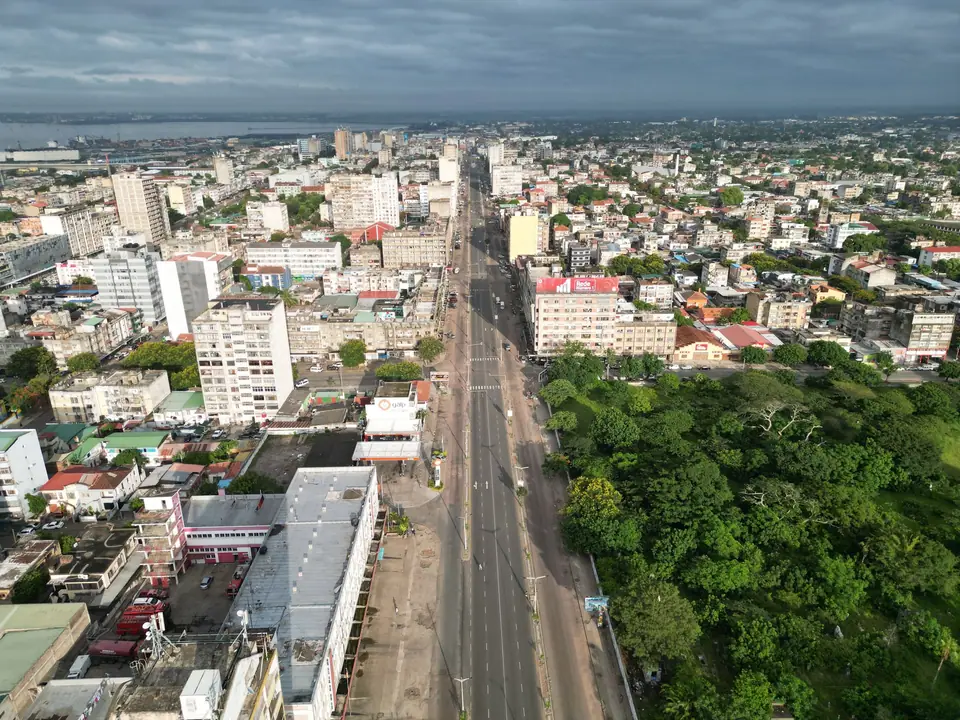
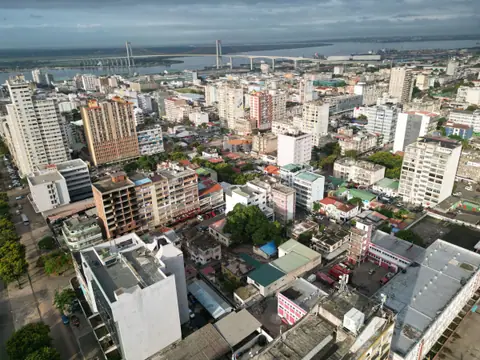
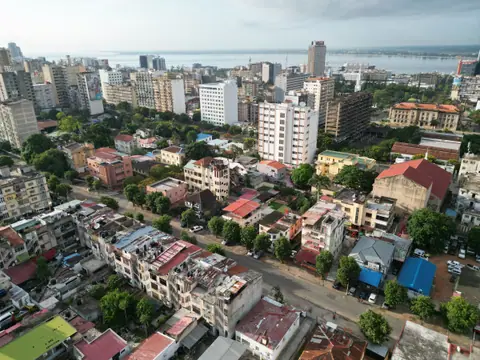
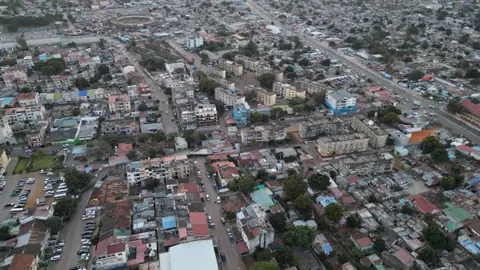
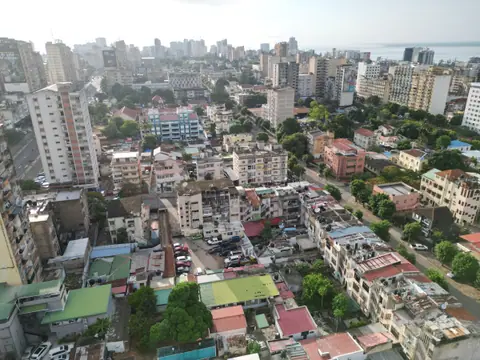
Poised on a red-earth headland where five rivers empty into the wide curve of Maputo Bay on the Indian Ocean, Mozambique's capital is one of the most atmospheric port cities in southern Africa. Below the cliff, the port grid of the Baixa preserves the mint-green copper dome of the 1910 Central Railway Station, the reddish stone ramparts of the Fortaleza and Gustave Eiffel's bolt-together Iron House. Up on the breeze-cooled plateau of Polana and Sommerschield, jacaranda and flame-tree avenues pass tropical modernist apartments by Pancho Guedes, open-air espresso terraces and the craft stalls of FEIMA.
By late afternoon, the city gravitates toward the palm-lined Avenida Marginal for charcoal-grilled prawns and cold Laurentina beer, while ferries and the soaring KaTembe suspension bridge open up barrier islands and coastal elephant reserves. Start with our first-timer briefing.
Getting there
Maputo International Airport (MPM) lies only 6 kilometres north-west of central Maputo with direct flights from Lisbon, Johannesburg, Addis Ababa, Doha and domestic coastal hubs including Vilankulo, Beira, Nampula and Pemba. By road, the toll N4 highway links Maputo with South Africa via the Ressano Garcia / Lebombo border in around 90 minutes, and with Eswatini via Namaacha. See how to get to Maputo.
Where to stay
Sleeping on the upper clifftop plateau in Polana Cimento or neighbouring Sommerschield puts you in Maputo's greenest, most walkable dining and embassy quarter, whereas the historic Baixa down by the harbour becomes quiet after business hours. We compare the best districts in where to stay in Maputo.
Things to do
Step onto the wrought-iron platforms of the CFM Central Railway Station before visiting the Maputo Fortress, Casa de Ferro and Tunduru Botanical Gardens, bargain for fresh Indian Ocean prawns at Mercado do Peixe and browse carvings at FEIMA, and cross the bay to KaTembe, Inhaca Island or Maputo National Park. See the full list in things to do in Maputo.
Food and drink
Maputo's table is a fiery Luso-African marriage of Indian Ocean seafood, coconut milk, cassava leaf and bird's-eye chilli: giant camarão tigre prawns split and basted with garlic, lemon and piri-piri, creamy matapa stew made from pounded cassava leaves, groundnuts and crab or shrimp, smoky frango à Zambeziana chicken and crisp Portuguese pãozinho bread rolls. Read where to eat in our seafood and markets guide.
Culture
Known as Lourenço Marques until independence in 1975, Maputo has long been a crucible of southern African jazz, marrabenta guitar music and visual art, shaped by painter Malangatana Ngwenya, sculptor Alberto Chissano, poet José Craveirinha and eccentric modernist architect Amâncio "Pancho" Guedes.
Weather by month
Maputo is warmest in January, with average highs around 30°C, and coldest in July, when nights drop to about 14°C. January is the wettest month, with rain on about 9 days. For mild weather with fewer rainy days, aim for May, June, July, August and September.
| Month | Low | Range | High | Rain | Rainy days |
|---|---|---|---|---|---|
| Jan | 22°C | 30°C | 146 mm | 9 d | |
| Feb | 22°C | 30°C | 128 mm | 8 d | |
| Mar | 21°C | 29°C | 92 mm | 7 d | |
| Apr | 19°C | 28°C | 54 mm | 5 d | |
| May | 16°C | 27°C | 24 mm | 2 d | |
| Jun | 14°C | 25°C | 16 mm | 2 d | |
| Jul | 14°C | 25°C | 16 mm | 2 d | |
| Aug | 15°C | 26°C | 14 mm | 2 d | |
| Sep | 17°C | 27°C | 28 mm | 3 d | |
| Oct | 18°C | 27°C | 52 mm | 5 d | |
| Nov | 20°C | 28°C | 78 mm | 7 d | |
| Dec | 21°C | 30°C | 108 mm | 8 d |
Averages of daily values from 2015 to 2024. Rainy days are days with at least 1 mm of rain. Source: Open-Meteo · Compare destinations by month.
Maputo on the map
Every place we cover in Maputo. Tap a category or pin to explore.
In-depth Maputo guides
Browse the guides grouped by topic: sights, neighbourhoods, food, transport, day trips and trip planning.
Sights, Landmarks & Parks
Key monuments, viewpoints, museums and nature trails.
- Best Things to Do in MaputoMint-green railway architecture, Eiffel's Iron House, charcoal-grilled tiger prawns and Indian Ocean islands.
- CFM Railway Station, Casa de Ferro, Fortress and the BaixaExploring Maputo's historic port quarter from the 1910 CFM Railway Station to Casa de Ferro and Tunduru Gardens.
Neighbourhoods & Where to Stay
Districts, historic quarters and the best bases for your stay.

Food & Drink
Local dishes, markets, cafés and dining districts.
Getting Around & Arrival
Airport transfers, public transit, passes and driving rules.
Day Trips & Excursions
Easy half-day and full-day trips from the city.
Trip Planning & Itineraries
When to visit, what to pack and day-by-day routes.
- Maputo: What to Know Before You GoUnderstanding Maputo's two-tier geography, ID rules, Metical cash and Luso-African dining customs.
- Best Time to Visit MaputoSunny, breeze-cooled dry months from May to October, scarlet flame blossoms and humid tropical summers.
- What to Wear in MaputoBreathable natural fabrics for coastal humidity, boat gear for Inhaca Island and relaxed Lusophone style.
- Maputo 3-Day Itinerary: Railway Domes, Prawns and IslandsThree days combining Maputo's historic railway and iron architecture, grilled tiger prawns and Inhaca Island.
Need your embassy or consulate in Mozambique? See embassies and consulates in Mozambique.
Reviews
Log in to write a review.
No reviews yet.