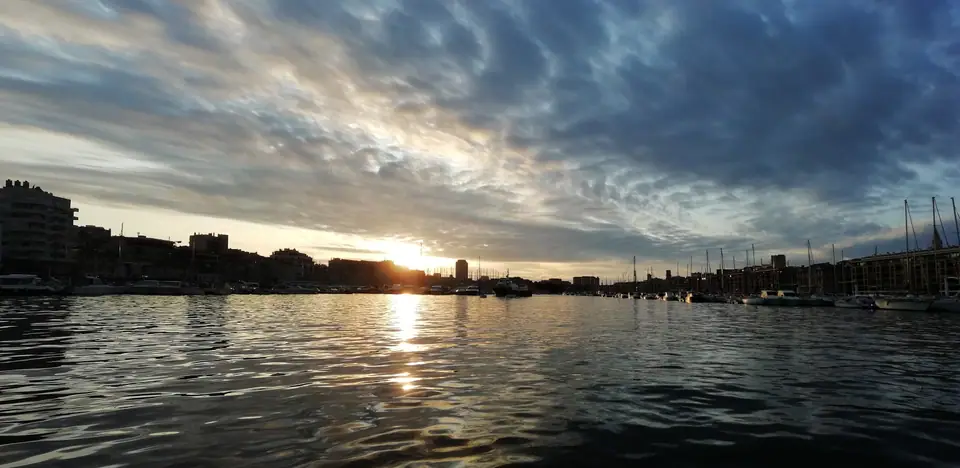
Photo: Patafisik · CC BY-SA 4.0
Mistral Winds, Wildfire Maps and Marseille Seasons
Time your Marseille visit using 2015 to 2024 Open-Meteo temperatures, winter Mistral gusts, October Mediterranean rainstorms, and summer Calanques wildfire rules.
Sunshine fills Marseille skies for nine months a year, yet simple temperature averages hide two coastal hazards that control ferry sailings and trail gates. Open-Meteo ERA5 daily normals recorded at 43.2965°N, 5.37°E from 2015 to 2024 record 567 millimetres of total annual rain across 72 wet days. Bone-dry midsummer beaches alternate sharply with wet October downpours and powerful winter-spring winds sweeping down from northern river valleys.
Timing trips around wildfire decrees and sea states turns hesitant beach weekends into seamless mountain-and-sea stays. Coordinate seasonal packing below directly with our three-day harbour plan and offshore boat rules before confirming flight dates.
How Dry Midsummer Sun Meets Wet October Fronts
Afternoon warmth accelerates steadily after May climbs to 21°C daily highs and 13°C nights. June averages 25°C highs and 18°C nights (25 millimetres across 5 wet days) before midsummer peaks at 28°C daily highs through July and August. July stands as the driest month of all, receiving barely 6 millimetres of rainfall across 1 wet day while night lows stay warm around 21°C. Exposed limestone steps climbing uphill sanctuaries and coastal coves turn intensely hot past mid-morning.
August adds 25 millimetres over 3 wet days, keeping swimming waters inviting across peak beaches. September holds warm 24°C highs with 55 millimetres across 5 wet days before weather pivots abruptly. Autumn Mediterranean storm fronts deliver 88 millimetres across 9 wet days in October and 82 millimetres over 9 wet days in November. Intense rain spells break quickly between sunshine intervals, making indoor stops at Mucem galleries, Cosquer Méditerranée, and covered markets indispensable.
Tracking the Mistral Down the Rhône Valley
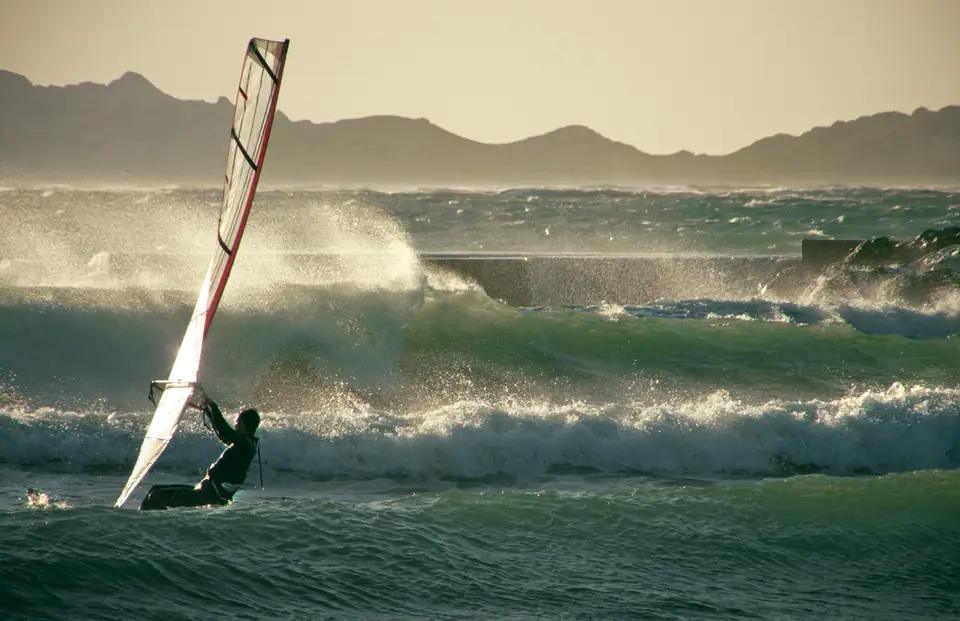
Marseille winters look deceptively gentle on raw thermometer charts, hovering at 11°C to 13°C daytime highs from December through February with 5°C to 7°C nights and 40 to 50 millimetres monthly rain. Yet Météo-France archives highlight the decisive local wild card: the Mistral. Cold, dry north-to-northwesterly air funnels fast down the narrow Rhône valley across over 100 windy days yearly. Multi-day sequences often run three to six days averaging 50 km/h, with fierce gusts topping 90 to 100 km/h.
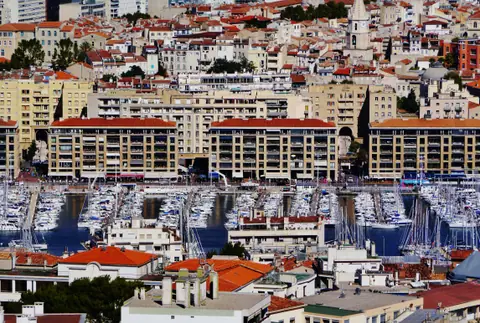
Strong Mistral bursts scrub sea haze completely clean, turning skies vivid cobalt and sharpening views out to the Frioul cliffs. Those exact gusts raise steep bay whitecaps that routinely suspend Château d'If jetty landings, making heavy windbreakers essential even on bright afternoon quays.
Summer Wildfire Maps and Daily Cove Permits
Peak summer triggers strict dual controls across Calanques National Park headlands regardless of calm mornings downtown. Every evening between 1 June and 30 September, the Bouches-du-Rhône Prefecture issues a colour-coded fire-risk access map for the following day on risque-prevention-incendie.fr/13 and inside the Mes Calanques mobile app.
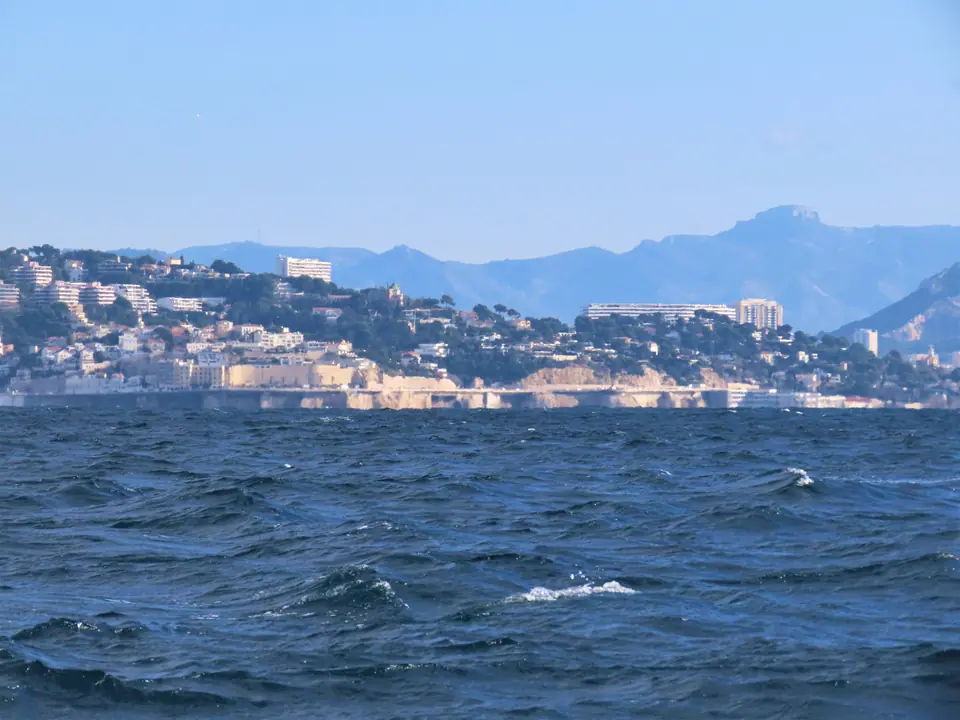
When the massif registers Red (Journée Rouge), all coastal footpaths, access roads, and shoreline landings close 24 hours a day by prefecture law. Separately, peak summer weekends (late June and early September) and every day through July and August require a free online permit for final cove access into Calanque de Sugiton and Pierres Tombées. Park quotas cap entry at 400 visitors daily, releasing QR bookings three days in advance.
Spring Warmth Before Peak School Holidays
Walkers chasing dry cliff trails without summer wildfire locks thrive in late April, May, early June, and mid-September. March reaches 15°C highs over 6 wet days and 8°C crisp nights, while April climbs to 17°C highs across 54 millimetres over 7 wet days ahead of intense sun. May balances comfortable 21°C warmth with unobstructed park trails. Early June opens the main swimming season cleanly through September before heatwaves peak. Remember one midsummer trap: many independent neighbourhood shops and small dining rooms take brief annual breaks around mid-August holidays, making May or September far smoother for food exploring.

Winter Foire aux Santons and Clear Blue Skies
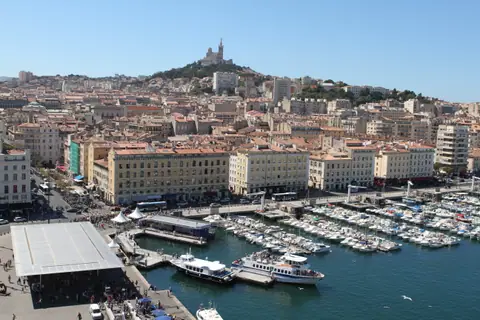
Mid-November through early January transforms Quai du Port for Marseille's historic Foire aux Santons. Founded in 1803, roughly 20 to 25 artisan stalls craft miniature painted Provençal terracotta village figures along the quay. Mild sunlit winter days stay comfortable across January (11°C highs, 5°C nights, 40 millimetres over 6 wet days), February (13°C highs, 6°C nights), and December (13°C highs, 50 millimetres over 7 wet days). Crisp bright afternoons suit lingering Provençal winter lunches, Palais Longchamp galleries, and quiet headland walks. Check UK GOV.UK alerts ahead of travel for French public demonstrations or transport strikes.
Packing Layers for Windchill, Heat and Karst Steps
- Windproof outer shell across all seasons: Even bright 15°C spring sunshine bites sharply along harbour seawalls when Mistral gusts exceed 90 km/h.
- Lug-soled closed trail footwear: Steep cobbled stairways in Le Panier and polished white limestone heading into Sormiou or En-Vau feel slick even completely dry.
- Peak-summer sun protection and refill bottles: July and August light glares off unshaded karst cliffs with zero fresh water taps down inside coastal coves.
- Compact autumn waterproof jacket: Expect sudden heavy October and November Mediterranean cloudbursts between crisp blue sky breaks.
- Light scarf or modest shoulder cover: Pack cover for knees and shoulders before climbing inside active worship halls at Notre-Dame de la Garde.
Where it is
- 1Marseille
- Marseille Provence Airport (MRS) · about 20 km from Marseille in a straight line
- Directions in Google Maps
Stations and taxi ranks: OpenStreetMap. Airports: OurAirports. Distances are in a straight line.
Traveller tips
Real advice from people who have been to Marseille. Every tip is read by our team before it goes live.
No tips yet. Been here? Yours could be the first.
Thank you! Your tip will appear here after a quick review.
More in Marseille
Continue exploring Marseille with related neighbourhood, food, and planning guides