Photo: Vlad Mandyev · CC BY-SA 4.0
Château d'If and Frioul: Boats, Dungeons and Mistral Winds
Sail from Quai de la Fraternité to Francis I's 1524 Château d'If and Frioul islands while checking separate ferry ticketing, Edmond Dantès myths, and Mistral sea bans.
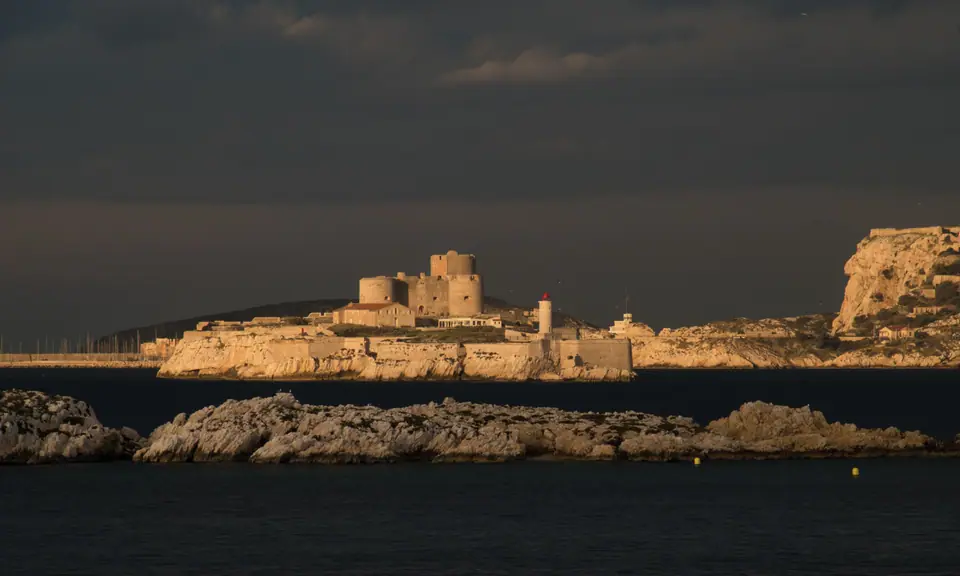
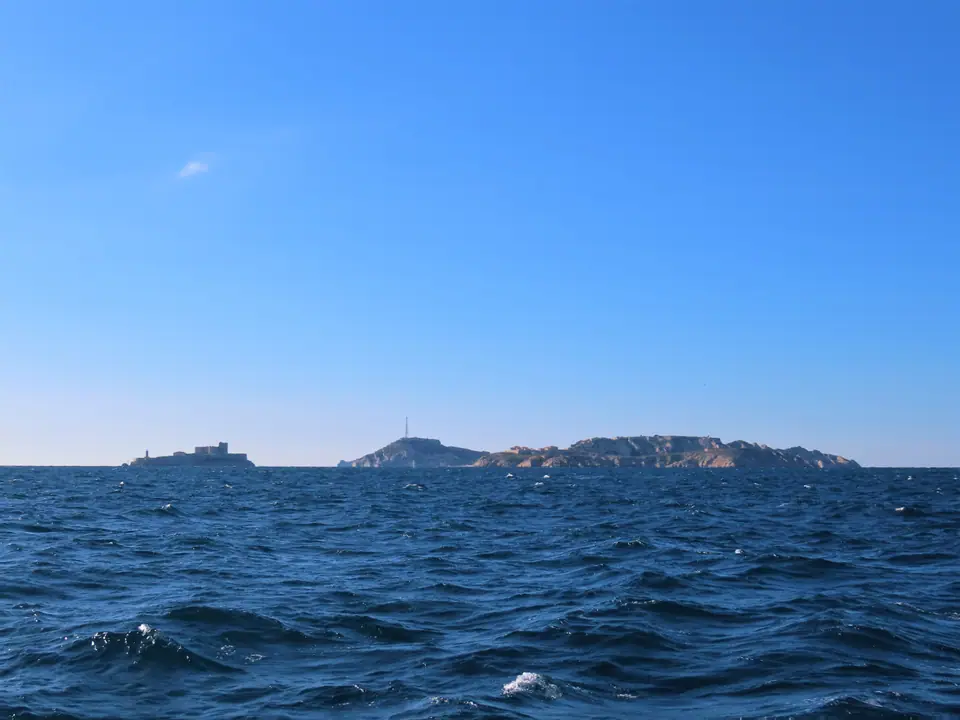
Set 3.5 kilometres west of the Vieux-Port across open bay water, the barren 3-hectare limestone rock of Château d'If sits roughly 1.5 kilometres off Marseille's Endoume headland. Few coastal castles carry wider fame on so tiny a footprint. King Francis I ordered royal engineers to fortify this outer Frioul rock between 1524 and 1531. Thick bastion walls and royal galley anchorages defended Marseille's bay approaches against hostile fleets.
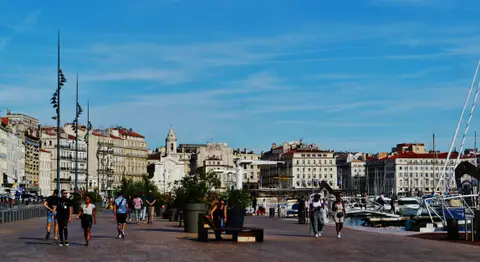
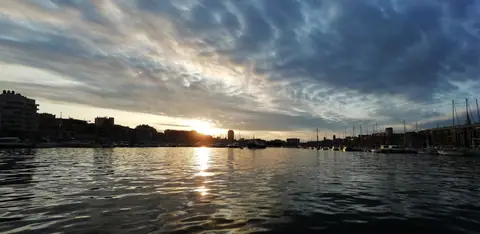
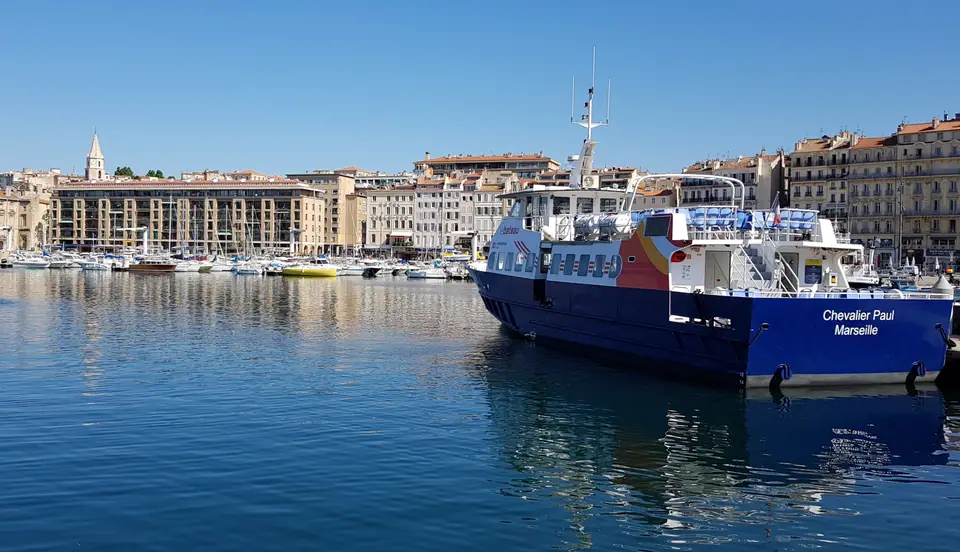
Modern day trippers step aboard harbour launches mainly chasing a fictional prisoner who never once paced its flagstones. Sailing out past Fort Saint-Jean and Fort Saint-Nicolas quickly leaves calm inner port water behind. Balancing Alexandre Dumas's dramatic escape story against stark state-prison archives guarantees an honest half-day visit. Checking Mistral wind waves early on sailing mornings prevents wasted walks to storm-closed landing piers.
Francis I's Limestone Citadel Across the Bay
Measuring barely 0.03 square kilometres on pale Urgonian limestone inside the Frioul archipelago, the square central keep and cylindrical corner towers soon converted into an isolated state fortress prison. Swelling currents deterred mainland rescue ships far better than thick stone walls. Over nearly three centuries, jailers locked away exiled Protestant Huguenots and outspoken political detainees such as the Comte de Mirabeau. Later damp cells held 1871 Marseille Commune figure Gaston Crémieux, executed here in 1871. No formal register counts every detainee across those decades, yet stark stone rooms reveal harsh isolation immediately.
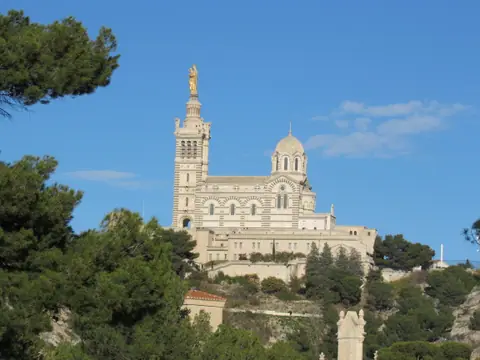
Demilitarised once modern coastal artillery outgrew sixteenth-century stonework, France opened the island fortress to paying guests on 23 September 1890 under the Centre des Monuments Nationaux. Steep stone treads climb past cannon embrasures onto exposed rooftop battlements. Crisp terrace views sweep straight east across white coastal cliffs back toward Notre-Dame de la Garde and downtown hills.
State Detainees, Edmond Dantès and Prison Cell Legends
Alexandre Dumas's 1844 serial novel The Count of Monte Cristo placed Château d'If permanently on literary maps through young Marseillais sailor Edmond Dantès. Dumas cast Dantès down an island dungeon before plotting a famous escape inside a weighted burial sack. Historical reality stands starkly different: Edmond Dantès is sheer literary fiction. Archived prison registers document zero confirmed escapes across every decade of active island incarceration. Travellers climb worn stone stairs between lower vaults and sunny roof ledges to compare romantic prose with sober masonry.
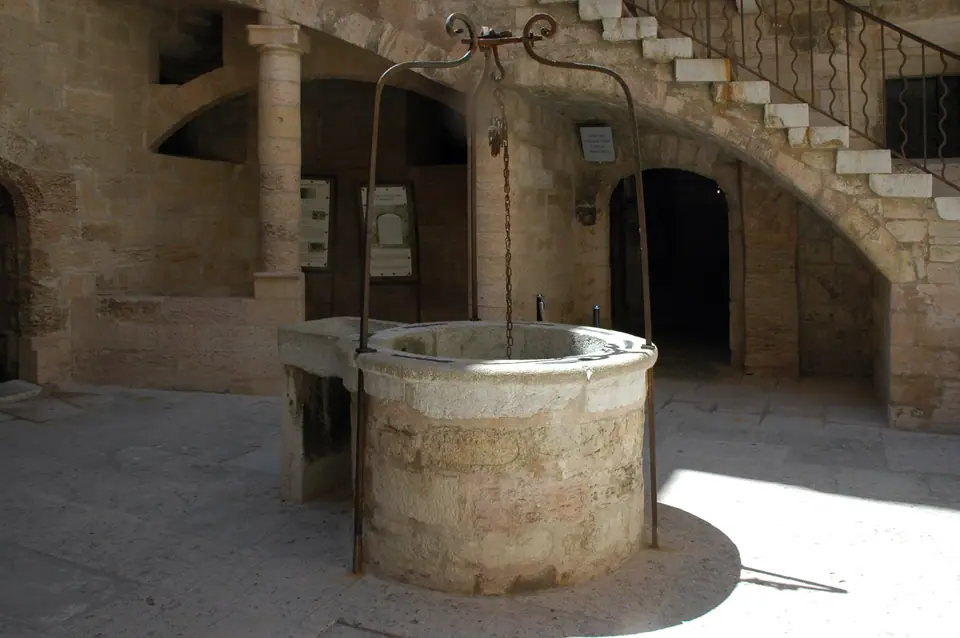
Read courtyard door plaques with calm scepticism as you step inside shadowy cells ringing the central rainwater cistern. Caretaker lore linked rooms to Dumas's Abbé Faria (historically disputed) and the mysterious Man in the Iron Mask, whom royal records prove never visited If. Further plaques cite the Marquis de Sade, likewise disproved by surviving archives. Enjoy the austere limestone halls for genuine coastal fortification design rather than literal prison legends.
Splitting Ferry Tickets from Monument Admission
Separate ticketing rules trip up unprepared visitors queueing down along Quai de la Fraternité every morning. Maritime carrier Le Bateau Frioul If sails year-round out of Vieux-Port, joined seasonally from February through November by Calanques If vessels. Ferry tickets cover purely the boat crossing, sold either as direct If returns or multi-stop island hops onto neighbouring limestone islands Ratonneau and Pomègues. Confirm live departure intervals on the operator site before leaving your Vieux-Port hotel quay.
Stepping onto the rock jetty immediately confronts guests with a second Centre des Monuments Nationaux gatehouse managing monument admission via chateau-if.fr. Entry stays free with valid photo ID for under-18s and EU citizens or legal residents aged 18 to 25. Note how the Marseille CityPass governs this crossing: CityPass covers monument admission seamlessly, yet boarding its included ferry cancels CityPass entry at Cosquer Méditerranée automatically.
Mistral Cancellations, Frioul Hops and Landing Checks
Ferry bows must nudge up against an exposed, open-bay limestone jetty unprotected by outer breakwaters. Whenever Mistral gusts pass 90 km/h or heavy swells wash across landing steps, boats cancel Château d'If stops completely. Crews still run steady crossings into sheltered Port du Frioul between Ratonneau and Pomègues on many rough days. Combining Frioul onto your ferry ticket lets walkers cross the stone Digue Berry breakwater toward dry rocky paths and sandy Saint-Estève cove. Spare afternoon hours across Ratonneau deliver calm horizon views away from downtown noise.
- Verify sea conditions ahead of walking down to Vieux-Port: Check live sailings on
lebateau-frioul-if.frandchateau-if.frbefore departing. Note winter Monday monument closures and sudden wind cancellations. - Leave rolling bags locked ashore downtown: Zero left-luggage lockers exist anywhere on Château d'If. Ferry staff refuse heavy suitcases and large backpacks on narrow open gangways.
- Prepare for rough stairs without step-free routes: Worn stone thresholds, narrow spiral staircases, and steep dock ramps provide zero wheelchair or reduced-mobility access anywhere ashore.
- Pack water and carry out every wrapper: Conservation laws protecting Calanques National Park zones ban swimming off If and forbid smoking. Neither public rubbish bins nor drinking water fountains exist anywhere on the island.
Where it is
- 1Château d'If and Frioul
- Marseille Provence Airport (MRS) · about 20 km from here in a straight line
- Directions in Google Maps
Stations and taxi ranks: OpenStreetMap. Airports: OurAirports. Distances are in a straight line.
Traveller tips
Real advice from people who have been to Marseille. Every tip is read by our team before it goes live.
No tips yet. Been here? Yours could be the first.
Thank you! Your tip will appear here after a quick review.
More in Marseille
Continue exploring Marseille with related neighbourhood, food, and planning guides