


























Photo: Olena Ilnytska · CC BY-SA 4.0
From Quai des Belges to Mucem, Fort Saint-Jean and Cosquer
Follow Vieux-Port from Norman Foster's mirrored Ombrière and solar ferries across Mucem's free rooftop ramps, 1660 Citadelle gardens, and Cosquer Méditerranée.
Every coastal layer of Marseille meets along a continuous three-kilometre seafront path leading from Quai de la Fraternité out past reclaimed J4 docks toward Joliette. Ancient mariners dragged wooden keels ashore inside this sheltered Lacydon cove centuries before modern shipping moved north to Port of Marseille Fos. That industrial shift left the sunlit horseshoe basin free for leisure boats, harbour shuttles, and wide stone promenades.
Countless casual arrivals queue straight at museum ticket counters without learning one key detail. Nearly half of the waterfront's dramatic sea skywalks, landscaped fortress bastions, and rooftop concrete ramps remain completely free without tickets. Knowing cleanly where free public paths end and ticketed rooms begin turns a morning walk into Marseille's smoothest seaside itinerary.
Solar Ferries, Quayside Arcades and the Mirrored Canopy
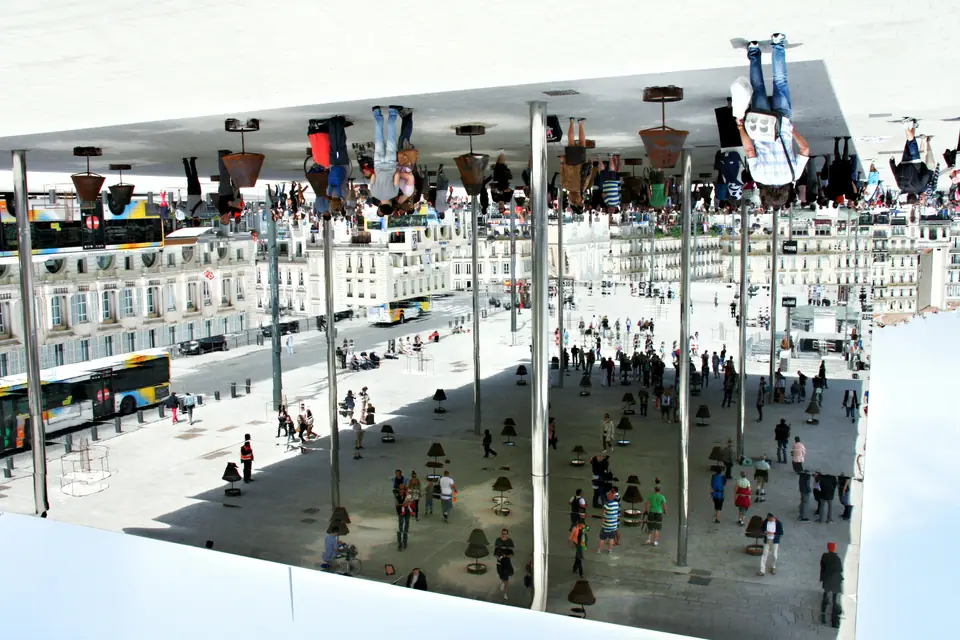
Begin on the wide eastern quay at Quai de la Fraternité underneath Norman Foster's 2013 Ombrière. This wafer-thin 46-by-22-metre stainless-steel ceiling reflects morning fish stalls, cyclists, and surrounding stone buildings cleanly upside-down overhead. Early inshore launches moor right beside stone quay stairs selling live scorpionfish, red mullet, and sea bream heading straight into harbourfront bouillabaisse kettles.
Skip the long hike circling three quaysides by stepping aboard RTM's short electric solar Ferry Boat. Boats glide 283 metres straight across from Quai du Port outside Hôtel de Ville to Place aux Huiles on Rive Neuve. Note one small payment catch: contactless Open Payment taps onboard cover solely that single water hop without free onward metro transfers. Loaded RTM passes or the Marseille CityPass cover transfers automatically. Walking west along Quai du Port highlights architect Fernand Pouillon's clean post-war limestone arcades. Workers raised those pale residential blocks across streets German troops evacuated and dynamited during January and February 1943.
Ricciotti's Concrete Lattice and Free Rooftop Ramps
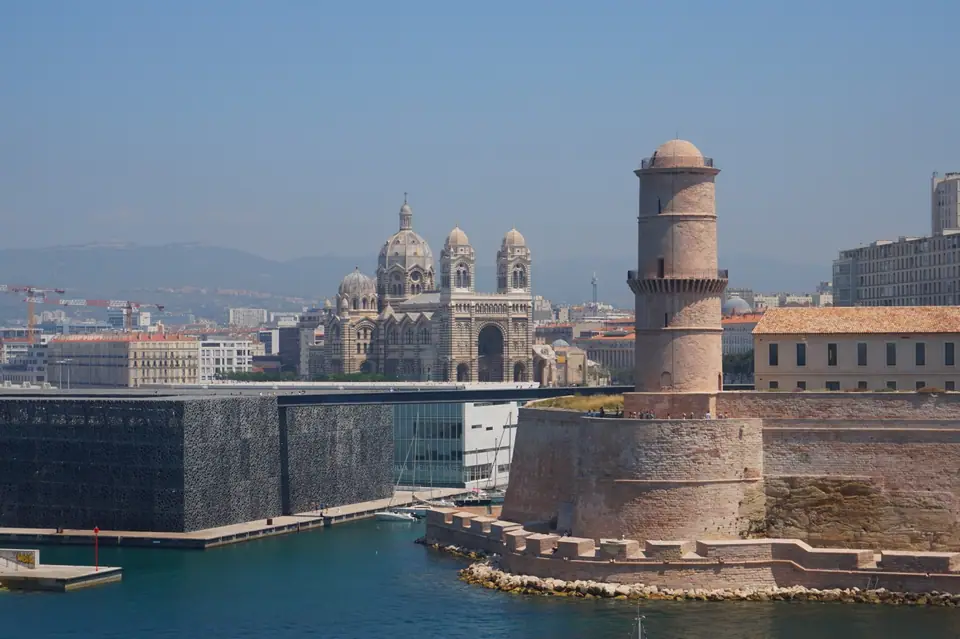
Where Quai du Port opens onto Mediterranean swells stands the Museum of European and Mediterranean Civilisations (Mucem), opened in June 2013 on the J4 pier. Architect Rudy Ricciotti and Roland Carta shaped a 72-metre square pavilion enclosing 15,000 square metres inside delicate dark fibre-reinforced concrete (UHPC / BFUP) latticework. Dappled shadows filter harsh noon glare across tilted walkways winding steadily toward open sky. Broad seafront stone ledges around J4 draw casual strollers at dusk watching outgoing ferries clear the breakwater channel.
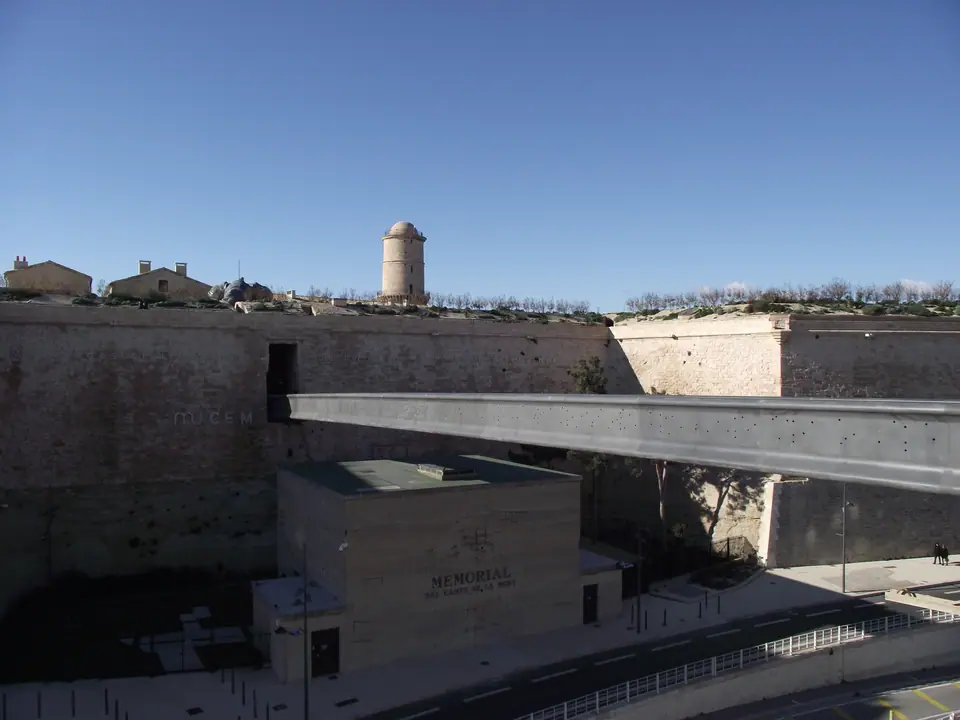
Checking official rules on mucem.org pays real dividends before purchasing passes. Mucem's sweeping outdoor spiral ramps climbing onto the sunny rooftop deck stay completely free without tickets. Walkers cross the slender 115-metre cantilevered bridge over sea water into Fort Saint-Jean and roam dryland bastion gardens without paying a cent. Crossing the second 70-metre upper bridge steps directly onto Esplanade de la Tourette beside Cathédrale La Major (1852 to 1893) and historic Le Panier corners. Indoor climate-controlled exhibition galleries require paid tickets (included on CityPass) and close strictly every Tuesday, plus 1 May and 25 December.
Ricciotti's dark filigree cube uses coastal sea light as active architecture: even on Tuesdays when gallery locks shut tight, elevated skywalks and bastion gardens stay wide open to every walker.
Fort Saint-Jean, Louis XIV's Citadelle and the 2024 Reopening
Twin seventeenth-century stone fortresses face each other across the tight harbour channel, guarding every vessel passing the breakwater. Along the northern spur beside Mucem stands Fort Saint-Jean, wrapping a 12th-century Knights Hospitaller church and square tower inside King René's tall 1447 round keep and Vauban-period seaward ramparts. Walkers trace calm stone steps past dry Mediterranean garden plots before descending straight toward harbour terraces. Wind-sheltered walls give walkers crisp shelter from harsh offshore gusts while opening broad bay views south across anchored yachts.
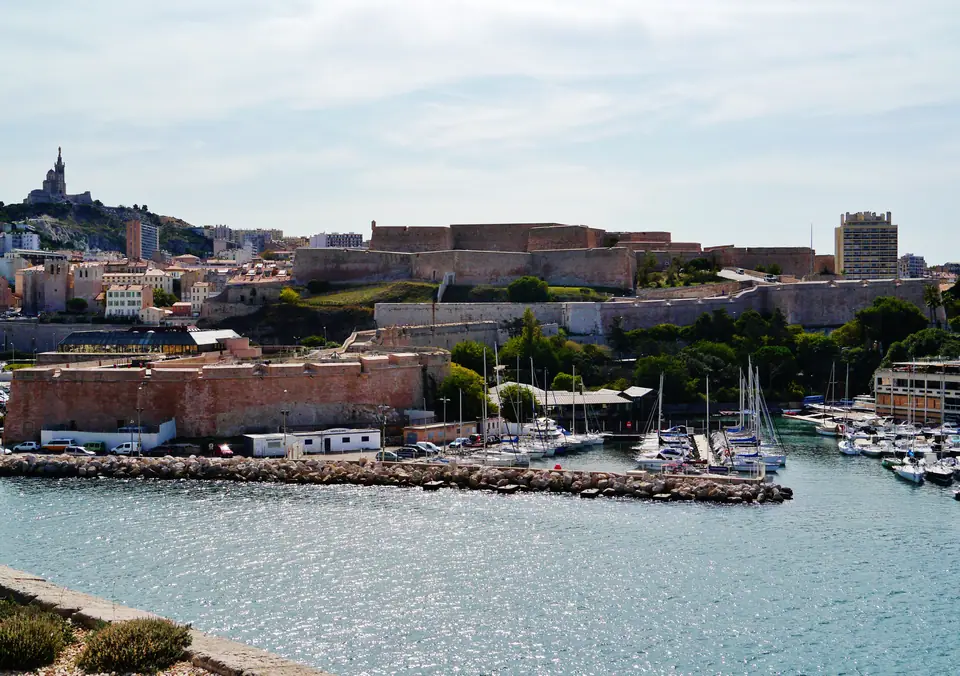
Directly south across deep channel waters looms Louis XIV's 1660 Fort Saint-Nicolas (upper Fort d'Entrecasteaux). Walled behind closed military gates for generations, its restored upper compound reopened progressively to visitors in May 2024 as La Citadelle de Marseille. Sunlit sea gardens and heritage rampart paths pair seamlessly on foot with climbs down from Notre-Dame de la Garde and Abbaye Saint-Victor.
Submerged Cave Art Inside Cosquer Méditerranée
Opposite Mucem inside Stefano Boeri's overhanging concrete Villa Méditerranée opens Cosquer Méditerranée, launched on 4 June 2022. In 1985, Marseille diver Henri Cosquer swam up a flooded limestone tunnel 37 metres below sea level beneath Cap Morgiou in the Calanques. Inside an air pocket above the siphon waited over 500 Palaeolithic artworks aged 19,000 to 33,000 years.
Rising post-glacial seas bury the genuine cavern entrance under lethal diving depths today. Quiet electric rail pods instead carry guests past full-scale resin cavern faces decorated with horses, bison, seabirds, seals, and black stencilled hands. Audio headsets explain how Ice Age hunters stepped out across dry coastal plains far beyond Marseille's modern piers.
Avoiding the CityPass Boat-Versus-Cave Trap
Double-check your pass schedule carefully before flashing the Marseille CityPass at Villa Méditerranée turnstiles. CityPass rules apply a strict either/or toggle between Cosquer Méditerranée admission OR the offshore Château d'If / Frioul boat crossing. Validating one barcode cancels the second option automatically, so save Cosquer for windy afternoons and reserve timed cave slots on grotte-cosquer.com ahead of holidays.
Where it is
- 1From Quai des Belges to Mucem, Fort Saint-Jean and Cosquer
- Marseille Provence Airport (MRS) · about 20 km from here in a straight line
- Directions in Google Maps
Stations and taxi ranks: OpenStreetMap. Airports: OurAirports. Distances are in a straight line.
Traveller tips
Real advice from people who have been to Marseille. Every tip is read by our team before it goes live.
No tips yet. Been here? Yours could be the first.
Thank you! Your tip will appear here after a quick review.
More in Marseille
Continue exploring Marseille with related neighbourhood, food, and planning guides
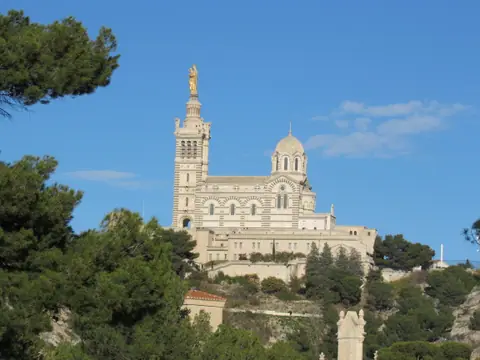
La Bonne Mère: Notre-Dame de la Garde Above Marseille
Marseille, France
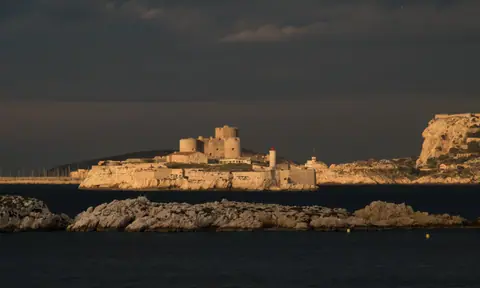
Château d'If and Frioul: Boats, Dungeons and Mistral Winds
Marseille, France
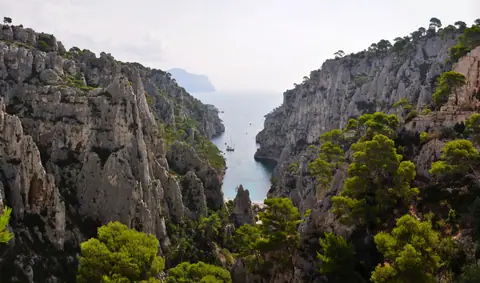
Calanques National Park: Wildfire Rules, Sugiton and Buses
Marseille, France
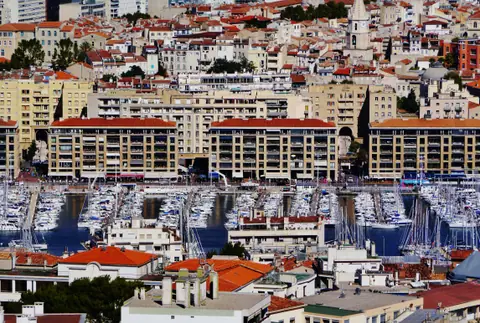
Marseille on the Mediterranean: Massalia, Old Port and Limestone Hills
Marseille, France
