Greenland National Museum and the Qilakitsoq Mummies
Inside Nunatta Katersugaasivia Allagaateqarfialu: the fifteenth-century Qilakitsoq mummies, 78 sealskin garments, and 4,500 years of Arctic archaeology.
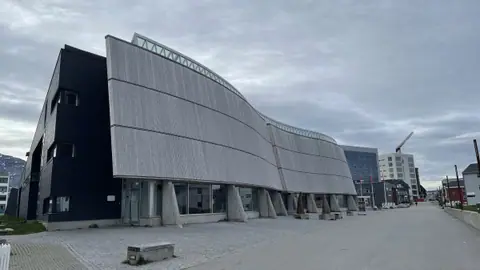
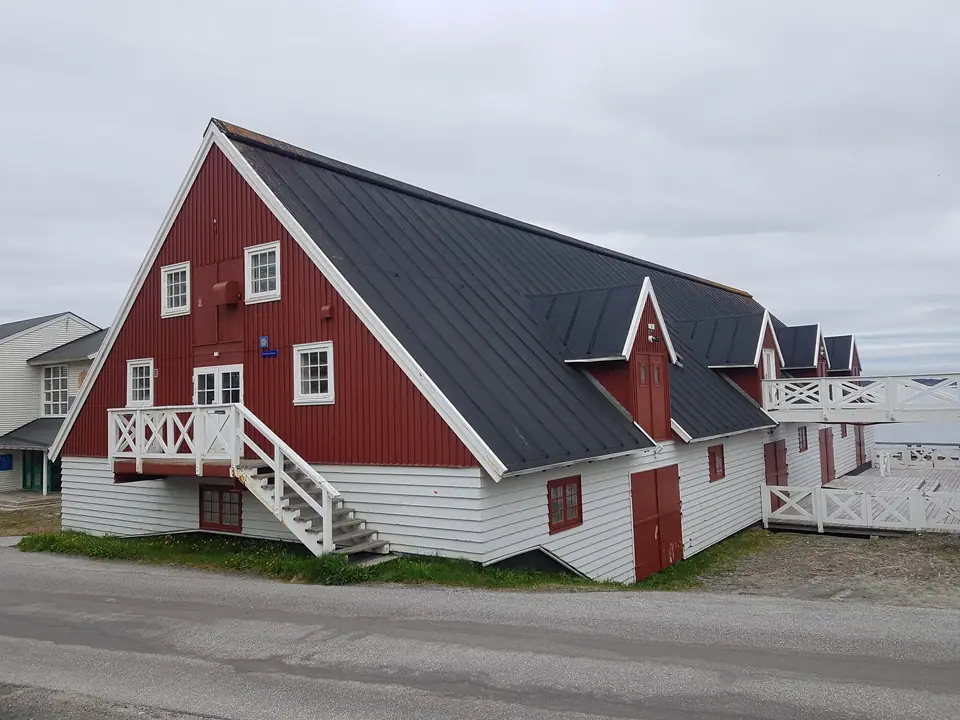
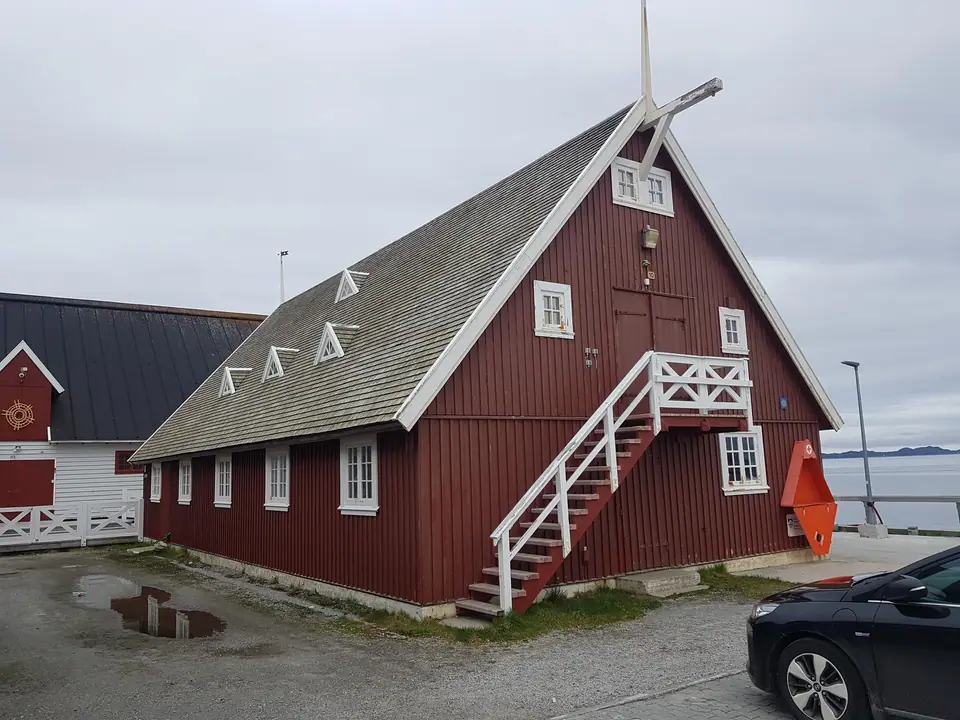
Set directly on the waterfront of Nuuk's Old Colonial Harbour inside a timber warehouse erected in 1936, the Greenland National Museum (Nunatta Katersugaasivia Allagaateqarfialu) is the country's central museum of archaeology and cultural history. Inaugurated in 1965 as Greenland's first museum inside the 1747 Moravian Brethren Mission House at New Herrnhut, the institution moved into its harbourside complex in the 1970s as tens of thousands of indigenous Inuit artefacts were repatriated from the National Museum of Denmark under the Utimut ("Return") cultural heritage partnership. In 1991 the museum merged with the National Archives (now housed at the Ilimmarfik campus).
The Qilakitsoq Mummies (c. 1475 CE)
The museum's most famous gallery is dedicated to the Qilakitsoq mummies, discovered on 9 October 1972 by ptarmigan hunters Hans and Jokum Grønvold in two stone-lined graves sheltered beneath a rock overhang 27 metres above sea level at Qilakitsoq on the Nuussuaq Peninsula near Uummannaq. Radiocarbon-dated to around 1475 CE (±50 years) and returned from Copenhagen to Nuuk in 1982, four of the eight naturally freeze-dried Thule Inuit bodies (three women and a six-month-old infant boy initially mistaken by his discoverers for a doll) are displayed in a climate-controlled room. Mitochondrial DNA studies established close maternal kinship across the two graves, while infrared photography revealed intricate facial tattoos applied with soot-coated sinew threads across the adult women's foreheads, cheeks, and chins. Alongside the bodies, archaeologists recovered 78 articles of fifteenth-century Arctic clothing, including waterproof sealskin kamit boots insulated with dried grass, caribou-skin trousers, and inner anoraks crafted from the feathered skins of five different bird species.
4,500 Years of Saqqaq, Dorset, Thule, and Norse History
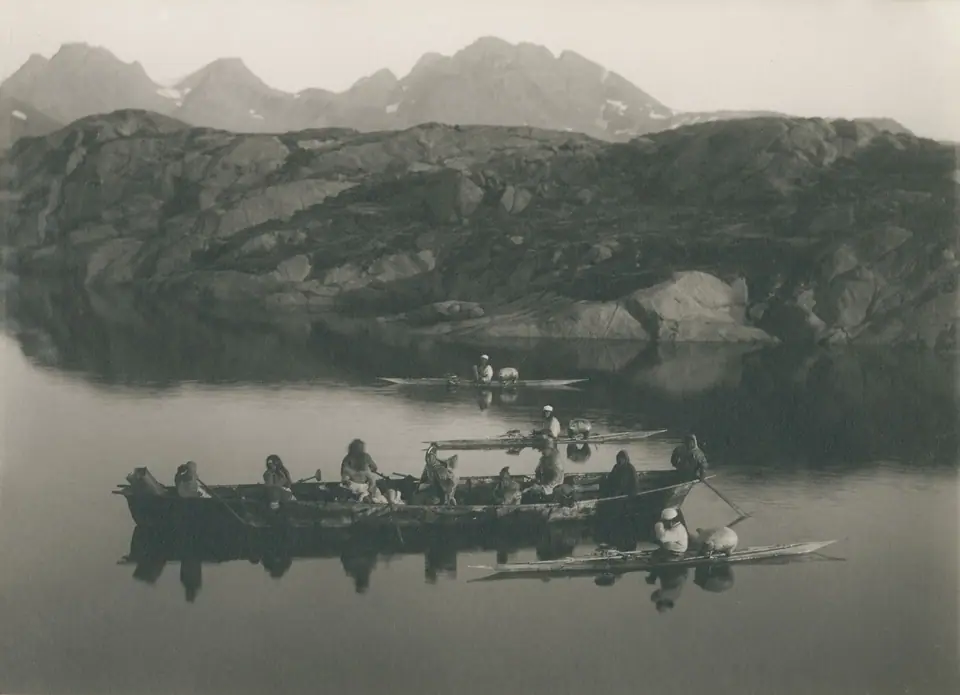
Chronological halls trace every era of human habitation across Greenland: finely chipped stone microblades and harpoon heads from the Saqqaq culture (around 2500 to 800 BCE), carved bone and ivory amulets of the Dorset culture (800 BCE to 1300 CE), and complete Thule Inuit dogsleds, hunting kayaks (qajaq), and multi-person skin-covered women's boats (umiaq) suspended from the timber rafters. A dedicated Norse gallery presents soapstone vessels, iron tools, and medieval woollen burial garments excavated from the Western Settlement (Vesterbygden) farms inside Nuup Kangerlua and the Eastern Settlement in South Greenland.
National Costumes, Geology, and Harbour Workshops
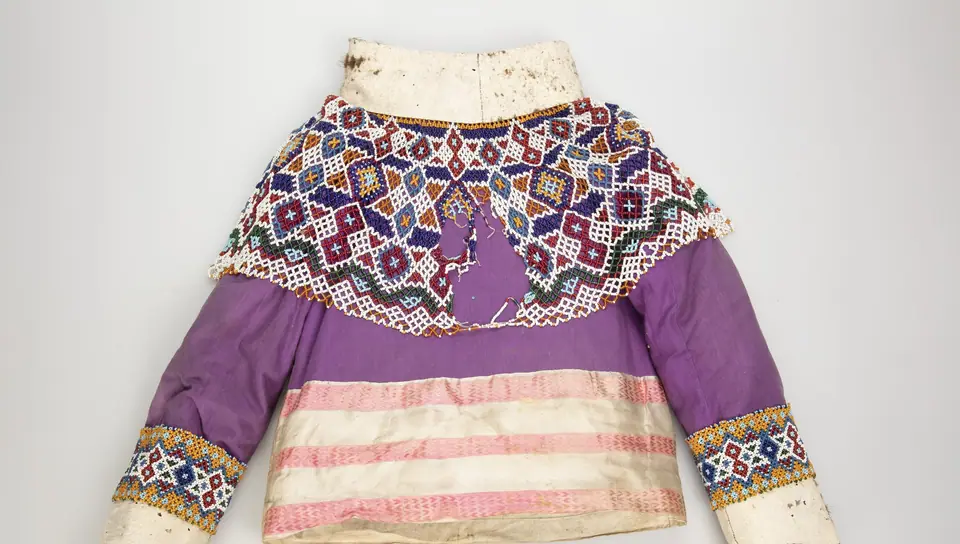
Upper-floor rooms exhibit the intricate glass-bead collars, sealskin shorts, and white lace-trimmed kamit boots of the festive Greenlandic national costume (kalaallisuut), alongside galleries covering Greenland's ancient Precambrian geology and the social transformation of the 1950s and 1960s. Outside along the waterfront, the museum also preserves a historic cooper's barrel workshop and nineteenth-century whale-blubber vats and presses. Check the official museum website for seasonal opening hours before visiting.
Traveller tips
Real advice from people who have been to Greenland National Museum and the Qilakitsoq Mummies. Every tip is read by our team before it goes live.
No tips yet. Been here? Yours could be the first.
Thank you! Your tip will appear here after a quick review.
More in Nuuk
Continue exploring Nuuk with related neighbourhood, food, and planning guides