





















Barrio de Jalatlaco, Xochimilco Aqueduct & Historic Oaxaca Walking Guide
Self-guided 2026 walking route through Oaxaca's most picturesque neighbourhoods: the cobbled street murals of Barrio de Jalatlaco, the 1727 stone aqueduct of Xochimilco, and the Basilica of La Soledad.
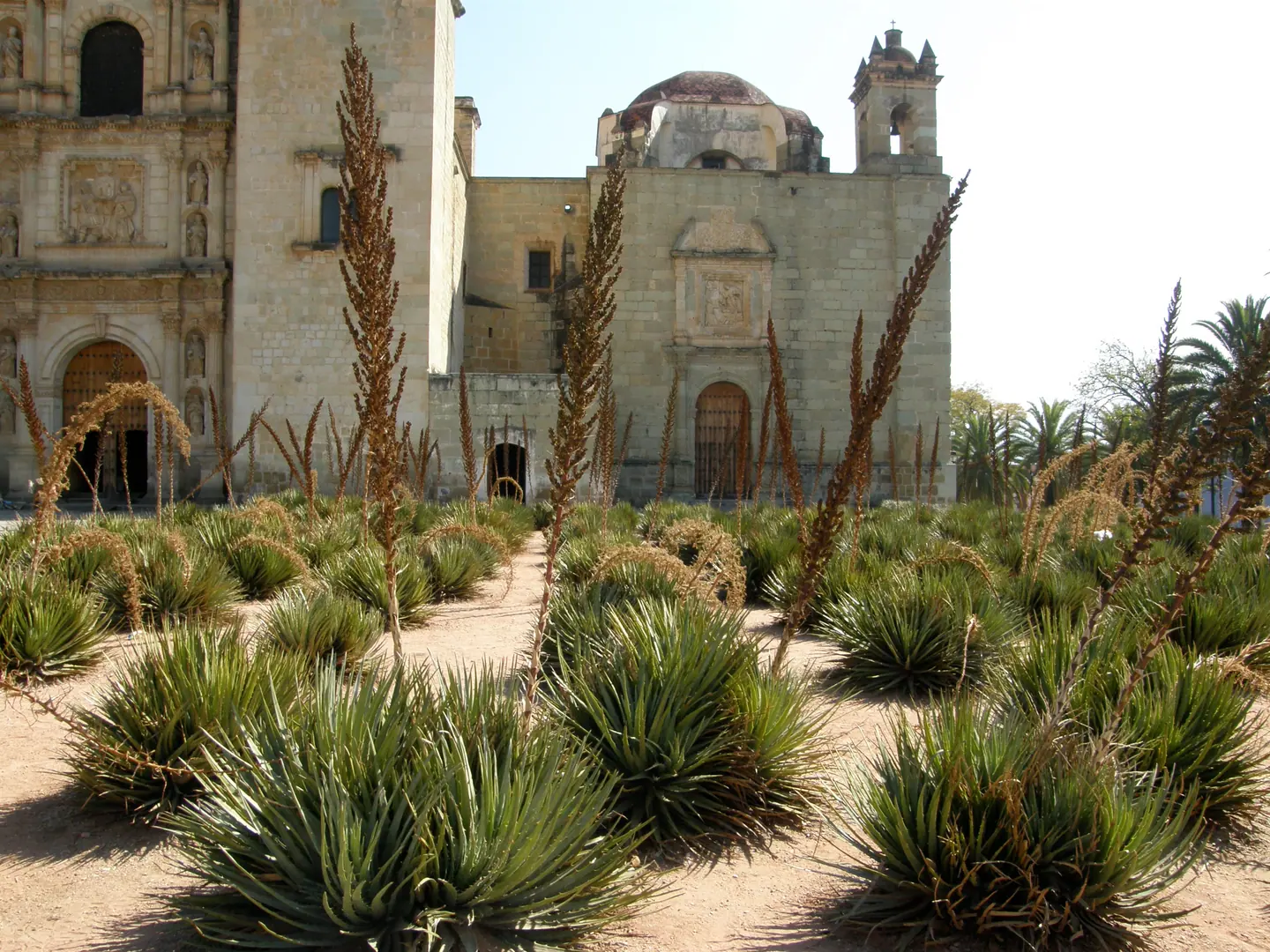
While the monumental green-stone churches around Santo Domingo and the Zócalo showcase colonial power, the true residential charm of Oaxaca de Juárez lives in the historic Indigenous and artisan barrios that ring the downtown grid. Walking just ten minutes north or east of Santo Domingo brings you onto quiet. Rounded river-cobblestone lanes draped in lively papel picado banners, 18th-century stone aqueduct arches, and giant skeleton murals painted across sun-baked adobe walls. Below is a self-guided 3.5-kilometre walking route connecting Barrio de Xochimilco, Barrio de Jalatlaco, and the historic churches of western Centro. Pair this neighbourhood walk with our Oaxaca accommodation guide and Santo Domingo guide.
| Barrio / Stop | Historic Origin | Signature Architectural Feature | Best Time for Photography |
|---|---|---|---|
| 1. Barrio de Xochimilco.. | Founded 1486 by Aztecs / Zapotecs. | 18th-century stone arches of the Acueducto de San Felipe along Calle Rufino Tamayo. | 08:00 to 10:00 morning side-light. |
| 2. Barrio de Jalatlaco.. | Founded 1524 by Tlaxcaltec allies. | Cobblestone Calle 5 de Mayo, San Matías Church, Day of the Dead street murals. | 16:30 to 18:30 golden hour. |
| 3. Basilica de la Soledad & Jardín Sócrates.. | Consecrated 1690 (Western Centro). | Curved screen-retablo Baroque facade & traditional nieves ice-cream plaza. | 15:30 to 17:30 afternoon sun. |
| 4. Barrio de la China (Tin Craft Lane).. | Southern artisan quarter. | Hand-punched tin mirrors (hojalata) and painted metal hearts. | 10:00 to 14:00 workshop hours. |
Barrio de Xochimilco: Walking Beneath the 1727 Stone Aqueduct
Begin your walk four blocks north of Templo de Santo Domingo at the stone arch of the Cruz de Piedra (at the junction of Calle García Vigil and Calle Rufino Tamayo). Here the flat colonial checkerboard gives way to the winding, cobblestoned hillside of Barrio de Xochimilco, which was established in 1486 as a Mexica (Aztec) military outpost overlooking the Zapotec valley. Taking its Nahuatl name Xochimilco ("In the Field of Flowers") from the chinampa gardens of the Valley of Mexico, this tranquil northern quarter is famous for two things. Traditional flying-shuttle textile workshops and its monumental colonial waterworks.
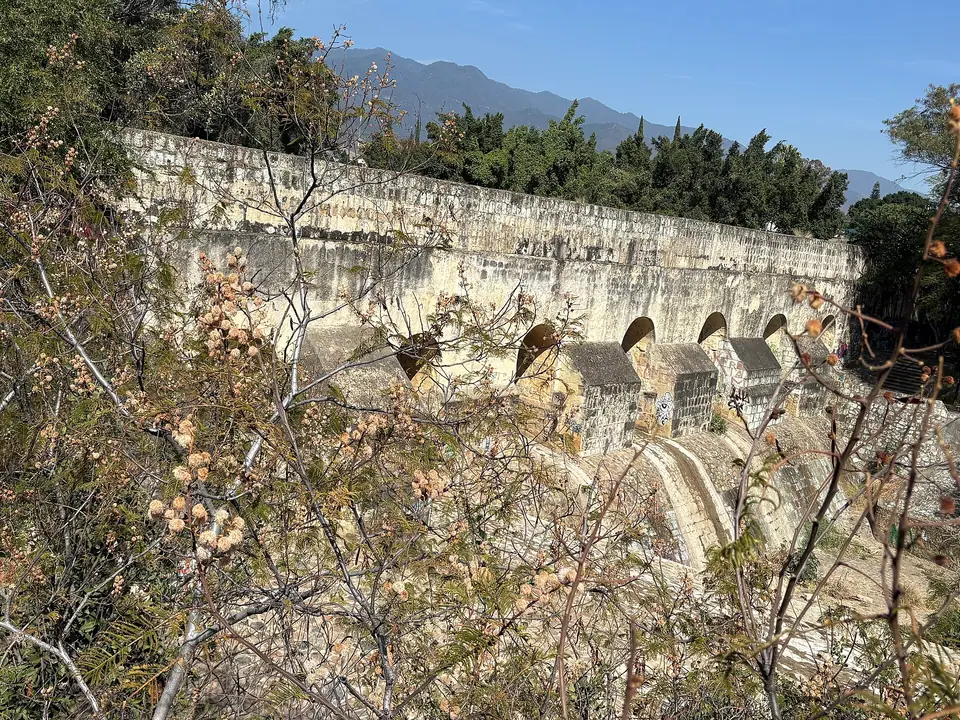
Between 1727 and 1751, colonial benefactor Juan Gómez Márquez financed the construction of the Acueducto de San Felipe del Agua (Acueducto de Xochimilco). To carry fresh mountain spring water six kilometres from the foothills of the Sierra Norte straight into the fountains and monasteries of downtown Antequera. As you walk north up Calle Rufino Tamayo, the green-and-pink stone arches of the aqueduct run beside the cobbled street. Low archways serve as front doors and tunnels leading to 16th-century Templo de Santo Tomás Xochimilco. Step inside the government-supported craft palace of ARIPO (Artesanías e Industrias Populares del Estado de Oaxaca) at García Vigil 809 (free entry) to see authentic regional textiles, pottery, and palm weavings sold at fair-trade prices.
Barrio de Jalatlaco: Cobblestones, Skeleton Murals, and Specialty Coffee
From the top of the Xochimilco aqueduct, cross the pedestrian bridge east over Boulevard Eduardo Vasconcelos / Calzada de la República to enter Barrio de Jalatlaco ("Place of the Sand Ravine" in Nahuatl). It takes its name from the Jalatlaco River that once flowed here. Designated in 2023 as Mexico's very first Barrio Mágico, Jalatlaco feels like a peaceful, self-contained village right inside the city:
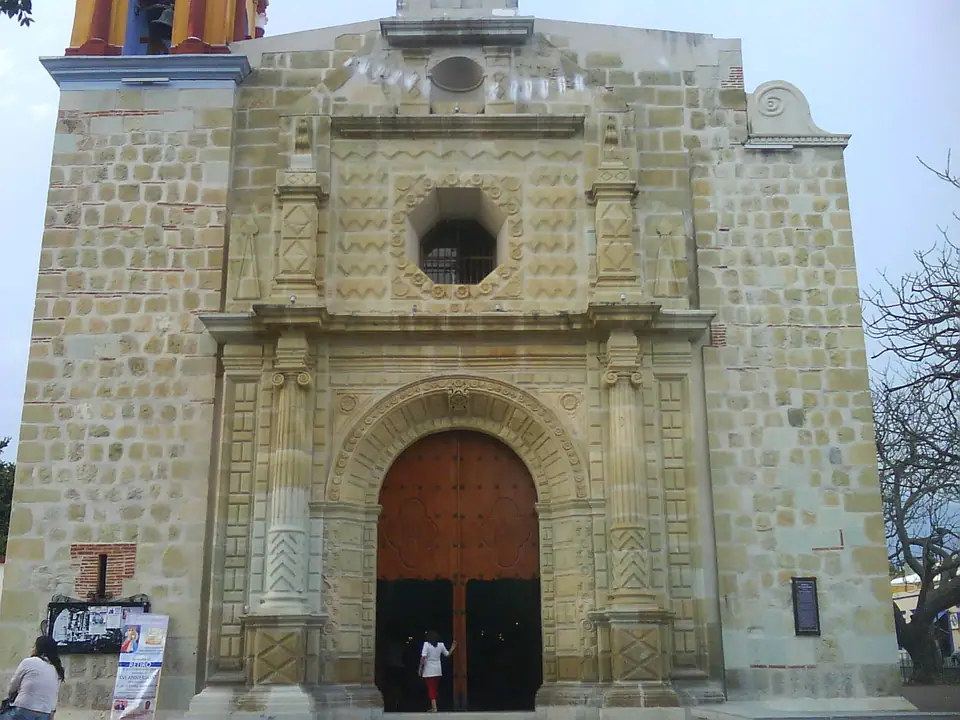
- Templo de San Matías Jalatlaco. At the corner of Calle Hidalgo and 5 de Mayo stands the 17th-century Church of San Matías, built from yellow-ochre river cobblestones that shimmer gold at sunset.
- The Open-Air Street Art Gallery (Calle 5 de Mayo, Curtidurías & Alianza). Because Jalatlaco was historically the tanners' quarter (Las Curtidurías), its windowless single-storey adobe workshop walls became the canvas for Oaxaca's contemporary muralist and stencil-art collectives. Every October ahead of Día de Muertos, local artists repaint the walls with lively depictions of Catrinas, Zapotec jaguars, hummingbirds, and brass-band skeletons beneath overhead strings of fluttering papel picado.
- Third-Wave Pluma Coffee & Courtyards. Pause around San Matías plaza for a single-origin pour-over brewed from high-altitude Pluma Hidalgo Oaxacan coffee beans at Café Blasón, Kiyo Café, or Once in Oaxaca.
Western Centro: Basilica of La Soledad and Jardín Sócrates Nieves
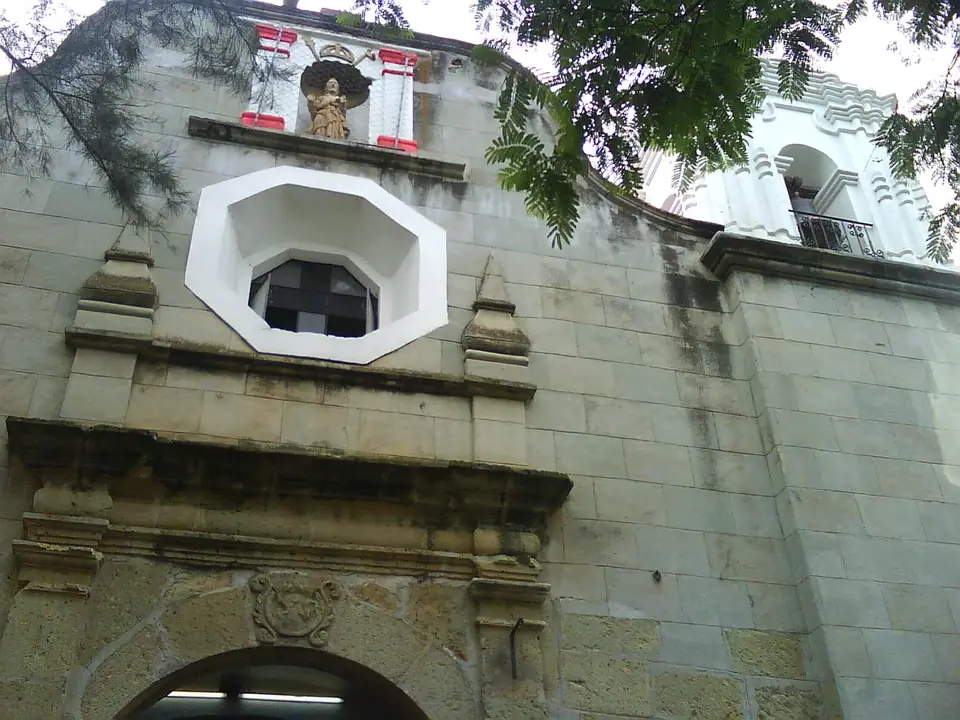
Walking twenty minutes west of Jalatlaco along Calle Independencia brings you to the most revered religious sanctuary in the state, the Basílica de Nuestra Señora de la Soledad (consecrated in 1690). Legend records that in 1620, a muleteer travelling from Veracruz noticed an extra mule in his caravan that collapsed and died on this exact boulder. When friars opened the wooden crate strapped to its back, they found a sculpted head and hands of the Virgin Mary together with a Christ statue, prompting the bishop to build a sanctuary on the spot. Notice how the church's Baroque facade curves outward like a three-dimensional wooden altar screen (biombo) to resist earthquake tremors.
Immediately below the basilica steps sits Jardín Sócrates (Plaza de la Danza). Here a shaded row of traditional family-run stalls has churned Nieves Oaxaqueñas (artisanal water-and-milk sorbets) in wooden barrels packed with salted ice since the 19th century. Order a cup combining two classic local flavours (45 to 60 MXN as of November 2026): Leche Quemada con Tuna (burnt caramelised milk paired with bright crimson prickly-pear cactus fruit) or Beso Oaxaqueño.
After enjoying a sorbet at Jardín Sócrates, walk three blocks south down Calle Galeana into Barrio de la China. Nearby stands the Church of San Juan de Dios, where Oaxaca's first chapel rose in 1521. Inside family-run workshops along these streets, artisans punch sheets of shiny tinplate (hojalata) into mirror frames, sacred heart ex-votos, and painted stars. Walking from the northern stone arches of Xochimilco through Jalatlaco to southern Centro takes three hours. Along the way, each historic barrio showcases its own patron saint and guild craft.
Every Friday and Saturday morning, a small organic farmers' and bakers' market also gathers inside the shaded courtyards of Jalatlaco and Xochimilco, where local families sell sourdough bread, Sierra Norte honey, goat cheese, and hand-stitched cotton journals. Stopping for a second cup of Pluma coffee on a sunny curb while listening to church bells ring across the valley is the quintessential Oaxaca morning ritual.
Where it is
- 1Barrio de Jalatlaco, Xochimilco Aqueduct & Historic Oaxaca Walking
- Xoxocotlán International Airport (OAX) · about 8 km from here in a straight line
- Directions in Google Maps
Traveller tips
Real advice from people who have been to Oaxaca. Every tip is read by our team before it goes live.
No tips yet. Been here? Yours could be the first.
Thank you! Your tip will appear here after a quick review.
More in Oaxaca
Continue exploring Oaxaca with related neighbourhood, food, and planning guides
Santo Domingo Church, Ethnobotanical Garden & Calle Alcalá Guide (2026)
Oaxaca, Mexico
Hierve el Agua, Mitla & Tule Tree Day Trip Guide (Tlacolula Valley 2026)
Oaxaca, Mexico
Oaxaca Markets Guide: 20 de Noviembre (Pasillo de Humo), Benito Juárez & Tlacolula
Oaxaca, Mexico
Oaxaca Mezcal Palenques, Teotitlán Weavers & Artisan Villages Guide
Oaxaca, Mexico
