


























Best Time to Visit Paramaribo: Dry Seasons, Keti Koti and Owru Yari
Find the best time to visit Paramaribo using official WMO Station 81202 climate normals, comparing the August to November and February to March dry seasons, sea turtles, and Keti Koti.
Situated less than six degrees north of the Equator, Paramaribo experiences a warm tropical rainforest climate (Köppen Af) governed by the seasonal shift of the Intertropical Convergence Zone. According to official World Meteorological Organization (WMO) and Meteorological Service of Suriname normals recorded at the historic Cultuurtuin reference station (Station 81202), afternoon highs stay between 29.9°C and 32.9°C all year round, while overnight lows remain a steady 23.4°C to 24.3°C. Rather than winter and summer, locals divide the year into two dry seasons and two rainy seasons.
Mid-August to November: The Long Dry Season (Grote Droge Tijd)
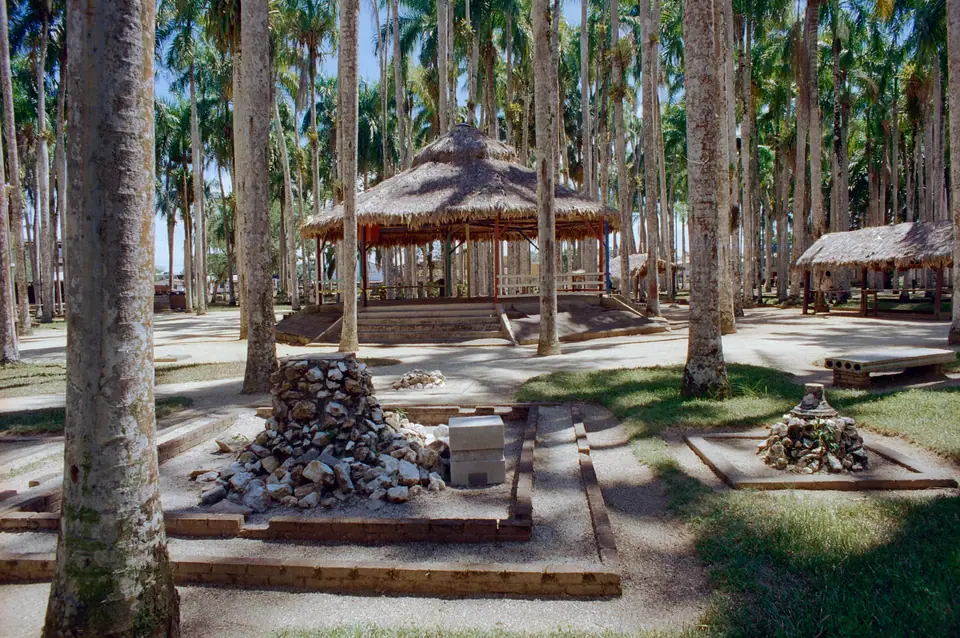
The sunniest and driest period of the year in Paramaribo is the Long Dry Season from mid-August through November. September and October record the lowest rainfall of the calendar, averaging just 9 to 10 rain days per month (roughly 87 to 90 millimetres of rain) alongside maximum sunshine and warm daytime highs of 32.8°C to 32.9°C.
This is the easiest window for walking the UNESCO Historic Inner City, cycling the shaded plantation levees of Peperpot and Commewijne, and travelling upriver to interior Maroon villages when river rapids are exposed.
February to Early April: The Short Dry Season and Sea Turtle Nesting
A second pleasant window arrives during the Short Dry Season (Kleine Droge Tijd) in February and March, when rain days drop to 13 to 14 per month and daytime highs sit at a slightly cooler 30.1°C to 30.3°C. Visiting between February and July also coincides with the annual nesting season of giant leatherback (aitkanti) and green sea turtles (krape) on the Atlantic sandspit of Braamspunt at the mouth of the Suriname River and at Galibi on the Maroni estuary.
Mid-April to Mid-August and December to January: The Rainy Seasons
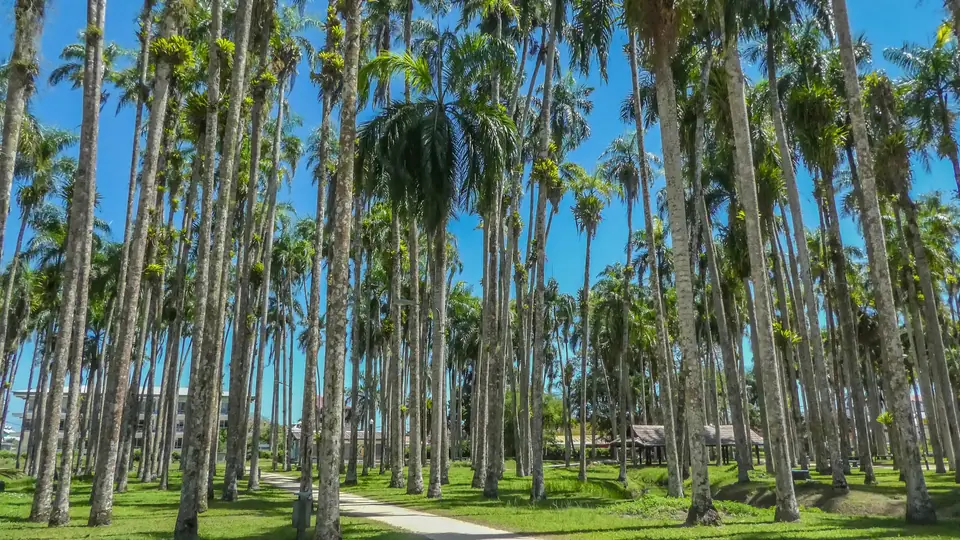
Paramaribo's main rainy season runs from mid-April to mid-August (peaking in May and June with 24 to 25 rain days per month and over 300 millimetres of rain), while the short rainy season falls in December and January (18 rain days per month). Even during the wetter months, downpours typically arrive as heavy tropical showers followed by bright sun and lush green foliage in the Palmentuin.

Unforgettable Cultural Dates in Paramaribo
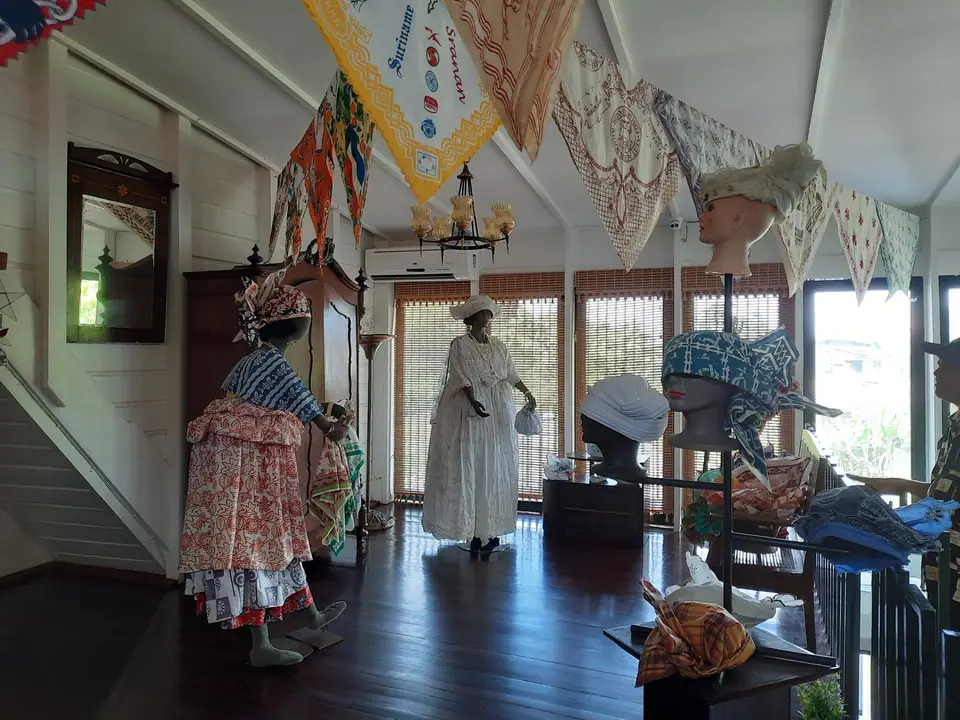
- 1 July (Keti Koti / Emancipation Day): Marking the 1 July 1863 abolition of slavery in Suriname (Keti Koti means "The Chains Are Broken" in Sranan Tongo), the entire Historic Inner City fills with parades, concerts, and women dressed in colourful starched koto skirts and folded angisa headscarves.
- 25 November (Independence Day / Srefidensi Dey): Military and civic parades on Onafhankelijkheidsplein and food fairs across Palmentuin commemorating 1975 independence.
- 31 December (Owru Yari and Pagara Estafette): Starting at 10:00 on New Year's Eve, businesses across downtown Paramaribo unroll hundreds of metres of red Chinese pagara firecracker ribbons in the street to banish the old year amid live kaseko brass bands and street parties.
Traveller tips
Real advice from people who have been to Best Time to Visit Paramaribo: Dry Seasons, Keti Koti and Owru Yari. Every tip is read by our team before it goes live.
No tips yet. Been here? Yours could be the first.
Thank you! Your tip will appear here after a quick review.
More in Paramaribo
Continue exploring Paramaribo with related neighbourhood, food, and planning guides
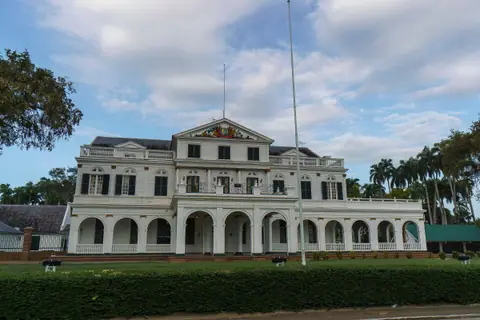
3 Days in Paramaribo Itinerary: UNESCO Wooden Streets, Peperpot and Commewijne
Paramaribo, Suriname
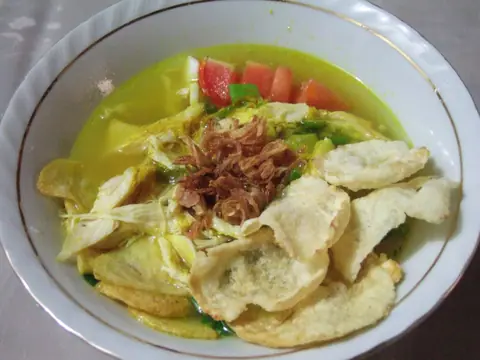
What to Eat in Paramaribo: Pom, Javanese Saoto, Hindustani Roti and Schaafijs
Paramaribo, Suriname

Fort Zeelandia, Onafhankelijkheidsplein and Palmentuin Guide
Paramaribo, Suriname
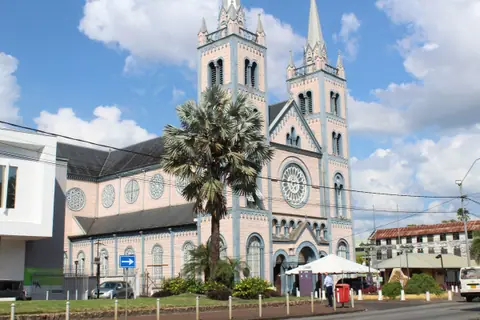
Saint Peter and Paul Cathedral, Keizerstraat Mosque and Synagogue Guide
Paramaribo, Suriname
