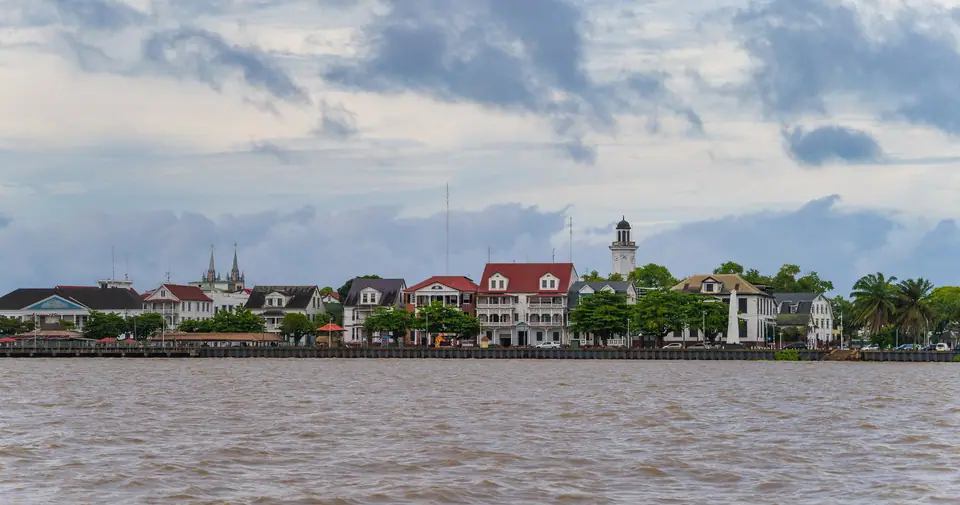
Paramaribo
Lining a sweeping bend of the Suriname River, Suriname's Dutch-speaking UNESCO World Heritage capital pairs white-and-green wooden colonial architecture and side-by-side synagogue and mosque landmarks with Javanese warungs, Creole markets, and Commewijne River plantations.
Quick decisions
- How many days? Three to four days allow you to explore the UNESCO Historic Inner City, tour the wooden Saint Peter and Paul Cathedral and Keizerstraat Synagogue and Mosque, cycle through Plantage Peperpot, and boat along the Commewijne River or down to UNESCO-listed Jodensavanne.
- Where should I stay? Base yourself in the UNESCO Historic Inner City or along Kleine Waterstraat and Anton Dragtenweg for river views and easy walking to Fort Zeelandia and Waterkant.
- Do I need a car? No for the city centre, where wooden heritage streets are compact and walkable; use licensed taxis or riverboats for Blauwgrond, Peperpot, and the Commewijne District.
- Best for: UNESCO-listed Dutch tropical wooden architecture, multicultural Javanese, Hindustani, Creole, and Maroon cuisine, interfaith heritage, and river dolphin and plantation excursions.
- Before you go: Suriname is the only Dutch-speaking country in South America (with Sranan Tongo and English widely spoken); the official currency is the Surinamese dollar (SRD).
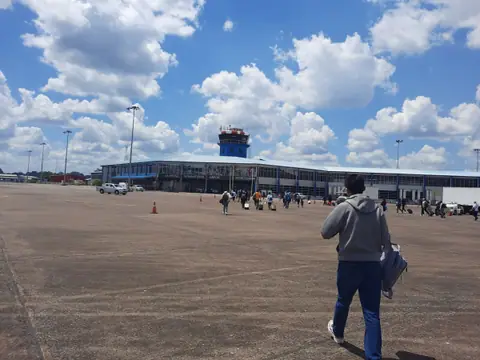
- Getting around: International flights land at Johan Adolf Pengel International Airport (PBM) at Zanderij, 45 kilometres south, while regional flights to Georgetown and interior jungle charters use Zorg en Hoop Airport (ORG) inside the city.
- Continue your trip: Combine Paramaribo with overland or short-hop flights to Georgetown in neighbouring Guyana, or interior flights to the Upper Suriname River and Central Suriname Nature Reserve.
Overview
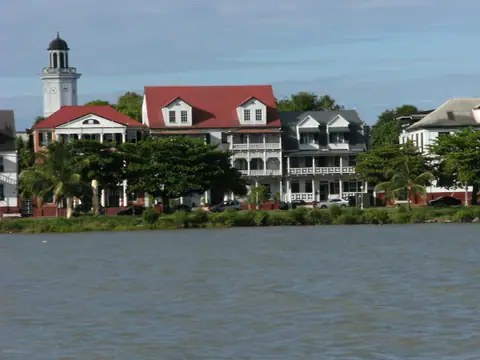
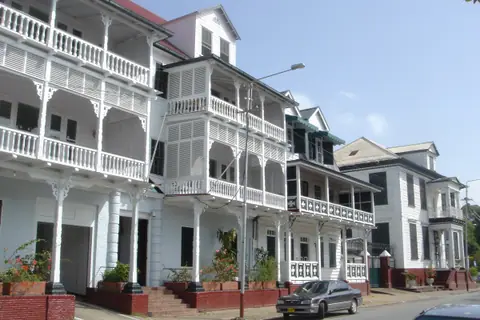
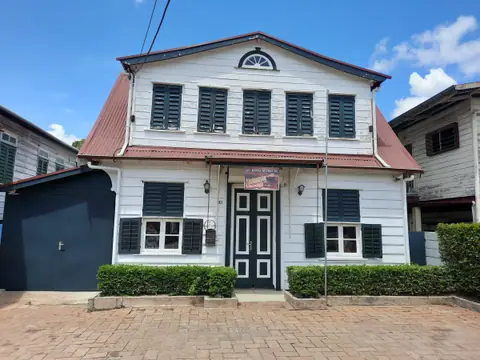
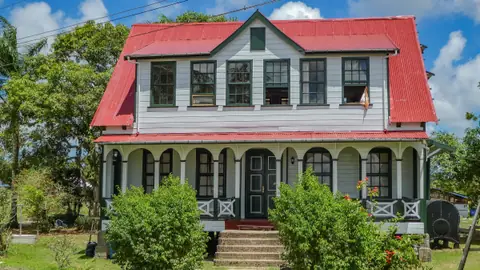
Set on a low shell-ridge bank on the western bend of the Suriname River 15 kilometres inland from the Atlantic Ocean, Paramaribo grew from an Indigenous Kalina village (Parmirbo) and a seventeenth-century English and Dutch fortification into one of the most architecturally distinctive capitals in the Americas. Inscribed as a UNESCO World Heritage Site in 2002, the Historic Inner City preserves its seventeenth- and eighteenth-century Dutch street grid and hundreds of white-painted wooden colonial buildings with dark-green shutters crafted by Creole carpenters from native tropical hardwoods.
Getting there
Long-haul flights from Amsterdam and regional jets from Belém, Curaçao, Aruba, Port of Spain, and Miami arrive at Johan Adolf Pengel International Airport (IATA: PBM) at Zanderij, 45 kilometres south of the capital, while regional turboprops from Georgetown and bush planes to Amazonian eco-lodges use Zorg en Hoop Airport (IATA: ORG) right inside the city.
Where to stay
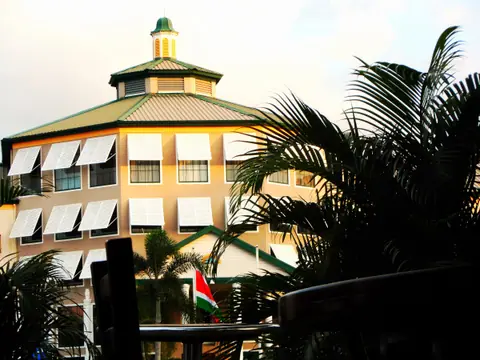
Stay along the leafy riverfront strip of Kleine Waterstraat and Anton Dragtenweg near Fort Zeelandia for resort hotels with swimming pools, or inside restored eighteenth- and nineteenth-century wooden merchant houses in the UNESCO Historic Inner City.
Things to do
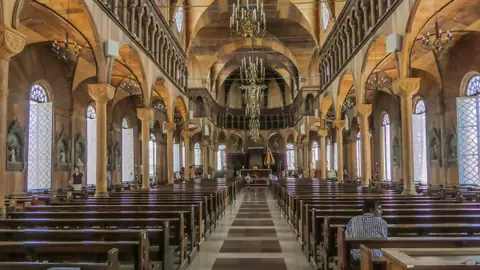
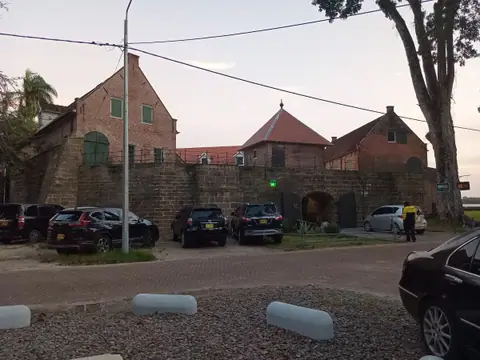
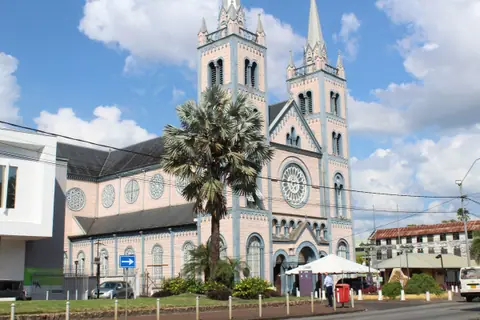
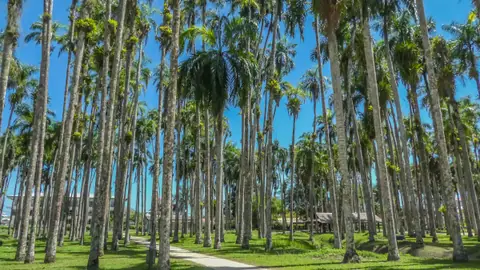
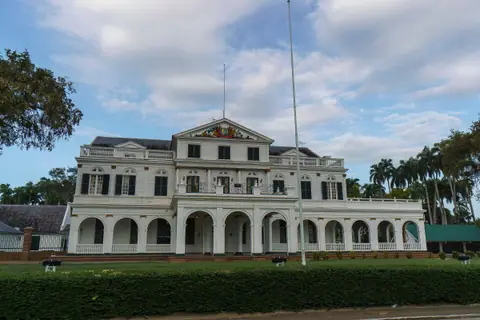
Stroll Onafhankelijkheidsplein before the 1730 Presidential Palace and through the royal palm grove of Palmentuin, tour 1667 Fort Zeelandia and the white wooden houses of Waterkant, step inside the unpainted cedar interior of the 1885 Cathedral-Basilica of Saint Peter and Paul, see the Neve Shalom Synagogue and Masjid Keizerstraat standing side by side, cycle through the 17th-century coffee estate of Plantage Peperpot, and take a wooden boat to Fort Nieuw Amsterdam and the Commewijne River plantations.
Food and drink
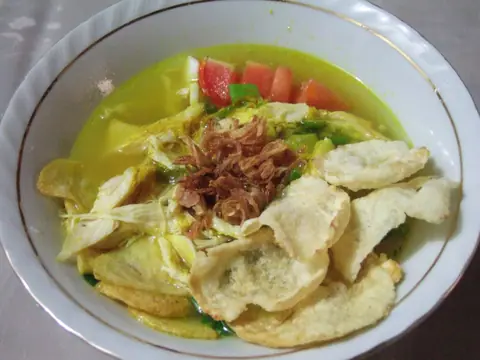
Few cities match Paramaribo's culinary diversity: sample Javanese saoto soup, peanut saté, and bakabana at open-air warungs in Blauwgrond, Hindustani roti with curried chicken and yardlong beans, Creole oven-baked pom and heri heri, Maroon cassava bread, and cold litre bottles (djogos) of Parbo beer along the riverfront.
Culture
Inside a compact riverside capital, Indigenous Kalina and Lokono, Afro-Surinamese Creole, Saramaka and Ndyuka Maroon, Hindustani, Javanese, Chinese, Jewish, Lebanese, and Dutch traditions coexist peacefully, celebrated during the colourful koto and angisa Emancipation parades of Keti Koti on 1 July and the New Year's Eve firecracker ribbons of Pagara Estafette.
Weather by month
Paramaribo is warmest in October, with average highs around 33°C, and coldest in January, when nights drop to about 23°C. May is the wettest month, with rain on most days.
| Month | Low | Range | High | Rain | Rainy days |
|---|---|---|---|---|---|
| Jan | 23°C | 30°C | 126 mm | 18 d | |
| Feb | 24°C | 30°C | 91 mm | 13 d | |
| Mar | 24°C | 30°C | 98 mm | 14 d | |
| Apr | 24°C | 31°C | 126 mm | 18 d | |
| May | 24°C | 30°C | 175 mm | 25 d | |
| Jun | 24°C | 31°C | 168 mm | 24 d | |
| Jul | 24°C | 31°C | 147 mm | 21 d | |
| Aug | 24°C | 32°C | 105 mm | 15 d | |
| Sep | 24°C | 33°C | 63 mm | 9 d | |
| Oct | 24°C | 33°C | 70 mm | 10 d | |
| Nov | 24°C | 32°C | 91 mm | 13 d | |
| Dec | 24°C | 30°C | 126 mm | 18 d |
Averages of daily values from 2015 to 2024. Rainy days are days with at least 1 mm of rain. Source: Open-Meteo · Compare destinations by month.
Paramaribo on the map
Every place we cover in Paramaribo. Tap a category or pin to explore.
In-depth Paramaribo guides
Browse the guides grouped by topic: sights, neighbourhoods, food, transport, day trips and trip planning.
Sights, Landmarks & Parks
Key monuments, viewpoints, museums and nature trails.
- Things to Do in Paramaribo: Fort Zeelandia, Wooden Cathedral and Commewijne RiverDiscover the top things to do in Paramaribo, from touring 1667 Fort Zeelandia and the all-cedar Saint Peter and Paul Cathedral to visiting the Keizerstraat Synagogue and Mosque and spotting river dolphins.
- Fort Zeelandia, Onafhankelijkheidsplein and Palmentuin GuideExplore the historic heart of UNESCO-listed Paramaribo: tour 1667 Fort Zeelandia on the Suriname River, admire the 1730 Presidential Palace on Onafhankelijkheidsplein, and walk Palmentuin.
- Saint Peter and Paul Cathedral, Keizerstraat Mosque and Synagogue GuideTour Paramaribo's remarkable sacred landmarks: the 1885 all-wooden Cathedral-Basilica of Saint Peter and Paul, and the Keizerstraat Ahmadiyya Mosque and 1842 Neve Shalom Synagogue side by side.
- Waterkant, Central Market and UNESCO Wooden Streets GuideWalk the Suriname River boulevard of Waterkant, explore the 1821 post-fire wooden merchant houses of the UNESCO zone, and visit the Central Market and Maroon Herb Market.
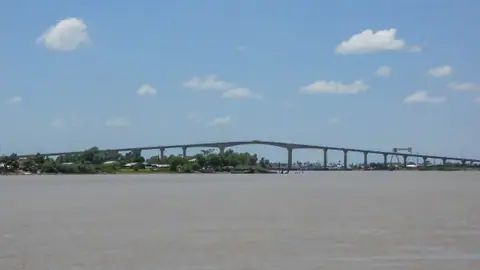
- Jules Wijdenbosch Bridge, Peperpot Nature Park and Meerzorg GuideCross the 52-metre-high Jules Wijdenbosch Bridge over the Suriname River to Meerzorg and explore the 820-hectare seventeenth-century coffee and cacao trails of Plantage Peperpot Nature Park.
Neighbourhoods & Where to Stay
Districts, historic quarters and the best bases for your stay.
- Paramaribo: UNESCO Wooden Inner City, Suriname River and Planning TipsEssential planning advice for visiting Paramaribo, Suriname, covering its UNESCO-listed Dutch wooden centre, multicultural neighbourhoods, Surinamese dollar payments, and river transport.
- Best Time to Visit Paramaribo: Dry Seasons, Keti Koti and Owru YariFind the best time to visit Paramaribo using official WMO Station 81202 climate normals, comparing the August to November and February to March dry seasons, sea turtles, and Keti Koti.
- Where to Stay in Paramaribo: UNESCO Inner City, Kleine Waterstraat and BlauwgrondCompare the best neighbourhoods to stay in Paramaribo, from wooden heritage hotels in the UNESCO Historic Inner City and resorts on Kleine Waterstraat to Rainville and Blauwgrond.
- 3 Days in Paramaribo Itinerary: UNESCO Wooden Streets, Peperpot and CommewijnePlan 3 days in Paramaribo with a balanced day-by-day itinerary covering Fort Zeelandia, the wooden Saint Peter and Paul Cathedral, Plantage Peperpot, and a Commewijne River boat trip.
- Blauwgrond Culinary Quarter, Cultuurtuin and Koto Museum GuideExplore northern Paramaribo: feast at Javanese warungs in Blauwgrond, discover the history of Afro-Surinamese dress at the Koto Museum, and walk the 1898 Cultuurtuin.
Food & Drink
Local dishes, markets, cafés and dining districts.
Getting Around & Arrival
Airport transfers, public transit, passes and driving rules.
Day Trips & Excursions
Easy half-day and full-day trips from the city.
- Commewijne River Plantations, Fort Nieuw Amsterdam and Dolphins GuideCruise from Paramaribo's Leonsberg pier across the Suriname River estuary to the 1734 star fortress of Fort Nieuw Amsterdam, restored Plantation Frederiksdorp, and wild Guiana dolphins.
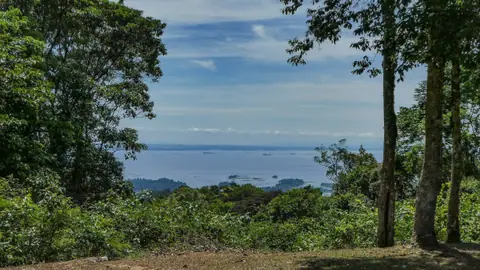
- Brownsberg, Brokopondo Reservoir and Jodensavanne Day Trips from ParamariboPlan two unforgettable day trips south of Paramaribo: explore the 1685 UNESCO-listed brick synagogue ruins of Jodensavanne, or hike rainforest waterfalls at Brownsberg overlooking Brokopondo Lake.
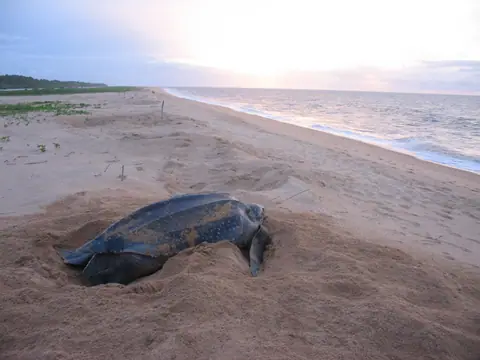
- Braamspunt, Galibi Sea Turtles and Bigi Pan Coastal Reserves GuideWitness giant leatherback and green sea turtles nesting at Braamspunt and Galibi Nature Reserve from February to July, or spot scarlet ibises at Bigi Pan lagoon.
Reviews
Log in to write a review.
No reviews yet.