


























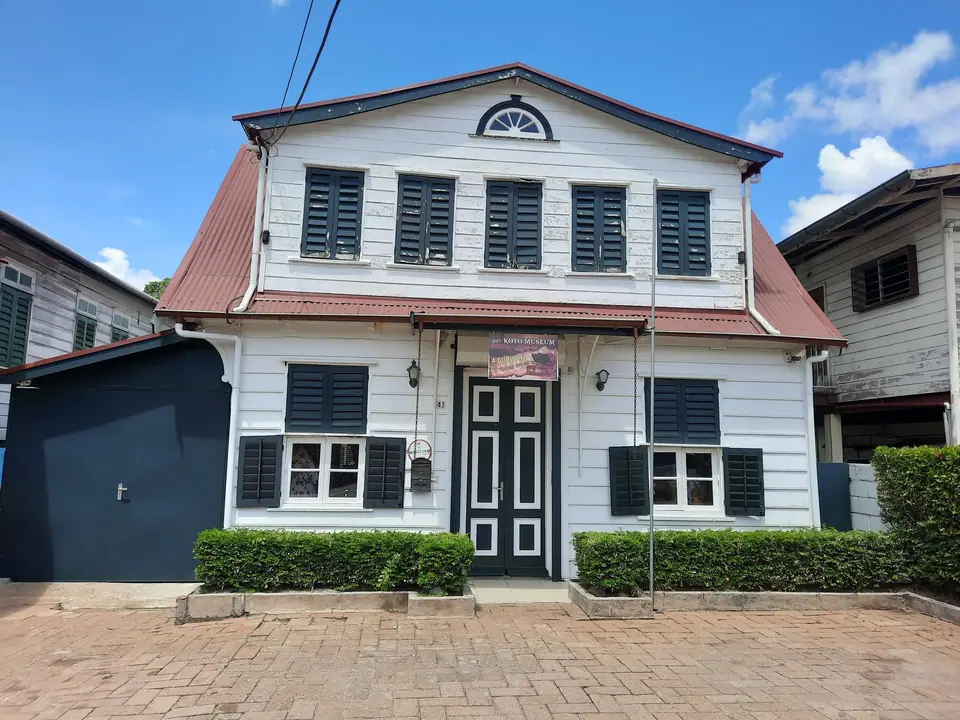
Blauwgrond Culinary Quarter, Cultuurtuin and Koto Museum Guide
Explore northern Paramaribo: feast at Javanese warungs in Blauwgrond, discover the history of Afro-Surinamese dress at the Koto Museum, and walk the 1898 Cultuurtuin.
Stepping just north of the UNESCO Historic Inner City reveals the everyday residential neighbourhoods where Paramaribo's cultural mosaic comes to life. In a single afternoon and evening, you can explore the coded textile language of nineteenth-century Afro-Surinamese women at the Koto Museum, walk beneath century-old tropical trees in the 1898 Cultuurtuin, and sit down for dinner in Blauwgrond, the Javanese culinary capital of the Americas.
The Surinaams Koto Museum (Prinsessestraat 43)
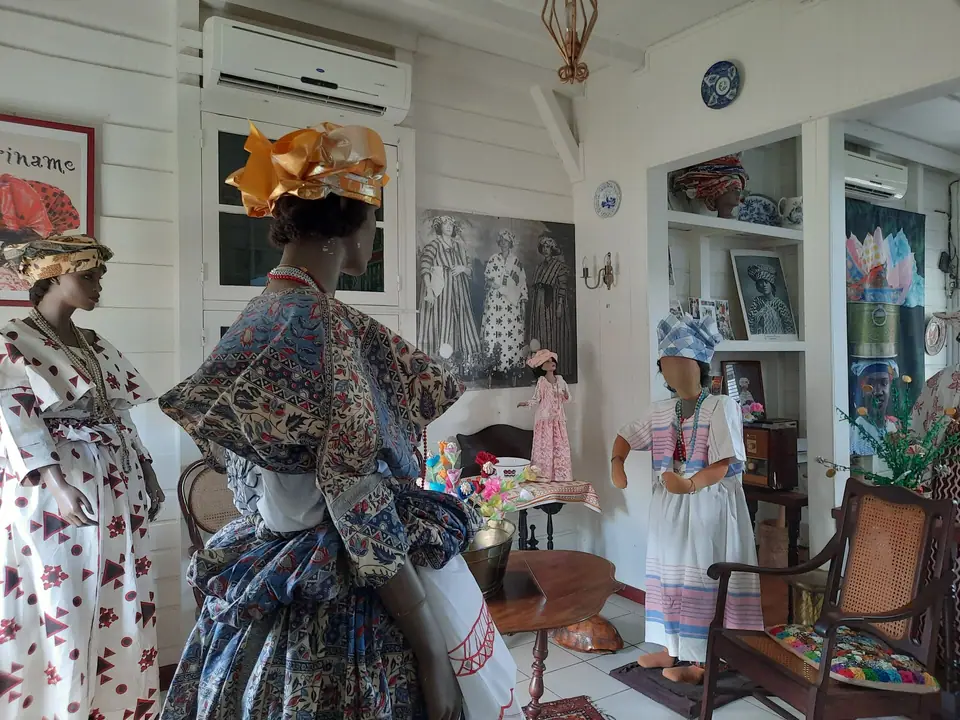
Located in a restored wooden house at Prinsessestraat 43 just northwest of the centre, the Surinaams Koto Museum was founded by cultural historian and collector Christine van Russel-Henar to preserve one of the richest textile traditions in the African diaspora, the koto and the angisa.
Developed by enslaved and newly emancipated Afro-Surinamese Creole women during the nineteenth century, the koto is a voluminous multi-layered skirt and jacket ensemble padded at the hips with a fabric roll, originally designed to conceal a woman's figure from plantation owners while projecting dignity, wealth, and status. Equally fascinating is the angisa, a square cotton headscarf heavily starched with cassava and folded without pins into dozens of intricate geometric shapes. Each fold and patterned fabric carries a specific proverb or social message, allowing women to communicate across the streets of colonial Paramaribo, and you can check the official museum site for current opening times.
Cultuurtuin (1898 Botanical Garden) and Paramaribo Zoo
Ten minutes north along Letitia Vriesdelaan spreads the Cultuurtuin, established as the colonial botanical and agricultural research station for testing cacao, coffee, citrus, balata rubber, and tropical timber species. Although much of the outer park has grown into wild urban woodland interlaced with drainage canals and mahogany, bamboo, and royal palm avenues, it remains an important morning birding spot where sloths, toucans, and crimson-crested woodpeckers live in the canopy, houses Suriname's primary reference meteorological station, and encloses the shaded grounds of the Paramaribo Zoo, which is dedicated to native Guianan wildlife including jaguars, tapirs, giant river otters, harpy eagles, and scarlet ibises.
Blauwgrond: Paramaribo's Javanese Culinary Quarter
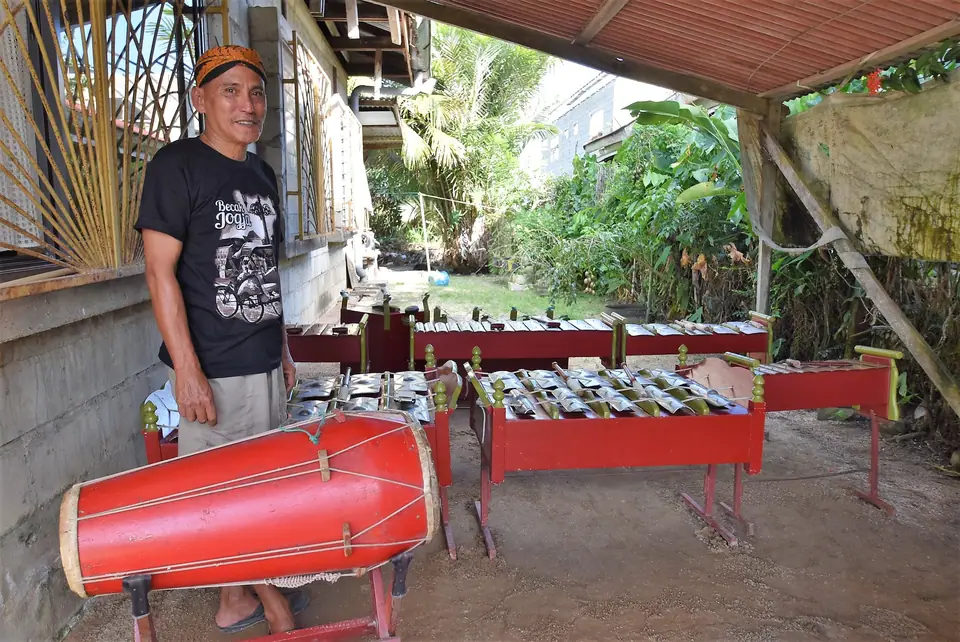
Immediately northeast of Cultuurtuin lies the neighbourhood of Blauwgrond, named after a former eighteenth-century indigo plantation. Between 1890 and 1939, indentured labourers sailed from the island of Java in the Dutch East Indies to Suriname, and when their five-year plantation contracts ended, many received small agricultural plots in Blauwgrond. Today, Joseph Israelstraat and the surrounding avenues form a lively Southeast Asian restaurant district where family-run warungs fire up charcoal grills, serving steaming bowls of saoto soep, peanut saté, bami goreng, bakabana, and pink dawet under open-air verandas.
Traveller tips
Real advice from people who have been to Blauwgrond Culinary Quarter, Cultuurtuin and Koto Museum. Every tip is read by our team before it goes live.
No tips yet. Been here? Yours could be the first.
Thank you! Your tip will appear here after a quick review.
More in Paramaribo
Continue exploring Paramaribo with related neighbourhood, food, and planning guides
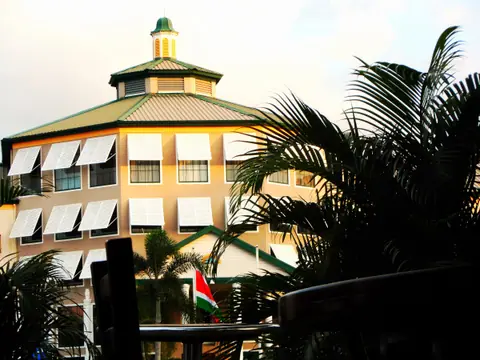
Where to Stay in Paramaribo: UNESCO Inner City, Kleine Waterstraat and Blauwgrond
Paramaribo, Suriname
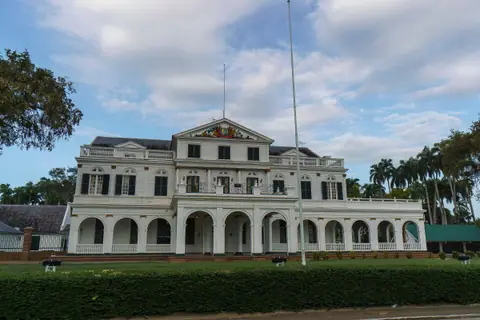
3 Days in Paramaribo Itinerary: UNESCO Wooden Streets, Peperpot and Commewijne
Paramaribo, Suriname
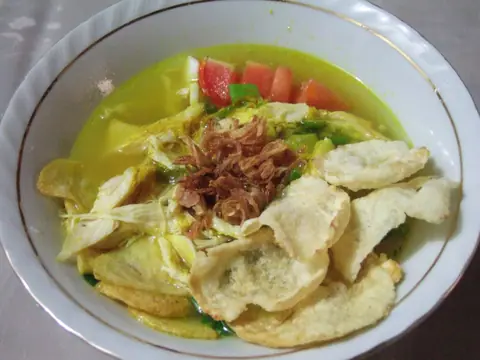
What to Eat in Paramaribo: Pom, Javanese Saoto, Hindustani Roti and Schaafijs
Paramaribo, Suriname
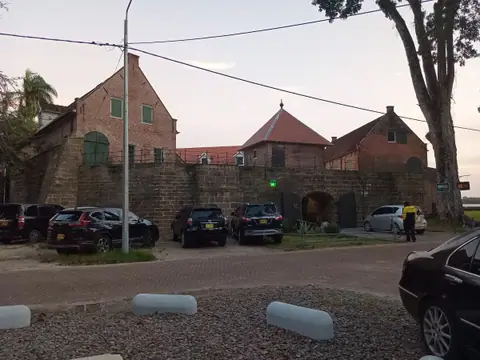
Fort Zeelandia, Onafhankelijkheidsplein and Palmentuin Guide
Paramaribo, Suriname
