


























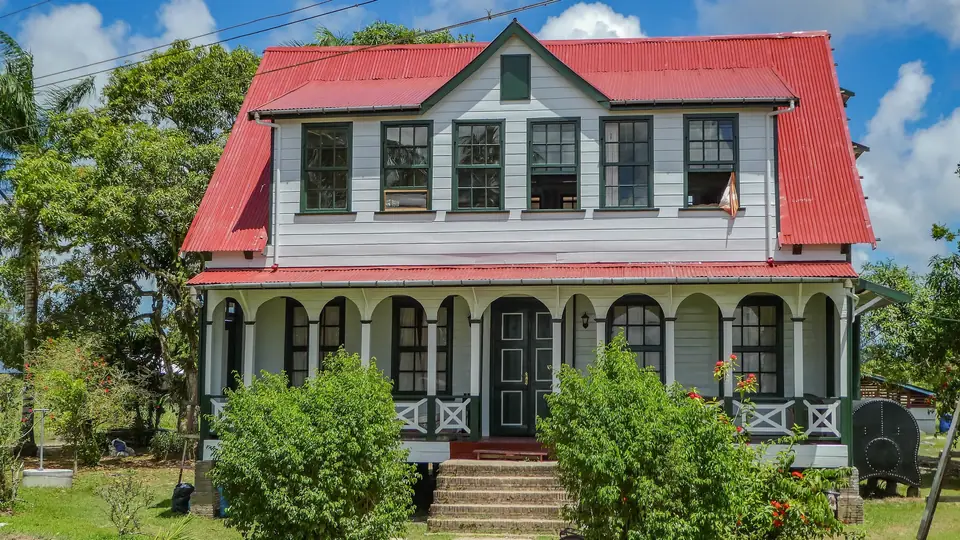
Commewijne River Plantations, Fort Nieuw Amsterdam and Dolphins Guide
Cruise from Paramaribo's Leonsberg pier across the Suriname River estuary to the 1734 star fortress of Fort Nieuw Amsterdam, restored Plantation Frederiksdorp, and wild Guiana dolphins.
In the eighteenth and nineteenth centuries, the fertile alluvial polders along the Commewijne River immediately east of Paramaribo formed the economic engine of Dutch Guiana, lined with hundreds of tidal sugar, coffee, cotton, and cacao plantations connected solely by riverboat. Today, boarding a traditional covered wooden boat (tentboot) at the northern Paramaribo pier of Leonsberg for a half- or full-day excursion across the estuary to Fort Nieuw Amsterdam, Plantation Frederiksdorp, and the Guiana dolphin feeding grounds at Braamspunt is the classic waterborne experience of coastal Suriname.
Fort Nieuw Amsterdam Open-Air Museum (1734 to 1747)
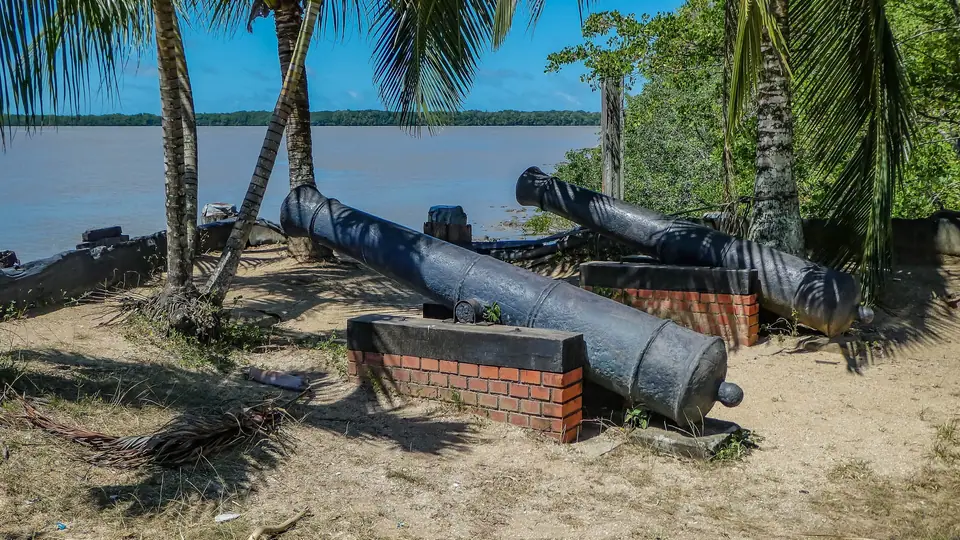
Located directly opposite Leonsberg on the pointed peninsula where the Suriname River and Commewijne River merge before flowing into the Atlantic Ocean, Fort Nieuw Amsterdam was constructed between 1734 and 1747 after French Admiral Jacques Cassard raided the colony in 1712 and exposed the vulnerability of upriver plantations. Engineered as a five-pointed earthen star fortress surrounded by a wide defensive moat and brick tidal sluices (sluizen), it guarded the entrance to both rivers simultaneously.
Today the 13-hectare fortress operates as a leafy Open-Air Museum. Shaded walking paths lead past heavy iron coastal artillery batteries (including nineteenth-century English Armstrong guns and Second World War American anti-shipping cannons installed to protect Surinamese bauxite convoys), two intact brick Gunpowder Magazines built in 1740 and 1778, the 1907 District Commissioner's residence, and the circular 1872 brick prison where plantation labourers were once held; check the official museum site for ferry dock access and opening hours.
Plantation Frederiksdorp (1747) and Mariënburg (1882)
From the wooden jetty of Fort Nieuw Amsterdam, riverboats (or bicycles along the riverside path through the Javanese fishing village of Margaretha) head east along the northern bank of the Commewijne River to two contrasting plantation heritage sites:
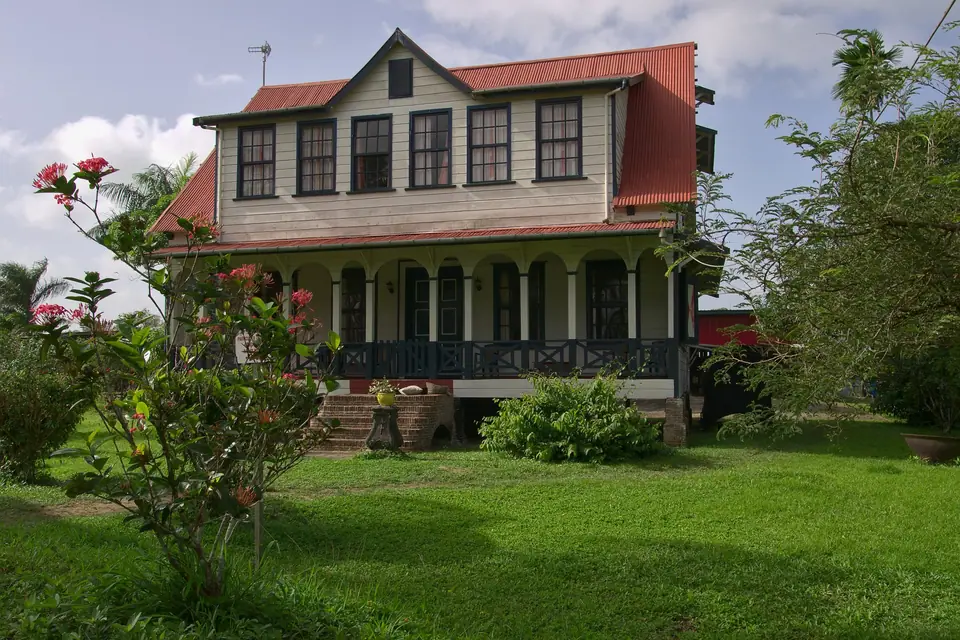
- Plantage Frederiksdorp (1747): Founded in 1747 by Prussian settler Johann Friedrich Knöffel as a coffee and sugar estate of 500 acres, Frederiksdorp was converted after the 1863 abolition of slavery into the regional police and judicial post (Politiestation Frederiksdorp) overseeing the ten-year state supervision period (Staatstoezicht). Its eighteenth- and nineteenth-century yellow-and-white wooden Commissioner's house, Gendarmerie barracks, and prison cells have been lovingly restored inside a tropical garden of mango, starfruit, and cocoa trees, complete with a storytelling heritage walk and riverside restaurant.
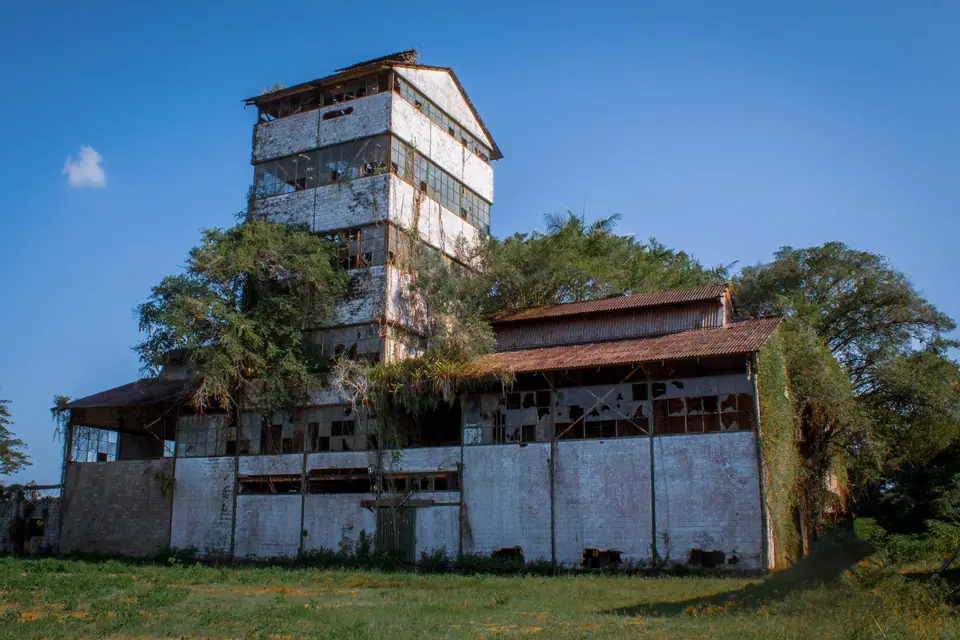
- Mariënburg Sugar Factory (1882): On the opposite bank of the Commewijne stand the towering rusted iron boilers, flywheel machinery, and locomotive sheds of the 1882 Mariënburg Sugar Factory, established by the Nederlandsche Handel-Maatschappij as the largest sugar mill in Suriname and the historic arrival point of thousands of Hindustani and Javanese indentured workers.
Spotting Pink-Bellied Guiana Dolphins at Braamspunt
Between 16:00 and 18:00, wooden tent-boats gather in the wide brackish estuary where the Suriname and Commewijne rivers meet the Atlantic Ocean off the sandspit of Braamspunt. As the tide turns, resident pods of 10 to 30 wild Guiana dolphins (Sotalia guianensis, known in Sranan Tongo as profosu) swim upstream after shoals of fish, surfacing and leaping alongside the boats and flashing their distinctive rosy, pink-tinted bellies against the sunset sky.
Traveller tips
Real advice from people who have been to Commewijne River Plantations, Fort Nieuw Amsterdam and Dolphins. Every tip is read by our team before it goes live.
No tips yet. Been here? Yours could be the first.
Thank you! Your tip will appear here after a quick review.
More in Paramaribo
Continue exploring Paramaribo with related neighbourhood, food, and planning guides
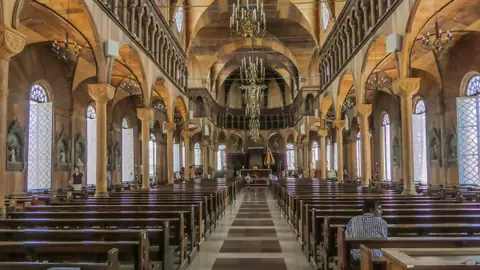
Things to Do in Paramaribo: Fort Zeelandia, Wooden Cathedral and Commewijne River
Paramaribo, Suriname
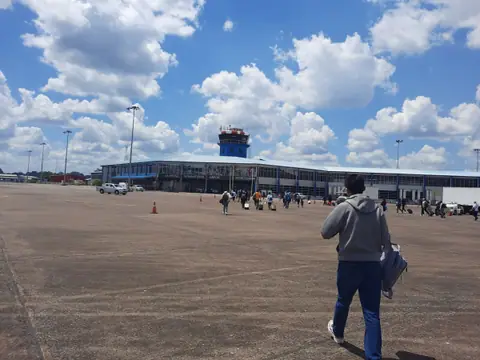
How to Get to Paramaribo: Johan Adolf Pengel (PBM) and Zorg en Hoop (ORG) Airports
Paramaribo, Suriname
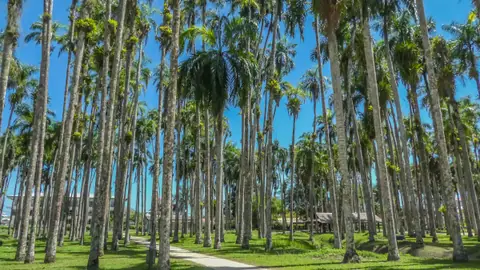
Best Time to Visit Paramaribo: Dry Seasons, Keti Koti and Owru Yari
Paramaribo, Suriname
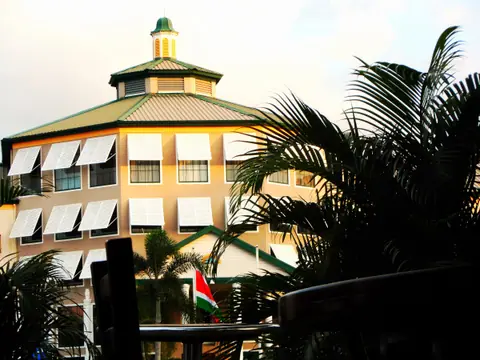
Where to Stay in Paramaribo: UNESCO Inner City, Kleine Waterstraat and Blauwgrond
Paramaribo, Suriname
