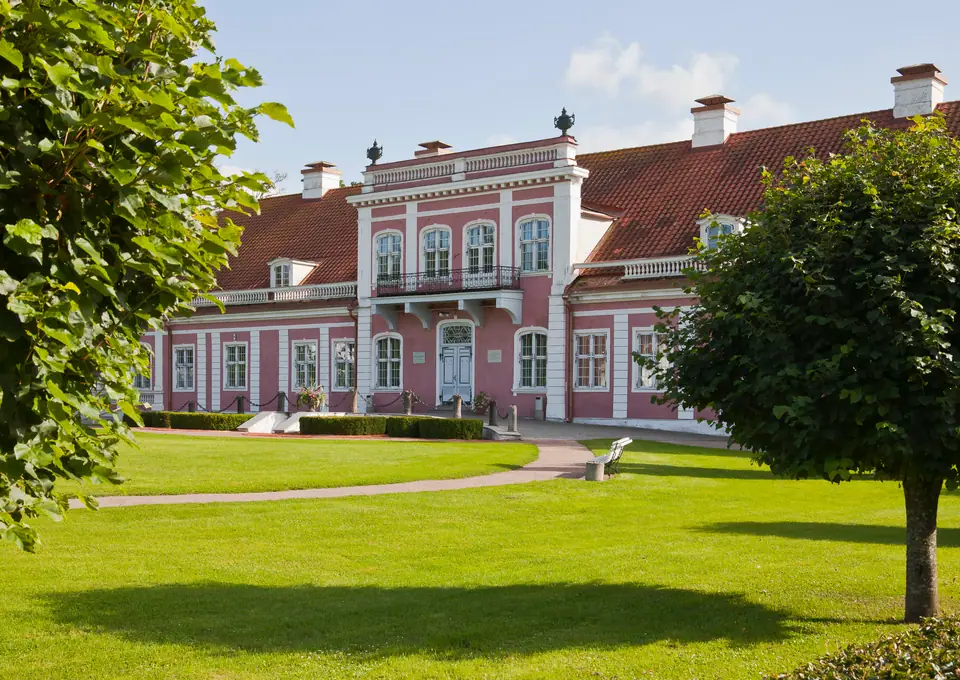
Photo: Diego Delso · CC BY-SA 3.0
Lahemaa, Haapsalu and Helsinki Excursions
Lahemaa, Haapsalu, Jägala, Tartu, Pärnu and Helsinki compared as trips from Tallinn.
Tallinn is a good base for the rest of the country and for one foreign capital. Lahemaa National Park lies about 70 kilometres to the east, Haapsalu on the west coast has a castle and a mud-cure past, Tartu and Pärnu are the next largest cities, and Helsinki is a ferry ride across the Gulf of Finland. This guide compares them so you can choose by interest and time.
Plan the transport with the getting there guide.
Frozen or thundering cascades at Jägala Waterfall
The Jägala Waterfall lies on the Jägala River in the village of Jägala-Joa, in Jõelähtme Parish, about 25 kilometres east of Tallinn. It is about 8 metres high and about 50 metres wide, which makes it the largest natural waterfall in Estonia and the most powerful, though not the highest. In winter the cascade stops and freezes over, so visit between spring and autumn for flowing water. It combines easily with a morning in Lahemaa.
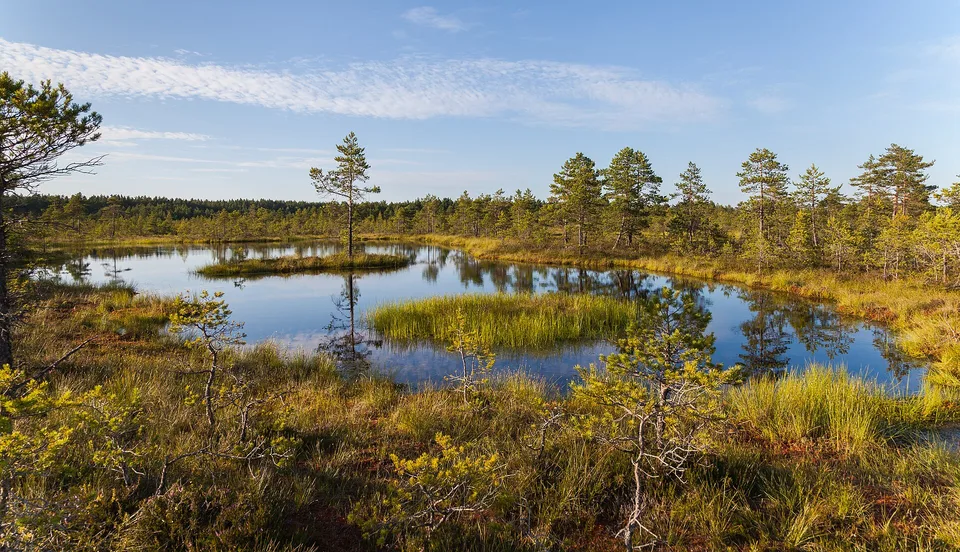
Viru Bog boardwalks and manor estates in Lahemaa
Lahemaa was established on 1 July 1971 as the first area in the former Soviet Union designated a national park. It lies about 70 kilometres east of Tallinn and covers 747 square kilometres, including 274.9 square kilometres of sea. The name means Land of Bays: four peninsulas, Juminda, Pärispea, Käsmu and Vergi, meet local coastal bays beneath dense forest covering more than 70 per cent of the park. Walkers cross pine raised peatlands on the wooden boardwalk over Viru Bog pools and tour historic Palmse, Vihula, Kolga and Sagadi manors. Wooden fishermen's huts at Altja, glacial boulders along Pärispea and old base ruins at Hara round out a full coastal circuit.
| Place | Key fact | Best for |
|---|---|---|
| Lahemaa National Park | National park since 1 July 1971 | Manors, bays and forest |
| Pärnu | Resort since 1838 | Beach and mud baths |
| Tartu | University founded in 1632 | A student city and museums |
| Haapsalu | Town rights in 1279 | Castle, shawls and seaside |
| Helsinki | Capital since 1812 | A second capital by ferry |
Historic wooden bathhouses and sandy bay in Pärnu
Pärnu sits 128 kilometres south of Tallinn along Pärnu Bay, an inlet of the Gulf of Riga. The bishop of Ösel-Wiek founded old Pärnu around 1251, and the Teutonic Order began a castle nearby in 1265 before town growth as the Hanseatic ice-free port of Pernau. The town opened its first bathing facility in 1838, and the stone mud-baths pavilion dates from 1927; Pärnu has been billed as Estonia's Summer Capital since 1996. Estonian independence was proclaimed at Endla Theatre here on 23 February 1918, a day ahead of Tallinn. Regular intercity coaches link Pärnu comfortably in summer when beach boardwalks and park cafés open full swing.
Seventeenth-century university city of Tartu
Tartu is Estonia's second-largest city, lying about 186 kilometres south-east of Tallinn on the Emajõgi River linking Lake Võrtsjärv and Lake Peipus. King Gustavus Adolphus of Sweden founded the University of Tartu in 1632, centuries after locals built wooden fortifications on Toome Hill by the 7th century. Visit the 1782 to 1789 Town Hall beside the Kissing Students fountain, explore the sweeping Estonian National Museum opened in 2016 and step inside the 2011 AHHAA Science Centre. Tartu held European Capital of Culture in 2024 and hosted the nation's first song festival in 1869.
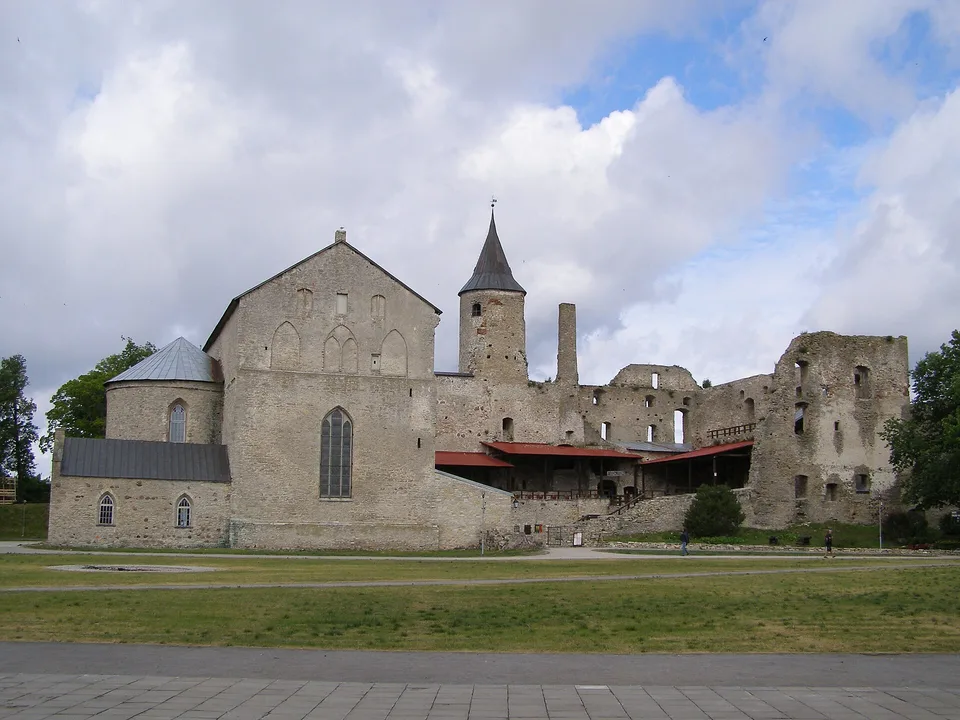
Episcopal castle ruins and seaside promenades in Haapsalu
Haapsalu rests along shallow bays on Estonia's west coast, granted town rights in 1279 beside the massive episcopal castle holding Estonia's largest single-nave church. Military physician Carl Abraham Hunnius opened the first mud cure establishment here in 1825, and composer Pyotr Tchaikovsky wrote his piano suite Souvenir de Hapsal during his 1867 summer visit. Look for gossamer hand-knitted Haapsalu lace shawls, the long timber railway platform roof and August White Lady Days celebrations, all set along quiet seaside promenades made for relaxed afternoon walking.
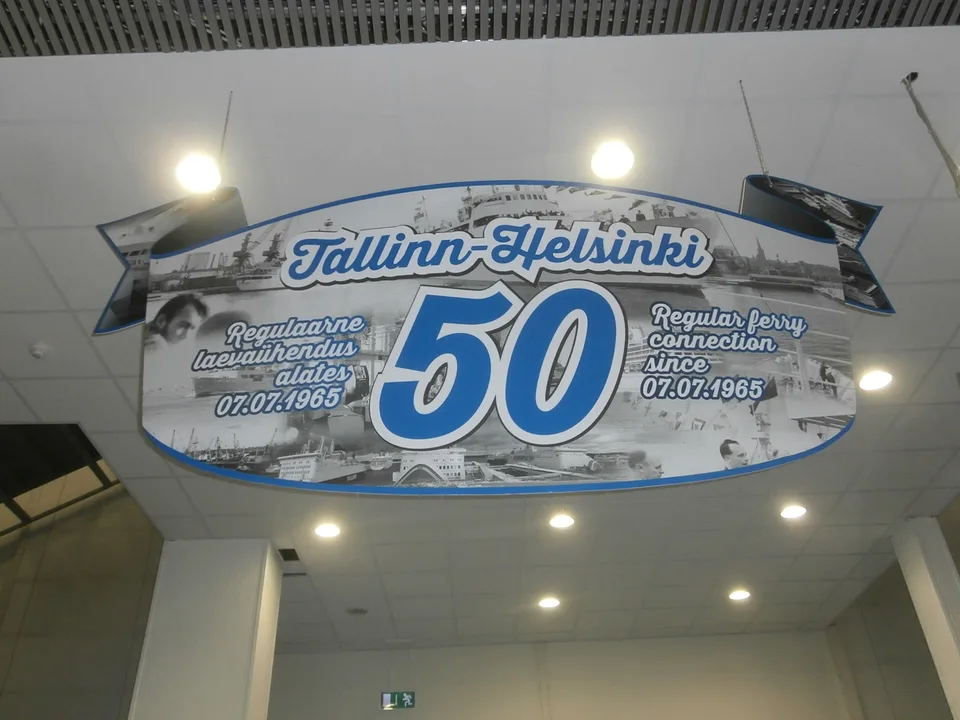
Two-hour Gulf crossings to Helsinki
Helsinki sits just a ferry hop north across the Gulf; our getting there guide lists crossings, while coaches link Tallinn south to Riga in about 4.5 hours. Swedish King Gustav I founded Helsinki on 12 June 1550, and Tsar Alexander I declared it Finland's capital on 8 April 1812 ahead of Turku. Neoclassical Senate Square anchors Carl Ludvig Engel's city plan, bordered by the Government Palace, University hall and white domed Cathedral completed in 1852. Pair Market Square's 1743 herring tradition with rock-carved Temppeliaukio Church (1969) and the sea fortress islands of Suomenlinna.
Which Estonian or Gulf excursion fits your pace
- Nature and manors: Lahemaa.
- Seaside and history: Haapsalu.
- A university city: Tartu.
- Beach in summer: Pärnu.
- A second capital: Helsinki, with an early ferry.
Combine one destination per day, and use the seasons guide to avoid the hardest weather.
Where it is
- 1Lahemaa, Haapsalu and Helsinki Excursions
- Lennart Meri Tallinn Airport (TLL) · about 55 km from here in a straight line
- Directions in Google Maps
Stations and taxi ranks: OpenStreetMap. Airports: OurAirports. Distances are in a straight line.
Traveller tips
Real advice from people who have been to Tallinn. Every tip is read by our team before it goes live.
No tips yet. Been here? Yours could be the first.
Thank you! Your tip will appear here after a quick review.
More in Tallinn
Continue exploring Tallinn with related neighbourhood, food, and planning guides