Photo: Sami C · CC BY 2.0
Tallinn Orientation: Hanseatic Walls, Harbour & Districts
A walled Hanseatic Old Town, a creative north and a seafront capital on the Gulf of Finland.
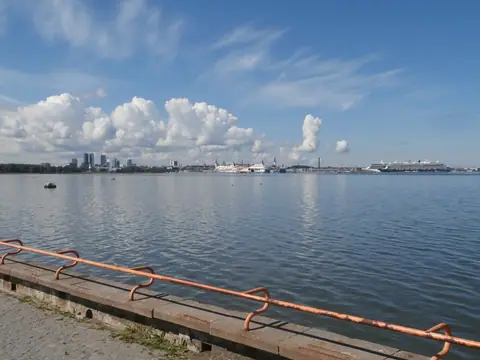
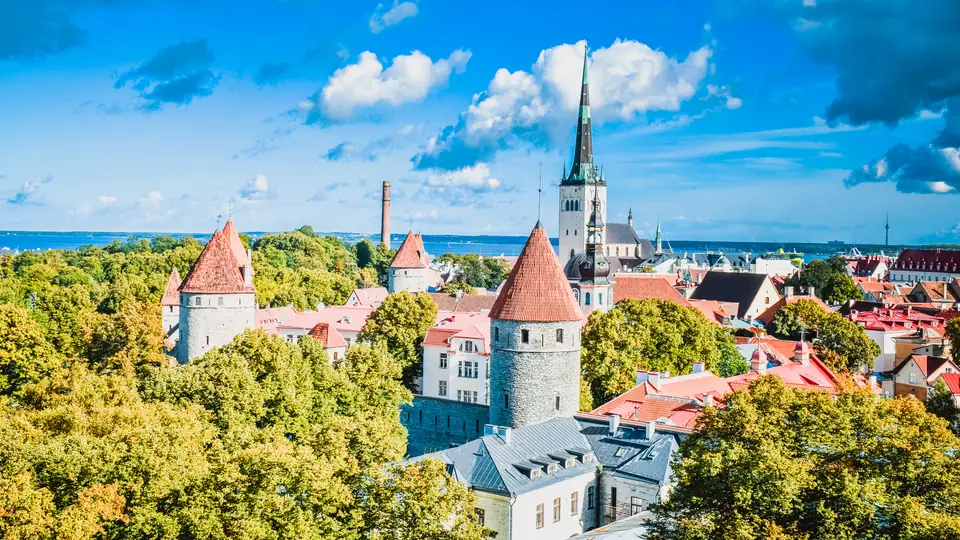
Tallinn is a compact seaside capital of 452,563 residents in 2026 where a walled medieval core meets Nordic glass towers, wooden workers' streets and open Gulf waters. Covering 159.38 square kilometres at just 9 metres above sea level within a wider urban region of 646,315 people in 2024, it draws roughly 4.3 million annual visitors mostly bound for its UNESCO-inscribed Old Town of 1997. Walking from limestone hilltops down to modern harbour terminals takes barely twenty minutes. This orientation guide explains how the districts fit together, what shaped them and how many days to plan.
Detailed neighbourhood guides cover the Old Town and Toompea, Kalamaja and the creative city and Kadriorg, Pirita and the Song Festival Grounds.
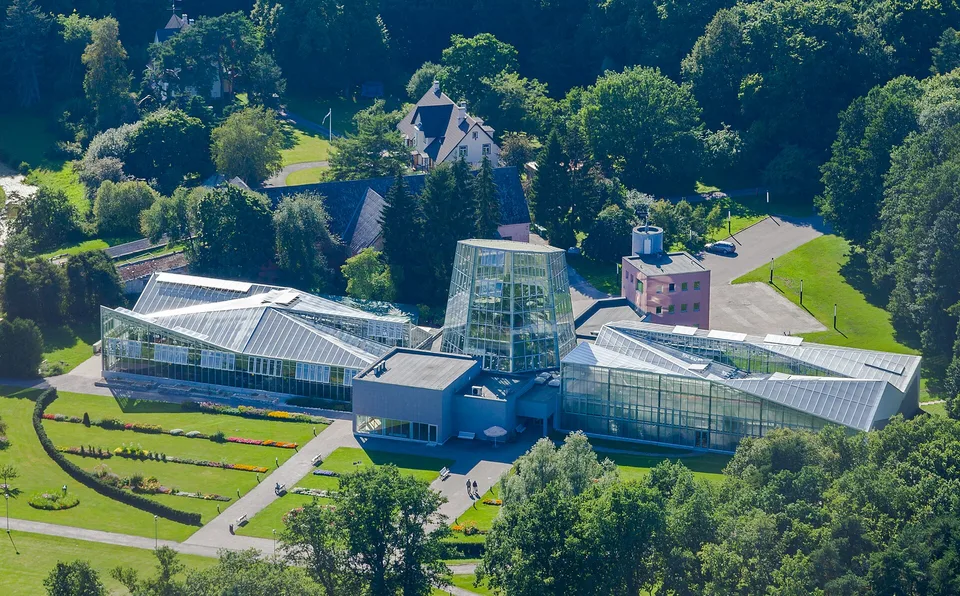
A Danish castle that became a Hanseatic port
The first written record dates from 1219 after the Danish conquest at Lyndanisse, echoed in the Estonian name Taani-linna, Danish castle, while traders long knew the port abroad as Reval. Tallinn gained town rights under Lübeck law in 1248 and entered the Hanseatic League in 1285 as its northernmost trading hub.
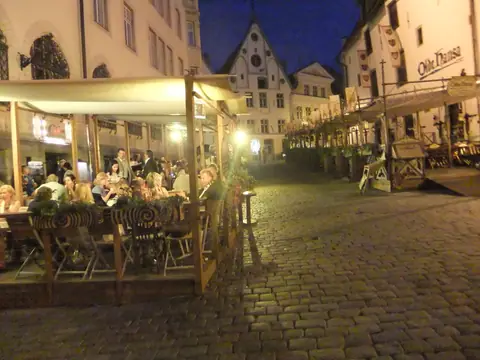
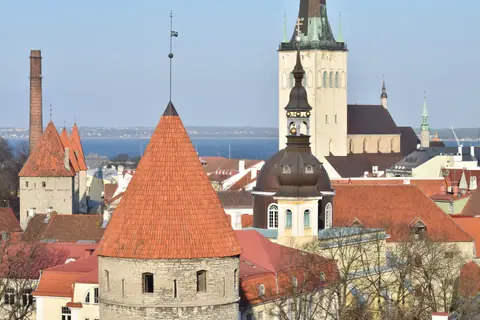
That medieval street plan survived intact because later industrial neighbourhoods grew cleanly outside the outer ramparts. UNESCO describes the Old Town as an exceptionally intact 13th-century urban plan enclosing 113 hectares within a 2,253-hectare buffer zone, built mostly between the 13th and 16th centuries.
| Date | Event | What it left behind |
|---|---|---|
| 1219 | Danish conquest | The castle on Toompea |
| 1248 | City rights under Lübeck law | The merchant town below the hill |
| 1285 | Entry into the Hanseatic League | Guild halls and merchant houses |
| 1918 | Independence declared on 24 February | The capital of a new state |
| 1997 | UNESCO inscription | Protection for the Old Town |
Independence, 1944 bombing and the 1991 Singing Revolution
Estonia proclaimed independence on 24 February 1918 before the Soviet Union annexed the republic in 1940 and re-occupied Tallinn in September 1944 after German withdrawal. During the air raid of 9 and 10 March 1944, more than 1,000 incendiary bombs struck town, wrecking roughly 10 per cent of Old Town buildings and killing hundreds. Tallinn hosted the 1980 Olympic sailing regattas at Pirita before Parliament restored full independence on the late evening of 20 August 1991.
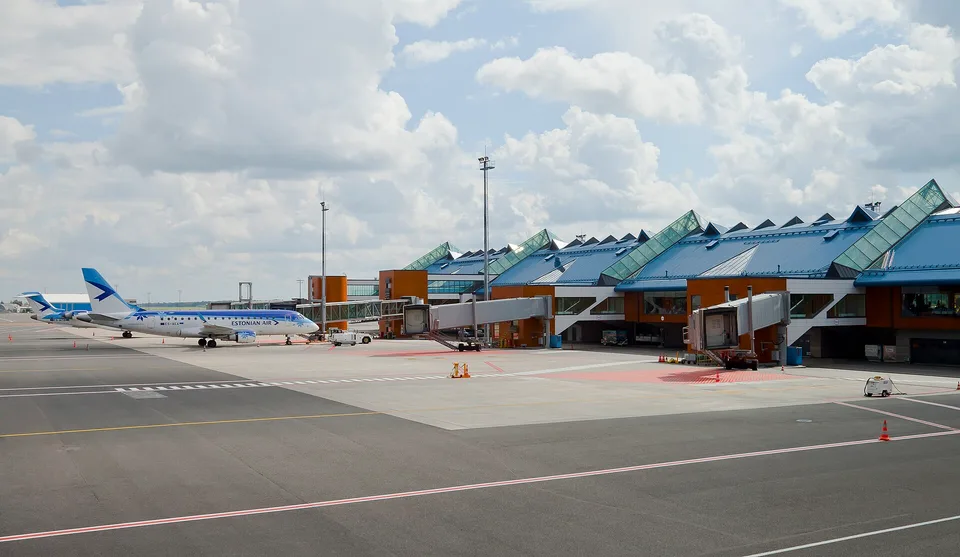
Compact size beside digital Tallinn
With roughly 1,362,954 people estimated across Estonia in 2026, Tallinn holds around a third of the national population. Estonia joined the European Union and NATO in 2004, adopted the euro on 1 January 2011 and pioneered digital e-residency in 2014. Because the inscribed 113-hectare Old Town fills only about 0.7 per cent of Tallinn's municipal land, most daily life unfolds outside medieval walls across green parks and brisk seafront promenades. Step outside Viru Gate and you quickly move from medieval guild lanes into Rotermann's renovated limestone warehouses, Telliskivi's creative timber yards and the shaded avenues of Kadriorg, making the compact capital easy to read district by district even on a short break.
Start-ups, European Green Capital and regional ferry hubs
Even on its hills Tallinn stays low-slung, topping out at 64 metres at Hiiu in Nõmme. The capital hosted Eurovision in 2002, shared European Capital of Culture honours with Turku in 2011, and carried the 2023 European Green Capital title. Early technology ventures born locally, among them Skype, pair naturally with cobblestone lanes and timber warehouses in Rotermann and Telliskivi. Frequent Gulf ferries link Tallinn directly with Helsinki, while southern coaches cross to Riga.
Three architectural layers to explore
- The medieval city: Ramparts, guild houses and cobbled slopes covered in the Old Town guide.
- The working-class and creative north: Wooden gables, sea ramparts and industrial cafés in the Kalamaja guide.
- The imperial and national east: Baroque parklands, Estonian art and the choral arch in the Kadriorg guide.
Scoping two to four days in Estonia's capital
| Time | What fits |
|---|---|
| One day | Toompea, the Town Hall Square and a walk along the walls |
| Two days | Add Kalamaja and the Seaplane Harbour, or Kadriorg and the Song Festival Grounds |
| Three to four days | Add Lahemaa, Haapsalu or Helsinki |
Organise mornings and trams with the things to do guide, and check daylight curves in the seasons guide.
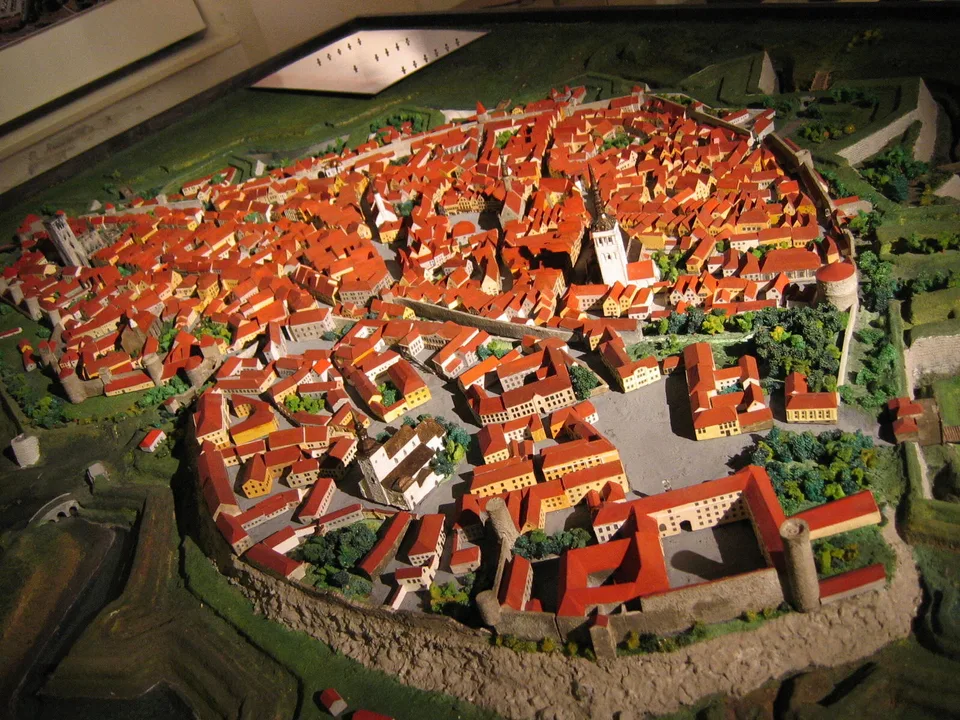
Cobblestones, ferries and Nordic weather essentials
Read the getting there guide for airport Tram T2 and ferry terminals, and compare neighbourhoods in the where to stay guide. Wear sturdy flat shoes on steep, polished limestone cobbles between Toompea and Town Hall Square, because damp autumn leaves make sloped alleys slick. Pack a windproof outer layer even in sunny midsummer months along the Gulf breeze, and pick authentic Nordic plates from the food guide before booking dinner.
Where it is
- 1Tallinn
- Lennart Meri Tallinn Airport (TLL) · about 5 km from Tallinn in a straight line
- Directions in Google Maps
Stations and taxi ranks: OpenStreetMap. Airports: OurAirports. Distances are in a straight line.
Traveller tips
Real advice from people who have been to Tallinn. Every tip is read by our team before it goes live.
No tips yet. Been here? Yours could be the first.
Thank you! Your tip will appear here after a quick review.
More in Tallinn
Continue exploring Tallinn with related neighbourhood, food, and planning guides