

France Travel Guide: Regions, Routes and Practical Tips
How to choose regions, build a route and move around France on a first trip, with Paris as the starting point.
France is the most visited country in the world, and most of those visitors see Paris plus one other place. That is a reasonable start, but the country is large (the biggest in the European Union by area) and its regions differ more than first-timers expect. Normandy has cider, cream and grey Channel skies; Provence, a long day's drive south, has olive oil, rosé and a dry wind called the mistral. This guide is about choosing between them, linking them into a route and dealing with the practical side: trains, cars, closing days, entry rules.
The short answer
For a first trip of about ten days, pick Paris plus two regions, and use the train between them. That is the whole plan for most people. Paris needs three or four days on its own (our Paris travel guide covers the city properly, so we keep it short here). The high-speed network fans out from the capital, so the regions that are quickest to combine with it are the Loire Valley, Normandy, Alsace, Bordeaux and Provence.
France suits almost everyone, but in different places. Couples and food lovers do well in Burgundy, Bordeaux and Provence. Families tend to like Normandy's beaches and the Alps in summer. People who hate driving can see a lot by rail. People who love it will find that the rural south and west open up only with a car.
The regions at a glance
Eight regions cover what most first-time visitors come for. We have kept each to a few lines.
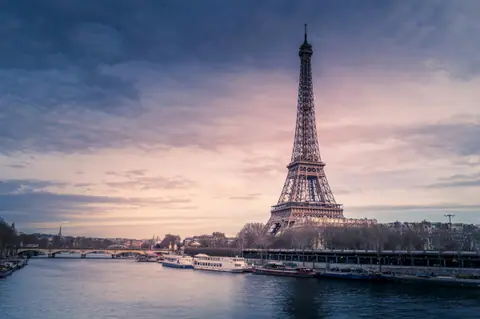
- Paris. The Louvre, the Eiffel Tower, Montmartre, cafés and walking. Three days is the minimum; our 3-day Paris itinerary shows how to pace it. Versailles is a half day by RER from the centre.
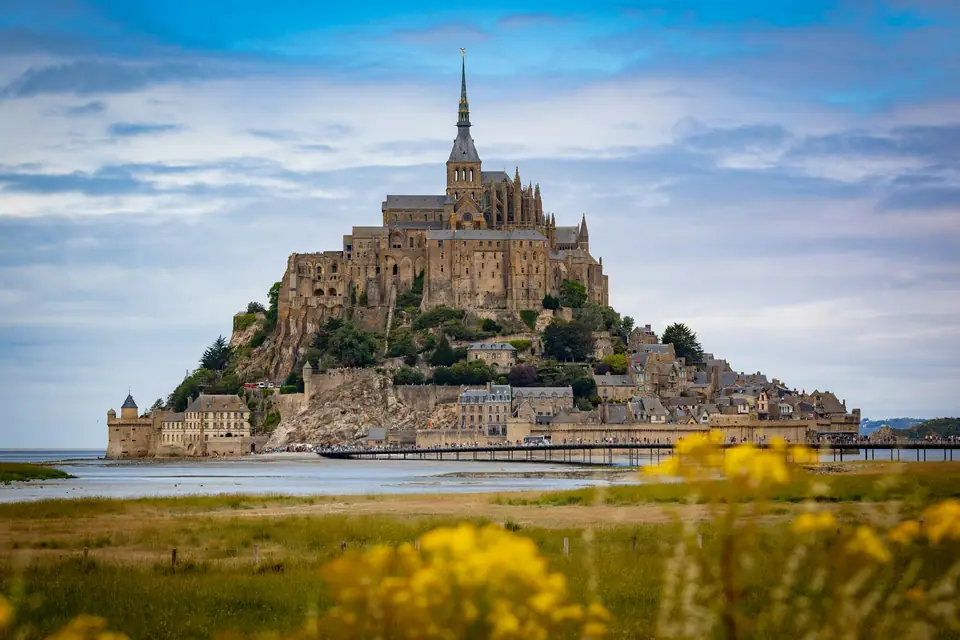
- Normandy and Brittany. Mont-Saint-Michel, the D-Day beaches around Bayeux, the chalk cliffs at Étretat, Honfleur's old harbour. Further west, Brittany has granite coast, crêpes and walled Saint-Malo. Weather changes by the hour.
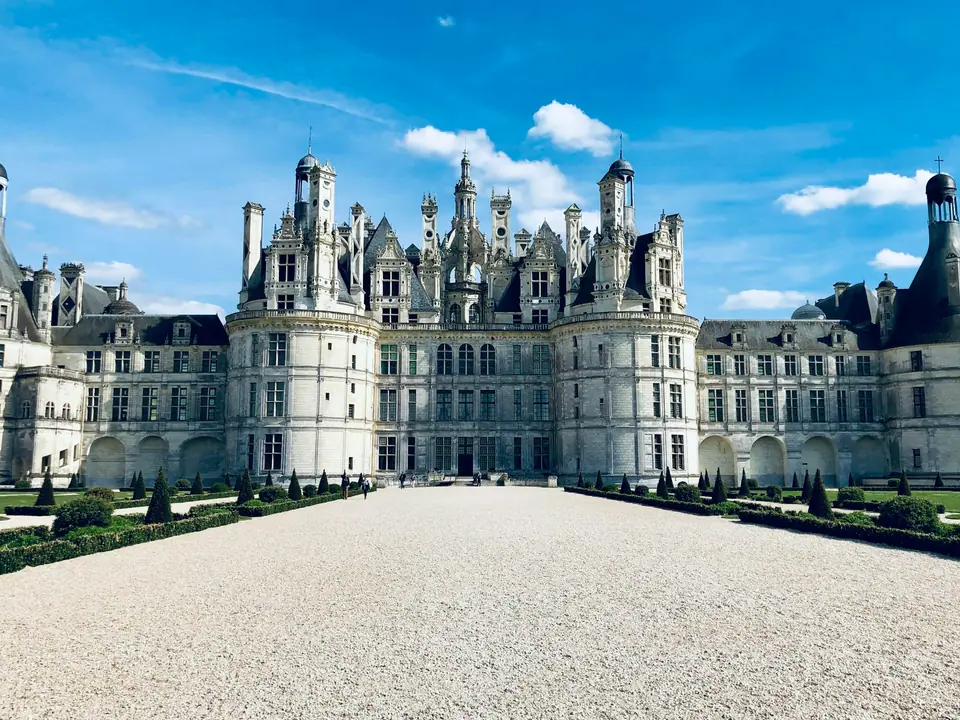
- The Loire Valley. Renaissance châteaux along a wide, slow river: Chambord, Chenonceau, Amboise, Villandry and its gardens. Flat enough for cycling. About an hour by TGV from Paris to Tours.
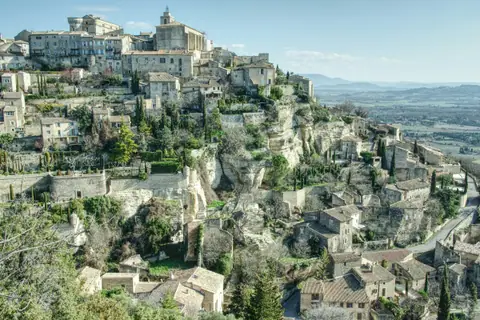
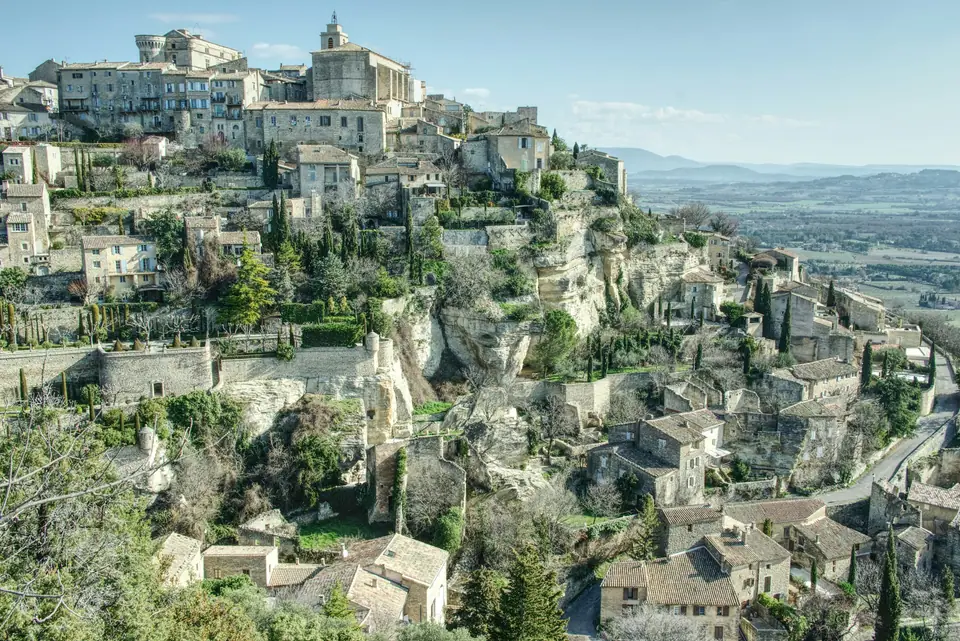
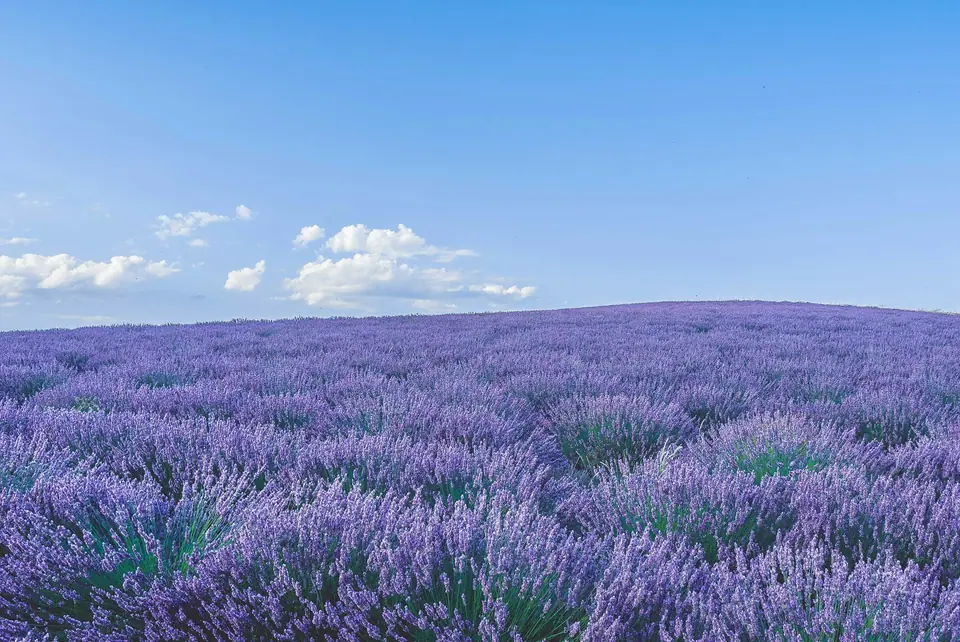
- Provence. Avignon and its Palais des Papes, the Roman arena at Arles and the Pont du Gard, hilltop villages in the Luberon such as Gordes and Roussillon, and the lavender plateaus in early summer.
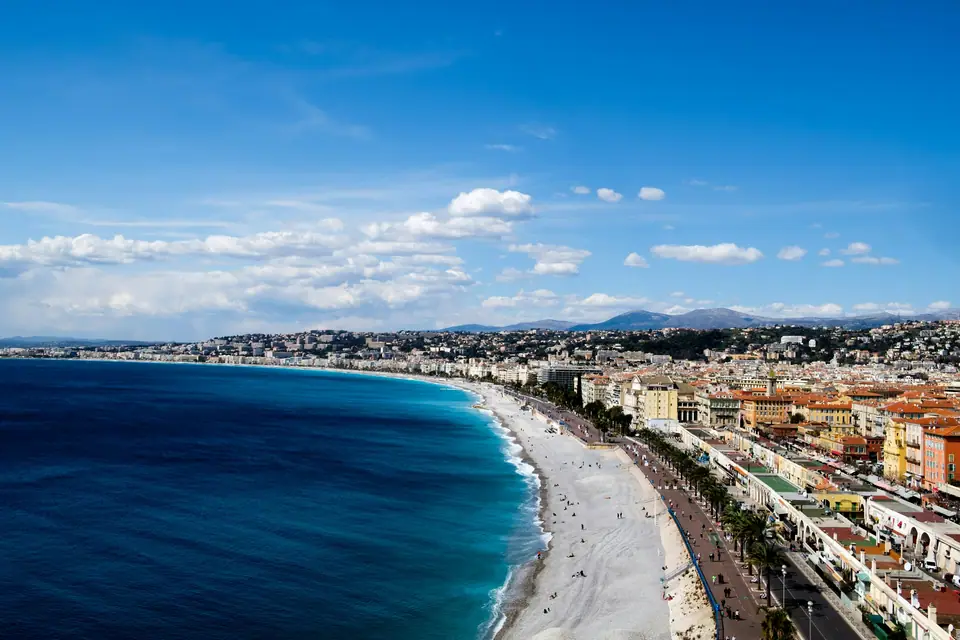
- Côte d'Azur. Nice, Antibes, Villefranche-sur-Mer, Èze on its rock above the sea, Monaco next door. A coastal train links most of it, which is useful because summer traffic is heavy.
- The Alps. Chamonix under Mont Blanc, lake Annecy with its canals, ski resorts in winter and hiking from late June. Lyon, France's food capital, is the natural gateway.
- Bordeaux and the southwest. A handsome 18th-century city on the Garonne, the vineyards of Saint-Émilion and the Médoc, the Dune du Pilat (Europe's highest sand dune) and, further south, Biarritz and the French Basque coast. The Dordogne, with its castles and prehistoric caves, is inland.
- Alsace. Half-timbered villages on the wine route, Colmar and Riquewihr, Strasbourg's cathedral and its Petite France quarter. German influence in the food and the place names. Christmas markets draw huge crowds in December.
Burgundy, the Pyrenees, Corsica and the Atlantic islands (Ré, Oléron) are left out here only because they suit a second trip better than a first.
How long, and three sample routes
Our rule of thumb: one base per three nights, and never more than four hours of travel on a moving day. Changing hotels every night looks efficient on paper and wrecks a holiday. These routes all start in Paris, because most long-haul flights land at Charles de Gaulle; our guide to getting to Paris covers the airports.
7 days: Paris and the Loire, or Paris and Normandy
- Days 1 to 4: Paris.
- Day 5: TGV to Tours (or Saint-Pierre-des-Corps), pick up a car or bike, see Amboise.
- Day 6: Chenonceau in the morning, Chambord in the afternoon.
- Day 7: back to Paris or straight to the airport.
Swap the Loire for Normandy if the sea matters more than castles: train to Bayeux, the D-Day beaches one day, Mont-Saint-Michel the next.
10 days: Paris, Provence and the Riviera
- Days 1 to 3: Paris.
- Day 4: TGV to Avignon (under three hours). Evening walk inside the walls.
- Days 5 and 6: a rental car for the Luberon villages, Arles and the Pont du Gard.
- Day 7: drop the car, train to Nice.
- Days 8 to 10: Nice, with day trips by train to Antibes, Villefranche and Monaco. Fly home from Nice.
14 days: a loop through four regions
- Days 1 to 3: Paris.
- Days 4 and 5: Loire Valley from Tours or Amboise.
- Days 6 to 8: Bordeaux, with a day in Saint-Émilion.
- Days 9 to 11: Provence from Avignon or Arles.
- Days 12 to 14: Nice and the coast.
An alternative fourteen days goes east instead: Paris, Alsace, Lyon, Annecy and the Alps, then Provence. It is a better route in December or in high summer, when the south is at its most crowded.
Getting around: train, car or both
France has one of the best rail networks in Europe, and for city to city travel the train beats the car almost every time. The national operator is SNCF, and you book everything through the SNCF Connect app or website (or resellers such as Trainline).
TGV inOui is the standard high-speed service, with first and second class and a café car. Paris has several mainline stations, each serving a different direction: Gare de Lyon for Provence, the Alps and the Riviera; Montparnasse for Bordeaux, the Loire and Brittany; Gare de l'Est for Alsace; Gare du Nord for Lille and the north; Gare Saint-Lazare for Normandy (slower Intercités and regional trains, no TGV). Check the station on your ticket twice.
Ouigo is SNCF's low-cost high-speed brand. Fares can be much lower, but there is no first class and no café, luggage is limited to a small bag and a cabin-sized case unless you pay for more, and some trains leave from outer stations such as Marne-la-Vallée (by Disneyland) rather than central Paris. Your coach and seat number usually appear only a few days before travel. It is a fair deal for light packers; read the conditions before booking.
TER are the regional trains. They reach small towns (Bayeux, Pontorson, Colmar, Amboise, the whole Riviera coast) and generally have no compulsory reservation. Many regions sell their own discount passes and weekend fares, so check the region's TER site before buying single tickets.
Rent a car for the parts of France that trains serve badly: the Luberon, the Dordogne, the Normandy beaches, Alsace wine villages and anywhere you want to stop at a roadside market. The pattern that works: train between regions, a car for two or three days inside one. Autoroutes (motorways) are mostly tolled, and many cities, Paris and Lyon among them, run low-emission zones that require a Crit'Air sticker, so ask the rental company. Driving in Paris itself is a bad idea.
When to go
Late May to June and September to early October are the sweet spots almost everywhere: long days, warm weather, and less pressure on hotels than July and August. French school holidays run through July and August, and in August many Parisians leave, some city restaurants close for a few weeks, and the coasts fill up.
- Provence lavender: roughly late June to mid-July, with harvest starting soon after. The Valensole plateau is the famous spot; the Sault area is quieter.
- Riviera: May, June and September for swimming without the August crowds.
- Normandy and Brittany: June to September. Pack a rain jacket in any month.
- Alps: December to April for skiing, July and August for hiking.
- Alsace: September and October for the grape harvest, December for the Christmas markets.
- Paris: any time; our best time to visit Paris guide goes month by month.
Money, tipping and closing days
France uses the euro, and contactless card payment is accepted almost everywhere, including bakeries and market stalls in most towns. Carry a little cash for village markets and small cafés.
Tipping is simple. Service is included in restaurant prices by law (service compris), so nobody expects 15 or 20 percent. Leaving small change, or rounding up for good service, is normal and appreciated. For taxis and hotel porters, the same small gesture is enough.
Closing days catch out more travellers than prices do. Many museums close one day a week, usually Monday or Tuesday, and it varies: in Paris, the Louvre closes on Tuesdays and the Musée d'Orsay on Mondays. Across the country, plenty of shops close on Sundays, and in smaller towns also on Monday mornings. Restaurants in the provinces often serve lunch roughly from noon to two and dinner from half past seven, with the kitchen closed in between. Check the official site of every museum and château on your list before you fix the day.
Since January 2026, several major French sites charge visitors from outside the European Economic Area more than EU residents. The Louvre, Versailles, Sainte-Chapelle and Chambord are among them, so budget accordingly and check the official ticketing pages. Timed tickets are the norm for the big names; our Louvre guide explains how the Paris booking system works.
What to eat, region by region
French food is regional first and national second. Order what the place is known for and you will rarely go wrong.
- Normandy: moules à la crème (mussels in cream and cider), Camembert and Pont-l'Évêque cheese, calvados (apple brandy) and dry cider.
- Brittany: galettes (savoury buckwheat pancakes, often with ham, egg and cheese), sweet crêpes, kouign-amann (a buttery, caramelised pastry), oysters from Cancale.
- Loire: rillettes (slow-cooked pork spread) from Tours, goat's cheeses like Sainte-Maure, and white wines from Vouvray and Sancerre.
- Lyon: eat in a bouchon, a traditional Lyon bistro. Try quenelles (light fish or chicken dumplings in sauce) and saucisson brioché.
- Provence: ratatouille, tapenade (black olive paste), daube (slow-braised beef stew), and rosé by the glass.
- Côte d'Azur: in Nice, socca (a thin chickpea pancake), pan bagnat (tuna and vegetable sandwich) and salade niçoise. In Marseille, bouillabaisse, the fish stew; order it only where it is made to order.
- Bordeaux and the southwest: canelés (small caramel-crusted cakes), confit de canard (duck leg cooked in its own fat), Arcachon oysters and, of course, red wine.
- Alsace: choucroute garnie (sauerkraut with sausages and pork), tarte flambée (thin bread base with cream, onions and bacon), Riesling and Gewurztraminer.
At lunch, look for the formule or menu du jour: a fixed set of two or three courses that is usually the best value on the chalkboard.
Practical questions
What is the Entry/Exit System?
The EU's Entry/Exit System (EES) has been fully in place at Schengen borders since 10 April 2026. If you are not an EU, EEA or Swiss citizen, your first entry means registering your passport, a facial image and fingerprints at the border, instead of getting a passport stamp. Expect the first crossing to take longer, especially at Charles de Gaulle and at the Eurostar terminal in London.
Do we need ETIAS?
Not yet, as of September 2026. ETIAS is the online travel authorisation that visa-exempt visitors (from the UK, US, Canada, Australia and elsewhere) will need. The EU expects to launch it in the last quarter of 2026, followed by a transition period during which it is not strictly required. Verify the current status on the official travel-europe.europa.eu site before you travel, and apply only there.
What is the tourist tax?
Almost every hotel, guesthouse and holiday rental adds a taxe de séjour, charged per person per night and set by the local council. It is higher in the Paris region, where an extra regional levy funds public transport. It is usually added to the bill at checkout rather than included in the booking price, so do not be surprised by it.
What about strikes?
Strikes (grèves) on the railways, the Paris transport network and at airports happen several times a year, and they are usually announced days ahead. SNCF publishes its forecast service the day before a strike, and the SNCF Connect app will notify you if your train is cancelled. Build a spare day into a tight itinerary.
How does Mont-Saint-Michel work?
Cars stop at a large car park on the mainland. From there, a free shuttle (Le Passeur) runs to the island in about a quarter of an hour, or you can walk there in roughly 45 minutes along the bay. Come early or late in the day; by late morning the single main street is packed.
Where France gets better
A first trip usually proves one thing: Paris is the introduction, not the country. The moments that stay tend to come from the second region, a Tuesday market in a Provence village, a bike ride along the Loire between two châteaux, a plate of galettes in a Breton harbour after rain.
So plan one fewer stop than feels right, book the TGV early, check closing days, and leave a free afternoon in each region. France rewards the traveller who stays put long enough to learn where the bakery is.