






Best Time to Visit Paris
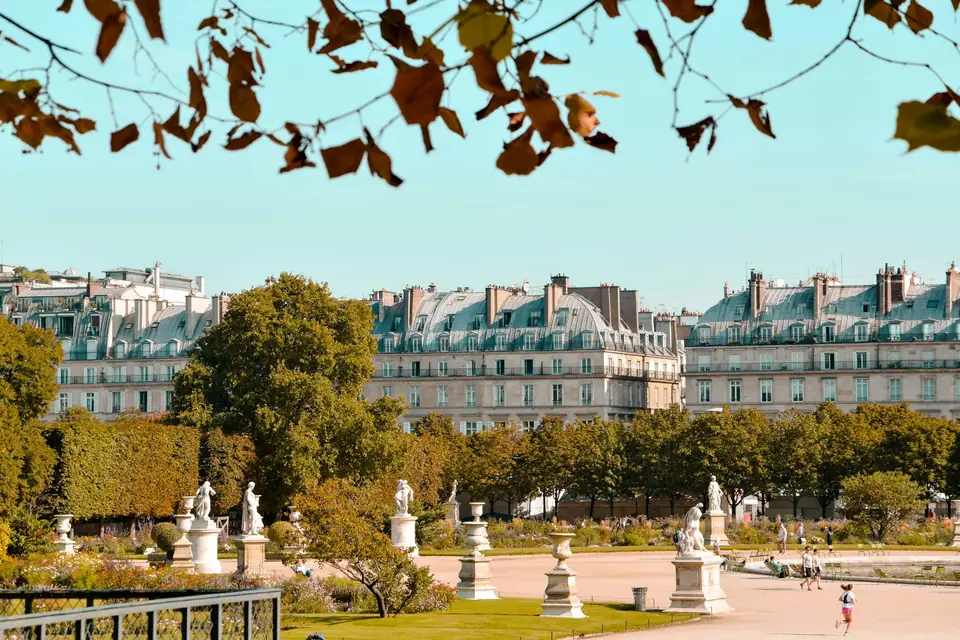
For a first visit, late April to June is hard to beat. The parks are green, café terraces are open, days are long, and it isn't yet high summer. September and early October come a close second.
July and August are the busiest months for visitors and, a little strangely, the quietest for locals. Many Parisians leave for their own holidays in August, and some small restaurants and shops close for a few weeks. It can also get properly hot, and a lot of older buildings don't have air conditioning. Still, the evenings are long and the city has a relaxed holiday feel.
November to February is grey and cold, often around 5 to 8°C, with short days. It's also the cheapest time for hotels, museums are less crowded, and December has Christmas markets and lights along the Champs-Élysées. Bring a coat and plan a museum-heavy trip.
March is changeable. It can be sunny and mild or wet and windy, sometimes in the same afternoon.
Month by month
- April to June: mild, some rain, busy but manageable.
- July and August: warm to hot, peak crowds and prices, some local closures.
- September and October: mild, busy in September, calmer later.
- November to March: cold and grey, lowest prices, quietest museums.
Dates to check
On 14 July, Bastille Day, there's a military parade on the Champs-Élysées and fireworks at the Eiffel Tower, but some sites close or have restricted access. Fashion Week in late February and late September pushes up hotel prices in central areas. French school holidays, especially around Easter and in February, bring extra domestic visitors.
Rain makes a difference too. On wet days everyone heads for the Louvre and the Orsay, so if the forecast is bad, that's the day for the covered passages, a long lunch or a smaller museum.