Antananarivo: What to Know Before You Go
How Antananarivo's three elevation tiers work, handling Malagasy ariary cash and respecting highland customs.
Short answer: treat Antananarivo as a vertical city divided into three altitude tiers, carry Malagasy ariary cash for markets and artisan workshops, plan vehicle transfers outside rush hour, and walk downhill from the palace ridge to the valley markets during daylight hours.
Three altitude tiers: Haute-Ville, Ville-Moyenne and Ville-Basse
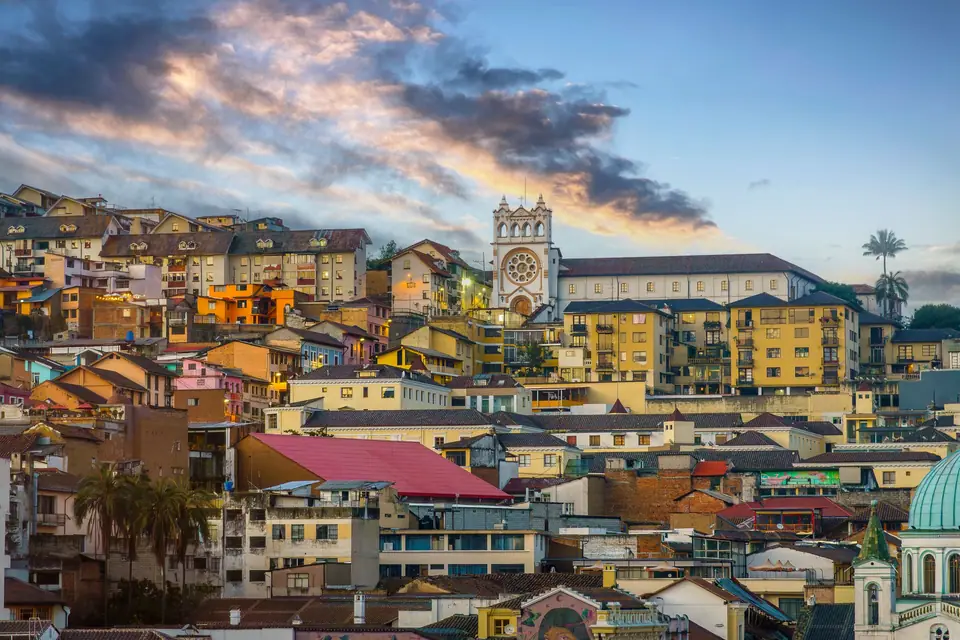
Most first-time visitors are surprised by how mountainous Madagascar's capital feels. Rather than spreading across a flat plain, the city wraps around steep granite ridges rising between 1,250 and 1,450 metres above sea level. Locals divide it into three levels. At the crest sits Haute-Ville (the Upper Town), home to the Rova royal complex, 19th-century brick cathedrals and tranquil cobbled viewpoints. Halfway down the slope lies Ville-Moyenne (the Middle Town) around Isoraka, Antaninarenina and Faravohitra, where colonial ministries, staircases and French-Malagasy bistros cluster. On the valley floor spreads Ville-Basse (the Lower Town), encompassing Avenue de l'Indépendance, Analakely Market, Lake Anosy and the surrounding rice paddies. Always start sightseeing at the top in the morning and descend the stone steps rather than climbing uphill in the midday sun.
Malagasy ariary, cards and telecoms
Madagascar's currency is the Malagasy ariary (MGA), one of only two non-decimal currencies still in circulation worldwide. Because the largest banknote denomination is modest in value, withdrawing even a few days' spending money produces a thick stack of notes; bring a zipped inner pouch to carry cash neatly. Visa cards work reliably at bank ATMs and upscale hotels or restaurants in Isoraka and Ivandry, whereas Mastercard acceptance is far patchier. At Ivato Airport arrivals, pick up a local SIM card with mobile data and mobile-money registration, which makes calling drivers and checking maps across the hills effortless.
Sacred fady customs and street awareness
When visiting the Rova or the UNESCO-listed Royal Hill of Ambohimanga, respect local fady (ancestral taboos): never point at royal tombs with an outstretched index finger (use a bent knuckle or open hand instead), and follow your guide's instructions around sacred bathing pools. By day, central Tana is busy and welcoming; keep phones and cameras discreet in crowded Analakely lanes, and always take a hotel-arranged taxi from door to door after dusk, as hillside staircases are dimly lit. Compare bases in where to stay in Antananarivo.
Traveller tips
Real advice from people who have been to Antananarivo: What to Know Before You Go. Every tip is read by our team before it goes live.
No tips yet. Been here? Yours could be the first.
Thank you! Your tip will appear here after a quick review.
More in Antananarivo
Continue exploring Antananarivo with related neighbourhood, food, and planning guides