Antananarivo
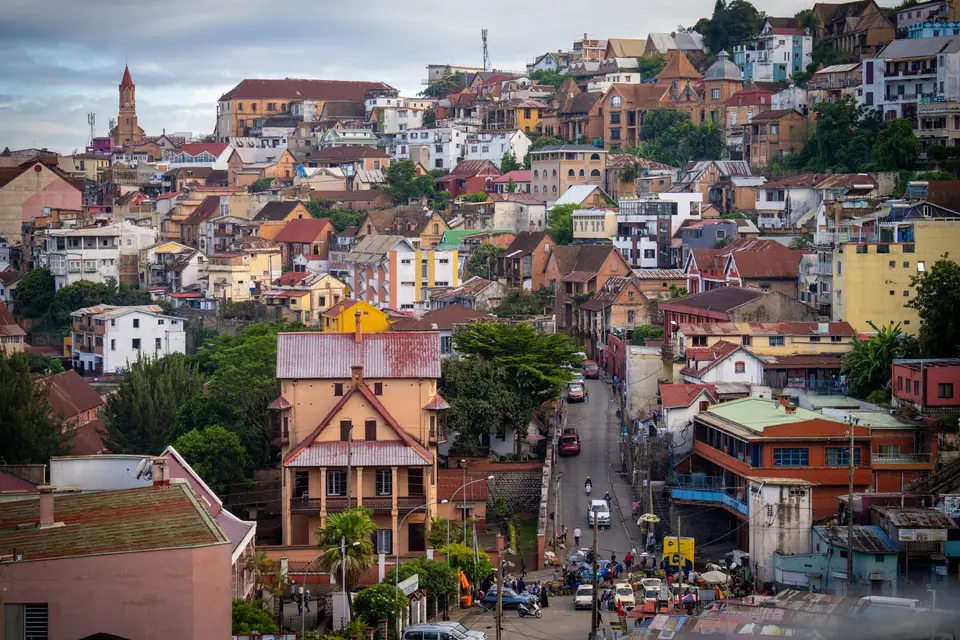
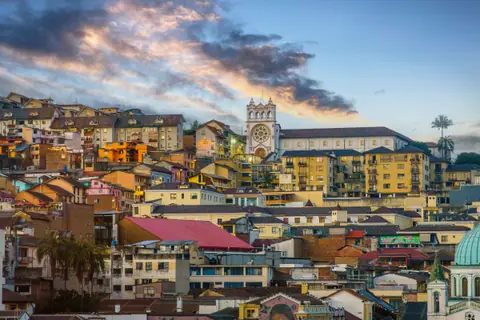
Terraced red-brick palaces and colonial arcades stacked across twelve highland ridges, from the hilltop Rova of Antananarivo and Analakely Market to the sacred royal woods of Ambohimanga.
Quick decisions
How many days?
3 days: Haute-Ville and the Rova palace on day one, Analakely Market, Lake Anosy and Lemurs' Park on day two, and the UNESCO-listed Royal Hill of Ambohimanga on day three. Follow our three-day route.
Where should I stay?
Haute-Ville & Faravohitra: quiet cobbled ridges with panoramic terraces near the palaces. Isoraka: walkable dining bistros midway up the slope. Ivandry: calm modern diplomatic quarter closer to the airport. Compare areas in where to stay in Antananarivo.
Do I need a car?
A car with a local driver for outings. Central ridges are explored on foot via steep stone staircases, while hiring a driver is the practical way to reach Ambohimanga, Lemurs' Park and Ivato Airport.
Best for
Highland history: 17th- to 19th-century Merina royal complexes and timber-framed palaces. Wildlife introductions: close sightings of ring-tailed and dancing sifaka lemurs. Culinary travellers: French-Malagasy bistros and slow-simmered zebu dishes.
Before you go
Prepare for altitude and cash transactions: the capital sits between 1,250 and 1,450 metres above sea level with cool evenings from May to September, and Malagasy ariary notes are essential for markets. Read our practical briefing.
Getting around
From Ivato International Airport (TNR): located 16 kilometres north-west of the centre; pre-arranged hotel transfers and vetted airport taxis use the Tsarasaotra bypass road. Details in arrival and transport.
Continue your trip
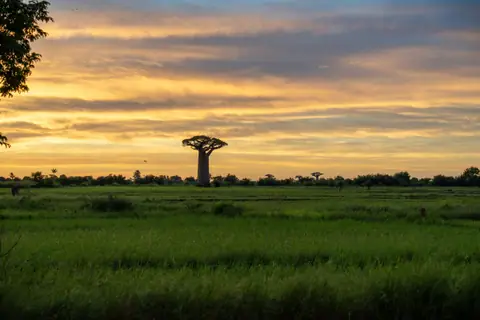
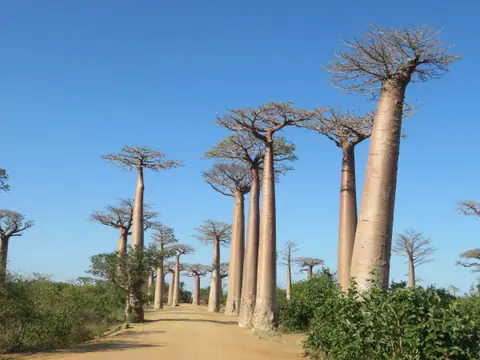
Antananarivo is the hub for domestic flights to Nosy Be, Sainte-Marie and Morondava (Avenue of the Baobabs), as well as overland drives east to Andasibe-Mantadia rainforest or south along Route Nationale 7.
Overview
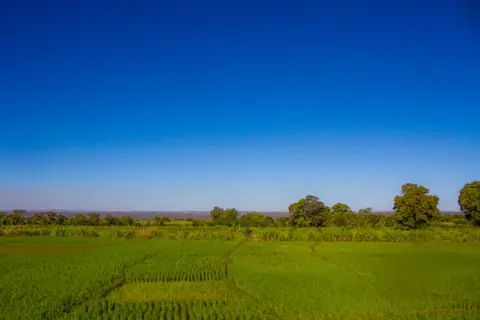
Built across a dramatic Y-shaped ridge high in the Central Highlands of Madagascar, Antananarivo (known across the island simply as Tana) looks nothing like a coastal Indian Ocean port. Terraced red-laterite brick houses with carved wooden balconies climb from emerald rice paddies on the Ikopa River plain up to the crest of Haute-Ville and the Rova of Antananarivo, the fortified royal compound of the Merina monarchs.
In the valley below, Avenue de l'Indépendance and Analakely Market hum with basket weavers, spice stalls and vintage cream-coloured Renault 4 taxis. Just outside the city limits stand the sacred forest and royal enclosure of Ambohimanga and the riverside botanical trails of Lemurs' Park.
Getting there
Ivato International Airport (TNR) sits 16 kilometres north-west of central Antananarivo and receives non-stop flights from Paris, Addis Ababa, Nairobi, Mauritius, Réunion and Johannesburg, alongside domestic Tsaradia services across Madagascar. Pre-booked hotel cars and licensed airport taxis take the Tsarasaotra wetland causeway into town. See getting to Antananarivo and around the ridges.
Where to stay
Because traffic in the lower valleys can stall at rush hour, choosing the right elevation shapes your entire stay. Sleeping high in Haute-Ville or Faravohitra gives you quiet cobbled lanes and sunset views over Lake Anosy, Isoraka puts you beside the city's best restaurants, and northern Ivandry reduces airport transfer times. Compare neighbourhoods in where to stay in Antananarivo.
Things to do
Climb up to the restored Rova of Antananarivo and Andafiavaratra hillside, walk the colonnaded arcades of Avenue de l'Indépendance down to Analakely Market and Lake Anosy, and spend a day exploring the UNESCO-listed Royal Hill of Ambohimanga and Lemurs' Park. Browse our top picks in things to do in Antananarivo.
Food and drink
Highland Malagasy cooking centres on fragrant red and white rice paired with laoka toppings: romazava (tender zebu beef simmered with brèdes mafana leaves that leave a gentle citrus tingle on the tongue), ravitoto (pork slow-cooked with pounded cassava leaves and coconut), crispy mofo gasy rice-flour pancakes at dawn, and single-origin Sambirano valley chocolate. Explore dishes in our highland food and excursions.
Culture
Founded around 1610 by King Andrianjaka, Antananarivo means the City of the Thousand, recalling the thousand garrison soldiers stationed to guard its ridge. The city remains the heartland of the Merina people, whose Austronesian ancestors sailed from Borneo across the Indian Ocean bringing terraced wet-rice cultivation, intricate lamba silk weaving and stone ancestral tombs that still crown the surrounding hills.
Weather by month
Antananarivo is warmest in November, with average highs around 27°C, and coldest in July, when nights drop to about 10°C. January is the wettest month, with rain on about 18 days. For mild weather with fewer rainy days, aim for May, June, July, August, September and October.
| Month | Low | Range | High | Rain | Rainy days |
|---|---|---|---|---|---|
| Jan | 17°C | 26°C | 275 mm | 18 d | |
| Feb | 17°C | 26°C | 255 mm | 17 d | |
| Mar | 16°C | 26°C | 185 mm | 15 d | |
| Apr | 15°C | 25°C | 45 mm | 6 d | |
| May | 13°C | 23°C | 15 mm | 3 d | |
| Jun | 11°C | 21°C | 8 mm | 2 d | |
| Jul | 10°C | 20°C | 9 mm | 2 d | |
| Aug | 10°C | 21°C | 10 mm | 2 d | |
| Sep | 12°C | 24°C | 12 mm | 2 d | |
| Oct | 14°C | 26°C | 50 mm | 6 d | |
| Nov | 15°C | 27°C | 135 mm | 11 d | |
| Dec | 16°C | 27°C | 260 mm | 17 d |
Averages of daily values from 2015 to 2024. Rainy days are days with at least 1 mm of rain. Source: Open-Meteo · Compare destinations by month.
Antananarivo on the map
Every place we cover in Antananarivo. Tap a category or pin to explore.
In-depth Antananarivo guides
Browse the guides grouped by topic: sights, neighbourhoods, food, transport, day trips and trip planning.
Sights, Landmarks & Parks
Key monuments, viewpoints, museums and nature trails.

Neighbourhoods & Where to Stay
Districts, historic quarters and the best bases for your stay.
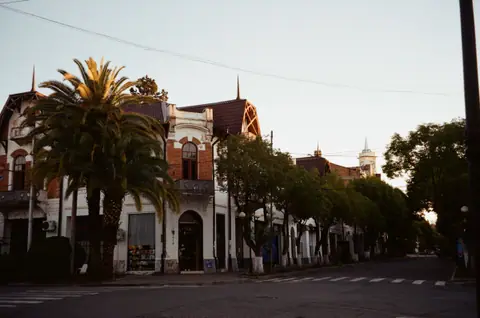
- Analakely Market, Avenue de l'Indépendance and Lake AnosyRed-brick colonial arcades, Soarano Railway Station, Analakely Market pavilions and Lake Anosy.
- Where to Stay in Antananarivo: Highland Ridges vs ValleyChoosing between panoramic heritage guesthouses in Haute-Ville, bistro-lined Isoraka and modern Ivandry.
Getting Around & Arrival
Airport transfers, public transit, passes and driving rules.
Day Trips & Excursions
Easy half-day and full-day trips from the city.
Trip Planning & Itineraries
When to visit, what to pack and day-by-day routes.
- Antananarivo: What to Know Before You GoHow Antananarivo's three elevation tiers work, handling Malagasy ariary cash and respecting highland customs.
- Best Time to Visit AntananarivoCool dry highland months from May to August, warm jacaranda blossom season in October, and summer rains.
- What to Wear in AntananarivoGrippy footwear for steep stone staircases, warm layers for 1,400-metre nights and respectful dress at royal sites.
- Antananarivo 3-Day Itinerary: Royal Hills, Markets and LemursThree well-paced days covering Haute-Ville's royal ridge, Analakely Market, Lemurs' Park and Ambohimanga.
Need your embassy or consulate in Madagascar? See embassies and consulates in Madagascar.
Reviews
Log in to write a review.
No reviews yet.