


























Best Time to Visit Auckland: Subtropical Summers, NIWA Climate Normals & Gannet Season
Month-by-month weather guide for Auckland using official 1991-2020 NIWA/WMO climate normals: plan around Southern Hemisphere summer highs of 24°C in January and February, blossoming pohutukawa in December, and autumn volcano hikes.
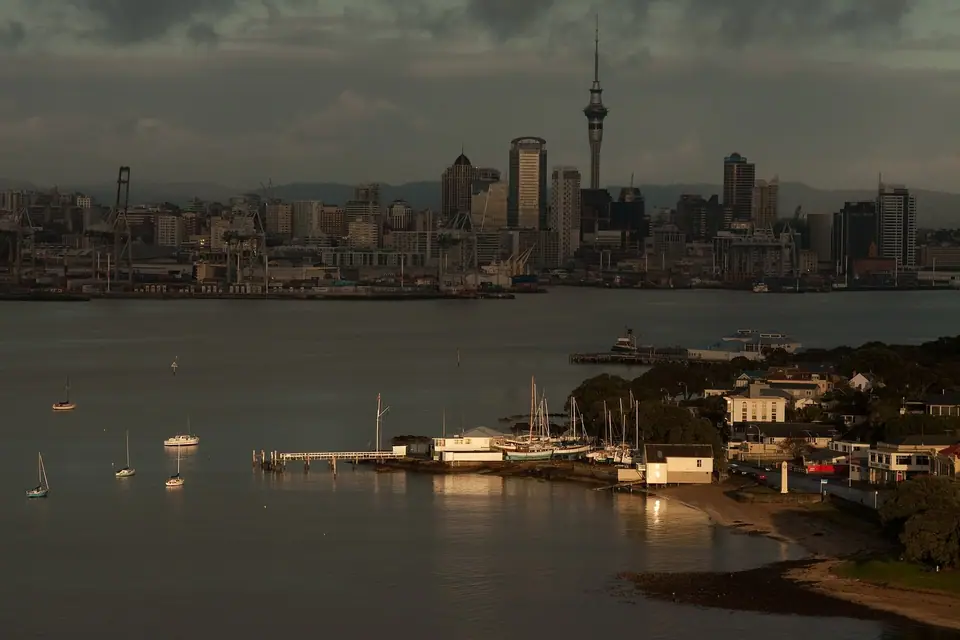
Lying at 36°50' South in the Southern Hemisphere, Auckland reverses the calendar of Europe and North America and enjoys the warmest maritime climate of any major New Zealand city. According to official 1991 to 2020 NIWA and WMO climate normals, summer daytime highs in January and February average 24°C (lows 16°C) with just 7 to 8 rain days a month, while mid-winter highs in July average a mild 14°C (lows 7°C) without snow or hard frost at sea level.
1. December to March (Summer & Early Autumn): Prime Island, Vineyard & Gannet Weather
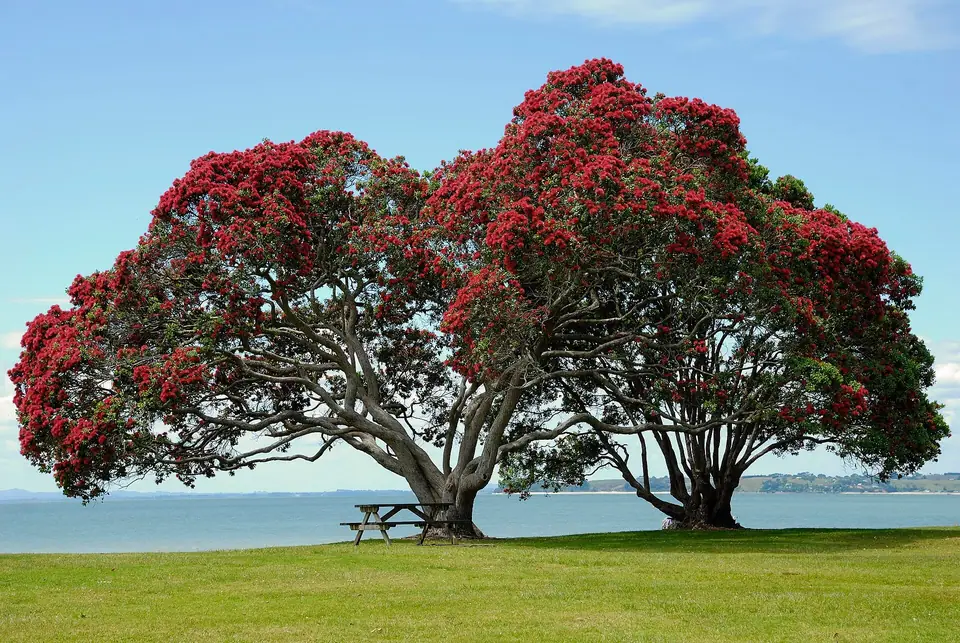
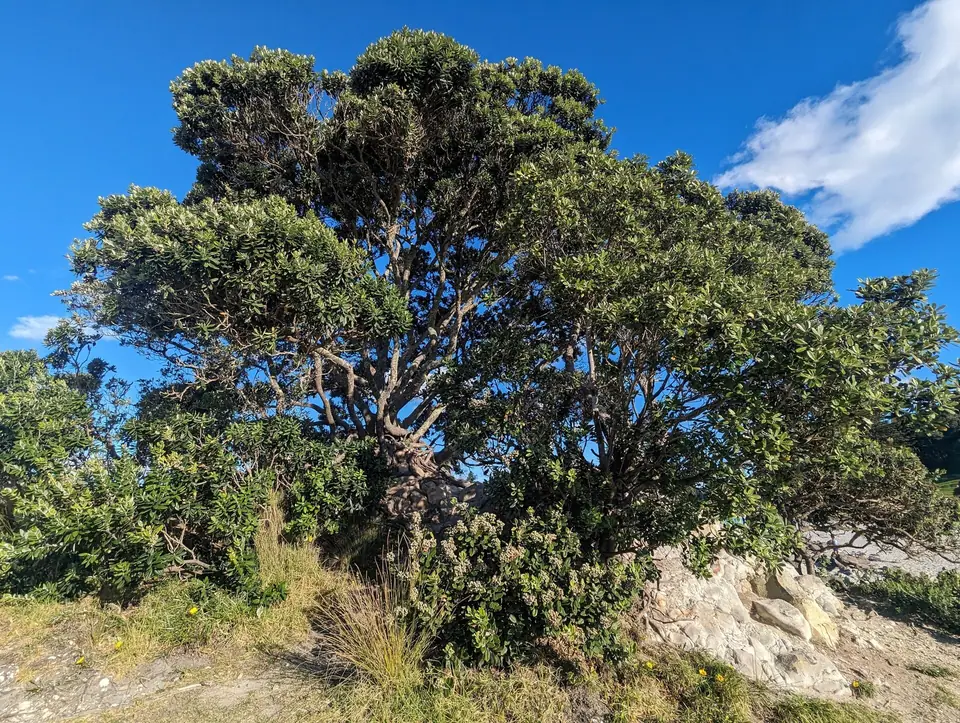
- December & January (Highs 22°C to 24°C): In December, coastal pōhutukawa trees burst into brilliant crimson flower (earning their nickname "New Zealand's Christmas tree"). After the lively New Year holiday fortnight, late January brings long, sunny 14.5-hour days ideal for swimming at Onetangi Beach on Waiheke Island and watching fluffy white chicks at the Muriwai Australasian gannet colony (which nests from August through late March).
- February & March (Highs 23°C to 24°C, 7 to 9 Rain Days): Local travellers consider February and March the single best window of the year: sea temperatures in the Hauraki Gulf peak at 21°C, rainfall drops to its annual low (7 rain days in February), and Waiheke vineyards buzz with late-summer grape harvest energy.
2. April to May (Autumn) & October to November (Spring): Crisp Hikes & Quiet Trails
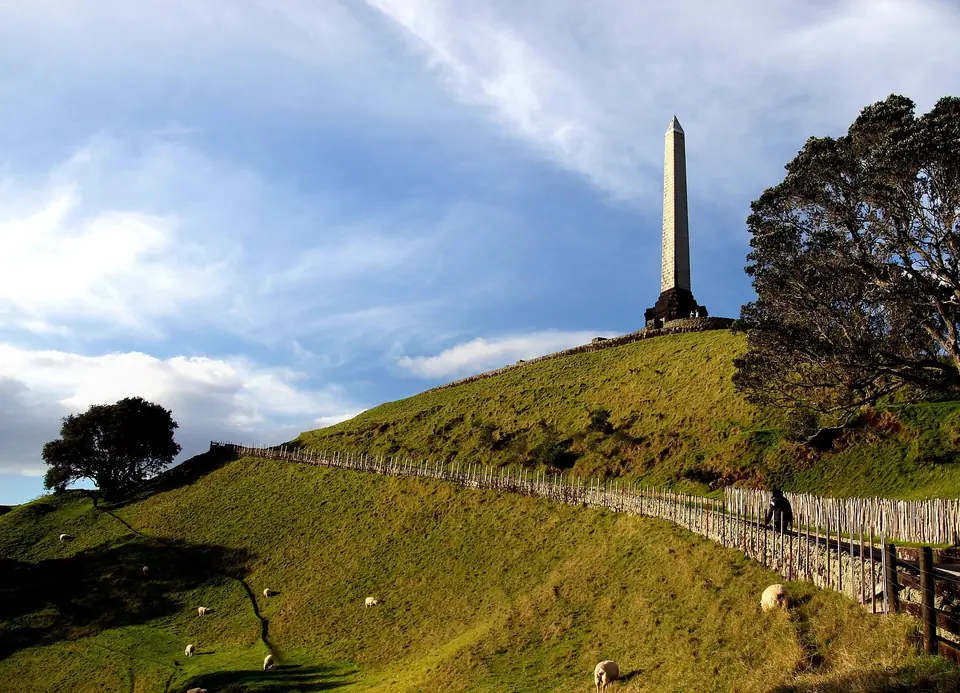
- April, May, October & November (Highs 17°C to 20°C): During the shoulder seasons, clear 18°C to 20°C afternoons make climbing the exposed black lava fields of Rangitoto Island and Maungawhau (Mount Eden) far more comfortable than at mid-summer noon.
- June to August (Winter, Highs 14°C to 15°C, 14 to 15 Rain Days): Winter brings passing Tasman Sea rain bands interspersed with crisp, sunny days; it is a rewarding season for uncrowded museum visits, storm-watching at Piha, and spotting resident Bryde's whales and winter orca in the Hauraki Gulf.
Traveller tips
Real advice from people who have been to Best Time to Visit Auckland: Subtropical Summers, NIWA Climate Normals & Gannet Season. Every tip is read by our team before it goes live.
No tips yet. Been here? Yours could be the first.
Thank you! Your tip will appear here after a quick review.
More in Auckland
Continue exploring Auckland with related neighbourhood, food, and planning guides
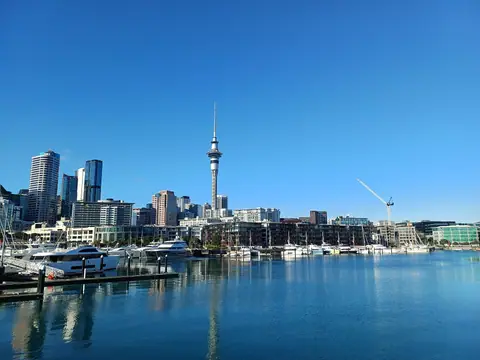
Where to Stay in Auckland: Britomart & Commercial Bay, Viaduct & Wynyard, Ponsonby & Devonport
Auckland, New Zealand
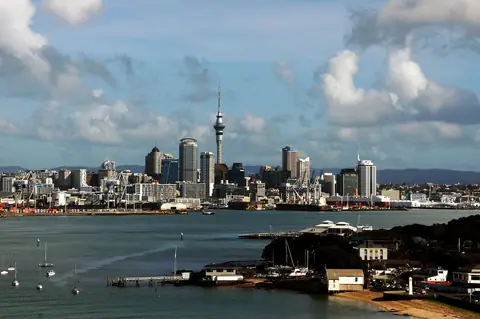
3 Days in Auckland: Waterfront & Volcanoes, Waiheke Island, Plus Piha & Waitakere Ranges
Auckland, New Zealand

Sky Tower (328m), Viaduct Harbour, Britomart & Wynyard Quarter Waterfront Walk
Auckland, New Zealand
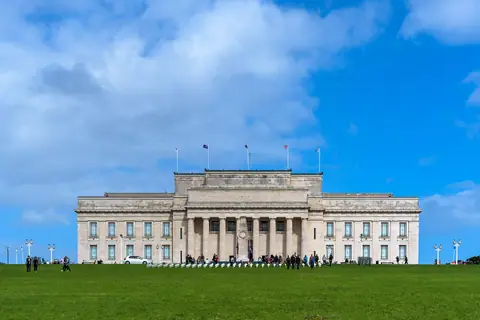
Auckland War Memorial Museum, Pukekawa Domain & Auckland Art Gallery Toi o Tamaki
Auckland, New Zealand
