


























Auckland's Volcanic Cones (Tupuna Maunga): Maungawhau, One Tree Hill & Devonport
How to explore the terraced volcanic cones of the Auckland Volcanic Field: walk the sacred 50m crater rim of 196m Maungawhau (Mt Eden), visit Maungakiekie (One Tree Hill) in Cornwall Park, and ferry to Devonport's North Head.
Unlike cities built beside a single stratovolcano, Auckland sits directly on top of the Auckland Volcanic Field: a 360-square-kilometre magma system that has erupted 53 separate monogenetic scoria cones, tuff rings, and craters over the past 190,000 years. For centuries before European arrival, Māori sculpted the steep scoria slopes into terraced hilltop settlements (pā) with defensive palisades and sweet-potato (kūmara) storage pits. Today, fourteen cones are co-governed by the Tūpuna Maunga Authority (maunga.nz), which has closed the summits to private cars so visitors can walk them in peace.
1. Maungawhau / Mount Eden (196 Metres): The Highest Natural Point on the Isthmus
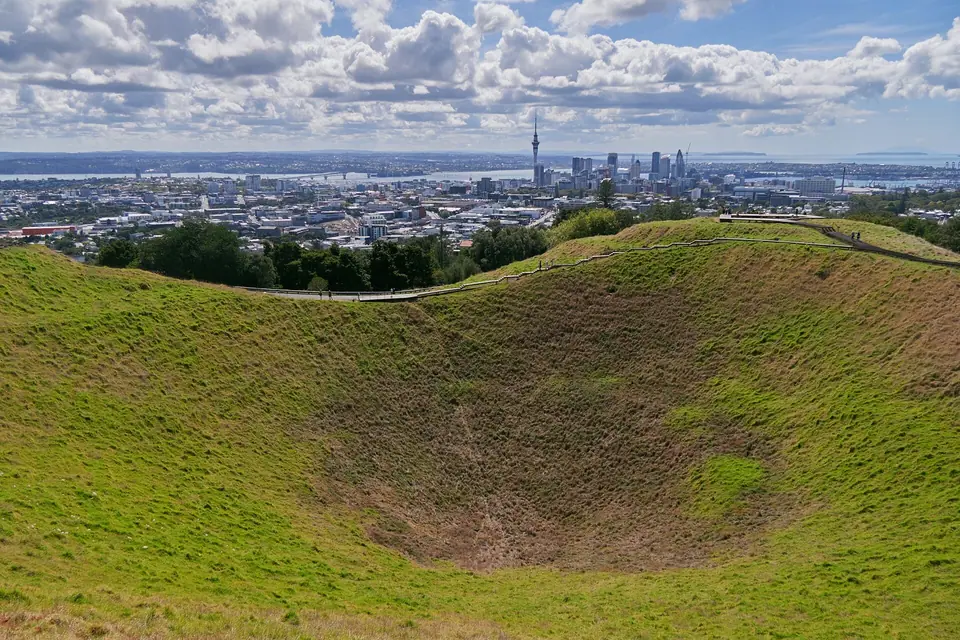
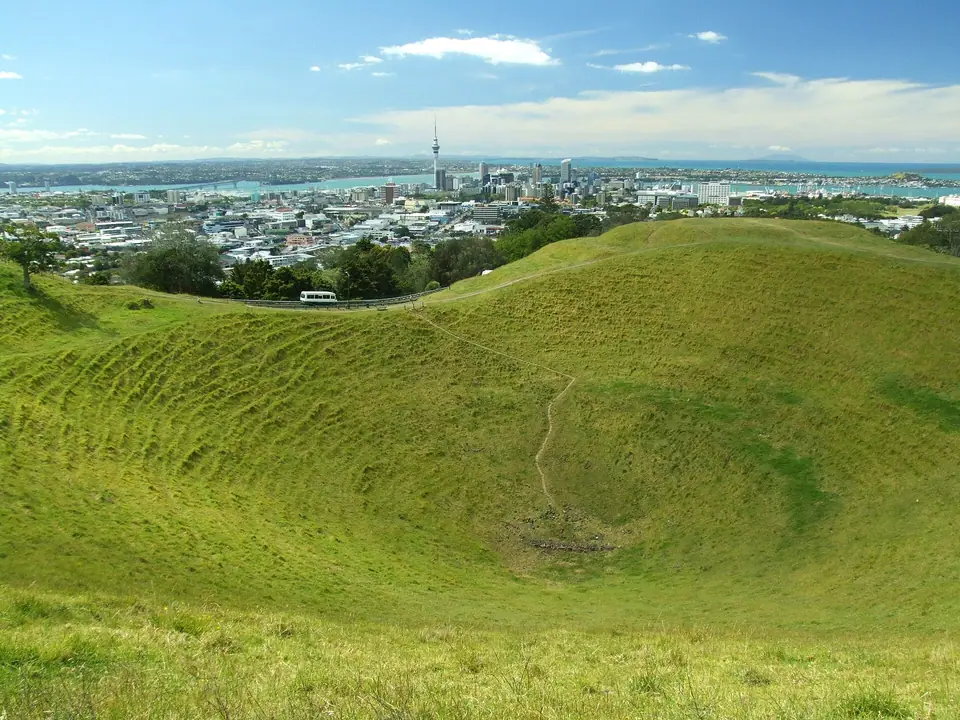
- The Sacred Crater of Te Ipu-a-Mataaho (4 km South of Downtown): Rising 196 metres above sea level between Mount Eden village and Epsom (15 minutes from the CBD by bus or train), Maungawhau ("Mountain of the Whau Tree") erupted roughly 28,000 years ago from three overlapping vents. An elevated timber-and-steel boardwalk circles the rim of its astonishingly symmetrical 50-metre-deep inverted-cone crater, looking straight north to the Sky Tower and Waitematā Harbour, east to Rangitoto Island, and south-west to the Manukau Harbour. Because the crater bowl and terraced slopes are sacred (tapu) and prone to erosion, stay strictly on the boardwalk and never walk down into the crater.
2. Maungakiekie / One Tree Hill (182 Metres) & Cornwall Park
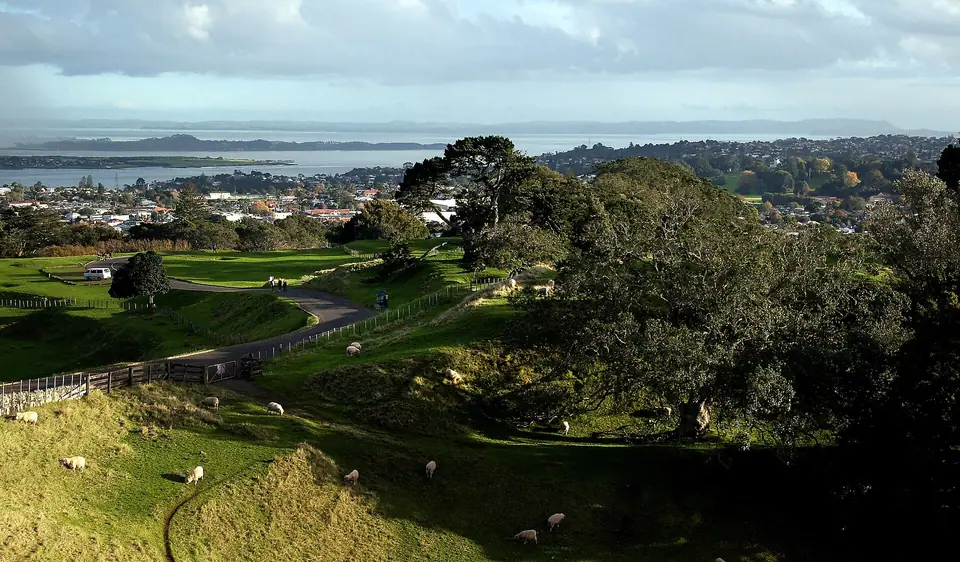
- New Zealand's Largest Pre-European Pā & 270 Hectares of Parkland: Three kilometres south-east of Maungawhau stands Maungakiekie ("Mountain of the Kiekie Vine"), which supported a pre-European Māori population of up to 5,000 people across 30 hectares of sculpted earthwork terraces. Surrounding the cone are the ancient oak avenues, olive groves, and grazing Romney sheep and Simmental cattle of Cornwall Park (gifted to the nation in 1901 by Sir John Logan Campbell). Climb the spiral road or grass paths to the 182-metre summit, crowned by a 30-metre stone obelisk and bronze Māori warrior statue unveiled in 1940.
3. Devonport's Twin Coastal Cones: Maungauika / North Head & Takarunga / Mount Victoria
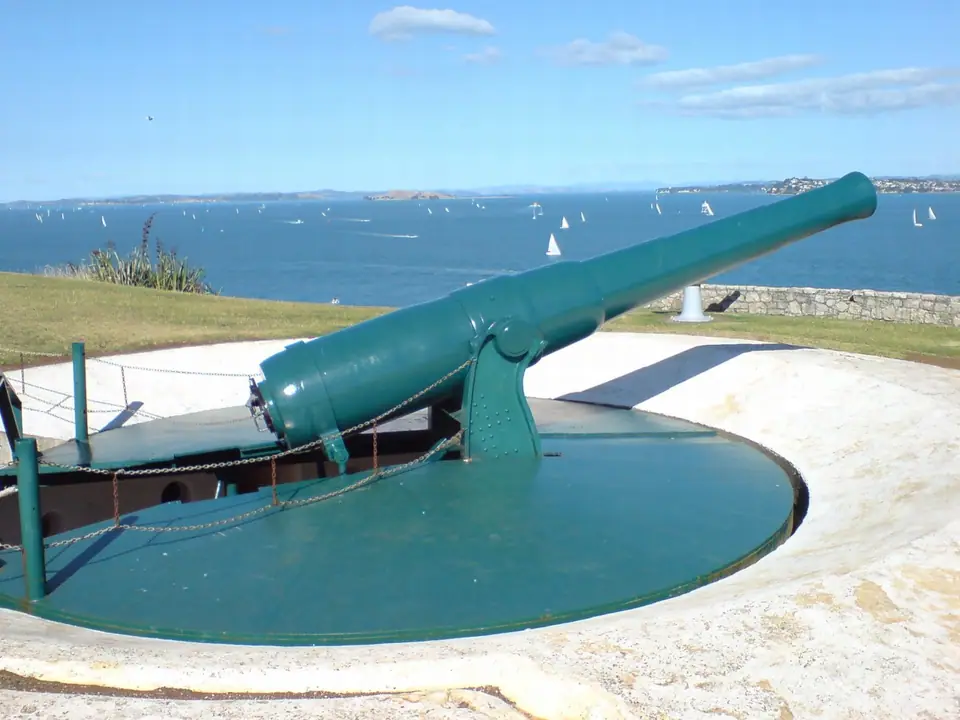
- A 12-Minute Ferry to Underground Fortifications & Sunset Views: Board the commuter ferry from Downtown Auckland across the Waitematā Harbour to Devonport. From the wharf, stroll fifteen minutes east along the waterfront promenade to Maungauika / North Head Historic Reserve (doc.govt.nz), a volcanic headland hollowed out from 1885 through the Second World War with concrete disappearing-gun emplacements, searchlight bunkers, and torch-lit tunnels guarding the harbour mouth, or climb 87-metre Takarunga / Mount Victoria behind the village for the finest sunset view of the Auckland skyline.
Traveller tips
Real advice from people who have been to Auckland's Volcanic Cones (Tupuna Maunga): Maungawhau, One Tree Hill & Devonport. Every tip is read by our team before it goes live.
No tips yet. Been here? Yours could be the first.
Thank you! Your tip will appear here after a quick review.
More in Auckland
Continue exploring Auckland with related neighbourhood, food, and planning guides
Arriving in Auckland: AKL Airport Transfers, Puhinui Train Link, AT Contactless & Ferries
Auckland, New Zealand
Best Time to Visit Auckland: Subtropical Summers, NIWA Climate Normals & Gannet Season
Auckland, New Zealand
What to Wear in Auckland: Extreme UV Sun Protection, Rain Shells & MPI Biosecurity Rules
Auckland, New Zealand
Where to Stay in Auckland: Britomart & Commercial Bay, Viaduct & Wynyard, Ponsonby & Devonport
Auckland, New Zealand
