


























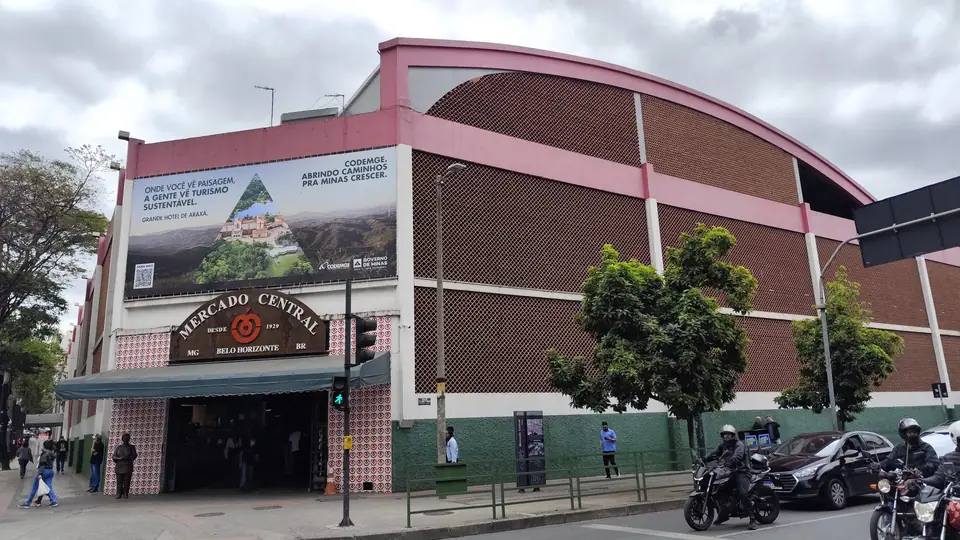
Mercado Central (1929), Mercado Novo & Belo Horizonte Boteco Culture Guide
Explore Belo Horizonte's legendary food markets and bar scene: visit the 400 stalls of the 1929 Mercado Central, climb up to Mercado Novo, and discover Santa Tereza.
To understand why Belo Horizonte is universally known across Brazil as the Capital Mundial dos Botecos (World Capital of Bars) and a UNESCO Creative City of Gastronomy, head to the western side of downtown where two neighbouring markets, separated by just three blocks and three decades of architectural history, anchor the city's daily culinary life: the 1929 Mercado Central and the 1960s Mercado Novo.
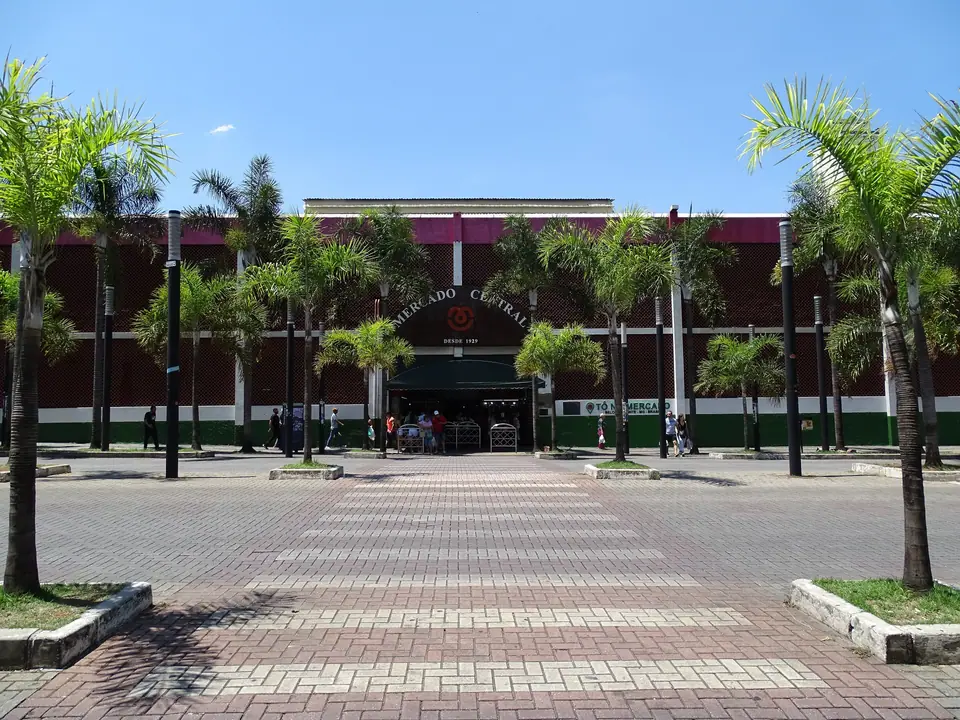
1. Mercado Central de Belo Horizonte (Founded 1929)
Founded on 7 September 1929 by Mayor Cristiano Machado when he gathered the open-air farmers' stalls of Praça da Estação onto the former football pitch of América Futebol Clube (at Avenida Augusto de Lima 744), the covered Mercado Central now houses more than 400 family-owned shops, stalls, and standing bars arranged along themed corridors:
- The Cheese & Sweet Corridors: Walk past wooden shelves stacked high with golden wheels of artisanal raw-milk Queijo da Canastra, Serro, and Araxá, copper-kettle jars of doce de leite, guava paste (goiabada cascão), and wild Cerrado honeys. Every stallholder happily slices tasting cubes straight from the wheel.
- Traditional Counter Botecos: Around the perimeter of the market, standing bars such as Bar da Lora (a multiple-time Comida di Buteco winner) and Casa Cheia sizzle cast-iron skillets of fígado acebolado com jiló (beef liver with onions and scarlet eggplant), crispy torresmo de barriga, and stuffed pão de queijo from mid-morning onward.
- Herbs, Peppers & Crafts: Dedicated aisles brim with pickled biquinho and malagueta chillies in cachaça, soapstone pots carved in Ouro Preto, and woven cotton hammocks from Northern Minas.
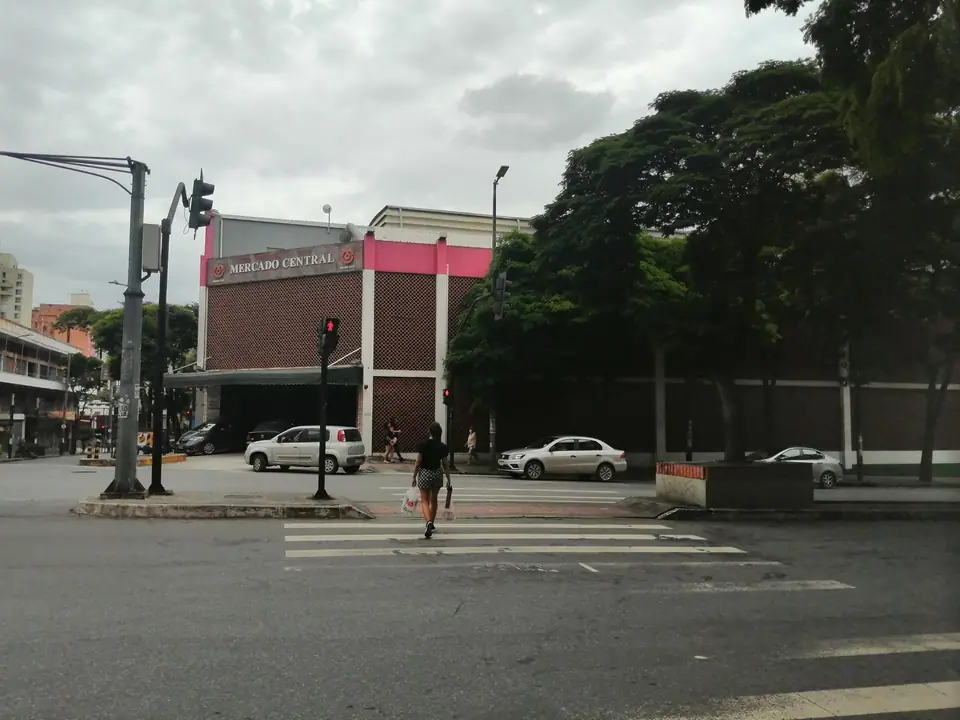
2. Velho Mercado Novo: Brutalist Revival on Floors Two and Three
Three blocks northwest at Avenida Olegário Maciel 742 stands the Mercado Novo, a vast concrete wholesale block opened in 1963 whose upper storeys sat half-shuttered for decades. Beginning in 2018, a collective of young chefs, craft brewers, coffee roasters, and designers began leasing the vacant units on the second and third floors while preserving the original 1960s signage, terrazzo tiles, and neighbouring legacy print shops and tailors. Arrive after 18:00 from Thursday to Sunday to stroll the open corridors with a glass of local cachaça, artisanal vermouth, or Minas craft IPA alongside wood-fired snacks.
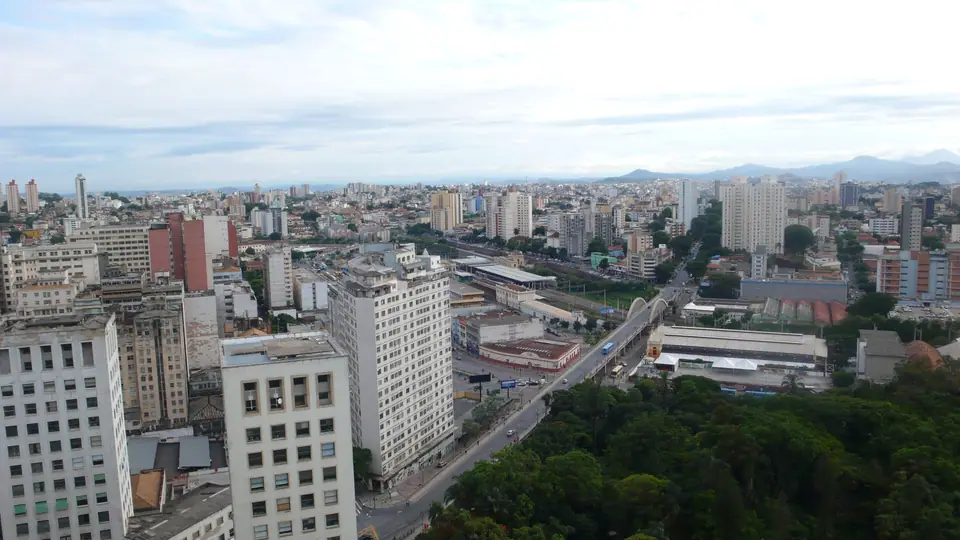
3. Santa Tereza and the Clube da Esquina Heritage
Cross the 1929 concrete arches of the Viaduto Santa Tereza east of downtown into the low-rise, cobblestone neighbourhood of Santa Tereza, where Milton Nascimento, Lô Borges, and Beto Guedes created the landmark 1972 album Clube da Esquina, and where traditional neighbourhood bars have served late-night spaghetti and cold beer since 1961.
Traveller tips
Real advice from people who have been to Mercado Central (1929), Mercado Novo & Belo Horizonte Boteco Culture. Every tip is read by our team before it goes live.
No tips yet. Been here? Yours could be the first.
Thank you! Your tip will appear here after a quick review.
More in Belo Horizonte
Continue exploring Belo Horizonte with related neighbourhood, food, and planning guides
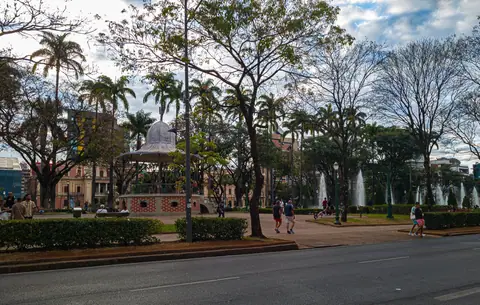
3 Days in Belo Horizonte Itinerary: Liberdade, Pampulha, Inhotim & Ouro Preto
Belo Horizonte, Brazil
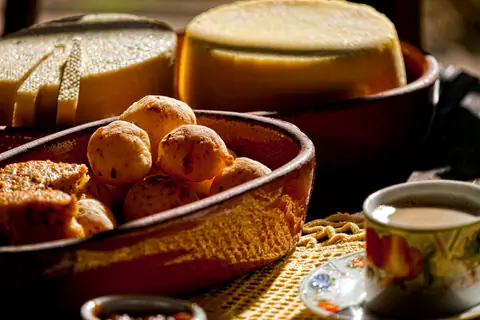
What to Eat in Belo Horizonte: Cozinha Mineira, Canastra Cheese & Boteco Classics
Belo Horizonte, Brazil
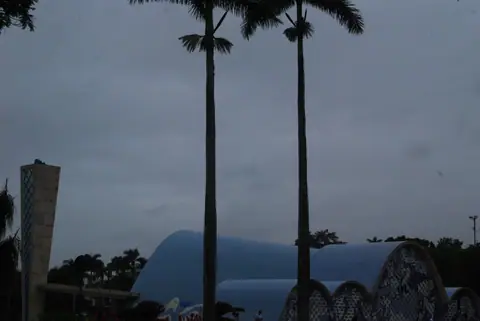
Pampulha Modern Ensemble Guide: Niemeyer's UNESCO Masterpiece on the Lagoon
Belo Horizonte, Brazil
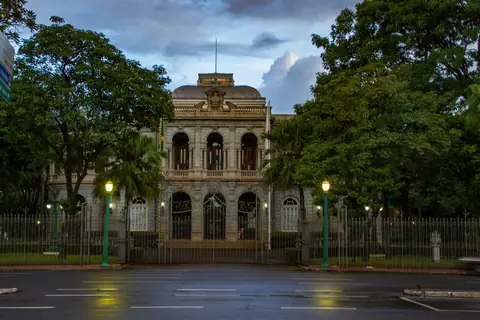
Praça da Liberdade Cultural Circuit Guide: Palaces, CCBB & Edifício Niemeyer
Belo Horizonte, Brazil
