


























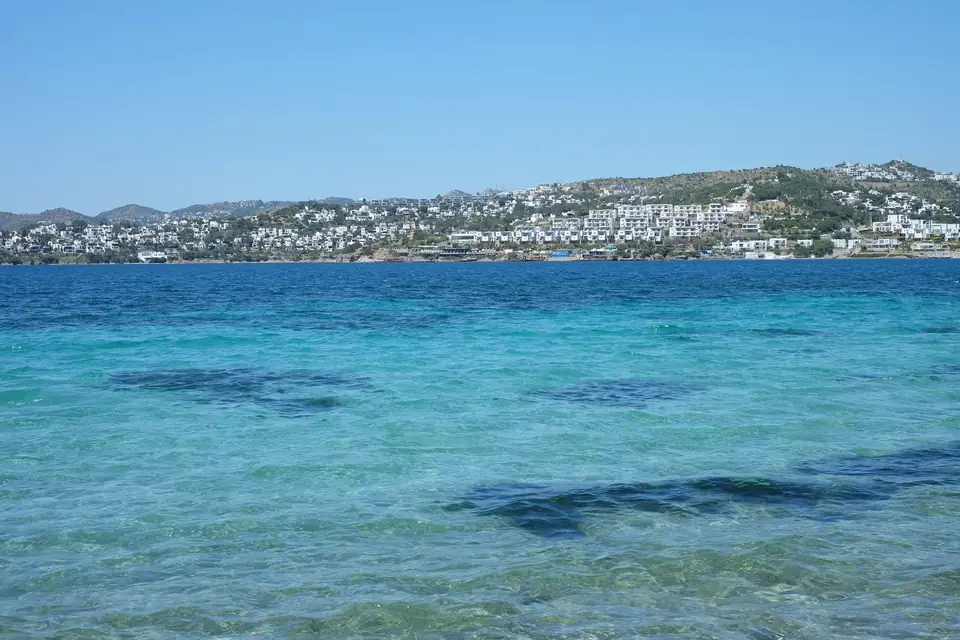
Dibeklihan Culture Village, Pedasa Ruins and Etrim Carpet Cooperative
Three cultural escapes in the hills of Bodrum: stone craft courtyards at Dibeklihan, Lelegian Pedasa and Etrim.
Away from the shoreline, the interior hills of the Bodrum Peninsula hold 3,000-year-old dry-stone citadels built by the indigenous Lelegian people (who inhabited the peninsula before the Greeks and Carians), traditional nomadic weaving villages and a remarkable architectural cultural village.
1. Dibeklihan Culture and Art Village (Yakaköy, 15 minutes from Bodrum or Ortakent)
Set on a breezy hillside among olive groves in Yakaköy just above Ortakent, Dibeklihan was designed and opened in 2008 by architect Cenap Tezer, modelled on a traditional Seljuk and Ottoman silk-road stone caravanserai. Built entirely from hand-cut local stone, antique timber doors and terracotta tiles around a central flagstone plaza (Orhan Kemal Meydanı), it is free to enter and functions as the summer cultural heart of the peninsula:
- Four Exhibition Galleries & Ethnography Museum: browse changing exhibitions of Turkish painting, sculpture and photography alongside an ethnographic collection of antique olive presses, dowry chests, copper coffee sets and rural farming tools.
- Artisan Courtyards and Evening Dining: twenty-five independent stone workshops sell hand-woven raw silk, ceramics, blown glass, silver and bespoke leather, anchored by traditional shaded dining courtyards and an open-air summer cinema and concert stage.
2. Hiking to Ancient Pedasa (In the Konacık Hills Above Bodrum Town)
Just 4 kilometres uphill north of Bodrum Town (beginning from the trailhead above Konacık) lies Pedasa, the principal fortified city of the ancient Lelegians mentioned by Homer in the Iliad. A well-marked 40-minute pine-forest walking trail (best walked early in the morning or in the early evening) leads through polygonal dry-stone city walls to the Acropolis, the Sanctuary of Athena (whose priestess famously grew a beard whenever disaster threatened the Pedasians, according to Herodotus) and unique circular beehive-shaped stone platform tombs (leleg mezarları) with sweeping views down over both bays of Bodrum and Bitez.
3. Etrim Village and Mumcular (25 km east of Bodrum Town)
In the quiet pine-and-olive valley of Mumcular and Etrim east of the peninsula, women weavers run cooperative workshops producing traditional geometric Milas and Bodrum hand-knotted woollen carpets and flat-weave kilims dyed naturally using walnut husks, chamomile flowers, madder root, sage and oak galls, paired with a homemade village lunch cooked over wood fires.
Traveller tips
Real advice from people who have been to Dibeklihan Culture Village, Pedasa Ruins and Etrim Carpet Cooperative. Every tip is read by our team before it goes live.
No tips yet. Been here? Yours could be the first.
Thank you! Your tip will appear here after a quick review.
More in Bodrum
Continue exploring Bodrum with related neighbourhood, food, and planning guides

Göltürkbükü (Türkbükü), Gündoğan and Torba: Pine Bays and Wooden Jetties
Bodrum, Turkey
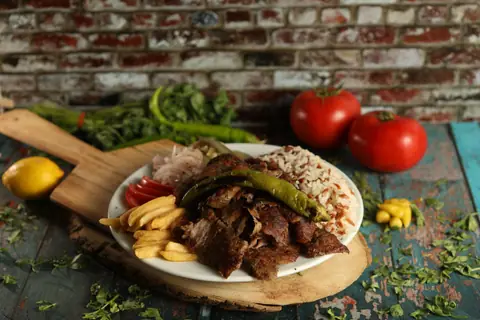
What to Eat in Bodrum: Çökertme Kebab, Courgette Flowers and Mandarin Ice Cream
Bodrum, Turkey
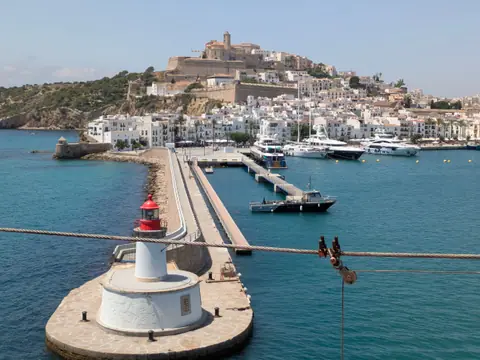
Day Trip from Bodrum to Kos Island (Greece) by 20-Minute Fast Ferry
Bodrum, Turkey

Getting to Bodrum: Milas-Bodrum Airport (BJV) Havaş, Muttaş and Taxis
Bodrum, Turkey
