


























Cumalıkızık Guide: Bursa's 700-Year-Old UNESCO Ottoman Village
Taking the Metro to the 700-year-old cobbled lanes, painted timber houses and village breakfasts of Cumalıkızık.
Eleven kilometres east of central Bursa on the wooded lower slopes of Mount Uludağ lies Cumalıkızık, one of the seven historic Kızık villages founded around 1300 AD by Oghuz Turkmen clans as rural vakıf (endowment) settlements to supply food and timber to the newly established Ottoman capital. Inscribed alongside Bursa's urban khans as a UNESCO World Heritage site in 2014, Cumalıkızık preserves 270 three-storey early Ottoman rural houses, 180 of which are still lived in by the descendants of the original families.
How to Get There Easily by Metro (BursaRay Line 2)
You do not need a tour or taxi to reach Cumalıkızık. Board eastbound BursaRay Metro Line 2 (towards Kestel) at Şehreküstü (beside the Bazaar) or Gökdere, ride 20 minutes to Cumalıkızık, Değirmenönü Station, and hop onto the waiting yellow village minibus outside the station exit, which winds 5 minutes uphill right to the village square (or take a 5-minute taxi from the metro stop). Tip: arrive on a weekday morning early in the morning to have the cobbled alleys almost entirely to yourself before weekend breakfast crowds build.
What to See Along the Water-Channelled Cobblestone Lanes
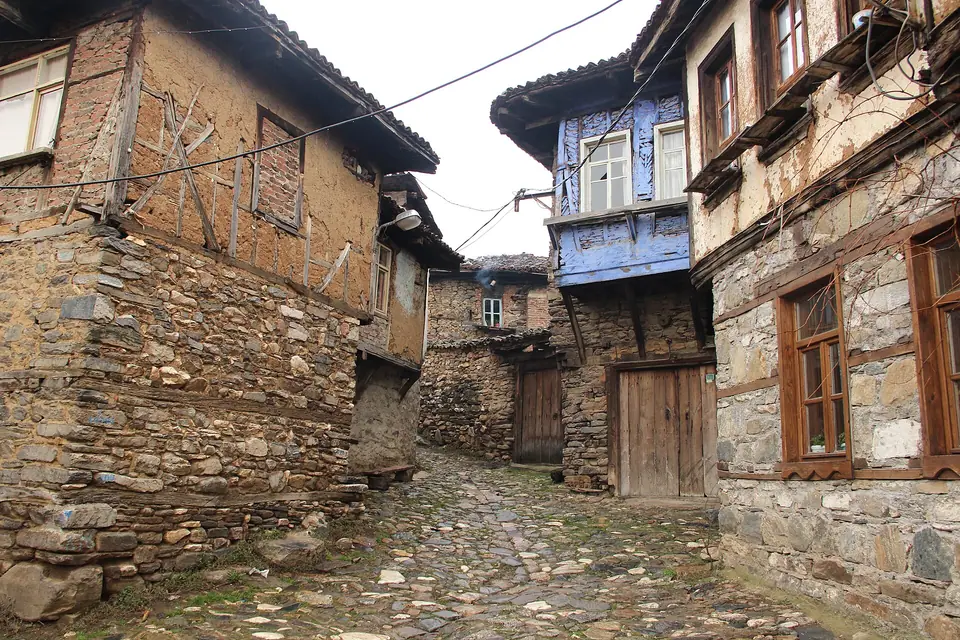
Notice how the streets of Cumalıkızık have no raised side pavements; instead, the rough stone cobbles slope inward toward the middle of the lane to form a central channel where clear mountain snowmelt water rushes downhill through the village on rainy days and in spring:
- The Painted Timber-and-Rubble Houses: built without nails using rubble stone on the ground floor (for stables and wood storage) and timber frames filled with mudbrick (kerpiç) on the overhanging upper living floors, painted in vivid shades of indigo blue, canary yellow, lilac and white with carved wooden lattice windows (kafes) and heavy double courtyard doors fitted with dual iron knockers (a heavy ring for male guests and a smaller ring for female guests so the household knew who was at the door by the sound).
- Cin Aralığı ("Genie Alley"): one of the narrowest streets in the world, a gap between two stone house walls that pinches to just 55 centimetres wide (legend says Turkish villagers escaped through this hidden slit during the 1920s War of Independence).
- The Village Square, 300-Year-Old Mosque & Ethnography Museum: shaded by two monumental 400-year-old plane trees (Anıt Çınarlar), where village women sell wild blackberries, chestnuts, walnuts and homemade noodles, beside the timber-verandaed Cumalıkızık Mosque and a single-dome Ottoman bathhouse.
- A Traditional 20-Dish Village Breakfast (Serpme Köy Kahvaltısı): step through the wooden double doors into one of the stone house courtyards (such as Taşev or Bulanlar Konağı) for a spread of wood-fired gözleme flatbreads, local cheeses, clotted cream, pine honey and warm raspberry, fig and chestnut jams.
Traveller tips
Real advice from people who have been to Cumalıkızık Guide: Bursa's 700-Year-Old UNESCO Ottoman Village. Every tip is read by our team before it goes live.
No tips yet. Been here? Yours could be the first.
Thank you! Your tip will appear here after a quick review.
More in Bursa
Continue exploring Bursa with related neighbourhood, food, and planning guides
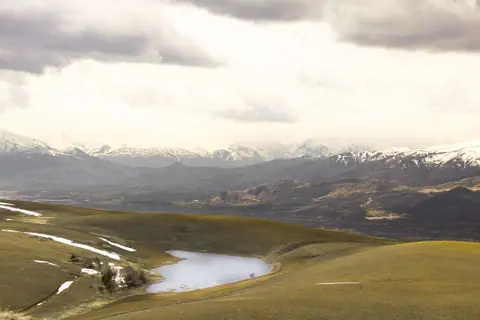
Mount Uludağ Guide: Riding the 9km Bursa Teleferik and National Park
Bursa, Turkey
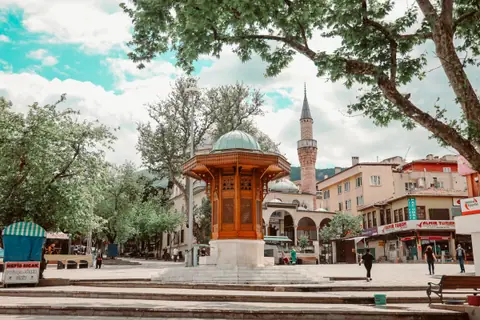
Irgandı Artisan Bridge (1442), Tophane Clock Tower and Karagöz Shadow Theatre
Bursa, Turkey
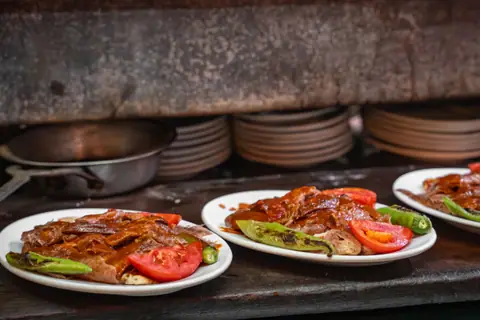
What to Eat in Bursa: Original 1867 İskender Kebab, Pideli Köfte and Chestnuts
Bursa, Turkey
Çekirge Thermal Baths and Bursa's Historic Hot-Spring Hammams
Bursa, Turkey
